NWS Nieuws & Achtergronden
Discussieer hier diepgaander over de actualiteiten.



Eh, jij? Jij mag toch ook stemmen?quote:Op zondag 15 maart 2026 13:28 schreef Candymannetje het volgende:
[..]
Wie is er verantwoordelijk voor het beleid van de EU?
Scorched earth


Zou ook wat wezen, denk je ook niet.quote:
[..]
Klopt maar ik mag niet stemmen over individuele zaken.
Ik vind dat je her en der wel goeie punten hebt, maar qua het "hoe dan wel" blijft het wat magertjes.
Scorched earth

Niks mis met referendums wat mij betreft.quote:Op zondag 15 maart 2026 13:35 schreef ExTec het volgende:
[..]
Zou ook wat wezen, denk je ook niet.
Ik vind dat je her en der wel goeie punten hebt, maar qua het "hoe dan wel" blijft het wat magertjes.
Maar als we nou eens beginnen met ervaren en gediplomeerde mensen op de posities die passen bij hun diploma's en ervaringen zou dat toch al een stap in de goede richting zijn?
Je gaat toch ook geen automonteur mensen laten opereren.

Dat laatste klopt. Erkenning is de eerste stap.quote:Op zondag 15 maart 2026 13:28 schreef Since2003 het volgende:
[..]
Ja toch. De Europese Unie (en hun simps) verkloten het al een paar decennia, maar ik snap het niet.
🤣
1/10 Van de rappers dankt zijn bestaan in Amerika aan de Nederlanders die zijn voorouders met een cruiseschip uit hun hongerige landen ophaalde om te werken op prachtige plantages.
"Oorlog is de overtreffende trap van concurrentie."
"Oorlog is de overtreffende trap van concurrentie."
De lidstatenquote:
[..]
Wie is er verantwoordelijk voor het beleid van de EU?
1/10 Van de rappers dankt zijn bestaan in Amerika aan de Nederlanders die zijn voorouders met een cruiseschip uit hun hongerige landen ophaalde om te werken op prachtige plantages.
"Oorlog is de overtreffende trap van concurrentie."
"Oorlog is de overtreffende trap van concurrentie."

Hopeloos in jouw geval dus.quote:
[..]
Dat laatste klopt. Erkenning is de eerste stap.
Het gaat hier niet om beleid van de EU.quote:
[..]
Wie is er verantwoordelijk voor het beleid van de EU?
Wantie is eigendom van de zittende macht en heeft dus geen eigen mening meer -- @Candymannetje
Heel veel mis mee. Mensen die 60 uur/week met bepaalde materie bezig zijn, weten simpelweg meer dan mensen zoals jij en ik, die alle mentale bandbreedte nodig hebben om de kleuterschool genaamd "werk" te navigeren.quote:
[..]
Niks mis met referendums wat mij betreft.
Bij dat referendum over toetreden oekraine stemde ik tegen, niet omdat ik wat tegen ze had, land zei me niks, maar louter omdat ik een middelvinger naar de politiek op wilde steken.
We hebben straks gemeenteraadsverkiezingen, en hoe vaak zie je niet dat als een partij het landelijk matig doen ze op gemeenteraad afgestraft worden. Dus gemeenteraadsverkiezingen gebruiken als make-shift referendum over de landelijke politiek? Terwijl gemeenteraad in de verste verte niet gaat over wat ze in den haag doen.
Dan zijn na 2 decennia de rechten van mensen aan de onderkant verdampt, als je een politiek hebt die alleen maar hoogopgeleidde vakmensen heeft.quote:Maar als we nou eens beginnen met ervaren en gediplomeerde mensen op de posities die passen bij hun diploma's en ervaringen zou dat toch al een stap in de goede richting zijn?
Je gaat toch ook geen automonteur mensen laten opereren.
Da's geen democratie. Kunnen laag opgeleidde mensen soms geen goede ideeen hebben?
Als het je niet bevalt dat (idd) een dienstwijgeraar mindef wordt -> niet op ze stemmen.
Scorched earth
Dan kan je net zo goed alle stemmingen schrappen.quote:
[..]
Heel veel mis mee. Mensen die 60 uur/week met bepaalde materie bezig zijn, weten simpelweg meer dan mensen zoals jij en ik, die alle mentale bandbreedte nodig hebben om de kleuterschool genaamd "werk" te navigeren.
Bij dat referendum over toetreden oekraine stemde ik tegen, niet omdat ik wat tegen ze had, land zei me niks, maar louter omdat ik een middelvinger naar de politiek op wilde steken.
We hebben straks gemeenteraadsverkiezingen, en hoe vaak zie je niet dat als een partij het landelijk matig doen ze op gemeenteraad afgestraft worden. Dus gemeenteraadsverkiezingen gebruiken als make-shift referendum over de landelijke politiek? Terwijl gemeenteraad in de verste verte niet gaat over wat ze in den haag doen.
[..]
Dan zijn na 2 decennia de rechten van mensen aan de onderkant verdampt, als je een politiek hebt die alleen maar hoogopgeleidde vakmensen heeft.
Da's geen democratie. Kunnen laag opgeleidde mensen soms geen goede ideeen hebben?
Als het je niet bevalt dat (idd) een dienstwijgeraar mindef wordt -> niet op ze stemmen.
Wie heeft het over hoogopgeleid gehad?
Ik niet.
Touche, maar in mijn optiek is een loodgieter ook soort van "hoogopgeleid". De beste man weet immers 1000+1 dingen over materie waar ik geen idee van heb.quote:
[..]
Dan kan je net zo goed alle stemmingen schrappen.
Wie heeft het over hoogopgeleid gehad?
Ik niet.
Eigenlijk zo krom als een hoepel dat we vaak alleen mensen die ergens een desk riden hoogopgeleid vinden.
Scorched earth
Ja uiteraard ieder z'n vak.quote:
[..]
Touche, maar in mijn optiek is een loodgieter ook soort van "hoogopgeleid". De beste man weet immers 1000+1 dingen over materie waar ik geen idee van heb.
Eigenlijk zo krom als een hoepel dat we vaak alleen mensen die ergens een desk riden hoogopgeleid vinden.
Maar ik heb dus liever mensen in de politiek die weten waar ze over praten.

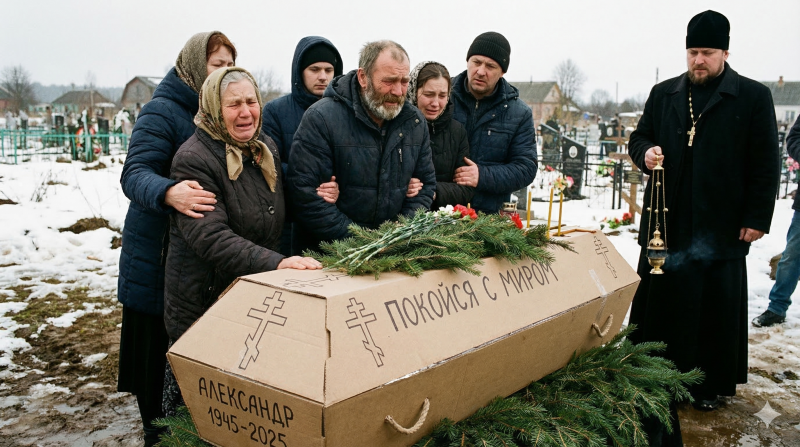
De zoon is dood, russen huilen en putin heeft zijn diner
AI-overzicht Volgens onderzoeken behoren autonome, gezonde westerse ouderen met een goed pensioen tot meest tevreden mensen ter wereld. Deze combinatie van factoren zorgt voor een hoog welzijn.
Alexander uit 1945?quote:
De zoon is dood, russen huilen en putin heeft zijn diner
[ afbeelding ]
How do we turn this world-class fuck-up into a world-class learning experience?
Jij bent degen die het niet snapt.quote:
1/10 Van de rappers dankt zijn bestaan in Amerika aan de Nederlanders die zijn voorouders met een cruiseschip uit hun hongerige landen ophaalde om te werken op prachtige plantages.
"Oorlog is de overtreffende trap van concurrentie."
"Oorlog is de overtreffende trap van concurrentie."
AI-overzicht Volgens onderzoeken behoren autonome, gezonde westerse ouderen met een goed pensioen tot meest tevreden mensen ter wereld. Deze combinatie van factoren zorgt voor een hoog welzijn.
Zolang je maar begrijpt dat het berg afwaarts is voor Brussel door mensen zoals jezelf.quote:
[..]
Jij bent degen die het niet snapt.

Financial Timesquote:Ukraine peace talks fizzle out as Trump’s focus shifts to Iran
US president no longer focused on pressuring Vladimir Putin, European officials say
The US-led peace process in Ukraine is fizzling out because Donald Trump is losing interest in the talks and his war against Iran is easing pressure on Russia, officials say.
The conflict in the Middle East has diverted Washington’s attention from a peace deal, according to four EU diplomats involved in talks with Ukraine. At the same time, the diplomats said, it was benefiting Russia through higher oil prices, a suspension of US sanctions and the rapid depletion of American munitions Kyiv needed.
The negotiations between Ukrainian and Russian officials, mediated by the US, were “really in the danger zone”, said a senior European official.
“A pause has indeed appeared in the talks. The Americans have other priorities, and that’s understandable,” said Kremlin spokesperson Dmitry Peskov.
The last three-way peace talks took place in Geneva on February 17-18. Another round due to take place on March 5 in Abu Dhabi was postponed because of the US-Israeli strikes on Iran, and a new date and venue have yet to be announced.
“The Middle East has severely reoriented political attention” away from Ukraine, one of the EU diplomats said. “For us, and for Ukraine, it’s a disaster.”
EU countries had been told that US arms shipments, particularly air defence, would be delayed as Washington prioritised Middle Eastern customers, the diplomats said, with major ramifications for Kyiv.
“It is definitely a problem because you have a competition for the same assets really, in the Middle East as well as in Ukraine,” Kaja Kallas, the EU’s chief diplomat, told the FT. “Clearly America’s attention right now is on the Middle East.”
Trump’s war with Iran has given Russia an unexpected lifeline by driving up global energy prices, helping the Kremlin recoup additional revenue of up to $150mn a day. The US relaxed sanctions on Thursday and its pressure on India not to buy Russian oil, prompting a significant number of tankers to head to the Indian Ocean.
Washington’s move “certainly does not help peace”, said Ukrainian President Volodymyr Zelenskyy.
Russian President Vladimir Putin had so far largely refrained from criticising Trump over the war, likely in an effort to stop the US from swinging more firmly behind Ukraine, the people involved in back-channel talks said. The two presidents spoke on Monday, when Putin suggested ways Russia could mediate an end to the conflict in the Middle East.
But in the negotiations with Ukraine, the Kremlin has shown no willingness to compromise and has itself become frustrated with the process. “The talks are running out of steam. They need to breathe some new life into this format,” said one of the people involved in back-channel efforts to end the war.
EU leaders are sceptical that peace talks will succeed without further pressure on Moscow. But they see the process as a way of maintaining US engagement in Ukraine.
EU leaders have tried to keep Ukraine in the spotlight since the US-Israeli attack on Iran began two weeks ago. France’s Emmanuel Macron hosted Zelenskyy in Paris on Friday to counter what an Élysée official described as the “eclipse effect” of the Iran war.
German Chancellor Friedrich Merz visited the White House three days after the US and Israel began their attack on Iran. Merz came with maps and charts to make the case for increased pressure on Moscow.
But Trump was disinclined to discuss in detail and remains convinced that Russia is strong and Ukraine is weak, say people familiar with the discussion. There was also no sign of US willingness to dial up pressure on Putin.
Over the past week, US officials told European counterparts that there would be no further sanctions on Russia’s oil industry, two of the EU diplomats said.
“The administration has consistently avoided putting pressure on Moscow and has focused instead on offering incentives to the Kremlin,” said Andrew Weiss, vice-president for studies at the Carnegie Endowment for International Peace.
“Trump and his team have relied heavily on improvisation in their negotiations with the Kremlin.”
Under Trump, the US has sought to serve as a neutral interlocutor in the talks. US officials were eager to broker an end to the conflict but were largely indifferent as to the terms under which the war was brought to an end, people familiar with the talks said.
A White House official said that Trump remained “hopeful” that the talks would lead to an end of the war, and that US negotiators had made “tremendous progress” in recent months.
“I don’t think the Russians want to have talks anytime soon again,” said one of the people involved in back-channel talks. “Because there’s nothing to talk about.”
Russia has so far resisted entreaties from European countries to carve out a greater role in the talks — most recently last month when French national security adviser Emmanuel Bonne and adviser Bertrand Buchwalter visited Moscow for talks with Yuri Ushakov, Putin’s top foreign policy official.
The French officials made the case for Moscow to accept that Kyiv’s European allies should have a seat at the table, according to people familiar with the matter. “The Russian response from Ushakov was basically, ‘Sorry, actually, no we don’t, fuck you’,” a senior European diplomat said.
Peskov told the FT: “The Europeans don’t want to help the peace process. When the representative of France came, he didn’t bring any positive signals. And so there was indeed nothing positive for him to hear.”
“Unfortunately, the Europeans are spending all their efforts on convincing the Ukrainians to continue the war,” he said. “We are convinced the Europeans are making a mistake from the perspective of their own future.”
Russia was confident it was winning the war, Peskov said. “The dynamic on the front is positive for us. We are advancing and getting closer to achieving our goals, but as President Putin said, we are open to a diplomatic settlement.”
From Ukraine’s perspective, Russia was “not serious” about ending the war given its insistence on demands Kyiv could not accept, said a senior Ukrainian official. The official downplayed concerns that Washington’s focus on Iran would derail the talks with Russia, saying Kyiv would “wait and see” how the situation develops.
“Nothing has changed” in the talks with Russia, said Oleksandr Merezhko, an MP in Zelenskyy’s party. “The obstacles are still the same, Putin has no interest in achieving a result, he’s only interested in negotiations because it allows him to avoid sanctions from Trump.”
Je had op de Frontpage weer eens niet goed gekeken naar wat er onder het plaatje stond?quote:
De zoon is dood, russen huilen en putin heeft zijn diner
[ afbeelding ]

80 jaar is ook wel wat oud voor soldaten, zelfs voor rus.quote:
[..]
Je had op de Frontpage weer eens niet goed gekeken naar wat er onder het plaatje stond?
[ afbeelding ]
Scorched earth
Welke mindef die we gehad hebben was precies een dienstweigeraar?quote:
Wat is dat nou voor onzin.
Er komt een functie beschikbaar en daar zoek je gekwalificeerde mensen voor.
Bijvoorbeeld in Nederland hebben we dienstweigeraars als minister van defensie gehad.
Zulke dingen mogen gewoon niet gebeuren.
Een minister van defensie is iemand met jarenlange ervaring en voldoende kennis defensie.
Hetzelfde geldt voor de zorg en alle andere posten.
En zo'n beleid zou in de hele EU moeten gelden.
Daarbij hebben we na WW2 voor zover ik weet maar 1 mindef gehad die daadwerkelijk militair is geweest, dat was Piet de Jong. En Henk Vredeling heeft in het verzet gezeten maar dan houdt het ook wel op volgens mij.
Relus ter Beek als ik het goed heb.quote:
Welke mindef die we gehad hebben was precies een dienstweigeraar?
Scorched earth
Dat zei @Hyperdude ook al.quote:
80 jaar is ook wel wat oud voor soldaten, zelfs voor rus.
Hyperdude in NWS / Oorlog in Oekraïne #1276 Waar dagelijks Russische AD wordt gesloopt
