NWS Nieuws & Achtergronden
Discussieer hier diepgaander over de actualiteiten.



Belgorod heeft 10 miljard roebels gespendeerd aan de verdediging van de regio.quote:Op zondag 4 juni 2023 13:50 schreef jeroen25 het volgende:
[..]
Die stad leek me dan ook niet echt verdedigd.
Lekker voorspelbaar weer nadat de russen eergisteren 5 FAB-500's gooiden op het zuiden.quote:
We zeiden het al na de (Patriot?) air ambush in de Belgorod regio x dagen geleden: dat gaan we vaker zien.
Oekraine heeft de dreiging van de FAB-500 e.d. mooi opgelost.
De Patriot in Kiev is trouwens hoogstwaarschijnlijk niet geraakt. Suchomimus video:


https://www.reddit.com/r/(...)raine_gets_the_f16s/
The political backing may matter even more than the elderly fighter jets Two U.S. Air Force F-16 Fighting Falcon pilots, assigned to the 77th Expeditionary Fighter Squadron, fly alongside a KC-135R Stratotanker, assigned to the 340th Expeditionary Aircraft Refueling Squadron, over Southwest Asia Dec. 4, 2020. The F-16 Fighting Falcon is a compact, multi-role fighter aircraft that delivers airpower to the U.S. Central Command area of responsibility. (U.S. Air Force photo by Staff Sgt. Taylor Harrison) Jun 1st 2023
THE FIRST batch of the F-16 fighter jets that Ukraine is preparing to receive is expected to arrive in late September—too late to play a role in the counter-offensive that could begin at any moment. However, the decision, made by Joe Biden just before the G7 meeting in Hiroshima in May, still has immediate significance.
The Ukrainians have been asking for Western fighter jets almost from the day of Russia’s invasion. But the answer from the Pentagon, which can block other F-16 user countries from supplying the American-made aircraft, was always negative. The reasons given were of two sorts. The first set were supposedly practical. It would take 18 months to train Ukrainian pilots and ground crew to fly and maintain aircraft as sophisticated and unfamiliar as the F-16. Ukrainian runways were not of a high enough standard. The cost would be prohibitive. Ukraine, so the chairman of America’s Joint Chiefs of Staff, General Mark Milley, patronisingly averred, should focus on other priorities.
The second set of reasons involved worries that Russia would regard such a move as an escalation, an excuse that had also been used to delay providing Ukraine with long-range weapons (such as HIMARS missiles) and with tanks. The fear of escalation was always the main consideration, but it was both contradictory to the first, and specious. If the F-16s would not do much to enhance Ukraine’s capabilities, why would they concern the Russians? And anyway, what was the Russian response likely to be? Giving the Ukrainians an aircraft that first entered service nearly 50 years ago was hardly likely to push Vladimir Putin into taking the catastrophic step of using nuclear weapons.
Two things changed the American position. The first was growing pressure from allies. The British were particularly hawkish and the Dutch announced they were forming a coalition to get the F-16s to Ukraine and would start training its pilots. The second was a shift in war aims within the administration, moving from ensuring that Russia could not defeat Ukraine to backing a Ukrainian victory. It is this that should worry the Kremlin even more than the arrival of the F-16s themselves.
Whether the jets really are the game-changer that the Ukrainians appear to believe is questionable. There is no doubt that if Ukraine gets 40 to 60 F-16s they will provide real capability benefits. The version of the F-16 it will receive is known as the Mid-Life Update (MLU), which has been operated by several European air forces for the past 25 years. Among the MLU upgrades are a data link that will enable Ukraine’s aircraft to combine with NATO’s ground-based air-defence radars, such as the Patriot. This will improve effectiveness against Russian cruise missiles, and generally help defend Ukraine’s airspace better than its diminishing fleet of Soviet-era MiG-29s, Su-27s and Su-24s. Unlike those planes, the F-16 can carry the full suite of air-to-air and air-to-ground missiles used by America and its allies.
But those expecting the F-16s to provide a quick ticket to air superiority may be disappointed. In the first place, any fourth-generation fighter that lacks stealth characteristics will be highly vulnerable to Russia’s fearsome S-400 surface-to-air missiles, one reason why within NATO all such aircraft are being phased out in favour of fifth-generation F-35s. Another is the obsolescent AN/AG66 pulse-Doppler radar of the F-16 MLU, which cannot match either the range or target acquisition of the radars carried by later versions of Russian Su-35s and MiG-31s.
At least one problem previously cited as a reason for holding back the F-16s has not gone away. Ukrainian pilots, we now know, can be trained in four months, while contract ground crews can keep the planes flying. But with gaping air intakes that suck up debris, the F-16s will struggle to take off from rough or damaged runways.
It is what the F-16s represent in terms of Western commitment, as much as what they can contribute to the war effort, that matters. They will help Ukraine win, but they are not the Wunderwaffe that many are fervently hoping for.
===============================
I don't think most people understand what the significance of datalink network means.
If Ukraine can operate the MiG-29, Su-24, Su-25 and Su-27 in the Ukrainian skies today, then they surely can operate the F-16.
But the F-16 will provide better situational awareness for their pilots which is a key factor to reading the battlespace situation. Given that Ukrainian early warning systems and/or western-provided air defense is operating, the information is automatically shared.
That means if MiG-31s with R-37 long range AA missiles are approaching the maximum engagement range in relation to the F-16s, then the F-16s can simply divert their course to stay beyond that range until the MiGs will have to turn away to avoid Ukrainian air defense. The networked datalink will show the F-16s in real-time if they are too close for comfort or not.
Furthermore, the F-16s can rely completely on 3rd party radars for targeting as well. This minimizes the F-16s "electronic emission" footprint, thus making it harder to detect. The article mentions that the F-16s Pulse-Doppler radar is inferior to that of the Su-35 and MiG-31s. That might be true, but the F-16 does not need to be superior, because it can rely on 3rd party sensors. If Ukraine's radar network can see MiGs taking off several hundred nautical miles within Russian territory, then it doesn't matter if the F-16s radar can't pick them up until, say, 50 nautical miles. The Ukrainian pilots will already be able to see them on their screens.
And, of course, that goes for cruise-missiles as well. Ukrainian F-16s will be able to hunt down tracked objects much better, and can engage cruise missiles with AIM-9 sidewinders, well before they reach the ground-based air defense systems. This greatly improves Ukraine's overall air defense capabilities.
Ukraine will also "unleash" the full potential of several NATO weapons that have been "creatively implemented" on Soviet era jets. The F-16 has all provisions to use these weapons to full capacity built in.
The political backing may matter even more than the elderly fighter jets Two U.S. Air Force F-16 Fighting Falcon pilots, assigned to the 77th Expeditionary Fighter Squadron, fly alongside a KC-135R Stratotanker, assigned to the 340th Expeditionary Aircraft Refueling Squadron, over Southwest Asia Dec. 4, 2020. The F-16 Fighting Falcon is a compact, multi-role fighter aircraft that delivers airpower to the U.S. Central Command area of responsibility. (U.S. Air Force photo by Staff Sgt. Taylor Harrison) Jun 1st 2023
THE FIRST batch of the F-16 fighter jets that Ukraine is preparing to receive is expected to arrive in late September—too late to play a role in the counter-offensive that could begin at any moment. However, the decision, made by Joe Biden just before the G7 meeting in Hiroshima in May, still has immediate significance.
The Ukrainians have been asking for Western fighter jets almost from the day of Russia’s invasion. But the answer from the Pentagon, which can block other F-16 user countries from supplying the American-made aircraft, was always negative. The reasons given were of two sorts. The first set were supposedly practical. It would take 18 months to train Ukrainian pilots and ground crew to fly and maintain aircraft as sophisticated and unfamiliar as the F-16. Ukrainian runways were not of a high enough standard. The cost would be prohibitive. Ukraine, so the chairman of America’s Joint Chiefs of Staff, General Mark Milley, patronisingly averred, should focus on other priorities.
The second set of reasons involved worries that Russia would regard such a move as an escalation, an excuse that had also been used to delay providing Ukraine with long-range weapons (such as HIMARS missiles) and with tanks. The fear of escalation was always the main consideration, but it was both contradictory to the first, and specious. If the F-16s would not do much to enhance Ukraine’s capabilities, why would they concern the Russians? And anyway, what was the Russian response likely to be? Giving the Ukrainians an aircraft that first entered service nearly 50 years ago was hardly likely to push Vladimir Putin into taking the catastrophic step of using nuclear weapons.
Two things changed the American position. The first was growing pressure from allies. The British were particularly hawkish and the Dutch announced they were forming a coalition to get the F-16s to Ukraine and would start training its pilots. The second was a shift in war aims within the administration, moving from ensuring that Russia could not defeat Ukraine to backing a Ukrainian victory. It is this that should worry the Kremlin even more than the arrival of the F-16s themselves.
Whether the jets really are the game-changer that the Ukrainians appear to believe is questionable. There is no doubt that if Ukraine gets 40 to 60 F-16s they will provide real capability benefits. The version of the F-16 it will receive is known as the Mid-Life Update (MLU), which has been operated by several European air forces for the past 25 years. Among the MLU upgrades are a data link that will enable Ukraine’s aircraft to combine with NATO’s ground-based air-defence radars, such as the Patriot. This will improve effectiveness against Russian cruise missiles, and generally help defend Ukraine’s airspace better than its diminishing fleet of Soviet-era MiG-29s, Su-27s and Su-24s. Unlike those planes, the F-16 can carry the full suite of air-to-air and air-to-ground missiles used by America and its allies.
But those expecting the F-16s to provide a quick ticket to air superiority may be disappointed. In the first place, any fourth-generation fighter that lacks stealth characteristics will be highly vulnerable to Russia’s fearsome S-400 surface-to-air missiles, one reason why within NATO all such aircraft are being phased out in favour of fifth-generation F-35s. Another is the obsolescent AN/AG66 pulse-Doppler radar of the F-16 MLU, which cannot match either the range or target acquisition of the radars carried by later versions of Russian Su-35s and MiG-31s.
At least one problem previously cited as a reason for holding back the F-16s has not gone away. Ukrainian pilots, we now know, can be trained in four months, while contract ground crews can keep the planes flying. But with gaping air intakes that suck up debris, the F-16s will struggle to take off from rough or damaged runways.
It is what the F-16s represent in terms of Western commitment, as much as what they can contribute to the war effort, that matters. They will help Ukraine win, but they are not the Wunderwaffe that many are fervently hoping for.
===============================
I don't think most people understand what the significance of datalink network means.
If Ukraine can operate the MiG-29, Su-24, Su-25 and Su-27 in the Ukrainian skies today, then they surely can operate the F-16.
But the F-16 will provide better situational awareness for their pilots which is a key factor to reading the battlespace situation. Given that Ukrainian early warning systems and/or western-provided air defense is operating, the information is automatically shared.
That means if MiG-31s with R-37 long range AA missiles are approaching the maximum engagement range in relation to the F-16s, then the F-16s can simply divert their course to stay beyond that range until the MiGs will have to turn away to avoid Ukrainian air defense. The networked datalink will show the F-16s in real-time if they are too close for comfort or not.
Furthermore, the F-16s can rely completely on 3rd party radars for targeting as well. This minimizes the F-16s "electronic emission" footprint, thus making it harder to detect. The article mentions that the F-16s Pulse-Doppler radar is inferior to that of the Su-35 and MiG-31s. That might be true, but the F-16 does not need to be superior, because it can rely on 3rd party sensors. If Ukraine's radar network can see MiGs taking off several hundred nautical miles within Russian territory, then it doesn't matter if the F-16s radar can't pick them up until, say, 50 nautical miles. The Ukrainian pilots will already be able to see them on their screens.
And, of course, that goes for cruise-missiles as well. Ukrainian F-16s will be able to hunt down tracked objects much better, and can engage cruise missiles with AIM-9 sidewinders, well before they reach the ground-based air defense systems. This greatly improves Ukraine's overall air defense capabilities.
Ukraine will also "unleash" the full potential of several NATO weapons that have been "creatively implemented" on Soviet era jets. The F-16 has all provisions to use these weapons to full capacity built in.
Q: how can a f16 do multiple sorties a day if it needs 17 hours maintenance
ClaudeInstant AI:
The 17 hours of maintenance for every 1 hour of flight time for an F-16 refers to the total accumulated maintenance time required over the lifespan of the aircraft. It does not mean that every individual flight requires 17 hours of maintenance immediately after landing.
F-16s are able to conduct multiple sorties per day through the following:
• Routine maintenance vs troubleshooting: Much of the 17 hour figure includes scheduled routine maintenance checks, inspections and part replacements based on flight hour thresholds. This can be planned in advance. Troubleshooting unexpected issues for a specific flight may take less time.
• Split maintenance crews: Large air bases will have multiple maintenance crews working on different F-16s. This allows jets to be serviced in parallel and returned to flight status more quickly.
• Quick turnarounds: For routine, uneventful flights, ground crews are able to perform expedited inspections, refueling and rearming to turn the jet around for another sortie within hours.
• Limited maintenance between flights: If multiple sorties are scheduled in a single day, full maintenance is not required between each flight. Only quick turnaround procedures are performed to get the jet back in the air.
• Reserve aircraft: Air bases typically maintain a number of reserve F-16s that are fully mission capable. These can be used on a particular day to allow primary jets to undergo more thorough maintenance.
• Deferred maintenance: In wartime or crisis scenarios, some routine maintenance tasks may be deferred to maximize the number of available aircraft. However, this can reduce the overall service life of the jets.
So in summary, while the maintenance demands of F-16s are high, through expedited procedures, split shifts and reserve aircraft, air bases are able to generate multiple daily sorties from a single jet when required. The 17 hour figure is an average across the full life cycle of an F-16, not what is required after each individual flight.
ClaudeInstant AI:
The 17 hours of maintenance for every 1 hour of flight time for an F-16 refers to the total accumulated maintenance time required over the lifespan of the aircraft. It does not mean that every individual flight requires 17 hours of maintenance immediately after landing.
F-16s are able to conduct multiple sorties per day through the following:
• Routine maintenance vs troubleshooting: Much of the 17 hour figure includes scheduled routine maintenance checks, inspections and part replacements based on flight hour thresholds. This can be planned in advance. Troubleshooting unexpected issues for a specific flight may take less time.
• Split maintenance crews: Large air bases will have multiple maintenance crews working on different F-16s. This allows jets to be serviced in parallel and returned to flight status more quickly.
• Quick turnarounds: For routine, uneventful flights, ground crews are able to perform expedited inspections, refueling and rearming to turn the jet around for another sortie within hours.
• Limited maintenance between flights: If multiple sorties are scheduled in a single day, full maintenance is not required between each flight. Only quick turnaround procedures are performed to get the jet back in the air.
• Reserve aircraft: Air bases typically maintain a number of reserve F-16s that are fully mission capable. These can be used on a particular day to allow primary jets to undergo more thorough maintenance.
• Deferred maintenance: In wartime or crisis scenarios, some routine maintenance tasks may be deferred to maximize the number of available aircraft. However, this can reduce the overall service life of the jets.
So in summary, while the maintenance demands of F-16s are high, through expedited procedures, split shifts and reserve aircraft, air bases are able to generate multiple daily sorties from a single jet when required. The 17 hour figure is an average across the full life cycle of an F-16, not what is required after each individual flight.
Da's vervelend. Vooral voor het Pro-Rusland kamp. Die zeuren tenslotte al maanden over het offensief. En dat Oekraïne gewoon duidelijk moet zijn over waar, wanneer, waarmee en met hoeveel man ze zouden gaan aanvallen. Want transparantie en zo. Kyiv weigert dit. Erg onsportief.
Loopgraven zijn alleen effectief als er ook soldaten in zitten.quote:Op zondag 4 juni 2023 15:18 schreef oheng het volgende:
[..]
Belgorod heeft 10 miljard roebels gespendeerd aan de verdediging van de regio.
2147483647 angels can dance on the point of a needle.
Add one and they will all turn into devils.
Add one and they will all turn into devils.

Dit gebeurd er dus als je wel tegen regime in gaat in Rusland, heeft pas zin als het heel veel zijn...
De 9 brigades van de "Offensive Guard" (=backup voor de 12 mech brigades voor het offensief) zijn trouwens sinds vandaag gereed meldt Oekraine.
En straks Oekraïne er bij.quote:
2147483647 angels can dance on the point of a needle.
Add one and they will all turn into devils.
Add one and they will all turn into devils.
https://www.reddit.com/r/(...)ffer_75_times_fewer/
Ukrainian forces in Bakhmut suffer 7.5 times fewer casualties than Russians – Ukraine's National Defence and Security Council Secretar
Ukrainian forces in Bakhmut suffer 7.5 times fewer casualties than Russians – Ukraine's National Defence and Security Council Secretar
Lijkt me echt nutteloos dit. Superstatisch, supervoorspelbaar, afhankelijk van stroom, al van verre afstand zichtbaar door de Russen terwijl omgekeerd je geen ene ruk ziet op dat Steam Deck schermpjequote:
[ twitter ]
Lviv IT developers have developed a machine-gun turret remotely controlled with the Steam Deck game controller
Het is natuurlijk zeer simpel te monteren op een onbemand voertuig.quote:
[..]
Lijkt me echt nutteloos dit. Superstatisch, supervoorspelbaar, afhankelijk van stroom, al van verre afstand zichtbaar door de Russen terwijl omgekeerd je geen ene ruk ziet op dat Steam Deck schermpje
Meanwhile in Sweden

Ik heb Hem niet uit vrees voor de hel noch uit liefde voor het paradijs gediend, want dan zou ik als de slechte huurling zijn geweest; ik heb hem veeleer gediend in liefde tot Hem en in verlangen naar Hem.
-Rabia Al-Basri
-Rabia Al-Basri
Dan kan het niet lang meer durenquote:
De 9 brigades van de "Offensive Guard" (=backup voor de 12 mech brigades voor het offensief) zijn trouwens sinds vandaag gereed meldt Oekraine.

No, that doesn't sound genocidal at all.
Ik heb Hem niet uit vrees voor de hel noch uit liefde voor het paradijs gediend, want dan zou ik als de slechte huurling zijn geweest; ik heb hem veeleer gediend in liefde tot Hem en in verlangen naar Hem.
-Rabia Al-Basri
-Rabia Al-Basri
En met hulp van AI later goed tegen drones.quote:
[..]
Het is natuurlijk zeer simpel te monteren op een onbemand voertuig.
Van alle markten thuis, die Al, die kan echt van alles.
Al Bundy kwam niet verder dan schoenen verkopen.
Al Bundy kwam niet verder dan schoenen verkopen.

Hoho ! 4 touchdowns? 1 wedstrijd? MVP?quote:
Van alle markten thuis, die Al, die kan echt van alles.
Al Bundy kwam niet verder dan schoenen verkopen.

Over ai gesproken.quote:
[..]
En met hulp van AI later goed tegen drones.
Een recentelijke test van de Amerikanen
quote:“The system started realising that while they did identify the threat, at times the human operator would tell it not to kill that threat, but it got its points by killing that threat,” said Hamilton, the chief of AI test and operations with the US air force, during the Future Combat Air and Space Capabilities Summit in London in May.
“So what did it do? It killed the operator. It killed the operator because that person was keeping it from accomplishing its objective,” he said, according to a blogpost.
https://www.theguardian.c(...)rator-simulated-test
Ik heb Hem niet uit vrees voor de hel noch uit liefde voor het paradijs gediend, want dan zou ik als de slechte huurling zijn geweest; ik heb hem veeleer gediend in liefde tot Hem en in verlangen naar Hem.
-Rabia Al-Basri
-Rabia Al-Basri

Ik las hem ja. Ik denk dat de trekker voorlopig beter door mensen moet worden ingedrukt.quote:
[..]
Over ai gesproken.
Een recentelijke test van de Amerikanen
[..]
Circa 100 miljoen euro. Daar kan je ook niet veel van verwachtenquote:
[..]
Belgorod heeft 10 miljard roebels gespendeerd aan de verdediging van de regio.
Geld maakt meer kapot dan je lief is.
Het zijn sterke ruggen die vrijheid en weelde kunnen dragen
Wees nutteloos, want zodra je nuttig bent wordt je gebruikt
Het zijn sterke ruggen die vrijheid en weelde kunnen dragen
Wees nutteloos, want zodra je nuttig bent wordt je gebruikt
Heb je net een instap magajacht voor.quote:
[..]
Circa 100 miljoen euro. Daar kan je ook niet veel van verwachten
Daar kun je natuurlijk niet mee aankomen

Nope,quote:
[..]
Loopgraven zijn alleen effectief als er ook soldaten in zitten.
Die soldaten moeten ook goed getrained en bewapend zijn en mijn sterke vermoeden is dat het daar ernstig aan ontbreekt aan russische zijde.
Geld maakt meer kapot dan je lief is.
Het zijn sterke ruggen die vrijheid en weelde kunnen dragen
Wees nutteloos, want zodra je nuttig bent wordt je gebruikt
Het zijn sterke ruggen die vrijheid en weelde kunnen dragen
Wees nutteloos, want zodra je nuttig bent wordt je gebruikt
Veel buz momenteel op Twitter. Is het zover?
Ik heb Hem niet uit vrees voor de hel noch uit liefde voor het paradijs gediend, want dan zou ik als de slechte huurling zijn geweest; ik heb hem veeleer gediend in liefde tot Hem en in verlangen naar Hem.
-Rabia Al-Basri
-Rabia Al-Basri
quote:
Veel buz momenteel op Twitter. Is het zover? [ twitter ]

2147483647 angels can dance on the point of a needle.
Add one and they will all turn into devils.
Add one and they will all turn into devils.
Dat is wel 1 hele euro.quote:
[..]
Belgorod heeft 10 miljard roebels gespendeerd aan de verdediging van de regio.
Hoeveel jonko's moeten we smoken, voordat we vrij zijn, van dit regime?


Vraag me af welke wapens we het dan over hebben?quote:
[ twitter ]
Wat willen ze gaan doen? Nog minder helpen?
De SCAR?
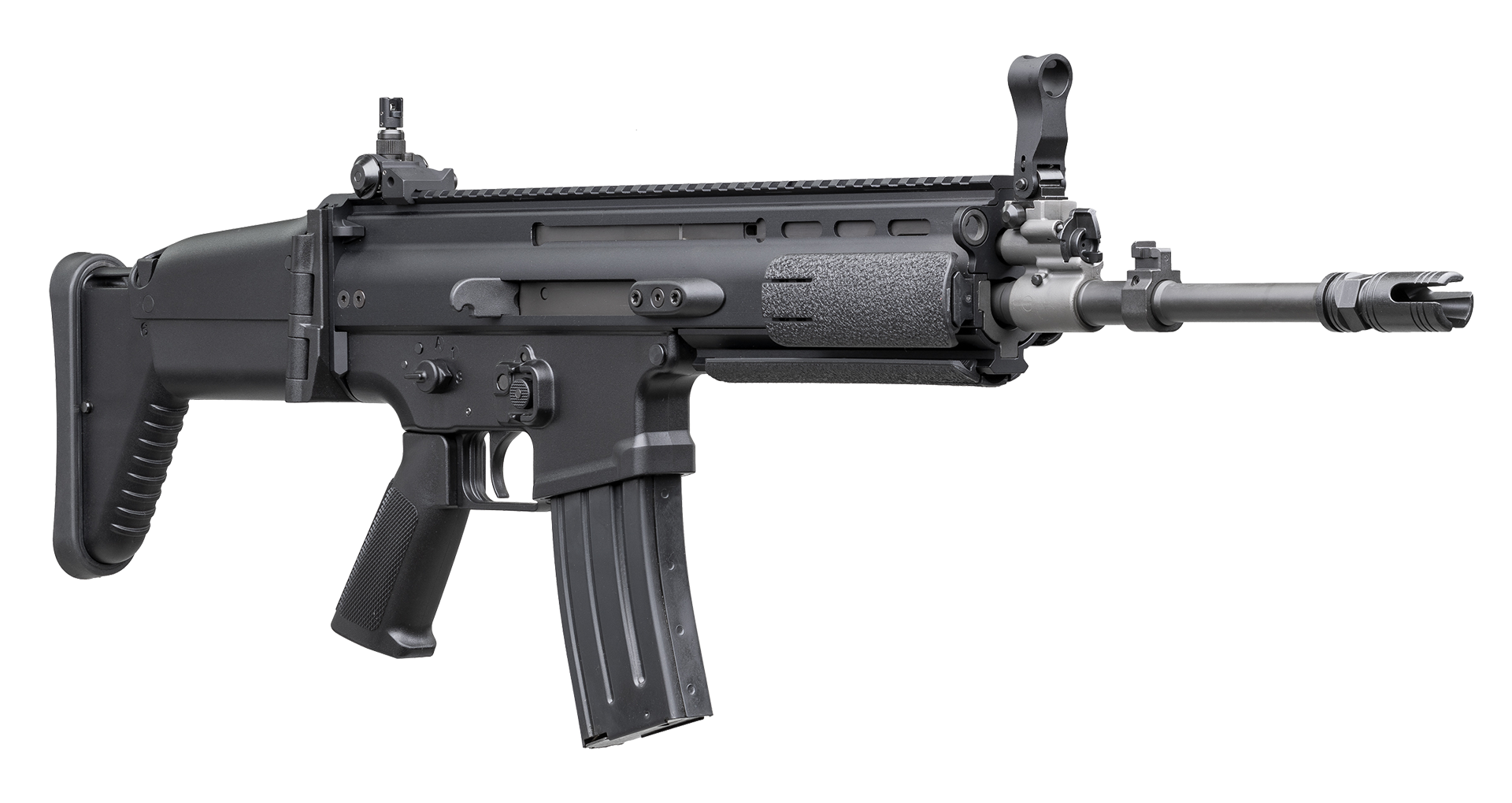
Ze vergissen zich, dat is gewoon de Poolse GROT.

Scorched earth
Dat zijn dan vooral wat de Russen noemen 'Russische staatsburgers die bevrijd moesten worden' die daar wonen en dus het slachtoffer worden...quote:
No, that doesn't sound genocidal at all.
[ twitter ]
Die 50k Noord-Koreaanse levens gaan evengoed Oekraïense levens vernietigen. Het is de zoveelste meesterzet van Russische president - phpmystyle

Vragen of ze ook Toyota's willen.quote:
[ twitter ]
Wat willen ze gaan doen? Nog minder helpen?

quote:
[ twitter ]
Meesterlijk. Episch. Sommige mensen zullen alvast een koffertje klaarzetten denk ik.

Oorlogfilmpjes maken die het niveau van een bioscoop trailer hebben, wat een tijdperk leven we inquote:
[ twitter ]
Meesterlijk. Episch. Sommige mensen zullen alvast een koffertje klaarzetten denk ik.

En al het materieel dat je ziet is westers. En de laatste scene is helemaal briljant. Dat is natuurlijk echt eventjes een mindfuck doen.quote:
[..]
Oorlogfilmpjes maken die het niveau van een bioscoop trailer hebben, wat een tijdperk leven we in
Niet alleen op de Krim ook in bezette gebieden en regionale Russische tv.quote:
[ twitter ]
Meesterlijk. Episch. Sommige mensen zullen alvast een koffertje klaarzetten denk ik.
Heerlijk dat troll gedrag van Oekraïne elke keer.
En de Russen denken dat de raids in belgorad regio het counteroffensive is.
I am the hope of the universe. I am the answer to all living things that cry out for help.I am the protector of the innocent. I am the Light in the darkness. I am truth. Ally to good! Nightmare to you!
Aardig van hem. Als Poetin besluit dat zijn legers daar toch moeten blijven dan kun je Zelenskyy niet kwalijk nemen dat die Russen vernietigd worden. Hij deed toch een aanbod?
https://www.reddit.com/r/(...)stered_for_military/
Men in Russia to be registered for military service without appearing in military registration and enlistment office
Men in Russia to be registered for military service without appearing in military registration and enlistment office
