WGR Werk, Geldzaken, Recht en de Beurs
Hier kun je alles kwijt over sollicitaties, werksituaties, belastingen, (handelen op) de beurs, hypotheken, beleggingen en salarissen, arbeidscontracten of geschillen met je (huis)baas. Alles over werk, geldzaken en recht dus.



Zeker niets gelezen over vele gesloten rafinaderijen door Ike?quote:Op maandag 15 september 2008 12:06 schreef Bulletdodger het volgende:
nu de benzineprijs nog
Olie <> benzine.
For great justice!


Wij krijgen geen benzine van die kant, dat ze daar tekorten hebben zegt al dat wij er geen last van hoeven te hebben.quote:Op maandag 15 september 2008 12:14 schreef Q. het volgende:
[..]
Zeker niets gelezen over vele gesloten rafinaderijen door Ike?
Olie <> benzine.
censuur :O
Tenzij Europa benzine gaat leveren aan de VS, wat in 2005 ook gebeurde.quote:Op maandag 15 september 2008 12:24 schreef RemcoDelft het volgende:
[..]
Wij krijgen geen benzine van die kant, dat ze daar tekorten hebben zegt al dat wij er geen last van hoeven te hebben.
En voor iedereen die maar wat lult dat de benzineprijs niet aan de olieprijs gekoppeld is: Bron?
The problem is not the occupation, but how people deal with it.

En sowieso heeft men in de VS al langer een probleem met de rafinage capaciteit. Aangezien de olie die op dit moment het meest leverbaar is geen texas sweet crude kwaliteit meer is en men veel meer moet ontzwavelen maar daarop de rafinaderijen nog steeds niet aangepast heeft.

3 jaar geleden tankte je aan de pomp voor 1.19 een liter benzine, met een olieprijs van 75 dollar.quote:Op maandag 15 september 2008 12:31 schreef waht het volgende:
[..]
Tenzij Europa benzine gaat leveren aan de VS, wat in 2005 ook gebeurde.
En voor iedereen die maar wat lult dat de benzineprijs niet aan de olieprijs gekoppeld is: Bron?
Nu betaal je 1.62 aan de pomp, met een olieprijs van 98 dollar....
De olieprijs is met een kwart gestegen, de benzineprijs met 40%.
[ Bericht 3% gewijzigd door #ANONIEM op 15-09-2008 12:54:59 ]
Oke, daar gaan we.quote:Op maandag 15 september 2008 12:49 schreef Scorpie het volgende:
[..]
3 jaar geleden tankte je aan de pomp voor 1.19 een liter benzine, met een olieprijs van 75 dollar.
Nu betaal je 1.62 aan de pomp, met een olieprijs van 98 dollar....
De olieprijs is met een kwart gestegen, de benzineprijs met 40%.
3 jaar geleden? 15 september 2005?
Eerder dus $57 per vat.quote:2005-Sep 09/02 60.75 09/09 59.18 09/16 56.93 09/23 58.20
http://tonto.eia.doe.gov/dnav/pet/hist/wtotworldw.htm
http://asp.unitedconsumers.com/graph_landadvies.asp (doet het alleen met Internet Explorer)
Eén ding is duidelijk, de benzineprijs lag niet op 1.19, een stuk hoger en minstens op 1.35.
Afgezien van dit duurt het, zoals ik al eerder zei, ongeveer een maand voordat het doorberekent wordt. Prijzen van nu horen bij de olieprijzen van een maand geleden die veel hoger lagen. En zoals ook al eerder gezegd, het loopt niet 1 op 1.
The problem is not the occupation, but how people deal with it.
http://www.upstreamonline.com/market_data/?id=markets_oil
Urals, Oman 1M en Forties onder de $90.
Lijst van verschillende olie-types
Urals, Oman 1M en Forties onder de $90.
Lijst van verschillende olie-types
The problem is not the occupation, but how people deal with it.

De Brent olie staat al onder de 90 dollar.quote:Op maandag 15 september 2008 12:24 schreef RemcoDelft het volgende:
[..]
Wij krijgen geen benzine van die kant, dat ze daar tekorten hebben zegt al dat wij er geen last van hoeven te hebben.
Olie rond $92. Had ik persoonlijk nooit kunnen voorspellen. Anders was ik namelijk rijk geweest en zat ik niet op FOK!. 
Former oil exec: Gas rationing needed
The Oil Drum: Damage Caused by Hurricane Ike
All-electric vehicles no magic bullet: scientist
Nigerian militants launch new attacks on oil sector
Weak oil and debt markets may bedevil oil sands plans
The price of oil has nowhere to go but up
Leestip:
The net energy cliff
Former oil exec: Gas rationing needed
Tsja, verkiezingen hè?quote:John Hofmeister, the former president of Shell Oil Co. and one of the most influential voices in the oil industry, called for short-term gasoline rationing by introducing odd-even purchases based on an automobile's license plate and by limiting the amount of gasoline drivers can purchase.
The United States will be in "a world of hurt" for the next four to six weeks as the oil industry recovers from the damage from Hurricanes Gustav and Ike, said Mr. Hofmeister, who recently founded a new company, Citizens for Affordable Energy. The areas where rationing will be needed include the Southeast and extend northward toward Denver, the upper Midwest and Washington, D.C., Mr. Hofmeister said in a newsmaker interview Monday morning with editors and reporters of The Washington Times.
[..]
"America is suffering a lot more than is being reported," said Mr. Hofmeister, who is also chairman of the National Urban League. The economic slowdown may not be affecting the well-to-do, but it is "really nailing middle- and low-income people."
The Oil Drum: Damage Caused by Hurricane Ike
Misschien horen deze niet in dit topic, maar toch, Crystal Beach;quote:
According to today's DOE report, 3.6 million barrels of refinery capacity is shut in, and 2.5 million barrels is operating with reduced runs. In my refinery article, I used an estimate of one-third of production from reduced runs being off line. With this approach, 4.4 million barrels of refinery production is off-line, which is about 22% of oil products use. The corresponding calculation from yesterday's report would indicate that 4.5 million barrels were offline then, so we are making slight progress. It would be difficult to get along without 22% of oil products for long, however.
[..]
The report indicates that 1.3 million barrels of crude oil production is off-line. The US produced a total of about 5.1 million barrels of crude oil a day, including all of the United States. The amount currently off-line amounts to about 25% of US production.


All-electric vehicles no magic bullet: scientist
Credit crisis hurting clean energy sector: bankersquote:ARGONNE, Illinois (Reuters) - A future of all-electric cars coasting along streets and highways may be illusory, given that their range may be cut in half by aggressive drivers speeding along with the air conditioning blasting, U.S. scientists said on Monday.
That may not be a bad thing, as it will persuade consumers to choose the best blend of electric- and gas-powered hybrid vehicle to suit the type of driving they do.
House to vote on offshore drilling Tuesdayquote:LONDON (Reuters) - The renewable energy sector will see a 21 billion euro ($29.43 billion) shortfall in debt finance by 2020, following the credit crisis and a brake on lending, a senior banker said on Monday.
Investors at a renewable energy finance conference in London tried to digest the implications of a banking hiatus following Lehman Brothers' filing for bankruptcy and Bank of America's acquisition of Merrill Lynch.
[..]
"The credit crunch will have a major impact on the renewable energy sector," Cuppen said. "I think we haven't had the worst yet."
[..]
However, energy infrastructure projects are hurting because the banks, faced with the threat of more loan defaults, are limiting lending.
Nigerian militants launch new attacks on oil sector
Weak oil and debt markets may bedevil oil sands plans
The price of oil has nowhere to go but up
Leestip:
The net energy cliff
quote:Charles Hall, the father of the energy return on investment (EROI) concept, once told me that our current society would probably not be able to function if the EROI for the entire society slipped below five.
What does that mean?
The problem is not the occupation, but how people deal with it.
Ik had het wel gedacht en loop hier al langer te roepen dat commoties een bubble zijnquote:Op dinsdag 16 september 2008 10:08 schreef waht het volgende:
Olie rond $92. Had ik persoonlijk nooit kunnen voorspellen. Anders was ik namelijk rijk geweest en zat ik niet op FOK!.

Maar heb ik er geld op gezet? Natuurlijk niet. Markten voorspellen is casinowerk. Met de aandelenmarkten riep ik ook in 1998 al dat het een bubble was. Maar die bubble liep nog 2 jaar door en ging nog veel hoger dan ik ooit had gedacht. Gelukkig niet short gegaan in 1998 (wel het meeste verkocht).
"If you want to make God laugh, tell him about your plans"
Mijn reisverslagen
Mijn reisverslagen


Straks wordt energie gewoon weer bereikbaar voor het plebs

Ik vond het wel mooi eigenlijk, benzine van € 1,65

Op donderdag 28 augustus 2008 14:34 schreef Breathtaking het volgende:
:9~
:9~

Brent Noordzee-olie zit daar al een tijdjequote:Op dinsdag 16 september 2008 21:18 schreef Q. het volgende:
Bizar! Zou het nog onder de 90 dollar komen? Vast wel.


"Alternatieven? Die hebben we toch heul niet nodig met zulke goedkope olie?"quote:Op dinsdag 16 september 2008 22:27 schreef sungaMsunitraM het volgende:
Straks wordt energie gewoon weer bereikbaar voor het plebs
Ik vond het wel mooi eigenlijk, benzine van € 1,65
Ach, met al die failliete financials is er toch niemand meer die leningen af geeft voor duurzame energie. Arme wij.
For great justice!
Vanmiddag de brandstofvoorraden van de VS.
Drivers and Gas Stations On Empty
Google News: Gas Shortage
Hurricane Ike Damages Several US Offshore Platforms
Opnieuw olie-installatie verwoest in Nigeria
UK government responds to oil depletion e-petition
Were We Wrong To Fret About Peak Oil?
En het gevolg van buiten werking zijnde raffinaderijen en pijpleidingen;quote:On average, industry analysts surveyed by Platts expect the Wednesday report to show that crude supplies fell by 3.7 million barrels for the week ended Sept. 12, distillates fell by 1.7 million and motor gasoline inventories fell by 3.6 million barrels.
"A combination of lower imports as the Louisiana Offshore Oil Platform and the Houston Ship Channel closed ahead of the arrival of Hurricane Ike, as well as oil production in the Gulf of Mexico that remained shut-in after Hurricane Gustav, will result in another week of sharp stock declines," said Linda Rafield, Platts senior oil analyst, in a note to clients.
Drivers and Gas Stations On Empty
Google News: Gas Shortage
Oil price dives againquote:The reason that GA, SC, NC, TN are seeing more shortages than other parts of the country is that they are total dependant on the pipelines to supply them. They have no other source of supply than the Gulf refineries. This makes those area particularly susceptible to Gulf outages.
According to the EIA the US has about 20 days of finished product inventory. About one-half of that inventory is stuck in a pipe somewhere between the source (refinery, import point) and the storage tanks at the end of the pipelines. The US has at most about 10 days of useable stock at any point in time.
Hurricane Ike Damages Several US Offshore Platforms
Opnieuw olie-installatie verwoest in Nigeria
UK government responds to oil depletion e-petition
Het is (al lang) geen discussie meer óf er een piek in olieproductie is/komt. Het is nu wanneer.quote:The Government’s assessment is that the world’s oil resources are sufficient to prevent global total oil production peaking in the foreseeable future. This is consistent with the assessment made by the International Energy Agency (IEA) in its recent 2007 World Energy Outlook (WEO), which concludes that proven reserves are already larger than the cumulative production needed to meet rising demand until at least 2030.
Were We Wrong To Fret About Peak Oil?
Offshore drilling, waar?quote:Remember when $200-per-barrel oil looked inevitable? Or, at the very least, a $100-per-barrel plateau looked certain? Plenty of oil analysts thought that was just over the horizon (yes, I was also guilty of this). But now crude futures are hovering down around $90, despite the succession of brutal hurricanes in the Gulf of Mexico—mainly due to fears that the crisis on Wall Street will knock more wind out of the U.S. economy and further dampen demand. So does that mean all the frantic concern about "peak oil" and all the apocalyptic blather about the end of mass air travel and so on and so forth was all totally baseless and wrong?
Well, I'm not sure about that. Production figures and forecasts still suggest that oil production really may peak in the next few years. But it's worth trying to clarify what peak oil would actually entail. Here's Richard Heinberg of the Post Carbon Institute: "Sometime around 2010 (give or take two or three years), growing decline rates in oil production from existing oilfields will overwhelm new production streams coming online. The price of oil will rise dramatically. However, when it does it will cripple the trucking industry, the airline industry, tourism, agriculture—essentially, the whole economy. A serious recession will ensue, which will reduce demand for oil (among other things). Oil’s price will temporarily drop in response. Then, as declines in oil production worsen, the price will resume its upward march—but again in a sawtooth or whipsaw fashion."
In other words, if global production is in fact peaking, we may be in not so much for an inexorable march upward in the price of oil and a permanent $150-per-barrel plateau, but rather lots and lots of volatility—which would prove just as damaging in the long run. (What good is cheap oil if we have to suffer through a recession to get it?) Now, if Heinberg's right, then it's a good time to start reducing our vulnerability to oil shocks, which in the long term means getting off the black gooey stuff for good. In the short term, that means—among other things—upping the energy intensity of the economy (especially in the transport sector), which would minimize the damage inflicted by rapid price fluctuations. The fact that prices have rocketed back down rather quickly is no reason to get complacent. On the other hand, if we're in a world of wildly volatile—rather than permanently high—oil prices, that also makes it much harder for alternative energy sources to get a foothold in the market without smarter policies from on high.
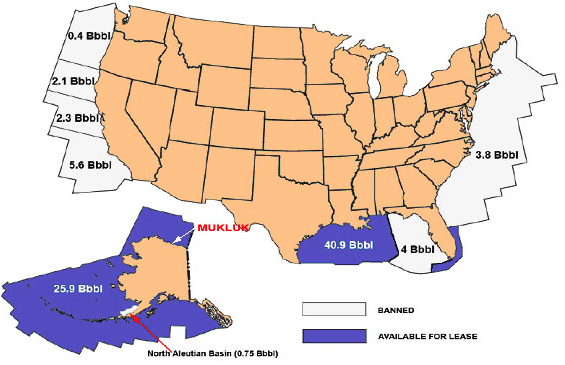
The problem is not the occupation, but how people deal with it.
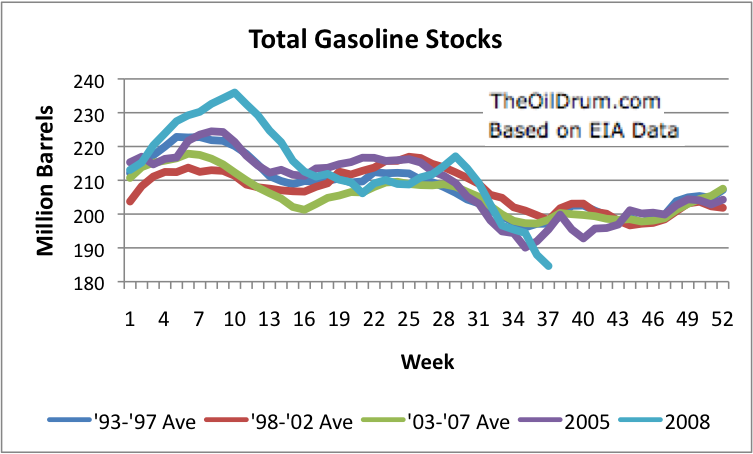
Brandstofvoorraden
In miljoenen
Ruwe Olie: 291,7 (-6,3 tov vorige week)
Benzine: 184,6 (-3,3 tov vorige week)
Olie import: 9,199 (-10,5 % tov vorig jaar)
Productie: 4,519 (-7,8 % tov vorig jaar)
Totaal aanbod: 19,880 (-4,4% tov vorig jaar)
Naar het blijkt is de benzinevoorraad het laagste sinds 1990 toen de EIA begon dit vast te leggen.
In miljoenen
Ruwe Olie: 291,7 (-6,3 tov vorige week)
Benzine: 184,6 (-3,3 tov vorige week)
Olie import: 9,199 (-10,5 % tov vorig jaar)
Productie: 4,519 (-7,8 % tov vorig jaar)
Totaal aanbod: 19,880 (-4,4% tov vorig jaar)
Naar het blijkt is de benzinevoorraad het laagste sinds 1990 toen de EIA begon dit vast te leggen.
The problem is not the occupation, but how people deal with it.
Speculaties? Voorraad nu verkopen en aanvullen als de olie nog goedkoper is?quote:Op woensdag 17 september 2008 17:42 schreef waht het volgende:
Naar het blijkt is de benzinevoorraad het laagste sinds 1990 toen de EIA begon dit vast te leggen.
censuur :O
Heeft te maken met de seizoensgebonden hogere vraag naar benzine, 'driving season'. Maar die is eigenlijk op labor day (1 sept) al afgelopen. Daarna hadden we Gustav en nu Ike. Die hebben voor een groot gedeelte de raffinage-capaciteit rond de Golf stilgelegd. Verder heeft de VS geen strategische opslag van benzine (wel van ruwe olie) dus moeten ze het doen met de commerciële voorraden.quote:Op woensdag 17 september 2008 19:51 schreef RemcoDelft het volgende:
[..]
Speculaties? Voorraad nu verkopen en aanvullen als de olie nog goedkoper is?

Benzineprijzen zitten tot nu toe ongeveer 10-30 cent onder de records van juni/juli.
http://www.eia.doe.gov/oi(...)p/mogas_history.html
En de prijs van RBOB gasoline futures blijft verder vallen.
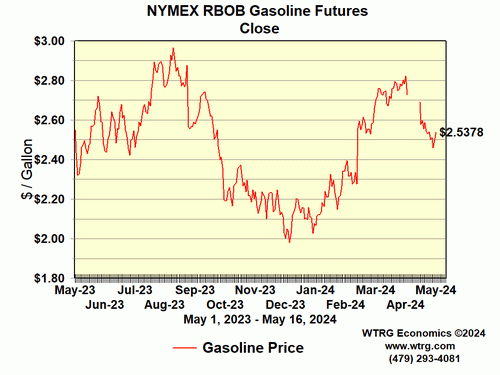
Hier de spot price van benzine.
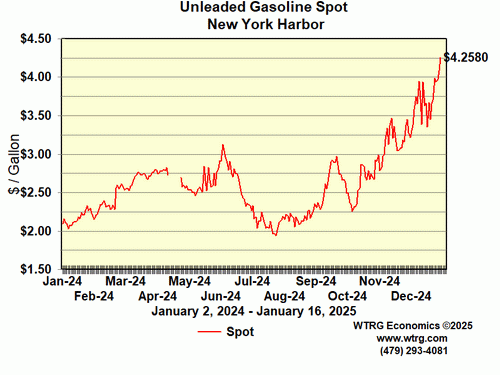
The problem is not the occupation, but how people deal with it.

Dat klopt niet hoorquote:Op vrijdag 19 september 2008 20:24 schreef waht het volgende:
[ afbeelding ]
Lekker stabiele prijs tegenwoordig.
Ik had al zo'n vermoeden. Maar dan nog, een stijging van $10 in twee dagen...quote:
The problem is not the occupation, but how people deal with it.
De dollar daalt weer...quote:Op zaterdag 20 september 2008 12:12 schreef waht het volgende:
[..]
Ik had al zo'n vermoeden. Maar dan nog, een stijging van $10 in twee dagen...
censuur :O
Olie afgelopen vrijdag gesloten op $104.
Crude climbs despite financial worries
Benzine-tekorten blijven nog steeds een probleem in de VS.
Benzineprijzen in de VS
Nashville pumps dry after panic about rumor of no gas
Gas prices remain higher in Middle Tennessee
Beaufort: Low Country gas stations out of gas
Cherokee: Gas spikes as drivers rush stations
Gasoline Supply May Fall `Substantially,' Energy Official Says
EIA Report on Hurricane Impact
'PADD' staat voor Petroleum Administration for Defense Districts, regio's waarin het land is ingedeeld voor de olie/benzine-distributie. De benzinetekorten zijn natuurlijk niet overal in het land. Bepaalde delen zitten echter aan het einde van de distributie-keten en zullen dus eerder problemen krijgen dan andere delen van het land. In Seattle, Washington, krijgen ze bijvoorbeeld genoeg olie uit Sarah Palin's staat, Alaska, en kunnen de boel zelf raffineren.
The Oil Drum; How Much Will Gustav and Ike Affect Gas Supplies?
Oil shale is a problematic fuel option
Crude climbs despite financial worries
Benzine-tekorten blijven nog steeds een probleem in de VS.
Benzineprijzen in de VS
Nashville pumps dry after panic about rumor of no gas
Gas prices remain higher in Middle Tennessee
Beaufort: Low Country gas stations out of gas
Cherokee: Gas spikes as drivers rush stations
Gasoline Supply May Fall `Substantially,' Energy Official Says
Gaat nog spannend worden.quote:``Probably the max is an 8.5 million draw in gasoline because demand is down, and it could be as low as 6.5 million'' barrels, John Duff, survey manager for the Energy Department's weekly petroleum status report, said in an interview. The report will show ``the real impact of the hurricane on the refining sector,'' he said. Supplies will fall ``substantially.''
EIA Report on Hurricane Impact
quote:So far, since refineries first shut down before Hurricane Gustav, over 36 million barrels of products have not been produced, including nearly 17 million barrels of gasoline and nearly 12 million barrels of distillate fuel. This does not include reduced production from refineries that have reduced runs at various times during Hurricanes Gustav or Ike. As of September 19, 7 refineries were running at a reduced rate. As of September 19, the Colonial and Plantation product pipelines continue to operate at reduced rates. Both of these are major product pipelines going from the Gulf Coast to the East Coast.

'PADD' staat voor Petroleum Administration for Defense Districts, regio's waarin het land is ingedeeld voor de olie/benzine-distributie. De benzinetekorten zijn natuurlijk niet overal in het land. Bepaalde delen zitten echter aan het einde van de distributie-keten en zullen dus eerder problemen krijgen dan andere delen van het land. In Seattle, Washington, krijgen ze bijvoorbeeld genoeg olie uit Sarah Palin's staat, Alaska, en kunnen de boel zelf raffineren.

The Oil Drum; How Much Will Gustav and Ike Affect Gas Supplies?
quote:There are a lot of issues that I might have mentioned, but didn't. One of the more important is the possibility that the pipeline system may be near minimum operating level, and that some sections will no longer function if the level gets too low. The areas that would seem to be most at risk are the ones at the ends or lines, or on small spur pipelines. If this should happen, residents in the areas affected areas might find themselves out of all types of refined products (including diesel and jet fuel), unless they had extra supply stored in local supply tanks. Additional supply could theoretically be trucked in, but we have a limited number of trucks for transporting fuel.
Colonial pipeline is one of the pipelines that has had difficulty with adequate supply. The supply begins in Texas/Louisiana. The areas I would expect to be most at risk are on the spur pipelines and farthest north.

Oil shale is a problematic fuel option
Saudi needs oil above $49 to avoid deficitquote:The good news is that it is plentiful. Around the world, there are thought to be roughly 3 trillion barrels of oil locked in oil shale deposits. And more than half of that is in the United States. Most of the U.S. oil shale is located in an area known as the Green River Formation, which stretches across Colorado, Utah and Wyoming. It is possible that there is more oil in these U.S. deposits of oil shale than there is oil left in "normal" crude oil deposits worldwide. In other words, oil shale could provide the United States with oil for many decades.
The bad news is that the oil in oil shale is not so easy to extract. With a normal oil well, you are tapping into an underground lake of oil. An oil company drills down to the lake and then pumps the liquid oil to the surface. This liquid crude oil can flow through pipelines directly to a refinery.
With oil shale, you start with something that looks like a rock. You dig this rock out of the ground, usually using the same kind of techniques used to mine coal. This rock obviously contains energy, because the rock burns if you light it. In some countries, oil shale rock is a fuel for power plants.
But, if you want to convert oil shale into something like gasoline or diesel fuel, you need a few more steps. The most common technique is to heat the rock to a high temperature to turn all of the oil contained in the rock into a gas. The heating is done in a container that does not contain any oxygen, so the oil won't burn. Once you cool the gas back down, much of it liquefies. This liquid is processed and refined to form different liquid fuels.
An obvious problem here is the heat. You have to do something to heat up the rock. One solution is to burn some of the oil coming out of the rock. This is easy and obvious, but it lowers the yield and creates more pollution. Another more ambitious idea uses heat from a nuclear power plant to release the oil.
In any case, after all of this processing, you end up with something like 10 to 60 gallons of shale oil from each ton of rock that you mine from the ground. The mining and processing means that the oil coming from oil shale can be relatively expensive compared to crude oil that is pumped from the ground. When oil costs $10 a barrel, oil shale does not make economic sense. But when oil is at $100 a barrel or more, oil shale has a lot of economic justification.
Even with economic viability, however, oil shale has another problem: It has a relatively large effect on the environment. Mining is not great for the environment to begin with. Then the process of heating the rock and extracting the oil creates pollution and greenhouse gas emissions. In addition, processing the oil shale can consume a lot of water. And then there is all the shale left over once the oil is extracted. Millions and millions of tons of it, and it all has to go somewhere. Often it goes right back where it came from, where there are more environmental costs involved. New techniques, like heating and extracting the oil while the shale is still in the ground, lower some of these environmental costs.
quote:Saudi Arabia, the world’s largest oil exporter, will need crude prices to remain above $49 a barrel to avoid a fiscal deficit, a senior International Monetary Fund official has said.
“If it goes below that level we would start seeing a fiscal account deficit,” Mohsin Khan, director of Middle East and central Asia at the IMF, told Dow Jones Newswires.
Oil prices have fallen drastically in the past two month, shedding over $50 in value since they hit $147 a barrel in July, raising concerns over the continued strength of Persian Gulf Arab economies.
Saudi Arabia, the Middle East largest economy, depends on oil and gas sales for 90% of its export income. “Saudi Arabia’s break-even price is the highest among the Gulf Co-operation Council Countries because they are spending on a lot of projects right now, and oil money is used to fund these projects,” he said. Further declines in oil prices could tip the region’s economies over the edge as they continue to spend heavily on infrastructure projects.
According to Middle East Economic Digest, Gulf states are spending about $2.3tn on projects.
The problem is not the occupation, but how people deal with it.
En ondertussen zo goed als $120quote:Op zondag 21 september 2008 18:01 schreef waht het volgende:
Olie afgelopen vrijdag gesloten op $104.
 De WTI op Nymex that is...
Buenos dias Tristeza
Bloombergquote:COMMODITY FUTURES
VALUE CHANGE % CHANGE
Oil 115.21 10.66 10.20
Olie futures meer dan 10% gestegen binnen een dag
It is important to distinguish between a stupid person and a shit head. A stupid person simply can't process the information , a shit head is intelligent but his mind is full of garbage.
Nu bijna 20%quote:Op maandag 22 september 2008 20:14 schreef digitaLL het volgende:
[..]
Bloomberg
Olie futures meer dan 10% gestegen binnen een dag
Van $104 naar nu $122
Edit: $125

Edit2: $127
Edit3: $128. Echt een dollar per minuut
Buenos dias Tristeza

Crude oil surges $25, or more than 23%, to $130, helped by falling dollar and shift to safe-haven assets.
Dostojewski: "Je kunt je niet van je eigen gezond verstand overtuigen door je buurman op te sluiten."
Tagesschauquote:Dramatische Ölpreissprünge
Der Ölpreis ist am Abend an der New Yorker Börse um mehr als 25 Dollar gestiegen. Ein Barrel Rohöl kostete im elektronischen Handel 130 Dollar.
Dit moet haast wel een record zijn qua stijging van de olieprija binnen een dag

It is important to distinguish between a stupid person and a shit head. A stupid person simply can't process the information , a shit head is intelligent but his mind is full of garbage.
http://biz.yahoo.com/ap/080922/oil_prices.htmlquote:Oil prices shoot up over $25 a barrel as anxiety over US bailout weighs on dollar
NEW YORK (AP) -- Oil prices spiked more than $25 a barrel Monday -- the biggest one-day price jump ever -- as anxiety over the government's $700 billion bailout plan battered the dollar and touched off frenzied buying of safe-haven investments including crude.
Dostojewski: "Je kunt je niet van je eigen gezond verstand overtuigen door je buurman op te sluiten."
Dit heeft zo ook geen fuck meer te maken of er nou wel een tekort aan olie is of niet.
Olie is een "veilig" aandeel en door de massale investeringen erin stijgt de prijs per vat ineens zo hard.
Echt belachelijk dat dit kan en mag.
Olie is een "veilig" aandeel en door de massale investeringen erin stijgt de prijs per vat ineens zo hard.
Echt belachelijk dat dit kan en mag.
Het is wel apart dat alleen het contract dat vandaag afloopt (delivery in October) zo sterk is gestegen.
October: nu $122.60
Novenber: nu $109.22
Ik denk dus dat er iets anders aan de hand is.
October: nu $122.60
Novenber: nu $109.22
Ik denk dus dat er iets anders aan de hand is.
"If you want to make God laugh, tell him about your plans"
Mijn reisverslagen
Mijn reisverslagen
Vreemd inderdaad. Zou zelfs 130 dollar aangetikt hebben... november nog altijd op 109...quote:Op maandag 22 september 2008 20:49 schreef SeLang het volgende:
Het is wel apart dat alleen het contract dat vandaag afloopt (delivery in October) zo sterk is gestegen.
October: nu $122.60
Novenber: nu $109.22
Ik denk dus dat er iets anders aan de hand is.
Het lijkt op een soort van shortsqueeze.quote:Op maandag 22 september 2008 21:36 schreef ItaloDancer het volgende:
[..]
Vreemd inderdaad. Zou zelfs 130 dollar aangetikt hebben... november nog altijd op 109...
Vandaag was de laatste dag dat het October contract verhandeld kon worden. Traders die niet fysiek de olie willen leveren or geleverd willen krijgen MOETEN hun contract op z'n laatst vandaag sluiten. Het lijkt erop dat er traders short zaten en nu tegen elke prijs contracten terug moesten kopen omdat ze anders de plicht hebben om olie te leveren die ze niet hebben.
"If you want to make God laugh, tell him about your plans"
Mijn reisverslagen
Mijn reisverslagen


Ja de zon gaat weer een beetje schijnen op Wallstreet.quote:Op maandag 22 september 2008 21:51 schreef ItaloDancer het volgende:
Wall Street gaat lekker trouwens
Lage koersen = goed voor bijna iedereen, ook voor aandeelhouders.
De afgelopen dagen hebben veel bedrijven eigen aandelen kunnen inkopen tegen lagere prijzen dan de laatste jaren mogelijk was. Daarmee is dan de waarde per aandeel gestegen, ook al is de prijs nu lager. Maar waarde komt er op lange termijn altijd uit.
"If you want to make God laugh, tell him about your plans"
Mijn reisverslagen
Mijn reisverslagen
Oh ik dacht dat ik in BB&B zat. Of nou ja dat dacht ik niet toen ik over olie postte, maar daarna vergeten. 
Overigens heb je wel gelijk, maar als je 8 - 9 jaar geleden in Amsterdam een mandje AEX kocht, het moment maakt dan wel zogenaamd niet uit, maar je zit minstens tot 2020 te wachten voordat je überhaupt de inflatie eruit hebt.
Overigens heb je wel gelijk, maar als je 8 - 9 jaar geleden in Amsterdam een mandje AEX kocht, het moment maakt dan wel zogenaamd niet uit, maar je zit minstens tot 2020 te wachten voordat je überhaupt de inflatie eruit hebt.
De waarde is in die 8-9 jaar enorm gestegen. Alleen is de prijs nu lager.quote:Op maandag 22 september 2008 22:11 schreef ItaloDancer het volgende:
Oh ik dacht dat ik in BB&B zat. Of nou ja dat dacht ik niet toen ik over olie postte, maar daarna vergeten.
Overigens heb je wel gelijk, maar als je 8 - 9 jaar geleden in Amsterdam een mandje AEX kocht, het moment maakt dan wel zogenaamd niet uit, maar je zit minstens tot 2020 te wachten voordat je überhaupt de inflatie eruit hebt.
Iemand die in 2000 de AEX kocht heeft bij voorbaat een heel laag rendement geaccepteerd door op zulke astronomisch hoge waarderingen te kopen.
Maar goed, dit is dus een olie topic
"If you want to make God laugh, tell him about your plans"
Mijn reisverslagen
Mijn reisverslagen
Idd, een of andere grote investeerder had geen andere keus.quote:Op maandag 22 september 2008 21:48 schreef SeLang het volgende:
[..]
Het lijkt op een soort van shortsqueeze.
Vandaag was de laatste dag dat het October contract verhandeld kon worden. Traders die niet fysiek de olie willen leveren or geleverd willen krijgen MOETEN hun contract op z'n laatst vandaag sluiten. Het lijkt erop dat er traders short zaten en nu tegen elke prijs contracten terug moesten kopen omdat ze anders de plicht hebben om olie te leveren die ze niet hebben.
Toch is olie alweer beetje bij beetje omhoog aan het kruipen; $109 voor het november contract.
Lang artikel, maar ik ben het roerend eens met de beste man, Matt Simmons.
Here comes $500 oil
Ik zou zeggen, Matt Simmons for President.quote:If Matt Simmons is right, the recent drop in crude prices is an illusion - and oil could be headed for the stratosphere. He's just hoping we can prevent civilization from imploding.
(Fortune Magazine) -- Matt Simmons is as perplexed as anyone that it has fallen to him to take on OPEC, Exxon, the Saudis, and all the other misguided defenders of conventional wisdom in the oil patch. Why should one investment banker with a penchant for research be required to point out what he regards as the obvious - that from here on out, oil supplies can't meet demand, and if we don't act soon to solve this crisis, World War III could be looming?
Why should a man who scorns most environmentalists have to argue that locally grown produce and wind power are the way of the future? Why should a lifelong Republican need to be the one to point out that his party's new mantra - "Drill, baby, drill!" - won't really fix anything and that his party's presidential candidate is clueless about energy? That the spike in oil prices earlier this year wasn't a temporary market anomaly and the recent retreat in prices is just a misleading calm before a calamitous storm? That we're headed toward $500-a-barrel oil?
[..]
And so he did. But writing the book didn't exhaust his passion. Today he is more convinced than ever that we've reached peak oil. If he's right, current world oil production- 86 million barrels a day- is about as high as we're going to go.
[..]
No one disputes that oil production will top out some day. It is, after all, a finite resource. The argument is about how far off the peak is. As Simmons and others point out, many of the world's largest oilfields - Prudhoe Bay, the North Sea - have already gone into decline. The most optimistic estimate for the average depletion rate of the world's currently producing oilfields is between 4% and 5% annually, or about four million barrels per day at our current rate of production. That means that each year we must find enough new oil to first replace those four million barrels of lost daily production before we even add enough to meet new demand. This is all the more worrisome because world oil discovery of new reserves has been slowing since the mid-20th century.
[..]
Earlier this year Abdallah Jum'ah, CEO of Saudi Aramco, the kingdom's national oil company, called peak oil "a myth." The multinational oil giants are only slightly less optimistic. While they acknowledge that crude is getting harder to find and produce and that so-called unconventional oil (like natural-gas liquids) will be increasingly important, they don't think a peak is imminent either. Exxon Mobil (XOM, Fortune 500) has run ads that dismiss peak oil as a far-off problem. This summer Tony Hayward, BP's (BP) chief executive, bet a peakist that oil production in 2018 will be higher than it is today. "It's unbelievable," says Simmons. "These guys don't even understand their own business."
One difficulty in assessing the situation is the lack of transparent information about oil production and reserves, particularly in OPEC countries. Back in the 1980s, after OPEC decided to base its production quotas on reserve figures, several of the cartel's producers abruptly raised their claims of "proven reserves" by 40% or more. Saudi Arabia, for instance, raised its proven-reserve figure from 170 billion barrels to about 260 billion in 1988. Amazingly, that figure has stayed more or less constant since then - even as billions of barrels have been pumped out of the ground. "We need to send in the audit troops," says Simmons regularly in his speeches. "The major oilfields of the world need to be invaded by third-party inspectors so that we can figure out how bad things are and deal with it."
[..]
John McCain is energy illiterate," Simmons is saying. "He's just witless about this stuff. As a lifelong Republican, I'm supporting Obama." A dozen oil and gas men sitting around a conference table in Lafayette, La., chuckle nervously as he continues. "McCain says, 'Oh, we're going to wean ourselves off foreign oil in four years and build 45 nuclear plants by 2030.' He doesn't have a clue."
[..]
McCain's midsummer move to begin campaigning on a platform of more offshore drilling has only hardened Simmons's position. "What a hypocrite," says Simmons, who supported McCain's rival Mitt Romney in the primary - no surprise given Simmons's history with the Romney family. "Here's a man who for at least the past 15 years has strenuously, I mean strenuously, opposed offshore drilling. And now it's 'drill, drill, drill.' And he doesn't have any idea that we don't have any drilling rigs. Or that we don't have any idea of exactly where to drill." (As for McCain's running mate, Sarah Palin, Simmons says: "She's a very colorful person, but I don't think there's a scrap of evidence that she knows anything about energy.")
[..]
Simmons believes that a radical change in the way we live is inevitable. "We should basically be going back to creating a village economy, so that we really reduce the energy intensity of how we live," he says. "We need bigtime conservation, not feel-good conservation. Make things where they're used. You'll end long-distance commuting, and we have the tools to do that now with webcams. Grow food locally. Grow food in your backyard. If they're not commuting, people will have time to do that."
[..]
On the way out, I asked Simmons if seeing the lab made his virtual institute feel more real. "Oh, yeah, very impressive," he said. "But we need to compress the time frame - 2020 is way too far out. That plan is fine assuming that we go along like we are now, and everything is okay in the world. But it's not going to be okay. We're going to need this stuff much sooner."

The problem is not the occupation, but how people deal with it.
omdat die 'matt simons' toevallig zegt wat jij de hele tijd hard loopt te denken?
nee sorry, maar als de prijsontwikkeling nu juist iets bewijst is dat de marktprijsontwikkeling verdomd weinig nog met daadwerkelijk aanbod en vraag te maken heeft maar dat allerhande effecten van de markt, zoals het 'aflopen van short-contracten' er een veel grotere invloed op hebben...
Uiteindelijk is het wel een ontzettend groot nadeel voor de aantrekkelijkheid van olie deze ongezonde prijsfluctuaties, maar dat is dan weer zelf een voordeel voor eventuele investeringen in aanpassingen van de energie-voorziening, waardoor de economie steeds onafhankelijker van olie wordt ...
dat is overigens al een aspect dat allang aan de gang is.... de afhankelijkheid van olie voor energie is stukken minder dan in de 70'er jaren: er bestaan veel meer energie-alternatieven die zeer kosten-efficient zijn en marktgedrag op de oliemarkt als die nu plaats vind versterkt enkel het voordeel daarvan....
Uitspraken als
nee sorry, maar als de prijsontwikkeling nu juist iets bewijst is dat de marktprijsontwikkeling verdomd weinig nog met daadwerkelijk aanbod en vraag te maken heeft maar dat allerhande effecten van de markt, zoals het 'aflopen van short-contracten' er een veel grotere invloed op hebben...
Uiteindelijk is het wel een ontzettend groot nadeel voor de aantrekkelijkheid van olie deze ongezonde prijsfluctuaties, maar dat is dan weer zelf een voordeel voor eventuele investeringen in aanpassingen van de energie-voorziening, waardoor de economie steeds onafhankelijker van olie wordt ...
dat is overigens al een aspect dat allang aan de gang is.... de afhankelijkheid van olie voor energie is stukken minder dan in de 70'er jaren: er bestaan veel meer energie-alternatieven die zeer kosten-efficient zijn en marktgedrag op de oliemarkt als die nu plaats vind versterkt enkel het voordeel daarvan....
Uitspraken als
zijn wat mij beteft een teken van iemand met een zeer zwak verstand ...we leven hier niet in en communistische maatschappij waarbij de 'manier waarop mensen leven' kennelijk van bovenaf bepaald kan worden en ik denk niet dat dat een idee is waarnaar we moeten strevenquote:"We should basically be going back to creating a village economy, so that we really reduce the energy intensity of how we live,"
"Whatever you feel like: Life’s not one color, nor are you my only reader" - Ausonius, Epigrammata 25
Dat was slechts de prijs voor een paar uur. Nu is deze alweer 'stabiel'. Natuurlijk gaat het nu wel om vraag en aanbod. Misschien niet op de laatste handelsdag van een bepaald contract en andere specifieke momenten, nu wel. Als er geen olie gebruikt zou worden, kunnen speculanten doen wat ze willen, de prijs zal vallen. Maar dat gebeurt niet, omdat we wél olie gebruiken, op grote schaal. Het prijsmechanisme werkt in principe prima, afgezien van de volatiliteit door talloze redenen.quote:Op dinsdag 23 september 2008 11:04 schreef RM-rf het volgende:
omdat die 'matt simons' toevallig zegt wat jij de hele tijd hard loopt te denken?
nee sorry, maar als de prijsontwikkeling nu juist iets bewijst is dat de marktprijsontwikkeling verdomd weinig nog met daadwerkelijk aanbod en vraag te maken heeft maar dat allerhande effecten van de markt, zoals het 'aflopen van short-contracten' er een veel grotere invloed op hebben...
Investeringen in alternatieve energie zijn nooit echt groot geweest. Zeker niet nu de prijs is 'gekeldert' en men denkt dat alles weer koek en ei is. Verreweg het grootste deel van onze energie halen we nog altijd uit olie, in totalen meer dan in 1970, in procent misschien wat minder.quote:Uiteindelijk is het wel een ontzettend groot nadeel voor de aantrekkelijkheid van olie deze ongezonde prijsfluctuaties, maar dat is dan weer zelf een voordeel voor eventuele investeringen in aanpassingen van de energie-voorziening, waardoor de economie steeds onafhankelijker van olie wordt ...
dat is overigens al een aspect dat allang aan de gang is.... de afhankelijkheid van olie voor energie is stukken minder dan in de 70'er jaren: er bestaan veel meer energie-alternatieven die zeer kosten-efficient zijn en marktgedrag op de oliemarkt als die nu plaats vind versterkt enkel het voordeel daarvan....
Das wel erg makkelijk om iemand af te schrijven. Bovendien zegt hij nergens dat hij mensen wil gaan dwingen dat te doen. Hij weet ook wel dat dat niet gaat lukken. Wat hij bedoelt is dat die vorm van leven (met minder energie-verspilling) de enige duurzame is, zonder olie.quote:Uitspraken als
[..]
zijn wat mij beteft een teken van iemand met een zeer zwak verstand ...we leven hier niet in en communistische maatschappij waarbij de 'manier waarop mensen leven' kennelijk van bovenaf bepaald kan worden en ik denk niet dat dat een idee is waarnaar we moeten streven
Ik vind bovendien dat het zeker wel de manier is waarnaar we moeten streven. Het antwoord is sowieso niet méér energie dan nu. Jij denkt blijkbaar dat er genoeg energie is om gewoon door te gaan met de huidige levensstijl. Ik denk dat dit niet zo is. Jij denkt dat de technologie wel iets zal verzinnen. Ik denk dat ook daar limieten aan zitten.
Maar we zullen snel genoeg zien wie gelijk had. Als de cijfers van de Saudis (en de andere Persische Golf-landen) onzin zijn piekt de productie tussen nu en 2012.
The problem is not the occupation, but how people deal with it.
En heeft gisteren iemand tegellicht gezien. Energy wars.
OA over de ontwikkelingen in rusland als wel of niet betrouwbare energie leverancier voor europa (20% van het gas in europa komt daar vandaan)
Thomas friedman die afgeeft tegen de overheid en wel in de vrije markt vertrouwd dat wij de komende energie tekorten met zijn allen gaan oplossen maar niet moeten vertrouwen op overheden.
Willem middekoop met doom scenario's
De SHELL die 2 verschillende scenarios schets.
Was weer intresant om te zien.
OA over de ontwikkelingen in rusland als wel of niet betrouwbare energie leverancier voor europa (20% van het gas in europa komt daar vandaan)
Thomas friedman die afgeeft tegen de overheid en wel in de vrije markt vertrouwd dat wij de komende energie tekorten met zijn allen gaan oplossen maar niet moeten vertrouwen op overheden.
Willem middekoop met doom scenario's
De SHELL die 2 verschillende scenarios schets.
Was weer intresant om te zien.
Dat die cijfers onzin zijn ga ik wel vanuit. De reserves van een land kunnen niet plotseling 40% stijgen en daarna jarenlang gelijk blijven zonder nieuwe megavelden te hebben gevonden.quote:Op dinsdag 23 september 2008 11:23 schreef waht het volgende:
Das wel erg makkelijk om iemand af te schrijven. Bovendien zegt hij nergens dat hij mensen wil gaan dwingen dat te doen. Hij weet ook wel dat dat niet gaat lukken. Wat hij bedoelt is dat die vorm van leven (met minder energie-verspilling) de enige duurzame is, zonder olie.
Ik vind bovendien dat het zeker wel de manier is waarnaar we moeten streven. Het antwoord is sowieso niet méér energie dan nu. Jij denkt blijkbaar dat er genoeg energie is om gewoon door te gaan met de huidige levensstijl. Ik denk dat dit niet zo is. Jij denkt dat de technologie wel iets zal verzinnen. Ik denk dat ook daar limieten aan zitten.
Maar we zullen snel genoeg zien wie gelijk had. Als de cijfers van de Saudis (en de andere Persische Golf-landen) onzin zijn piekt de productie tussen nu en 2012.
Ik denk wel dat technologie een oplossing had kunnen zijn maar dat we daar veel te laat mee zijn. Er is veel te weinig alternatieve energie op dit moment, en als de olieprijs verder stijgt zijn er ook veel minder middelen om daar grootschalig in te investeren omdat als er minder energie is er recessie zal volgen.
En dan is die manier van leven inderdaad de enige duurzame.. Als er minder energie voor handen zal zijn is het logisch dat alles veel lokaler zal moeten gebeuren. Zeker omdat juist transport bijna volledig afhankelijk is van olie.
Voorraden zijn altijd een functie van prijs.
Met olie >$100 zijn opeens een hoop onrendabele velden rendabel geworden. Als de olieprijs verder stijgt naar bijv $200 dan wordt dat nog veel meer. Daardoor kan 'peak oil' wel eens wat verder weg liggen dan velen denken. Oliemaatschappijen rekenen nu nog steeds met $60 olie ofzo. Maar als men ervan overtuigd is dat de hoge olieprijs blijvend is dan zullen er meer investeringen komen in velden die voorheen niet rendabel waren. Zal overigens wel even duren voordat dat online komt.
Met olie >$100 zijn opeens een hoop onrendabele velden rendabel geworden. Als de olieprijs verder stijgt naar bijv $200 dan wordt dat nog veel meer. Daardoor kan 'peak oil' wel eens wat verder weg liggen dan velen denken. Oliemaatschappijen rekenen nu nog steeds met $60 olie ofzo. Maar als men ervan overtuigd is dat de hoge olieprijs blijvend is dan zullen er meer investeringen komen in velden die voorheen niet rendabel waren. Zal overigens wel even duren voordat dat online komt.
"If you want to make God laugh, tell him about your plans"
Mijn reisverslagen
Mijn reisverslagen
Thanks, die ga ik dadelijk even kijken (online)quote:Op dinsdag 23 september 2008 11:55 schreef Basp1 het volgende:
En heeft gisteren iemand tegellicht gezien. Energy wars.
"If you want to make God laugh, tell him about your plans"
Mijn reisverslagen
Mijn reisverslagen
en dat noem je snel?quote:Op dinsdag 23 september 2008 11:23 schreef waht het volgende:
Maar we zullen snel genoeg zien wie gelijk had. Als de cijfers van de Saudis (en de andere Persische Golf-landen) onzin zijn piekt de productie tussen nu en 2012.
man, die column geschreven op een prijsontwikkeling die in een halve dag plaatsvind en dat wil je direkt gaan verbinden met een aanbod-effect dat we 'zullen merken' in 5 jaar ?
Alles leuk en aardig, maar het 'pieken' van de olieproductie is ook niet iets dat je op het moment van en piek direkt zult merken en pas achteraf aantoonbaar kan zijn als je daadwerkelijk macro-effecten kunt traceren op bv grafieken van productie-ontwikkeling...
verder, het zou een absoluut unicum zijn als er daadwerkelijk een piek zou ontstaan door een echte 'onmogelijkheid' te winnen...
de meeste pieken in bv productie van grondstoffen ontstaan vooral doordat alternatieven relatief gunstiger worden en veelal ook beter winbaar of andere voordelen blijken te hebben, hierdoor daalt de afhankelijkheid van een bepaalde grondstof
er is een algemeen bekend effect bij natuurlijke grondstoffen dat de prijs hiervan na een eventuele piek juist verder daalt... dat is ook zo bij bv kolen dat de voorganger was van olie als 'energie-grondstof', en allle grondstoffen die in de voorgaande geschiedenis de 'hoofddrager' waren van de economische vooruitgang.
Er bestaat overigens helemaal niet waarnaar we moeten 'streven' behalve dat de mens bepaalde financiele en economische mogelijkheden heeft en het een evolutionair proces is dat die volkeren het verste komen (of domweg hun voortbestaan kunnen verzekeren) die effectief het best gebruik maken van hun toegang tot bepaalde grondstoffen of productie-markten
"Whatever you feel like: Life’s not one color, nor are you my only reader" - Ausonius, Epigrammata 25
Dit vind ik wel een leuke alinea om over door te gaan. Want het is leuk gezegd dat de prijs van kolen daalde toen de energiedrager rol door olie werd overgenomen.quote:Op dinsdag 23 september 2008 12:35 schreef RM-rf het volgende:
verder, het zou een absoluut unicum zijn als er daadwerkelijk een piek zou ontstaan door een echte 'onmogelijkheid' te winnen...
de meeste pieken in bv productie van grondstoffen ontstaan vooral doordat alternatieven relatief gunstiger worden en veelal ook beter winbaar of andere voordelen blijken te hebben, hierdoor daalt de afhankelijkheid van een bepaalde grondstof
er is een algemeen bekend effect bij natuurlijke grondstoffen dat de prijs hiervan na een eventuele piek juist verder daalt... dat is ook zo bij bv kolen dat de voorganger was van olie als 'energie-grondstof', en allle grondstoffen die in de voorgaande geschiedenis de 'hoofddrager' waren van de economische vooruitgang.
Wat gaat dan de energie drager van de toekomst worden? Het probleem is mijn inziens dat het geen natuurlijke drager meer is maar een gefabriceerde drager. Die energie drager moeten we gaan produceren, ik zie ons als mensheid nog niet in staat om zoveel effort hierin te steken dat dit voor een normale economische verlopende transitie gaat zorgen.
Een probleem in onze huidige economieen is dat bedrijven voornamenlijk in het kader van de aandeelhouders en boekhouders metaliteit korte termijn investeringen doen. Voor een transitie naar een nieuw systeem zullen grote lange termijn investeringen gedaan moeten worden. Dat zie ik een huidig energie bedrijf totaal niet doen.
Als we gewoon naar de nederlandse praktijk kijken daar willen onze electriciteitsproducenten gewoon nog 2 kolencentrales de grond uit stampen terwijl ook de energie bedrijven weten dat kolen net zo goed als olie een eindige resource is. Als men dat geld voor de centrales eens in zonnecentrales in afrika ergens investeerd dan zou ik tenminste een toekomst visie van die bedrijven zien, maar dat zien we nu totaal niet.
Van de shell weet ik dat hun als doelstelling hebben dat een bepaald percentage van hun omzet in 2020 uit duurzame energie moet bestaan.
dat is een vraag die heus niet beantwoord wordt in internet-fora bij discussies tussen anonieme reageerders....quote:Op dinsdag 23 september 2008 12:59 schreef Basp1 het volgende:
Wat gaat dan de energie drager van de toekomst worden?
hooguit kan iedereen daar zo zn gedachten over hebben en dat uitten (persoonlijk lijkt het me voordelig als er geen afhankelijkheid van één grondstof komt maar men daarin juist flexibeler wordt ... tevens bestaat er natuurlijk ook een probleem omtrend de afhankelijkheid van plastics en polymeren, warvoor net zo goed veel olie nodig is, mogelijk een heikeler probleem dan de kwestie van de energievoorziening)
het is echter verder gewoon en gegeven dat zal ontstaan door verdere innovatie van bestaande technieken en natuurlijk... iedere verdere technologische innovatie bouwt nu net weer nieuwe afhankelijkheden in... maar dat is eigen aan de mensheid en begonnen vanaf het moment dat er 'culturen' ontstonden die op basis van gecultiveerde' productietechnieken in hun voedselvoorziening gingen voorzien (rond 10.000 v chr. , wat samengaat met het ontstaan van georganiseerde religie-vormen, de uitvinding van de landbouw en bv ook die van het schrift en het ontstaan van vaste nederzettingen e.d.)
als je nu bv een kolencentale bouwt valt heel goed te berkenen hoeveel opbrengst dat je geeft en in hoeverre investeringen maar ook bv uitstoot opweegt tegen andere alternatieven...
persoonlijk zou ik vermoeden dant een kolencentale in nederland op basis van moderne technieken stukken milieuvriendelijker, efficienter en een betere garantie is op het terugwinnen van je initiele investering dan dat geld te besteden aan een onduidelijke zonne-installatie in afrika (wat waarschijnlijk het geld over de balk smijten zal blijken te zijn... )
vast leuk om uit een soort van 'principe' zulke ideeen aan te halen, maar veel realsime zit er niet achter en dan heb ik meer vertrouwen in juist die marktwerking van een bedrijfsopzet die domweg de verantwoordelijkheid tegenover andeelhouders hebben om gedane investeringen ook weer terug te winnen.... (en nee, ik ben geen groot gelover in marktwerking tegen alles in, of een vrijemarkt-utopist)
als je juist bv kijkt naar politici is wat die doen eerder 'kortetermijns-politiek' ... die kijken gewoonweg niet verder dan de eerstvolgende verkiezingen en daarom kan het inplannen van beleid _verder_ dan de periode tot de eerstvolgende verkizeingen een groot probleem zijn op een vanuit de politiek bedachte beleidsvorming...
Bij bv beleidsvorming ligt het grootste problem niet zozeer in de marktwerking , maar vooral dat de politiek en dusdanige machtige factor is die vooral naar korte-termijnseffecten kijkt en drijft op dom populisme, zonder daadwerklijke evaluatie achteraf.
recente pogingen tot deregulering zijn mijns inziens ook zeer slecht doorgevoerd en hebben veel negatieve effecten (op bv nationaal gebied, binnen de nederlandse of europese energie-markt), maar niet eens zozeer door teveel marktwerking... eerder dat de deregulering zo is doorgevoerd dat de markten nog altijd niet veel vrijer zijn, enkel de vroegere collectief functionerende bedrijven hun macht behouden hebben maar nu ook de direkte winsten makkelijk kunnen 'wegsluizen' (waarbij de politici die de besluitvoering toendertijd omtrend die deregulering doorgevoerd hebben, ook kunnen profiteren)
[ Bericht 6% gewijzigd door RM-rf op 23-09-2008 13:41:20 ]
"Whatever you feel like: Life’s not one color, nor are you my only reader" - Ausonius, Epigrammata 25
Uiteraard zorgt een hogere olieprijs voor meer wil van bedrijven om meer olie te winnen die voorheen niet rendabel was. Dan zijn er echter twee probleempunten. Ten eerste is er ergens het moment dat de fysieke limieten een rol gaan spelen. Ten tweede is er het moment dat je meer energie gaat verbruiken om de olie eruit te halen, dan de olie die je eruit haalt bevat. In dat geval heeft de samenleving er als geheel niet veel baat bij tenzij de daarvoor gebruikte energiebron zo goedkoop en in grote getalen aanwezig is dat we geen probleem hebben met het feit dat we die energie in principe 'omzetten' in de olie die we winnen.quote:Op dinsdag 23 september 2008 12:07 schreef SeLang het volgende:
Met olie >$100 zijn opeens een hoop onrendabele velden rendabel geworden. Als de olieprijs verder stijgt naar bijv $200 dan wordt dat nog veel meer. Daardoor kan 'peak oil' wel eens wat verder weg liggen dan velen denken. Oliemaatschappijen rekenen nu nog steeds met $60 olie ofzo. Maar als men ervan overtuigd is dat de hoge olieprijs blijvend is dan zullen er meer investeringen komen in velden die voorheen niet rendabel waren. Zal overigens wel even duren voordat dat online komt.
Waar heb je het over? Welke column? Als je dat artikel over '$500 olie' bedoelt die ik postte. Dat heeft niets te maken met de olieprijs-spike van gister. Dat artikel is daarvoor geschreven. Ik probeer die spike helemaal niet met de komende olietekorten in verband te brengen. Het heeft er zelfs totaal niks mee te maken.quote:Op dinsdag 23 september 2008 12:35 schreef RM-rf het volgende:
[..]
en dat noem je snel?
man, die column geschreven op een prijsontwikkeling die in een halve dag plaatsvind en dat wil je direkt gaan verbinden met een aanbod-effect dat we 'zullen merken' in 5 jaar ?
Klopt. Ik beweer ook niet anders. Daarom kunnen we alleen maar afwachten en achteraf analyseren.quote:Alles leuk en aardig, maar het 'pieken' van de olieproductie is ook niet iets dat je op het moment van en piek direkt zult merken en pas achteraf aantoonbaar kan zijn als je daadwerkelijk macro-effecten kunt traceren op bv grafieken van productie-ontwikkeling..
In het verleden behaalde resultaten bieden geen garantie voor de toekomst. Het zal best zijn dat de prijs van aardkool zakte na het toenemen van gebruik van aardgas en/of aardolie. Zeker aangezien de eigenschappen van die twee laatste veel voordeliger zijn in het gebruik ervan. Maar dan moet er dus na aardolie/aardgas iets anders komen. De vraag is wat. Prima dat je optimistisch bent over de toekomst, maar alleen als je dat wat beter kan onderbouwen hou je jezelf niet voor de gek.quote:verder, het zou een absoluut unicum zijn als er daadwerkelijk een piek zou ontstaan door een echte 'onmogelijkheid' te winnen...
de meeste pieken in bv productie van grondstoffen ontstaan vooral doordat alternatieven relatief gunstiger worden en veelal ook beter winbaar of andere voordelen blijken te hebben, hierdoor daalt de afhankelijkheid van een bepaalde grondstof
er is een algemeen bekend effect bij natuurlijke grondstoffen dat de prijs hiervan na een eventuele piek juist verder daalt... dat is ook zo bij bv kolen dat de voorganger was van olie als 'energie-grondstof', en allle grondstoffen die in de voorgaande geschiedenis de 'hoofddrager' waren van de economische vooruitgang.
Nee oke, ik bedoelde natuurlijk 'wat ik vind waarnaar we moeten streven'. Daarnaast vind ik het huidige gebruik van aardolie niet echt de effectiefste.quote:Er bestaat overigens helemaal niet waarnaar we moeten 'streven' behalve dat de mens bepaalde financiele en economische mogelijkheden heeft en het een evolutionair proces is dat die volkeren het verste komen (of domweg hun voortbestaan kunnen verzekeren) die effectief het best gebruik maken van hun toegang tot bepaalde grondstoffen of productie-markten
quote:“Considering the many productive uses of petroleum, burning it for fuel is like burning a Picasso for heat.”
—Big Oil Executive
The problem is not the occupation, but how people deal with it.
De techniek zal ons redden bedoel je? Dat is wel erg vaag. De techniek kan bovendien geen energie creëren. De mens heeft nog nooit energie gecreërd. Maarja, ik wacht met smart op de nieuwe technologie die mijn auto kan laten bewegen, het liefst ook nog een beetje goedkoop.quote:Op dinsdag 23 september 2008 13:33 schreef RM-rf het volgende:
het is echter verder gewoon en gegeven dat zal ontstaan door verdere innovatie van bestaande technieken en natuurlijk... iedere verdere technologische innovatie bouwt nu net weer nieuwe afhankelijkheden in... maar dat is eigen aan de mensheid en begonnen vanaf het moment dat er 'culturen' ontstonden die op basis van gecultiveerde' productietechnieken in hun voedselvoorziening gingen voorzien (rond 10.000 v chr. , wat samengaat met het ontstaan van georganiseerde religie-vormen, de uitvinding van de landbouw en bv ook die van het schrift en het ontstaan van vaste nederzettingen e.d.)
Dus je bent bereid te vertrouwen op de marktwerking om die maar te laten komen met de nieuwe energiebron van de toekomst?quote:vast leuk om uit een soort van 'principe' zulke ideeen aan te halen, maar veel realsime zit er niet achter en dan heb ik meer vertrouwen in juist die marktwerking van een bedrijfsopzet die domweg de verantwoordelijkheid tegenover andeelhouders hebben om gedane investeringen ook weer terug te winnen.... (en nee, ik ben geen groot gelover in marktwerking tegen alles in, of een vrijemarkt-utopist)
Je vertrouwt dus op iets wat er nog niet is, maar het is er wel degelijk. Sorry hoor, maar daar kan ik dus echt niks mee. Dat is het hele probleem hier. Je lijkt niet te kunnen zeggen wat die energiebron van de toekomst nou wordt, maar je bent er wel zeker van dat deze er komt, en ook nog eens een alternatief is voor aardolie. Zie je niet hoe raar dat klinkt?
The problem is not the occupation, but how people deal with it.
als je dacht dat je auto kon rijden zonder dat technologische inovatie je daartoe de mogelijkheid in de eerste plaats geboden heeft, mis je ergens wat ....
jouw hele leven, en dat van 99,9% van alle mensen op deze planeet (ja zelfs in de meest achteraf liggende gebieden muv. die volkeren die kennelijk nooit gecultiveerde technieken ontwikkeld hebben als landbouw) is gebaseerd op die voortdurende technologische innovatie..
en wil de mens zijn voortbestaan verzekeren is hij ook per definitie afhankelijk van een voortdurend verdergaande ontwikkeling... dat te willen ontkennen is domweg essentuiele eigenschap van de 'cultuur'-basis van het menselijk bestaan niet willen zien (ik gebruid aar de term 'cultuur' in de vorm van het tegengestelde van 'natuur': "In brede zin wordt het gebruikt voor 'alles wat door de samenleving wordt voortgebracht'. 'Cultuur' wordt dan tegenover 'natuur' gesteld.")..
er bestaat helemaal geen alternatief of van die denkwijzes zoals die oppervlakkige column van die Simmons-agast die beschreef dat "We should basically be going back to creating a village economy, so that we really reduce the energy intensity of how we live"..
Er _is_ helmaal geen weg terug, tenzij je terugwil in de tijd en daadwerkelijk je levenswijze geheel opgeven (en bovendien, ook anderen dwingen dat te doen, anders heeft het nog geen enkel effect ook)
Nogmaals, het grote verschil is dat jij kennelijk denkt dat er iets maakbaars zou zijn en dat je op individueel niveau iets 'zou kunnen doen' door 'je levenswijze aan te passen (en vooral opeens dingen op te geven die momenteel tot de natuurlijke verworvenheden van mensen behoren, grote mobiliteit en flexibiliteit)..... juist dat is weinig reeel, zonder verder negatief erover te willen doen .
sterker nog, ik ben juist wel positief en probeer uit te leggen dat iedere 'krapte' ook juist de voorwaarde vormt voor technologische innovatie... technologische voorsprong wordt vooal geschapen door gemeenschappen die uit hun nadelen juist hun voordelen behalen...
niet voor niks zijn het juist veelal de meest grondstofrijkste gebieden die verschrikkelijk arm zijn (neem afrika, de grootste problemen hangen daar direkt samen met grote beschikbaarheid van natuurlijke grondstoffen, mineralen, olie of ivoor) en zijn het gebieden met slechte geografische omstandigheden of een koimaat dat niet direkt voordelig is waar de meeste technologsiche vooruitgang geboekt wordt
[ Bericht 45% gewijzigd door RM-rf op 23-09-2008 14:26:40 ]
jouw hele leven, en dat van 99,9% van alle mensen op deze planeet (ja zelfs in de meest achteraf liggende gebieden muv. die volkeren die kennelijk nooit gecultiveerde technieken ontwikkeld hebben als landbouw) is gebaseerd op die voortdurende technologische innovatie..
en wil de mens zijn voortbestaan verzekeren is hij ook per definitie afhankelijk van een voortdurend verdergaande ontwikkeling... dat te willen ontkennen is domweg essentuiele eigenschap van de 'cultuur'-basis van het menselijk bestaan niet willen zien (ik gebruid aar de term 'cultuur' in de vorm van het tegengestelde van 'natuur': "In brede zin wordt het gebruikt voor 'alles wat door de samenleving wordt voortgebracht'. 'Cultuur' wordt dan tegenover 'natuur' gesteld.")..
er bestaat helemaal geen alternatief of van die denkwijzes zoals die oppervlakkige column van die Simmons-agast die beschreef dat "We should basically be going back to creating a village economy, so that we really reduce the energy intensity of how we live"..
Er _is_ helmaal geen weg terug, tenzij je terugwil in de tijd en daadwerkelijk je levenswijze geheel opgeven (en bovendien, ook anderen dwingen dat te doen, anders heeft het nog geen enkel effect ook)
Nogmaals, het grote verschil is dat jij kennelijk denkt dat er iets maakbaars zou zijn en dat je op individueel niveau iets 'zou kunnen doen' door 'je levenswijze aan te passen (en vooral opeens dingen op te geven die momenteel tot de natuurlijke verworvenheden van mensen behoren, grote mobiliteit en flexibiliteit)..... juist dat is weinig reeel, zonder verder negatief erover te willen doen .
sterker nog, ik ben juist wel positief en probeer uit te leggen dat iedere 'krapte' ook juist de voorwaarde vormt voor technologische innovatie... technologische voorsprong wordt vooal geschapen door gemeenschappen die uit hun nadelen juist hun voordelen behalen...
niet voor niks zijn het juist veelal de meest grondstofrijkste gebieden die verschrikkelijk arm zijn (neem afrika, de grootste problemen hangen daar direkt samen met grote beschikbaarheid van natuurlijke grondstoffen, mineralen, olie of ivoor) en zijn het gebieden met slechte geografische omstandigheden of een koimaat dat niet direkt voordelig is waar de meeste technologsiche vooruitgang geboekt wordt
[ Bericht 45% gewijzigd door RM-rf op 23-09-2008 14:26:40 ]
"Whatever you feel like: Life’s not one color, nor are you my only reader" - Ausonius, Epigrammata 25
Wist ik wel hoor. Ben ik ook dankbaar voor.quote:Op dinsdag 23 september 2008 14:00 schreef RM-rf het volgende:
als je dacht dat je auto kon rijden zonder dat technologische inovatie je daartoe de mogelijkheid in de eerste plaats geboden heeft, mis je ergens wat ....
Maar zoals ik al zei. Technologie creërt geen energie. Technologie zet een bepaalde vorm van energie om in de andere. Bij deze omzetting gaat altijd wat energie verloren. Nieuwe 'technologische innovatie' zorgt er meestal alleen maar voor dat we sneller energie om kunnen zetten dan vroeger. We gebruiken echter nog altijd fossiele brandstoffen voor het grootste gedeelte van onze behoefte. Hadden we onze samenleving gebouwd rondom direct zonlicht zou het een ander verhaal zijn geweest. Zonlicht is immers vrijwel oneindig (met nadruk op 'vrijwel'). Maar dat hebben we niet gedaan. We zijn aan de fossiele brandstoffen begonnen en zijn er koning in om het zo snel mogelijk om te zetten in 'nuttige' arbeid/energie/wat dan ook.quote:jouw hele leven, en dat van 99,9% van alle mensen op deze planeet (ja zelfs in de meest achteraf liggende gebieden muv. die volkeren die kennelijk nooit gecultiveerde technieken ontwikkeld hebben als landbouw) is gebaseerd op die voortdurende technologische innovatie..
We zijn inderdaad afhankelijk van die technologie geworden. De vraag is hoe lang we het kunnen volhouden. En dan hebben we opeens alle energie (naast zonne-energie) op aarde omgezet in een onbruikbare vorm. Wat dan? We kunnen geen zonne-panelen maken, we hebben immers geen energie meer. We kunnen al helemaal niet genoeg zonnepanelen maken voor iedereen op aarde.quote:en wil de mens zijn voortbestaan verzekeren is hij ook per definitie afhankelijk van een voortdurend verdergaande ontwikkeling... dat te willen ontkennen is domweg essentuiele eigenschap van de 'cultuur'-basis van het menselijk bestaan niet willen zien (ik gebruid aar de term 'cultuur' in de vorm van het tegengestelde van 'natuur': "In brede zin wordt het gebruikt voor 'alles wat door de samenleving wordt voortgebracht'. 'Cultuur' wordt dan tegenover 'natuur' gesteld.")
Zo lang we energiebronnen als aardgas, aardolie en aardkool sneller omzetten (in afval) dan dat het zich vormt, blijft het eindpunt hetzelfde. Geen technologie die daar wat aan kan doen. Tenzij je de hele aarde met zonnepanelen weet te bedekken en een gigantische vorm van elektriciteits-opslag weet te maken. Dan zitten we gebeiteld. Iets zegt me alleen dat niemand bereid is dat te doen...
The problem is not the occupation, but how people deal with it.
Nou zoveel zonnecellen hebben we ook weer niet nodig, ongeveer een oppervlakte ter grootte van frankrijk om met de huidge zonnecellen de hele wereld van net zoveel energie als we nu gebruiken te voorzien.quote:Op dinsdag 23 september 2008 14:21 schreef waht het volgende:
Tenzij je de hele aarde met zonnepanelen weet te bedekken en een gigantische vorm van elektriciteits-opslag weet te maken. Dan zitten we gebeiteld. Iets zegt me alleen dat niemand bereid is dat te doen...
Zoals gisteren bij tegenlicht ook gezegd wordt door middelkoop dat vermeer van de shell gezegd heeft dat we van alle vormen van energie die we gaan opwekken in de komende decenia gebruik van zullen moeten gaan maken om aan onze huidge energieverslaving te voldoen.
Nee klopt, ik overdreef. En we hebben in principe genoeg ruimte op de daken van talloze huizen.quote:Op dinsdag 23 september 2008 14:49 schreef Basp1 het volgende:
[..]
Nou zoveel zonnecellen hebben we ook weer niet nodig, ongeveer een oppervlakte ter grootte van frankrijk om met de huidge zonnecellen de hele wereld van net zoveel energie als we nu gebruiken te voorzien.
The problem is not the occupation, but how people deal with it.
Olie op dit moment rond de $106. Tot zover de bubbel die leegloopt.  Tenzij de recessie op globale schaal sterker begint te worden blijft het vraag en aanbod-spel gewoon voor een relatief hoge olieprijs zorgen.
En dan benzinetekorten in de VS.
Het Weekly Petroleum Status Report van het EIA van afgelopen woensdag gaf aan dat de benzinevoorraad met nog eens bijna 6 miljoen vaten is geslonken, tot 178,7 miljoen vaten. Laagste sinds 1967. Probleem is dat die vaten vrijwel allemaal ergens 'in transit' zijn. Onderweg dus in een tanker of pijplijn en niet snel te gebruiken. Ze leven in de VS nu, wat benzine betreft, letterlijk op het randje. Dit geeft des te meer aan dat het hele systeem erg fragiel is als twee orkanen dit kunnen veroorzaken. Het heeft tot op heden niet te maken met olietekorten, die zijn er niet in de VS.
Cancel UGA-Alabama Game, Urges Oil Executive
En de mainstream media heeft het ook opgepikt;
Gas shortage leads to fights, threatens college football in South
Emergency Responders Having Trouble Finding Gas In Gaston County
Tenzij de recessie op globale schaal sterker begint te worden blijft het vraag en aanbod-spel gewoon voor een relatief hoge olieprijs zorgen.En dan benzinetekorten in de VS.
Het Weekly Petroleum Status Report van het EIA van afgelopen woensdag gaf aan dat de benzinevoorraad met nog eens bijna 6 miljoen vaten is geslonken, tot 178,7 miljoen vaten. Laagste sinds 1967. Probleem is dat die vaten vrijwel allemaal ergens 'in transit' zijn. Onderweg dus in een tanker of pijplijn en niet snel te gebruiken. Ze leven in de VS nu, wat benzine betreft, letterlijk op het randje. Dit geeft des te meer aan dat het hele systeem erg fragiel is als twee orkanen dit kunnen veroorzaken. Het heeft tot op heden niet te maken met olietekorten, die zijn er niet in de VS.
Cancel UGA-Alabama Game, Urges Oil Executive
Als de politiek zegt dat er niks aan de hand is, is er reden tot zorg.quote:A petroleum executive suggested Thursday that Gov. Sonny Perdue should cancel Saturday's football game between Georgia and Alabama.
[..]
"That gas needs to be used for people to go to work, and for people to take care of their families," Pitfield told WGAU in Athens.
The governor's office quickly rejected the idea.
"The governor is not going to consider a ridiculous idea like this,” Perdue spokesman Bert Brantley said late Thursday. “We’re also not going to stop living our lives. People understand there are common-sense things they can do.”
UGA Police Chief Jimmy Williamson said fans who can't make a round trip on one tank should stay home.
En de mainstream media heeft het ook opgepikt;
Gas shortage leads to fights, threatens college football in South
Gas shortages: get ready for morequote:Gas shortages are afflicting drivers across the Southeast. Some of the problems were caused by Hurricane Ike affecting oil production and refining along the Gulf Coast, but empty gas pumps also are being blamed on the consumers themselves.
[..]
Asheville, North Carolina
City officials in Asheville have closed the civic center, parks and offices because of the gas shortage, CNN affiliate WHNS-TV reports.
[..]
Athens, Georgia
A petroleum executive suggested that the football game between the University of Georgia and University of Alabama should be canceled this weekend because fans could drain all the gas in the Athens area, WSB-TV in Atlanta reported.
[..]
Atlanta, Georgia
Ray Sheffied's gas station had been open 24 hours a day, seven days a week for 13 years. But the streak ended when a lack of supply forced him to close early, WGCL-TV in Atlanta said.
[..]
Charlotte, North Carolina
Drivers camped out overnight in the hope that a shipment of gas would arrive at a station in Charlotte, WSOC-TV found.
[..]
Raleigh, North Carolina
North Carolina Gov. Mike Easley promised that more gas was on the way from other states, but WXII-TV found many stations dry or with only one or two grades of fuel left.
Zoals we allemaal weten draait het transport van voedsel in de VS (en hier ook) vooral op vrachtwagens. Wat nu als deze vrachtwagens geen benzine meer vinden? En nee, het is geen optie om 'even' benzine ergens anders vandaan te halen. Beetje jammer dat de financiele crisis alle aandacht krijgt.quote:NEW YORK (Fortune) -- While Congress and Bush administration officials have been working to complete a bailout plan and stem the financial contagion on Wall Street, a different kind of economic crisis emerged across the South this week: A severe, hurricane-related gasoline shortage has curtailed trucking from Atlanta to Asheville, N.C., and created a wave of panic buying among motorists.
The return of gas lines has largely flown under the radar of politicians who are usually keenly attuned, because their constituents are, to what's going on at the pump. But more of the Capitol gang should be paying attention to this.
That's because nationwide our gasoline inventory is shockingly low. Liquidity must be restored soon to this market, or we could be facing a crippling run on the gasoline bank. And if you think Americans are outraged about Wall Street, wait until their Main Street grocery store doesn't get the bread and milk delivery for a week or two.
Back to the '70s
The scenes over the past several days in places like Nashville, Tenn., Anniston, Ala., and western North Carolina looked like file footage from 1979 - with bags over empty gas pumps and quarter-mile long lines of cars waiting to fill up at stations that hadn't run out. AAA reported that drivers were so desperate that they were following tankers to gas stations to ensure a fill-up.
[..]
A bigger problem
But while the current shortages can be traced directly to the two hurricanes, the severity of the problem points out a bigger issue: The U.S. has been operating for a while with razor-thin spare gasoline capacity.
[..]
As he (Matt Simmons) told me the other day: "If we end up having gasoline shortages, the odds are about 90% that Americans will do what we always do: We'll top up our tanks. And in topping up our tanks, within three or four days we'll drain the pool dry and then within seven days we'll run out of food."
Emergency Responders Having Trouble Finding Gas In Gaston County
quote:GASTONIA, N.C. -- Tuesday night, paramedics hoping to fuel their ambulances in Gaston County ran into a minor emergency of their own.
Gas pumps were open, but there was no gas to get out of them, diesel or otherwise.
The assistant director of emergency services, Jeff Waldrep, said finding gas in Gaston County is “kind of like a shell game.” It’s anyone’s guess where there might be fuel.
Places that used to always have gas now have only give apologies for being empty.
Waldrep said the problem has not interrupted emergency services in part because workers have started keeping a log of where they can find gas.
The problem is not the occupation, but how people deal with it.

TVPtje. De olie is nog lang niet op, maar het verbruik moet omlaag.
The only limit is your own imagination
Ik ben niet gelovig aangelegd en maak daarin geen onderscheid tussen dominees, imams, scharenslieps, autohandelaren, politici en massamedia
Waarom er geen vliegtuig in het WTC vloog
Ik ben niet gelovig aangelegd en maak daarin geen onderscheid tussen dominees, imams, scharenslieps, autohandelaren, politici en massamedia
Waarom er geen vliegtuig in het WTC vloog
True.quote:Op zaterdag 27 september 2008 10:17 schreef El_Matador het volgende:
De olie is nog lang niet op, maar het verbruik moet omlaag.
US Elections: Kicking oil habit harder than they say
Als Obama (of McCain) écht voor change wilt staan zal hij maatregelen moeten nemen die niemand leuk vindt. Derhalve zal je die nooit horen.quote:ORLANDO — Barack Obama and John McCain are promising voters a Tomorrowland of electric cars and high-speed trains and solar panels, a vision of American life without a drop of imported oil.
But their plans to get there look more like Fantasyland.
A host of energy policy experts agree that true "energy independence"—a key catch phrase of this presidential campaign—would be far more expensive and disruptive than either candidate is telling you.
Our oil addiction hamstrings America's foreign policy and military, contributes to global warming and has robbed the nation of trillions of dollars. One of the country's leading energy modelers estimates that foreign-oil dependence cost our economy $750 billion this year, a little more than the daunting price tag of the proposed Wall Street bailout.
[..]
Experts suggest the candidates are wildly understating the cost and time that true independence would require. The transition to a national life without imported oil appears so expensive that none of more than a dozen scientists and scholars interviewed by the Tribune could calculate a price tag. Only one even ventured a ballpark guess: $1 trillion to $2 trillion.
[..]
Presidents and candidates have promised energy independence since the oil shocks of the early 1970s. To see why they all failed, and why the goal is so daunting for this year's contenders, it helps to examine what it would take for one fast-growing American city to achieve "independence" within a generation.
[..]
In one scenario, Americans abandon sprawl and freeways for high-density, public-transit-powered urban living. In the second, we keep our exurban commutes but make them in cars that use little or no gasoline—super-efficient hybrids, perhaps fueled by electricity or biofuel or hydrogen. Many experts predict a mix of the two.
[..]
McCain's energy speeches emphasize domestic oil drilling, which would replace a small fraction of imports, and building a fleet of nuclear power plants—which would only reduce foreign dependence significantly if America converted to electric cars.
[..]
"To truly woo us away from oil, you're looking at somewhere between 1 and 2 trillion dollars," says Charles Ebinger, a longtime energy consultant in developing nations who now directs the Energy Security Initiative at the Brookings Institute. Compared to what dependence costs the economy, he adds, the nation can afford it.
[..]
"History teaches that if we relent, believing that the problem has been solved, our oil dependence problem is likely to return."
Volgens het laatste petroleum raport importeert de VS 8,5 miljoen vaten olie en 1,6 miljoen vaten olieproducten (benzine, diesel etc.) per dag.
Oil flowing from offshore spigot still years away
De laatse US Rig Count is 1995, 23 lager dan vorige week, 235 hoger dan vorig jaar. De laatste US Offshore Rig Count is 69, 5 lager dan vorige week, 19 hoger dan vorig jaar. (bron: Baker Hughes)quote:WASHINGTON (AP) — The welcome sign is going out to oil and gas companies off the Atlantic and Pacific coasts.
A quarter-century ban on offshore exploration expires in this coming week, but don't expect to see a chain of drilling platforms from the beaches anytime soon.
It will take a couple of years, at least, before any oil or natural gas leases are issued, years more before any oil is found and perhaps a decade before any of it begins to flow to refineries.
[..]
While the freeze ends this Wednesday, the start of the new budget year, oil and gas companies are not revving up their seismic monitoring boats — much less their drilling rigs.
"We do think ... the reserves are significant, so we're very interested in having those areas open for exploration," said Marvin Odum, president of Shell Oil Co., a dominant player in deep-water oil exploration in the Gulf of Mexico.
The available data "shows good resources on both coasts," Odum said in a recent meeting with reporters, adding that other companies as well as his own would be interested in pursing those areas. But he also said he is "keeping a close eye" on what the government does next.
Energy companies look to build new refineries
Voor de geïntereseerde een column over waarom de olieprijs in elkaar zal donderen;quote:ELK POINT, S.D. — The United States hasn’t built an oil refinery on a new site in more than 30 years, but a pair of projects eyeing out-of-the way corners of South Dakota and Arizona are slowly working their way up to the big leagues.
[..]
“It’s been more cost-effective to expand than to build new, and it makes sense because you have a lot of the existing infrastructure in place,” said Cindy Schild, refining issues manager for the American Petroleum Institute.
Oil market collapse waiting to happen
Laatst nog een erg gedetaillieerde kaart gevonden over de gas- en oliereserves (en winning daarvan) van Nederland.
Oil and Gas in the Netherlands (TNO) (pdf)
Binnenkort begint Shell dus weer met oliewinnen in Schoonebeek (dat olieveld in het oosten). Rond Rijswijk, de Botlek en in de Noordzee zijn ze nog fijn bezig.

The problem is not the occupation, but how people deal with it.
NAM gaat Schoonebeek inderdaad gelukkig weer opstarten. Daar zit nog redelijk wat potentieel.
Rijswijk produceert volgens mij al jaren niet meer. En op de Noordzee is het toch voornamelijk gas.
Rijswijk produceert volgens mij al jaren niet meer. En op de Noordzee is het toch voornamelijk gas.
The only limit is your own imagination
Ik ben niet gelovig aangelegd en maak daarin geen onderscheid tussen dominees, imams, scharenslieps, autohandelaren, politici en massamedia
Waarom er geen vliegtuig in het WTC vloog
Ik ben niet gelovig aangelegd en maak daarin geen onderscheid tussen dominees, imams, scharenslieps, autohandelaren, politici en massamedia
Waarom er geen vliegtuig in het WTC vloog
Tussen 1945 en 1995 (50 jaar voor degene die niet zo goed kan rekenen) zijn er in Schoonebeek zo'n 250 miljoen vaten opgepompt. Daar doen we als wereld in het huidige tempo zo'n 3 dagen mee. Om even te relativeren dat er ook al niet zo veel meer in de grond zit daar.
For great justice!
Als wereld. Zijn wij de wereld, in Nederland? 16,5 miljoen van de 6500 miljoen mensen, dat is zo'n 0,25% van de wereldbevolking. Dus wij kunnen daar dan 400*3 = 1200 dagen = 4 jaar mee doen. 4 jaar onafhankelijk zijn van allerlei dubieuze olielanden is niet niks.quote:Op zondag 28 september 2008 17:53 schreef Q. het volgende:
Tussen 1945 en 1995 (50 jaar voor degene die niet zo goed kan rekenen) zijn er in Schoonebeek zo'n 250 miljoen vaten opgepompt. Daar doen we als wereld in het huidige tempo zo'n 3 dagen mee. Om even te relativeren dat er ook al niet zo veel meer in de grond zit daar.
Wat wil je dan doen? De rest maar in de grond laten zitten en er niet van profiteren?

The only limit is your own imagination
Ik ben niet gelovig aangelegd en maak daarin geen onderscheid tussen dominees, imams, scharenslieps, autohandelaren, politici en massamedia
Waarom er geen vliegtuig in het WTC vloog
Ik ben niet gelovig aangelegd en maak daarin geen onderscheid tussen dominees, imams, scharenslieps, autohandelaren, politici en massamedia
Waarom er geen vliegtuig in het WTC vloog
- Wat is "het" probleem?quote:Op zondag 28 september 2008 18:08 schreef Q. het volgende:
Ik wil maar even melden dat het geen ene fuck gaat helpen aan het probleem.
- Het helpt wel; het zorgt dat wij minder afhankelijk zijn van dubieuze regimes. Dat is alleen maar mooi.
The only limit is your own imagination
Ik ben niet gelovig aangelegd en maak daarin geen onderscheid tussen dominees, imams, scharenslieps, autohandelaren, politici en massamedia
Waarom er geen vliegtuig in het WTC vloog
Ik ben niet gelovig aangelegd en maak daarin geen onderscheid tussen dominees, imams, scharenslieps, autohandelaren, politici en massamedia
Waarom er geen vliegtuig in het WTC vloog
http://www.nlog.nl/resour(...)2007_olieprod_NL.pdfquote:Op zondag 28 september 2008 17:49 schreef El_Matador het volgende:
Rijswijk produceert volgens mij al jaren niet meer. En op de Noordzee is het toch voornamelijk gas.
Sinds '97 daalt de productie steevast maar er wordt nog zeker wat gewonnen.
The problem is not the occupation, but how people deal with it.
Er wordt genoeg gezocht. Je kan niet produceren wat er niet is.quote:Op zondag 28 september 2008 19:32 schreef waht het volgende:
[..]
http://www.nlog.nl/resour(...)2007_olieprod_NL.pdf
Sinds '97 daalt de productie steevast maar er wordt nog zeker wat gewonnen.
The only limit is your own imagination
Ik ben niet gelovig aangelegd en maak daarin geen onderscheid tussen dominees, imams, scharenslieps, autohandelaren, politici en massamedia
Waarom er geen vliegtuig in het WTC vloog
Ik ben niet gelovig aangelegd en maak daarin geen onderscheid tussen dominees, imams, scharenslieps, autohandelaren, politici en massamedia
Waarom er geen vliegtuig in het WTC vloog
Hoe bedoel je? Vorig jaar werd er nog olie geproduceerd, volgens mij dit jaar ook wel.quote:Op zondag 28 september 2008 19:33 schreef El_Matador het volgende:
[..]
Er wordt genoeg gezocht. Je kan niet produceren wat er niet is.
The problem is not the occupation, but how people deal with it.
Huh, wat doet m'n geliefde olie-topicje in AEX?  Wij hebben helemaal niks te maken met die stomme bankiers & economen.
Olie nu rond $99.
Wekelijks olierapport uit Amerika toonde; (in miljoenen vaten)
Verder was er nog veel meer nieuws de afgelopen dagen maar ik heb geen tijd op het allemaal door te kijken;
http://feeds.energydigger.com/energy-news.xml
http://peakoil.com/rss2.php
http://www.theoildrum.com/node/4595
Wij hebben helemaal niks te maken met die stomme bankiers & economen. Olie nu rond $99.
Wekelijks olierapport uit Amerika toonde; (in miljoenen vaten)
Antwoorden op de kamervragen over het Energierapport 2008quote:Unleaded 26-Sep
Beginning Inv 178.7
Imports 9.1 1.3 (week, p/dag)
Production 60.9 8.7 (week, p/dag)
Available 248.7
Ending Inv 179.6
Balance 69.1
Balance/day 9.87
Prod Supplied 8.9
Actual Change 0.9
Distillates 26-Sep
Beginning Inv 125.4
Imports 1.365 0.195 (week, p/dag)
Production 25.9 3.7 (week, p/dag)
Available 152.665
Ending Inv 123.1
Balance 29.565
Balance/day 4.22
Prod Supplied 3.8
Actual Change -2.3
Crude Oil 26-Sep
Beginning Inv 290.2
Production 27.727 3.961 (week, p/dag)
Imports 63 9 (week, p/dag)
Total Available 380.927
Provided to Ref 87.5 12.5 (week, p/dag)
Ending Inventory 294.5
Actual Change 4.3
Ontwijkend antwoord, maar tussen de regels lees je "Officiële OPEC-reserves zijn niet waar".quote:Vraag 45 - Zijn de gegevens uit tabel 2.1 gebaseerd op de gegevens van de betreffende olieproducerende landen zelf? Zo ja, is het kabinet bekend met de vrijwel onmogelijke stijging van de oliereserves die de OPEC-landen in de jaren 80 doorvoerden in hun statistieken?
Antwoord - Tabel 2.1 is gebaseerd op de “2007 Survey of Energy resources” van het World Energy Council (WEC). Het WEC is een internationale netwerkorganisatie met 94 autonome Member Committees waarin per land zo veel mogelijk verschillende partijen zijn verenigd die actief zijn op energiegebied (www.worldenergy.org). De genoemde studie is tot stand gekomen met behulp van deze Member Committees. Ook is gebruik gemaakt van veel verschillende openbare informatiebronnen. Het kabinet is bekend met de doorgevoerde veranderingen in de schattingen van de reserves bij de OPEC-landen in de jaren ’80. Dit was een gevolg van de introductie van quota-afspraken binnen de OPEC-landen. De in dat kader gehanteerde sleutels bij de verdeling van de quota hebben diverse OPEC-landen ertoe gebracht hun reserveschattingen indertijd fors ophoog bij te stellen.
Verder was er nog veel meer nieuws de afgelopen dagen maar ik heb geen tijd op het allemaal door te kijken;
http://feeds.energydigger.com/energy-news.xml
http://peakoil.com/rss2.php
http://www.theoildrum.com/node/4595
The problem is not the occupation, but how people deal with it.
Bronquote:U.S. Approves 900,000-Barrel Oil Reserve Release
By Tina Seeley
Oct. 1 (Bloomberg) -- The U.S. Energy Department approved the release of as much as 900,000 barrels of oil from the Strategic Petroleum Reserve to two unidentified refiners, according to a letter from Energy Secretary Samuel Bodman.
The refiners receiving the oil will be announced ``if/when the shipment happens,'' department spokeswoman Healy Baumgardner said in an e-mailed statement. Today's release would bring to a total of 5.69 million barrels the amount of oil the department has provided since hurricanes Gustav and Ike stormed the Gulf Coast last month.
Georgia Governor Sonny Perdue sent a letter earlier this week to President George W. Bush asking for the release of more reserve oil to ease gasoline shortages in the Southeast.
``I share your view that timely releases from the reserve serve to lessen the severity of interruptions to crude supply caused by the hurricanes,'' Bodman wrote in a letter to Perdue today. ``The department will continue to act quickly in response to any additional refinery requests.''
Gasoline inventory levels fell to record lows after the hurricanes swept through the Gulf of Mexico last month, shutting down 20 percent of U.S. refining capacity. Total motor gasoline inventories as of Sept. 26 are at the lowest levels since August 1967, according to the Energy Department.
Gasoline stations in the Atlanta area and other southeastern cities have struggled to get enough fuel to stay open since the storms.
Fuel Waivers
The U.S. Environmental Protection Agency has issued waivers for Georgia and other southeastern states that allow them to use other fuel blends to boost potential fuel supply options, Bodman said.
Helping to alleviate the crunch is the Sept. 29 reopening of a major pipeline that carries refined oil products into the region. Colonial Pipeline Co., the world's largest operator of petroleum-product pipelines, ships refined products from Texas to New York.
``Resumption of normal delivery rates by the Colonial pipeline as of Monday, Sept. 29, and the restoration of three- quarters of Gulf refining capacity, are significant steps towards a return to normal gasoline supply in the coming weeks,'' Bodman said in the letter.
It is important to distinguish between a stupid person and a shit head. A stupid person simply can't process the information , a shit head is intelligent but his mind is full of garbage.
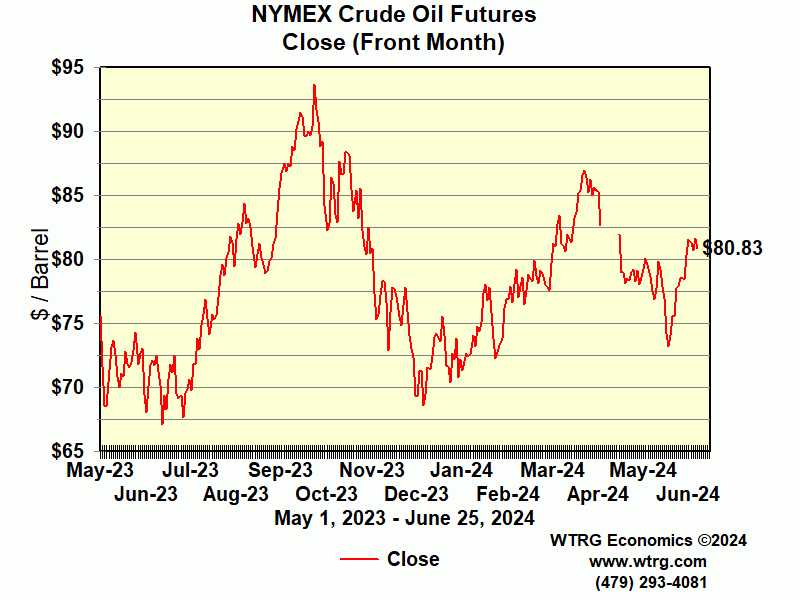
TOD: The Impact of the Credit Crunch on Energy Markets
How Can We Cut Our Energy Use for Commuting?quote:The credit crunch is already having an impact on energy markets. New projects are harder to fund. Highly leveraged companies are sometimes finding it necessary to shed assets. Some players are finding themselves to be the indirect casualties of other players, like Lehman, that have already failed. Long term, we will probably see consolidation and lower production than would have been the case without the credit crunch. Of course, if there is a major recession, it is possible that we won't need as high production.
quote:Some ideas that have been suggested include:
1. More work at home plans, possibly a few days a week.
2. Using a four day (or three day) work week. (See The Four Day Work Week: Sixteen Reasons Why This Might Be an Idea Whose Time Has Come.)
3. Moving closer to work.
4. Using public transit.
5. Using car pools or van pools.
6. Using a more efficient car.
7. Using a motorcycle or moped instead of a car.
8. Using a bicycle.
Of these, work at home (1), four day work week (2), and car pools (5) seem to be the lowest cost alternatives, since they do not require the addition of any other infrastructure, and do not require moving. Using a bicycle (8) is also inexpensive, and gives a person exercise as well. More use of public transit (4) requires infrastructure investment and a longer time frame. In a credit constrained environment, they may not be as feasible.
Meer ideëen in de reacties
The problem is not the occupation, but how people deal with it.
Ach, olie. Alsof de techniek niet allang vervoer kan verzinnen dat niet afhankelijk van olie is. Zolang Shell en consorten onwaarschijnlijkjoen euro per jaar verdienen met olie is het allemaal gelul in de marge. Laat de olie maar z.s.m. opraken, dan kunnen we eindelijk op water gaan rijden.
People come up to me and say, "What's wrong?" "Nothing." "Well, it takes more energy to frown than it does to smile." "Yeah, you know it takes more energy to point that out than it does to leave me alone?"
Er zijn inderdaad mogelijkheden om iets te verplaatsen zonder olie. Geen enkele optie kan echter op de schaal die we nodig hebben, zoals we dat nu met olie doen. 'Nodig hebben' is dan wel subjectief aangezien we olie verspillen, en dat is een understatement.quote:Op vrijdag 3 oktober 2008 13:36 schreef Liewec het volgende:
Ach, olie. Alsof de techniek niet allang vervoer kan verzinnen dat niet afhankelijk van olie is. Zolang Shell en consorten onwaarschijnlijkjoen euro per jaar verdienen met olie is het allemaal gelul in de marge. Laat de olie maar z.s.m. opraken, dan kunnen we eindelijk op water gaan rijden.
Water bevat trouwens geen energie, derhalve is het niet mogelijk om water als energiebron te gebruiken voor het voortbewegen van massa ten opzichte van de aarde. Ik raad je bij deze aan je uitspraak nader te verklaren.

The problem is not the occupation, but how people deal with it.
Olie dus gesloten op $93,88.
Zoals altijd ligt het (in de grote lijnen) weer aan vraag en aanbod;
Revised July oil demand lowest in 11 years: EIA
Opec oil down in September
Zoals altijd ligt het (in de grote lijnen) weer aan vraag en aanbod;
Revised July oil demand lowest in 11 years: EIA
Zelfs nu de OPEC minder levert;quote:WASHINGTON (Reuters) - U.S. oil demand in July fell to the lowest level for the month in 11 years, with consumption 736,000 barrels per day less than previously estimated and down 1.335 million bpd from a year earlier, according to the U.S. Energy Information Administration.
[..]
U.S. highway travel fell by 3.6 percent, or nearly 10 billion miles in July compared to the same period last year, according to a separate report this week from the Transportation Department.
The decline was less than the drop of 5 percent, or 12.2 billion miles, reported for June.
Opec oil down in September
quote:The supply of oil from the Organisation of the Petroleum Exporting Countries (Opec) in September has fallen, the first monthly decline since April, according to survey from Reuters. The survey has indicated that output from source of two in every five barrels of oil, was falling even before it agreed at a meeting in September to trim output and prop up prices.
The problem is not the occupation, but how people deal with it.
