POL Politiek
Discussies en diepgaande gesprekken over de politiek in de breedste zin van het woord kun je hier voeren.



Topic over de problematiek met boeren.
We kennen het stikstofprobleem, we kennen het vervuilde water, we weten dat gifstoffen mens en dier ziek maken. Maar toch blijkt het moeilijk echte maatregelen te nemen.
Kort gezegd: hoe gaan we naar een haalbare landbouw die niet het land vernietigt en boeren wel een boterham laat verdienen.
We kennen het stikstofprobleem, we kennen het vervuilde water, we weten dat gifstoffen mens en dier ziek maken. Maar toch blijkt het moeilijk echte maatregelen te nemen.
Kort gezegd: hoe gaan we naar een haalbare landbouw die niet het land vernietigt en boeren wel een boterham laat verdienen.
quote:Op zondag 7 december 2025 09:31 schreef Lucky_Strike het volgende:
NRC heeft de tegenwerking van het stikstof dossier door Wiersma onderzocht.
In dit artikel op Joop staat een gift link naar het artikel van de NRC.
dat weet ik nietquote:Op zondag 7 december 2025 21:38 schreef KaheemSaid het volgende:
[..]
Wat zijn zowel de overeenkomsten tussen CDA, VVD en JA21 op dit gebied?
Maar wat VVD en JA 21 betreft passen we de normen aan gelijk als die in Duitsland en Belgie gelden
Het is GL die alles blokkeert
Maar van mij mag meer dan de halve veestapel opgeruimt worden vooral geiten en kippen , ruimte voor woningbouw
[ Bericht 5% gewijzigd door michaelmoore op 07-12-2025 21:48:57 ]
Er gaat niets boven lekker in de zon zitten in de achtertuin met een heel koud glas bier , als je al 75 jaar bent en nog gezond, laat ze maar lachen de sukkels

Dit testen individuele gewasbeschermingsmiddelen, geen combinaties. En alleen in labaratorium omstandigheden. Dat zijn dus gewoon geen tests.quote:
[..]
Laat ze het maar niet horen
[..]
ga het ze eens even vertellen danquote:
[..]
Dit testen individuele gewasbeschermingsmiddelen, geen combinaties. En alleen in labaratorium omstandigheden. Dat zijn dus gewoon geen tests.
Dan loop je daar naar binnen en zeg je dat ze alles verkeerd doen
Er gaat niets boven lekker in de zon zitten in de achtertuin met een heel koud glas bier , als je al 75 jaar bent en nog gezond, laat ze maar lachen de sukkels
Dat doen al vele mensen, boeren ook.quote:
[..]
ga het ze eens even vertellen dan
Dan loop je daar naar binnen en zeg je dat ze alles verkeerd doen
Hier, deze mensen liepen 4 jaar geleden al binnen en zeiden dat ze het verkeerd doen: https://eenvandaag.avrotr(...)n-zich-zorgen-129078quote:
[..]
ga het ze eens even vertellen dan
Dan loop je daar naar binnen en zeg je dat ze alles verkeerd doen
En ja, daar zit een Ctgb lid bij.
Alleen losse bestrijdingsmiddelen en rekening houden dat een boer op het perceel er naast ook wat doet doen ze niet, aldus de Ctgb zelf.
[ Bericht 7% gewijzigd door #ANONIEM op 07-12-2025 22:01:10 ]
Ja ze hebben wel wat beters te doenquote:
[..]
Hier, deze mensen liepen 4 jaar geleden al binnen en zeiden dat ze het verkeerd doen: https://eenvandaag.avrotr(...)n-zich-zorgen-129078
En ja, daar zit een Ctgb lid bij.
Alleen losse bestrijdingsmiddelen en rekening houden dat een boer op het perceel er naast ook wat doet doen ze niet, aldus de Ctgb zelf.
Er gaat niets boven lekker in de zon zitten in de achtertuin met een heel koud glas bier , als je al 75 jaar bent en nog gezond, laat ze maar lachen de sukkels
Ja, de volksgezondheid moet vooral niet de winst van bedrijven als Monsanto in de weg zitten, stel je voor.quote:
[..]
Ja ze hebben wel wat beters te doen
linkse hobby's, dat technologie bedrijven in de voedingsindustrie geen winst mogen makenquote:
[..]
Ja, de volksgezondheid moet vooral niet de winst van bedrijven als Monsanto in de weg zitten, stel je voor.
PS monsanto bestaat niet meer , die is overgenomen door Bayer voor 66 miljard euro
die zijn druk met het vinden van diepwortelende soja rassen voor de droge gebieden in de wereldquote:AI-overzicht
The Bayer-Monsanto merger was a major 2018 acquisition where German life sciences giant Bayer bought US agricultural seed and pesticide company Monsanto for approximately $63 billion, combining their crop science, seeds, and chemical businesses into a global leader, but the deal brought intense controversy, particularly over Monsanto's Roundup herbicide and subsequent lawsuits alleging cancer links, leading Bayer to drop the
Monsanto name while retaining its products and facing ongoing litigation.
Key Aspects of the Merger:
Announcement & Completion: Bayer announced its intent to acquire Monsanto in September 2016, with the deal closing on June 7, 2018, after regulatory approvals.
Financials: The all-cash deal valued Monsanto at roughly $66 billion.
Strategic Goal: Bayer aimed to create a leading agricultural company, combining its chemical expertise with Monsanto's seed and trait technology.
quote:AI-overzicht
Bayer, along with agricultural science generally, focuses on breeding wheat, rice, and corn for deeper root systems to improve drought resilience and water efficiency, allowing crops to access deeper soil water during dry spells, especially critical during flowering and grain filling, with innovations like mechanized direct-seeded rice (DSR) also cutting overall water use. .
While deep roots are key for drought tolerance, optimizing water use means balancing deep uptake with ensuring enough water remains for the reproductive stages, using genetics and management to achieve better water productivity.
Bayer's Focus & General Science:
Breeding for Deep Roots: Bayer researches maize hybrids to see if newer varieties grow roots faster and deeper than older ones, recognizing deep roots as vital for accessing subsoil water.
Water Management: Bayer's "DirectAcres Initiative" supports shifting from transplanted to direct-seeded rice (DSR), a system that significantly reduces water use and emissions.
Water Productivity Goal: Bayer aims to improve water use per kilogram of crop by 25% by 2030, particularly by transforming rice systems for smallholder farmers.
The Science of Deep Roots & Water:
Drought Adaptation: Deep roots help crops like wheat and rice survive drought by reaching water stored in deeper soil layers when the topsoil dries out.
Optimal Water Use: Deep roots are valuable for extracting water late in the season (flowering/grain fill), but plants must manage water use to avoid depleting the soil too early, maximizing yield.
[ Bericht 26% gewijzigd door michaelmoore op 08-12-2025 20:44:36 ]
Er gaat niets boven lekker in de zon zitten in de achtertuin met een heel koud glas bier , als je al 75 jaar bent en nog gezond, laat ze maar lachen de sukkels


Kijk deze bezorgde burgers dan. 
Boeren sturen deurwaarder op Brabantse politici af, 'intimiderend'
 Agressief schijtvolk.
Boeren sturen deurwaarder op Brabantse politici af, 'intimiderend'
quote:Activistische boeren van de Farmers Defence Force (FDF) hebben vandaag de deurwaarder op een groot aantal Brabantse politici afgestuurd. De deurwaarder bezorgde een aangetekende brief waarin de FDF stelt dat politici "medeplichtig zijn aan een strafbaar feit" als ze morgen instemmen met de landbouw- en veeteeltplannen van de provincie
Agressief schijtvolk.
ph'nglui mglw'nafh Cthulhu R'lyeh wgah'nagl fhtagn

Het loopt nog slecht met ze af als grote groepen jongeren zich gaan realiseren dat de woningnood door boeren wordt veroorzaakt.
Alles blijft. Alles gaat voorbij. Alles blijft voorbijgaan. JD.
En dat ze daarvoor in ruil vrijwel niets toevoegen aan onze voedselzekerheid.quote:
Het loopt nog slecht met ze af als grote groepen jongeren zich gaan realiseren dat de woningnood door boeren wordt veroorzaakt.
De overheid moet duidelijk onderscheid gaan maken tussen boeren die produceren voor lokale consumptie en boeren die voor de export bezig zijn. Dan hebben we snel heel veel ruimte (qua stikstof en grond) om al onze woningbouw en natuur doelstellingen in te vullen.
Zo stuurt de provincie ook documenten dus dat is niks vreemds.quote:Op vrijdag 12 december 2025 08:32 schreef xpompompomx het volgende:
Kijk deze bezorgde burgers dan.
Boeren sturen deurwaarder op Brabantse politici af, 'intimiderend'
[..]
Ceterum censeo Turciam delendam esse.
De woningnood komt simpelweg door de asielzoekers.quote:
Het loopt nog slecht met ze af als grote groepen jongeren zich gaan realiseren dat de woningnood door boeren wordt veroorzaakt.
Ceterum censeo Turciam delendam esse.
nee doordat er steeds meer mensen alleen wonenquote:
[..]
De woningnood komt simpelweg door de asielzoekers.
met 20 miljoen mensen die met 1,8 mens in een huis wonen heb je 12.000.000 woningen nodig
en er zijn er maar 8.200.000. woningen
Er gaat niets boven lekker in de zon zitten in de achtertuin met een heel koud glas bier , als je al 75 jaar bent en nog gezond, laat ze maar lachen de sukkels
En wat dacht je van de vevruiling door industrie? Tatasteel? Roergebied? Wat doe je zelf tegen vervuiling.quote:
Topic over de problematiek met boeren.
We kennen het stikstofprobleem, we kennen het vervuilde water, we weten dat gifstoffen mens en dier ziek maken. Maar toch blijkt het moeilijk echte maatregelen te nemen.
Kort gezegd: hoe gaan we naar een haalbare landbouw die niet het land vernietigt en boeren wel een boterham laat verdienen.
https://nos.nl/artikel/25(...)ard-goedkoper-gekundquote:NOS Nieuws
•
vandaag, 05:05
Uitkoopregeling boeren had 1,5 miljard goedkoper gekund
De uitkoopregeling voor zogenoemde piekbelasters had drie keer meer stikstofwinst kunnen opleveren. Bovendien had de stikstofvermindering die uiteindelijk wel behaald werd 1,5 miljard euro goedkoper gekund. Dat blijkt uit onderzoek van Omroep Gelderland, NRC en Follow the Money (FTM).
1,81 miljard euro was het landbouwministerie kwijt aan de regeling, volgens de cijfers van maart vorig jaar. Daarmee konden 723 bedrijven worden uitgekocht die samen het stikstofoverschot met 8 procent zouden doen afnemen.
Met een andere aanpak had de overheid miljoenen euro's aan belastinggeld kunnen besparen. Dezelfde stikstofwinst had namelijk ook behaald kunnen worden met 330 miljoen euro. In dat veel goedkopere scenario zouden bovendien slechts 133 veehouderijen moeten stoppen.
Vrijwillig
Daarvoor had toenmalig stikstofminister Van der Wal echter de paar honderd grootste piekbelasters moeten uitkopen, zoals Johan Remkes destijds adviseerde. Opeenvolgende kabinetten vonden echter dat het uitkopen van veehouderijen beslist op vrijwillige basis moest gebeuren, waardoor de piekbelastersregeling zo duur en ineffectief uitvalt.
In plaats van het advies van Remkes te volgen, kwam Van der Wal met een "woestaantrekkelijke" uitkoopregeling, die ze openzette voor de 3000 veehouderijen met de meeste stikstofneerslag op beschermde Natura 2000-gebieden.
Uitkoopregelingen zijn tot nu toe het belangrijkste wapen van het demissionaire kabinet om het stikstofprobleem tegen te gaan. De zogenoemde piekbelastersregeling is er voor veehouderijen die de meeste stikstofneerslag op beschermde natuur veroorzaken.
Dat de uitkoopregeling voor piekbelasters zo duur is en relatief weinig oplevert, is geen complete verrassing. Maar deze berekeningen laten voor het eerst zien in hoeverre de belastingbetaler waar voor zijn geld krijgt.
Voor de 1,81 miljard die het landbouwministerie uiteindelijk besteedde had het drie keer meer stikstofwinst kunnen behalen. Daarvoor had het 764 boerderijen moeten uitkopen, volgens de berekeningen.
De hoop was wellicht dat de bedrijven met de meeste stikstofneerslag zich zouden melden. Dat zijn niet per definitie de boerderijen met de meeste dieren; kleinere veehouderijen dicht bij een Natura 2000-gebied kunnen ook piekbelaster zijn.
Maar het maakt nogal uit welke veehouderij uit die groep piekbelasters je uitkoopt. Met uitkoop van de 550 meest vervuilende bedrijven is ongeveer evenveel stikstofwinst te behalen als met de bijna 2500 andere piekbelasters.
Uit de cijfers blijkt dat zeker niet alleen bedrijven uit de groep met grootste vervuilers zijn uitgekocht. Dat is de reden dat de overheid voor de bestede 1,81 miljard euro drie keer meer stikstofwinst had kunnen behalen als het uitkopen gericht was gebeurd.
Naar de rechter
Het onderzoek ging niet zonder slag of stoot, want de drie media konden de berekeningen pas maken na langdurig procederen tegen landbouwminister Wiersma (BBB). Zij weigerde de benodigde gegevens over veehouderijen vrij te geven.
Uiteindelijk moest de rechter eraan te pas komen. Die bepaalde dat de data openbaar moesten worden. Gisteren maakten de drie media bekend opnieuw naar de rechter te stappen, omdat ze recentere data willen.
Teruggetrokken
Demissionair minister Wiersma reageert in NRC dat de piekbelastersregeling wel "zeer gericht en doelmatig" is, omdat 3000 boerderijen met de hoogste stikstofneerslag mochten meedoen. Bovendien is het gedwongen laten stoppen van boeren via onteigening veel tijdrovender dan de keuze aan hen te laten, aldus een woordvoerder van Wiersma.
Wiersma's ministerie kondigde gisteren een nieuwe uitkoopregeling voor veehouderijen aan. Het duurt nog even voor die open gaat. Eerst mogen burgers en organisaties hun mening erover geven.
Inmiddels heeft een deel van de boeren die zich wilden laten uitkopen via de piekbelastersregeling, zich teruggetrokken. Zij gaan toch door met hun bedrijf.
Gebakken lucht artikel. De NOS laat ook even weg dat het enige alternatief onteigening is, dat geven ze in het originele artikel in ieder geval wel toe. Die hele 'berekening' slaat dus nergens op.
Bron:quote:100% biologisch niet haalbaar voor HAK
HAK verlaat de doelstelling om volledig over te stappen op biologisch geteelde producten. In 2023 maakte HAK bekend dat het van plan was om in 2027 alle groenten en peulvruchten uit Nederland biologisch te telen. Dat doel blijkt niet haalbaar en wordt bijgesteld naar minimaal 15% biologisch geteelde producten. HAK noemt hogere kosten als belangrijkste reden, maar er spelen meer factoren.
De vraag naar biologisch groeit minder hard dan verwacht, aldus algemeen directeur van HAK, Nicole Freid. “En door inflatie is de kostendruk in de keten toegenomen en wordt de behoefte aan betaalbare boodschappen groter. Ook de teelt is uitdagend. Zo mislukte onze biologische tuinbonenoogst dit jaar volledig door een insectenplaag. Het biologisch certificeren van de hele lokale teelt én het zelf blijven opvangen van de meerkosten is daardoor niet langer haalbaar, als we onze producten niet duurder willen maken.”
De afgelopen jaren heeft HAK de meerkosten voor biologische teelt zelf gedragen om extra prijsstijgingen voor consumenten te voorkomen, aldus de groente- en peulvruchtenfabrikant. “Door de inflatie van de afgelopen jaren en hogere kosten in de keten is dat financieel niet langer haalbaar. Ook blijven belangrijke verwachtingen uit, zoals een grotere vraag naar biologische producten en meer schaalgrootte.”
On the way to Planet Proof
Het doel van 100% gaat terug naar minimaal 15% biologische teelt. Daarbij legt HAK de focus op gewassen die biologisch goed te telen zijn, zoals rode bieten, zuurkool en sperziebonen. De andere gewassen blijft HAK On the way to PlanetProof telen. Daarbij worden telers volgens HAK gecompenseerd voor hun extra inspanningen om duurzamer te telen.
Sleutel tot succes
Drie jaar geleden waren de verwachtingen hooggespannen. Toenmalig CEO van HAK Timo Hoogeboom zei toen bij de lancering van het plan dat het bedrijf zich bewust was van de grote opdracht die het zichzelf stelde, maar het als een strategisch belangrijke stap zag. Dat een grotere vraag naar biologische producten daarbij essentieel zou zijn, was voor hem duidelijk. Hoogeboom zei hier toen over: “De sleutel tot succes is dat we de vraag significant vergroten. En daarvoor moeten we afrekenen met het exclusieve karakter van biologisch. Dit vereist een disruptieve aanpak. Daar waar mogelijk moeten we consumenten alleen biologische producten aanbieden. Want duurzaamheid zou eigenlijk geen keuze moeten zijn, maar de standaard. Dat is ook de reden dat we voor de groenten en peulvruchten die wij in Nederland telen zo snel mogelijk overstappen op biologisch; op die manier hoeft de consument die afweging niet meer te maken. Wij gaan bij HAK die sprong wagen.” Zijn opvolger komt tot de conclusie dat dit nu niet haalbaar is en HAK een stap terug moet doen.
Meer proefbedrijven
HAK is overigens wel van plan om te blijven investeren in het verduurzamen van de Nederlandse teelt. Het aantal proefboerderijen wordt uitgebreid van één naar drie. Op die locaties experimenteert HAK met telers met een duurzamere teelt, robotisering en digitalisering. Daarbij speelt versnelde afbouw van het gebruik van gewasbeschermingsmiddelen een grote rol.
https://www.boerderij.nl/100-biologisch-niet-haalbaar-voor-hak
Als de afnemers 100% biologisch niet zien zitten dan houdt het snel op

https://www.nu.nl/binnenl(...)ten-zelf-vangen.htmlquote:Het Hoogheemraadschap van Delfland gaat in 170 ecologische zones Amerikaanse rivierkreeften vangen. Omdat er "na tien jaar praten" nog geen landelijke aanpak is, zegt het waterschap het heft in handen te nemen en de "schade te beperken".
de Amerikaanse rivierkreeft gaat ook uit het kabinet-Schoof stappen nu
afnemers wilt wel, maar niet meer betalenquote:
[..]
Bron:
https://www.boerderij.nl/100-biologisch-niet-haalbaar-voor-hak
Als de afnemers 100% biologisch niet zien zitten dan houdt het snel op
Er gaat niets boven lekker in de zon zitten in de achtertuin met een heel koud glas bier , als je al 75 jaar bent en nog gezond, laat ze maar lachen de sukkels
Contradictiequote:
[..]
afnemers wilt wel, maar niet meer betalen
Daarom wel Biologisch, maar geen HAK. De mensen die HAK kopen zijn toch al niet prijsbewust.quote:
[..]
afnemers wilt wel, maar niet meer betalen
https://www.bayer.com/en/agriculture/farms-of-the-future
Farms of the future met Bayer
https://www.bayer.com/en/agriculture/pipeline
Bekijk deze YouTube-video
Self fertilizing crops en deep rooting plants
[ Bericht 3% gewijzigd door michaelmoore op 08-02-2026 19:34:52 ]
Farms of the future met Bayer
https://www.bayer.com/en/agriculture/pipeline
Bekijk deze YouTube-video
Self fertilizing crops en deep rooting plants
https://www.bayer.com/en/(...)ica?autotranslate=nlquote:AI-overzicht
The Quest for Self-Fertilizing Crops – GROW magazine
Self-fertilizing crops, or nitrogen-fixing crops, are plants engineered or bred to obtain nitrogen directly from the air via symbiotic soil bacteria, reducing reliance on synthetic fertilizers.
Key advancements include CRISPR-edited wheat, corn, and legumes that use root-associated microbes to boost yields while reducing environmental pollution.
Key Types and Research Developments
Legumes (Natural Fixers): Crops like peas, peanuts, soybeans, and lentils are natural self-fertilizers, creating partnerships with Rhizobium bacteria to convert nitrogen gas into usable ammonia.
Engineered Cereals: Scientists have successfully edited wheat to produce compounds that attract nitrogen-fixing bacteria, allowing them to thrive in low-nitrogen conditions.
Microbe-Based Approaches: Research is focusing on coating seeds with specialized bacteria (like in some corn varieties) that provide nutrients directly to roots.
Molecular Switching: Researchers have identified methods to alter plant immune responses, encouraging, rather than rejecting, beneficial bacteria in crops like barley and rice.
Benefits of Self-Fertilizing Crops
Environmental Protection: Drastically reduces nitrogen runoff, which pollutes waterways, and lowers greenhouse gas emissions associated with fertilizer production.
Sustainability: Reduces reliance on fossil energy-intensive chemical fertilizers.
Economic Efficiency: Lowers costs for farmers by reducing the need to purchase synthetic inputs.
Current research aims to scale these technologies to major staple crops like wheat, rice, and corn to improve global food security.
quote:AI-overzicht
Bayer aims to help feed a growing global population by 2050 through sustainable agriculture, targeting a 50% increase in crop production while restoring natural resources.
The company focuses on innovative seeds, digital farming, and regenerative practices to support both commercial and smallholder farmers, as part of their "Health for All, Hunger for None" vision.
Key strategies for this goal include:
Regenerative Agriculture: Bayer aims to increase crop production while restoring soil health and improving water usage, reducing the environmental impact of farming.
Smallholder Farmer Support: Committed $160 million to help end hunger, providing, among other efforts, access to improved seed varieties, and educational resources.
Innovation and Technology: Investing heavily in R&D to develop, for example, "short stature corn" to improve yields and reduce the risk of crop loss, and creating more resilient vegetable seeds.
Reducing Food Loss:
Developing crops with longer shelf lives, such as new tomato hybrids that last 12-14 days instead of 5-7 days.
[ Bericht 3% gewijzigd door michaelmoore op 08-02-2026 19:34:52 ]
Er gaat niets boven lekker in de zon zitten in de achtertuin met een heel koud glas bier , als je al 75 jaar bent en nog gezond, laat ze maar lachen de sukkels
Onderzoek namens het ministerie naar bestrijdingsmiddelen wijst uit: zware ingrepen zijn hard nodig.
https://www.nu.nl/klimaat(...)-onvermijdelijk.html
De Wageningen Universiteit sorteert voor op een verbod rond natuurgebieden.
https://www.nu.nl/klimaat(...)-onvermijdelijk.html
De Wageningen Universiteit sorteert voor op een verbod rond natuurgebieden.
we moeten die gronden gaan gebruiken voor woningbouw en ons groente en fruit in het buitenland kopenquote:
Onderzoek namens het ministerie naar bestrijdingsmiddelen wijst uit: zware ingrepen zijn hard nodig.
https://www.nu.nl/klimaat(...)-onvermijdelijk.html
De Wageningen Universiteit sorteert voor op een verbod rond natuurgebieden.
[ Bericht 13% gewijzigd door michaelmoore op 20-02-2026 15:50:12 ]
Er gaat niets boven lekker in de zon zitten in de achtertuin met een heel koud glas bier , als je al 75 jaar bent en nog gezond, laat ze maar lachen de sukkels
Totaal onnodig. We kunnen hier prima landbouw hebben, maar wel hoogwaardig, biologisch. Maar het verbod op het verspreiden van gif in de natuur en bewoonde wereld moet natuurlijk in elk geval Europees worden geregeld, in de rest van Europa sterven de insecten ook uit door het landbouwgif.quote:
[..]
we moeten die gronden gaan gebruiken voor woningbouw en ons groente en fruit in het buitenland kopen
biologisch dat gaat economisch niets wordenquote:
[..]
Totaal onnodig. We kunnen hier prima landbouw hebben, maar wel hoogwaardig, biologisch. Maar het verbod op het verspreiden van gif in de natuur en bewoonde wereld moet natuurlijk in elk geval Europees worden geregeld, in de rest van Europa sterven de insecten ook uit door het landbouwgif.
niet te verkopen
biologisch is ook niet hoogwaardig
Er gaat niets boven lekker in de zon zitten in de achtertuin met een heel koud glas bier , als je al 75 jaar bent en nog gezond, laat ze maar lachen de sukkels
Biologisch heeft een hogere opbrengst dan met vergif, op de lange termijn. Economisch dus rendabeler, als je het wat tijd geeft.quote:
[..]
biologisch dat gaat economisch niets worden
niet te verkopen
biologisch is ook niet hoogwaardig
Hoogwaardig is onze landbouw sowieso al. Biologisch... zolang de consument (wereldwijd) niet wil betalen is dit op geen enkele manier een rendabele optie.quote:
[..]
Totaal onnodig. We kunnen hier prima landbouw hebben, maar wel hoogwaardig, biologisch. Maar het verbod op het verspreiden van gif in de natuur en bewoonde wereld moet natuurlijk in elk geval Europees worden geregeld, in de rest van Europa sterven de insecten ook uit door het landbouwgif.
Volgens AI nietquote:
[..]
Biologisch heeft een hogere opbrengst dan met vergif, op de lange termijn.
Economisch dus rendabeler, als je het wat tijd geeft.
https://maatschapwij.nu/vitaal/biologisch-eten-te-duur/quote:AI-overzicht
Nee, biologische groenteteelt heeft over het algemeen geen hogere opbrengst per hectare in vergelijking met gangbare (conventionele) teelt.
Wetenschappelijke onderzoeken en meta-analyses tonen aan dat biologische landbouw gemiddeld zo'n 18% tot 25% lagere opbrengsten per hectare behaalt.
Hier zijn de belangrijkste punten:
Lagere opbrengst: Doordat er geen kunstmest en synthetische bestrijdingsmiddelen worden gebruikt, is de productie per hectare lager, vooral bij bladgewassen en granen.
Verschillen per gewas: Hoewel de gemiddelde opbrengst lager is, kunnen biologische groenten en fruit soms beter meekomen dan akkerbouwgewassen.
In sommige gevallen, zoals tijdens droogte, kunnen biologische percelen soms zelfs beter presteren door een betere bodemstructuur.
Verbetering over tijd: Het opbrengstverschil kan afnemen naarmate de bodemgezondheid op biologische bedrijven verbetert, wat doorgaans 10 tot 13 jaar duurt.
Winstgevendheid: Ondanks de lagere opbrengst per hectare, kunnen biologische bedrijven wel een hoger saldo (winst) behalen door hogere verkoopprijzen en lagere kosten voor externe inputs.
Kortom, biologisch biedt voordelen voor milieu en biodiversiteit, maar produceert meestal minder kilogrammen product per hectare.
quote:Wie maakt biologische groenten zoveel duurder? Niet de bio-boer
Onze landbouw staat onder druk. Verhitte debatten over stikstof, pesticiden, milieu en dierenwelzijn maken het niet makkelijk voor de Nederlandse boeren om het niet fout te doen.
Maar hoe lossen we de problemen op, en doen we daarmee tegelijkertijd recht aan de boeren? In deze gastblog zoekt foodwatch het uit.
De discussie over de toekomst van de landbouw moet over meer gaan dan de discussie over kleine bedrijven versus grote industriële bedrijven.
Of over natuur versus landbouw. Het roer moet om, sámen met de boeren, met zo min mogelijk schadelijke effecten op het milieu, dierenwelzijn, inkomen en de gevolgen voor de volksgezondheid.
Daarom moeten we het hebben over biologische landbouw.
Niet als de oplossing van alle problemen, maar als onderdeel van de oplossing die helaas niet de prioriteit krijgt die het verdient.
Er gaat niets boven lekker in de zon zitten in de achtertuin met een heel koud glas bier , als je al 75 jaar bent en nog gezond, laat ze maar lachen de sukkels
Heb je het over herbiciden of pesticiden als je het hebt over gif?quote:
[..]
Biologisch heeft een hogere opbrengst dan met vergif, op de lange termijn. Economisch dus rendabeler, als je het wat tijd geeft.
De tuinbouw is Nederland is de beste ter wereld en wordt vaak geteeld op substraat , niet op grondquote:
[..]
Hoogwaardig is onze landbouw sowieso al. Biologisch... zolang de consument (wereldwijd) niet wil betalen is dit op geen enkele manier een rendabele optie.
dat heeft nauwelijks bestrijdingsmiddelen nodig
quote:AI-overzicht
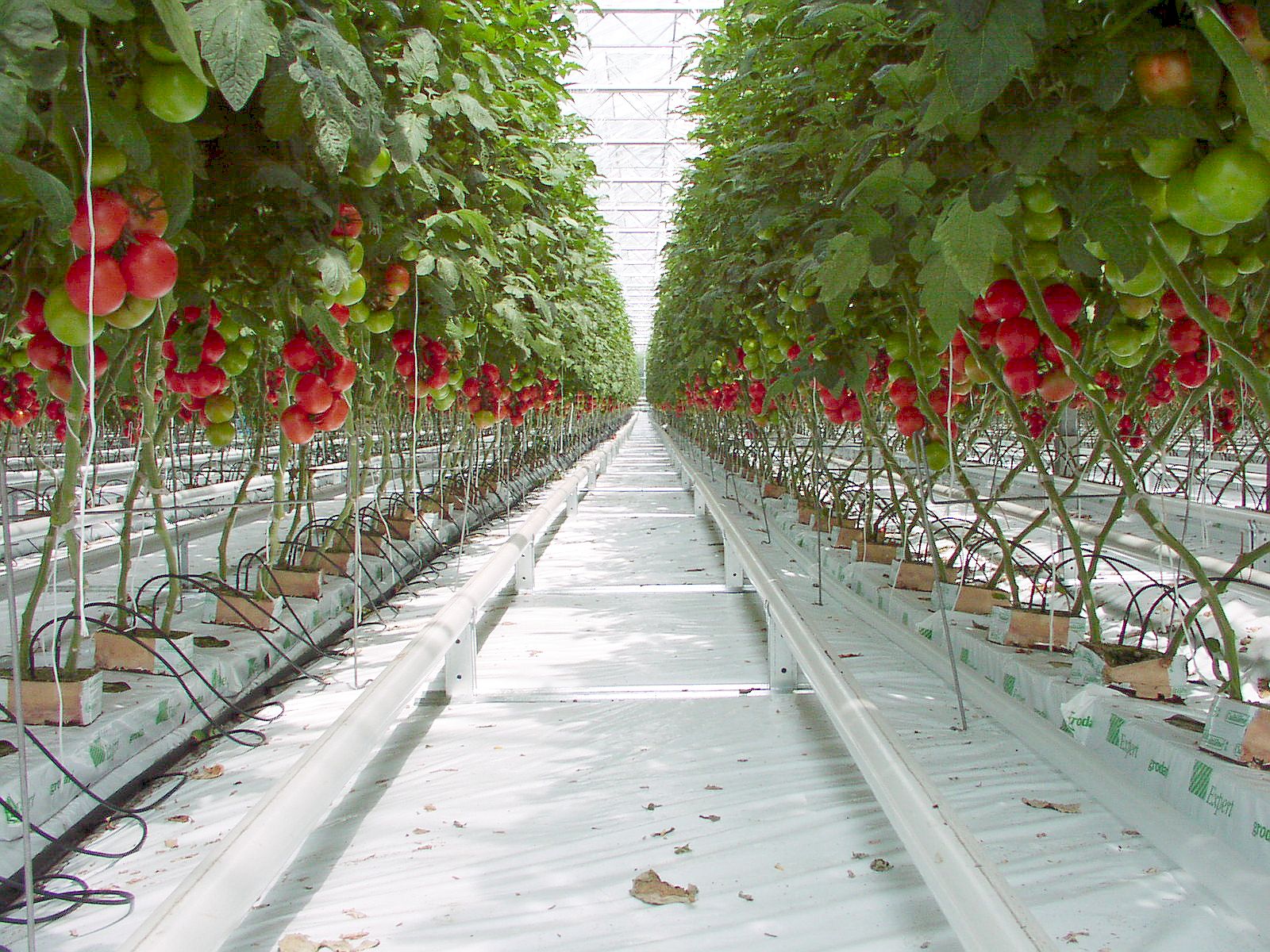
Groenteteelt op substraat is een teeltwijze los van de vollegrond, waarbij planten groeien in materialen zoals steenwol, kokos of perliet.
Dit systeem biedt maximale controle over water- en voedingsgiften, wat leidt tot hogere opbrengsten en minder ziekten.
Het wordt veel toegepast in de glastuinbouw voor vruchtgewassen zoals tomaten en komkommers.
Belangrijke aspecten van substraatteelt:
Materialen: Veelgebruikte substraten zijn steenwol (inert), kokosvezel (organisch), perliet en polyurethaanschuim.
Voordelen: Hoge productie, efficiënt watergebruik, minder chemische bestrijdingsmiddelen nodig, en onafhankelijkheid van de bodemkwaliteit.
Techniek: Het substraat wordt vaak geplaatst in goten of potten. Voeding wordt vloeibaar toegediend via druppelsystemen, vaak in een recirculerend systeem.
Uitdagingen: Het gebrek aan natuurlijk bodemleven in inerte substraten (zoals steenwol) en de noodzaak om drainwater op te vangen.
Er gaat niets boven lekker in de zon zitten in de achtertuin met een heel koud glas bier , als je al 75 jaar bent en nog gezond, laat ze maar lachen de sukkels
Tuinbouw =/= landbouwquote:
[..]
De tuinbouw is Nederland is de beste ter wereld en wordt vaak geteeld op substraat , niet op grond
ja landbouw op substraat dat kan niet, kan wel maar dat wordt onbetaalbaarquote:
veel groenten in Nederland komt van de tuinbouw
Er gaat niets boven lekker in de zon zitten in de achtertuin met een heel koud glas bier , als je al 75 jaar bent en nog gezond, laat ze maar lachen de sukkels
als dat waar was dan zouden we geen bestrijdingsmiddelen of kunstmest kopenquote:
[..]
Biologisch heeft een hogere opbrengst dan met vergif, op de lange termijn.
Economisch dus rendabeler, als je het wat tijd geeft.
bestrijdingsmiddelen zijn erg duur , zeker de systeem middelen, het netto resultaat is veel en veel groter dan de extra kosten
Insectenplagen bestrijden doe je niet voor de lol , zonder bestrijdingsmiddelen zitten er allemaal beestjes in fruit, of schurftplekken erop en dan lust niemand het, jij ook niet, ook al smaakt het prima, het is onverkoopbaar
men gaat voor het hoogste inkomen net als jij, niet om gif te kunnen spuiten,
anders kunnen we de netten tegen hagelbuien ook wel weg halen , als alles vanzelf gaat
De landbouw investeert gigantisch veel geld en niet omdat ze de milieu willen verpesten en liever voedselbossen gaan doen
[ Bericht 4% gewijzigd door michaelmoore op 22-02-2026 09:03:59 ]
Er gaat niets boven lekker in de zon zitten in de achtertuin met een heel koud glas bier , als je al 75 jaar bent en nog gezond, laat ze maar lachen de sukkels
Het is heel eenvoudig , er is teveel landbouwgrond en er zijn veel teveel beesten en veel teveel veehoudersquote:
Kort gezegd: hoe gaan we naar een haalbare landbouw die niet het land vernietigt en boeren wel een boterham laat verdienen.
Jouw " boeren " gaan een ander beroep kiezen als IT er , Politicus of chaufeur en daar een "boterham" mee verdienen
Dus koop van 10.000 veehouders alle beesten , die ga je slachten , trek de veehouderij vergunning in, geef hen een zeer royale vergoeding en bouwvergunning voor een extra woonhuis op eigen grond , ipv de stal
Laat hen de eigen landbouwgrond verpachten voor veevoer of natuurland, evt pachtland kan terug naar de verpachter
Zolang de wil er niet is , gebeurt er niets , kennelijk is het helemaal niet de bedoeling dat het "stikstofprobleem" verdwijnt.
Dit topic bestaat een paar jaar en blijft nog wel 5 jaar bestaan , en maar schelden op veehouders en de land-en tuinbouw
En echt niets doen , en blijven schelden op die "rotboeren" maar wel moeten ze een boterham verdienen, ?
Die mensen zijn allemaal miljonair en hebben jou niet nodig om een boterham te verdienen
Bestrijdingsmiddelen zijn allemaal biologisch afbreekbaar
Aardappels telen zonder stikstof mest , dat gaat hem niet worden in Nederland , in geen enkel land
Maar we trekken nog 20 miljard uit om te verdelen aan het wereldklimaat en doen verder helemaal niks
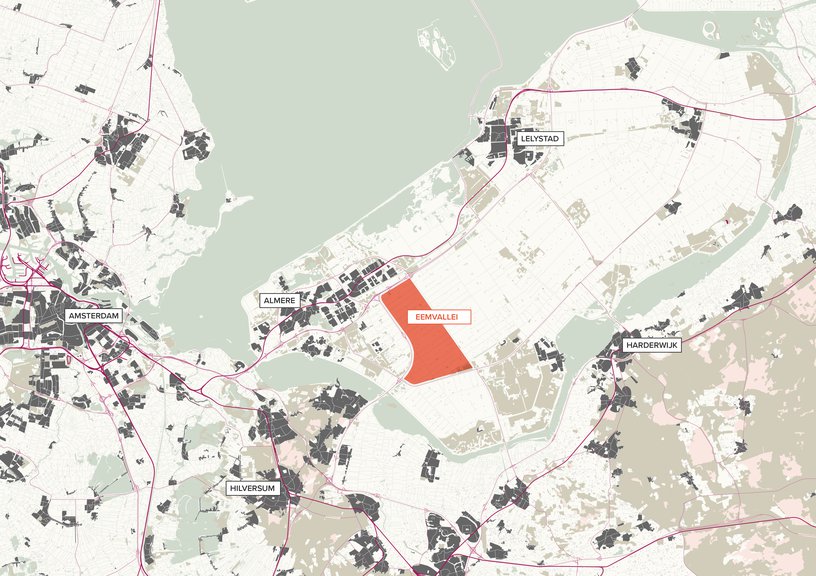
Ga in de Flevopolder een paar grote steden bouwen, dan is er landbouwgrond minder om op te schelden, los je ook de wooncrisis op, bouw er gelijk een LNG energiecentrale bij dan is dat gezeur ook klaar
En wees blij dat we eindelijk de airport lelystad mogen gebruiken ipv dat veel te drukke Schiphol
[ Bericht 4% gewijzigd door michaelmoore op 22-02-2026 17:41:15 ]
Er gaat niets boven lekker in de zon zitten in de achtertuin met een heel koud glas bier , als je al 75 jaar bent en nog gezond, laat ze maar lachen de sukkels
Nog iets wat de boeren gesloopt hebben, de sloten. Letterlijk, ze zijn er niet meer.
Tijd voor handhaving en voor aangifte voor bedreiging bij zulke teksten. Desnoods geef je de handhavers maar een bodycam.
https://www.volkskrant.nl(...)verdwijnen~v2791210/quote:Jaarlijks verdwijnen duizenden sloten in Nederland, blijkt uit onderzoek van de Volkskrant, en dat gebeurt deels illegaal. Regels om de waterkwaliteit te verbeteren geven boeren juist een prikkel om sloten dicht te gooien, en gemeenten handhaven nauwelijks. Wie daar kritisch op is, kan soms zelfs op intimidatie rekenen. ‘Als jullie terugkomen, druk ik met een shovel jullie auto in elkaar!’
Tijd voor handhaving en voor aangifte voor bedreiging bij zulke teksten. Desnoods geef je de handhavers maar een bodycam.


Wij hebben een klein slootje achter onze tuin. Als wij die niet netjes uitbaggeren voor 1 oktober, krijgen we een dwangbevel van het waterschap.quote:
Nog iets wat de boeren gesloopt hebben, de sloten. Letterlijk, ze zijn er niet meer.
[..]
https://www.volkskrant.nl(...)verdwijnen~v2791210/
Tijd voor handhaving en voor aangifte voor bedreiging bij zulke teksten. Desnoods geef je de handhavers maar een bodycam.
En boeren gooien gewoon zonder tegenwerking hele sloten dicht.
Het kan verkeren.
And the young, they can lose hope cause they can't see beyond today,. ..
The wisdom that the old can't give away
The wisdom that the old can't give away
nee echt niet , de inspectie komt ieder jaar langs of de sloot schoon is , de vaarten en sloten die doorlopen bij wateroverlast of water tekort voor het achterlandquote:Op zaterdag 7 maart 2026 10:17 schreef miss_sly het volgende:
[..]
Wij hebben een klein slootje achter onze tuin. Als wij die niet netjes uitbaggeren voor 1 oktober, krijgen we een dwangbevel van het waterschap.
En boeren gooien gewoon zonder tegenwerking hele sloten dicht.
Het kan verkeren.
prive sloten op eigen land die mag ie sluiten of nieuwe maken net wat ie wil , sloten zonder kop of staart zeg maar
Die dienen dus geen algemeen nut
Graaf anders zelf een ook diep gat in je tuin
onderhoudsplicht:
quote:AI-overzicht
Als eigenaar van grond die grenst aan een sloot (oeverdirecte), bent u wettelijk verplicht deze te onderhouden, inclusief de oever.
Dit slootonderhoud moet ervoor zorgen dat water goed doorstroomt en afvoer mogelijk is.
Het onderhoud, inclusief het verwijderen van vuil en overtollige begroeiing, moet vaak voor de najaarsschouw (meestal 1 november of 1 december) zijn uitgevoerd.
Waterschap Hunze en Aa's
Waterschap Hunze en Aa's
+5
Belangrijke punten over de onderhoudsplicht:
Wie: Eigenaren of pachters van grond die aan een sloot grenst.
Wat: Het verwijderen van maaisel, vuil, bladafval en overhangende takken (gewoon onderhoud), evenals baggeren (buitengewoon onderhoud).
Omvang: Vaak bent u verantwoordelijk voor de helft van de sloot (het talud aan uw zijde).
Wanneer: Minstens één keer per jaar, vaak voor de najaarsschouw die start in oktober/november.
Gevolgen bij verzuim: Als u de sloot niet op tijd schoonmaakt, kan het waterschap de werkzaamheden uitvoeren op uw kosten (bestuursdwang).
Waterschap Rivierenland
Waterschap Rivierenland
+6
[ Bericht 23% gewijzigd door michaelmoore op 09-03-2026 19:54:43 ]
Er gaat niets boven lekker in de zon zitten in de achtertuin met een heel koud glas bier , als je al 75 jaar bent en nog gezond, laat ze maar lachen de sukkels
https://www.nu.nl/stiksto(...)r-te-verbeteren.html
Ook sluiting van TATA staal en stoppen van de inwaai van stikstof uit het Ruhrgebied is noodzakelijk
[ Bericht 7% gewijzigd door michaelmoore op 13-03-2026 06:54:13 ]
Voor natuurherstel zijn maatregelen tegen verdroging noodzakelijk , alsmede maatregelen tegen recreanten die planten vertrappenquote:Ook recreatie en verdroging drukken op de natuur
Het uiteindelijke doel is niet dat de stikstofuitstoot omlaaggaat, maar dat het beter gaat met de Nederlandse natuur.
Stikstof is een belangrijke factor , maar er zijn veel meer drukfactoren.
Verdroging speelt een rol en in sommige gebieden is ook de hoge recreatiedruk een probleem.
De vele mountainbikers, fietsers en wandelaars (soms met honden) verstoren vogels en zoogdieren.
Soms worden kwetsbare planten vertrapt doordat mensen niet op het pad blijven.
Nederland doet wel wat om de totale staat van de Nederlandse natuur te verbeteren.
Maar ook hiervoor geldt: het is niet genoeg.
Volgens het PBL wordt te vaak gekeken naar tijdelijke maatregelen, zoals het afplaggen van de heide (het verwijderen van de bovenste laag) of het strooien van kalk..
Ook sluiting van TATA staal en stoppen van de inwaai van stikstof uit het Ruhrgebied is noodzakelijk
quote:Maar ondanks gepresenteerde maatregelen - en de miljarden die hiervoor zijn uitgetrokken
Zij noemen het dan ook ’heel erg onwaarschijnlijk dat de doelen worden gehaald met de huidige maatregelen’.
Zij geven aan dat ook het beleid voor natuurherstel hapert: voor de lange termijn is ’consistent beleid nodig gericht op het herstel van natuurlijke systemen, ook gericht op andere drukfactoren zoals verdroging.
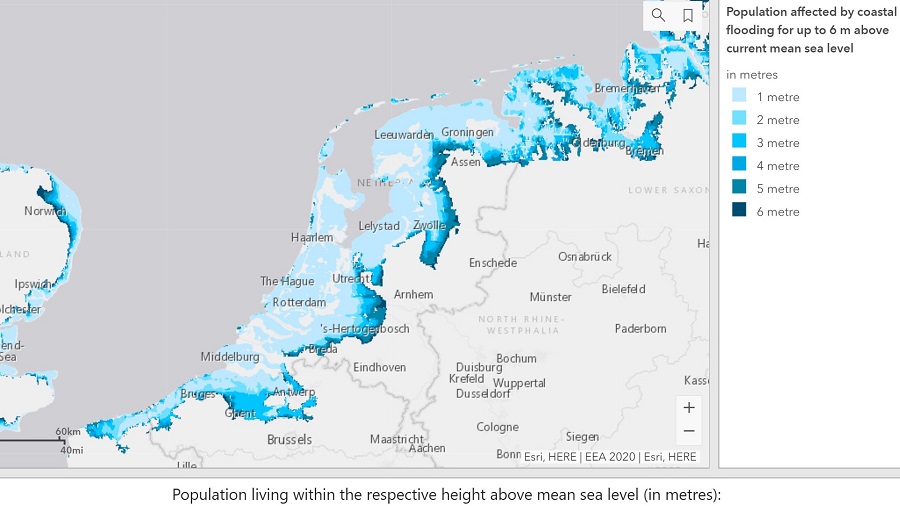
Veel meer regen en hoger waterpeil is noodzakelijk
Juist hier zien we een vertraging in de uitvoering’, aldus de onderzoekers.
[ Bericht 7% gewijzigd door michaelmoore op 13-03-2026 06:54:13 ]
Er gaat niets boven lekker in de zon zitten in de achtertuin met een heel koud glas bier , als je al 75 jaar bent en nog gezond, laat ze maar lachen de sukkels
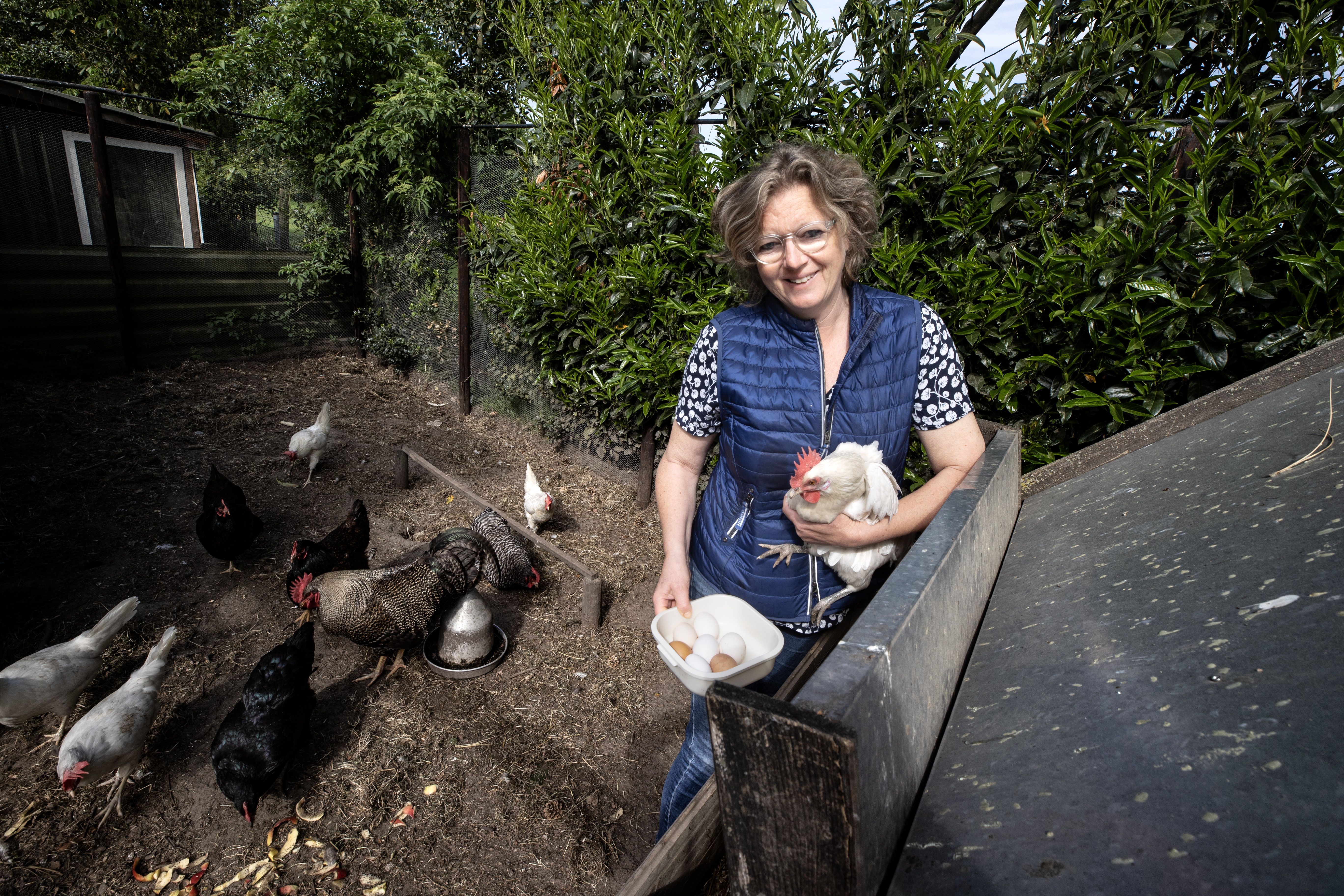
Het is officieel aangeraden om alleen nog eieren te eten van kippen in legbatterijen
dus geen eieren meer van scharrelkippen vanwege het hoge percentage PFAS
Het vlees van scharrelkippen eten is ook niet zo verstandig
https://www.pluimveebedri(...)aar-zonder-fijnstof/
[ Bericht 12% gewijzigd door michaelmoore op 16-03-2026 18:31:48 ]
dus geen eieren meer van scharrelkippen vanwege het hoge percentage PFAS
Het vlees van scharrelkippen eten is ook niet zo verstandig
https://www.pluimveebedri(...)aar-zonder-fijnstof/
ook voor de stikstof depositie is het houden van loslopende kippen niet verstandigquote:AI-overzicht
Het RIVM adviseert om geen eieren meer te eten van hobbykippen vanwege verhoogde PFAS-waarden.
Uit onderzoek blijkt dat deze kippen, die vrij scharrelen, de chemische stof binnenkrijgen door het eten van vervuilde regenwormen uit de bodem.
Het risico geldt specifiek voor eieren uit eigen tuin, moestuinen, dierenweides en kinderboerderijen.
Omroep Gelderland
Omroep Gelderland
+3
Kernpunten PFAS in scharrelkippen (hobby):
Oorzaak: Kippen eten regenwormen die PFAS uit de bodem hebben opgenomen.
Advies RIVM: Het eten van eieren van eigen hobbykippen wordt afgeraden vanwege gezondheidsrisico's.
Verschil met supermarkt: Eieren uit de supermarkt (en biologische bedrijfsmatige eieren) zijn veilig, omdat deze kippen vaak ander voer krijgen en niet in dezelfde mate op de bodem scharrelen.
quote:De stikstofuitdaging bij scharrelkippen
Emissiebeheer: In tegenstelling tot gesloten stallen met luchtwassers, is de ammoniakuitstoot (een vorm van stikstof) bij scharrelkippen moeilijker op te vangen omdat de dieren ook buiten komen.
Mestverwerking: In de buitenuitloop komt de mest direct op de bodem terecht, wat leidt tot lokale stikstofdepositie die niet via staltechnieken kan worden gereduceerd.
Efficiëntie: Scharrelkippen bewegen meer en leven vaak langer dan reguliere kippen, waardoor ze per geproduceerd ei of kilo vlees meer voer nodig hebben, wat indirect leidt tot een hogere stikstofvoetafdruk.
Voedingscentrum
Voedingscentrum
+2
[ Bericht 12% gewijzigd door michaelmoore op 16-03-2026 18:31:48 ]
Er gaat niets boven lekker in de zon zitten in de achtertuin met een heel koud glas bier , als je al 75 jaar bent en nog gezond, laat ze maar lachen de sukkels
ik denk dat iedereen gewoon biologisch eieren blijft eten ondanks de PFAS
Er gaat niets boven lekker in de zon zitten in de achtertuin met een heel koud glas bier , als je al 75 jaar bent en nog gezond, laat ze maar lachen de sukkels
Er blijven pesticiden en andere troep uit de kassen lekken, waardoor het leven in de hele omgeving sterft: https://www.trouw.nl/duur(...)vergezicht~b2d72047/
Ik ben en blijf er van overtuigd dat we in de toekomst wat dit betreft naar deze periode als pure dwaasheid kijken: "ze gooiden massaal gif op hun eten en in hun leefomgeving en verbaasden zich er over dat het aantal zieken omhoog ging". Een beetje zoals wij nu naar aderlaten kijken, natuurlijk wordt het daar niet beter van.
Ik ben en blijf er van overtuigd dat we in de toekomst wat dit betreft naar deze periode als pure dwaasheid kijken: "ze gooiden massaal gif op hun eten en in hun leefomgeving en verbaasden zich er over dat het aantal zieken omhoog ging". Een beetje zoals wij nu naar aderlaten kijken, natuurlijk wordt het daar niet beter van.
Nederland importeert de helft van de kalveren uit het buitenland.
90% van het vlees gaat naar het buitenland.
Wij mogen de problemen houden: mest, antibiotica, en dierenwelzijn.
De winst gaat naar een Quote 500-ondernemer.
Aan alle kanten oneerlijk.
https://bsky.app/profile/gijskaper.bsky.social/post/3mjjj45nzxs2q
Zo is het. Rechts op zijn best.
90% van het vlees gaat naar het buitenland.
Wij mogen de problemen houden: mest, antibiotica, en dierenwelzijn.
De winst gaat naar een Quote 500-ondernemer.
Aan alle kanten oneerlijk.
https://bsky.app/profile/gijskaper.bsky.social/post/3mjjj45nzxs2q
Zo is het. Rechts op zijn best.
In de verte zie ik woningbouw, de overheid kan dus zulke kassen weg kopen en daar woningbouw doenquote:
Er blijven pesticiden en andere troep uit de kassen lekken, waardoor het leven in de hele omgeving sterft: https://www.trouw.nl/duur(...)vergezicht~b2d72047/
Ik ben en blijf er van overtuigd dat we in de toekomst wat dit betreft naar deze periode als pure dwaasheid kijken: "ze gooiden massaal gif op hun eten en in hun leefomgeving en verbaasden zich er over dat het aantal zieken omhoog ging". Een beetje zoals wij nu naar aderlaten kijken, natuurlijk wordt het daar niet beter van.
Wat zou jij doen als die opstallen van jou waren ?? Slopen ? Verkopen?
De overheid kan genoeg doen , als de wil er is
De overheid gaat over de ruimtelijke ordening
kassen van 50 jaar oud zijn rijp voor de sloop net als oude fabrieken
klagen helpt niet , de bal ligt bij de overheid
quote:AI-overzicht
Moderne kassen van 6 hectare en groter zetten in op geïntegreerde gewasbescherming, waarbij het gebruik van chemische middelen wordt geminimaliseerd door inzet van biologische bestrijders zoals roofmijten en sluipwespen.
Sinds 2024 is het gebruik van bestrijdingsmiddelen in de landbouw met circa 20% afgenomen. Voor professionele opslag geldt een strikte regelgeving: bij meer dan 400 kg opslag valt u onder de Wet Milieubeheer.
Kernpunten Gewasbescherming voor Grootschalige Kassen
Geïntegreerde Strategie: Combineer preventieve, biologische en mechanische methoden. In vrijwel alle kassen worden biologische bestrijders ingezet in plaats van traditionele pesticiden.
Emissiebeperking: De sector streeft naar emissieloze kassen om vervuiling van oppervlaktewater te voorkomen.
Registratieplicht: Sinds 1 januari 2026 is elektronische registratie van professioneel gebruik verplicht.
quote:AI-overzicht
Een bestemmingsplan voor moderne glastuinbouwgebieden faciliteert duurzame bedrijfsbebouwing, hogere kassen en gedeelde energievoorzieningen.
Sinds 1 januari 2024 worden deze plannen onder de Omgevingswet gereguleerd als onderdeel van het omgevingsplan.
Gemeenten gebruiken dit om verouderde kassen te saneren en efficiënte, grootschalige tuinbouwprofielen te versterken.
[ Bericht 2% gewijzigd door michaelmoore op 15-04-2026 22:41:51 ]
Er gaat niets boven lekker in de zon zitten in de achtertuin met een heel koud glas bier , als je al 75 jaar bent en nog gezond, laat ze maar lachen de sukkels

FDF weer eens op z'n best. Man man.quote:Provincie Groningen doet aangifte tegen Farmers Defence Force
De provincie Groningen doet morgen aangifte tegen Farmers Defence Force (FDF). Dat bevestigt commissaris van de Koning René Paas aan RTV Noord. De boerenactiegroep wil dat een boerenfamilie in Lucaswolde niet wordt onteigend door de provincie en dreigde deze week met "oorlog" als de onteigening niet snel wordt teruggedraaid.
Paas spreekt van "intimidatie" door FDF. "Er wordt gedreigd met van alles en daarmee zet je Statenleden onder druk. Dat er nu wordt gedreigd met oorlog, dat gaat alle perken te buiten", aldus Paas.
De provincie Groningen is al jaren bezig met de ontwikkeling van een waterberging bij Lucaswolde in de gemeente Westerkwartier. Het opvangen van overtollig regenwater is daar nodig om overstromingen te voorkomen.
Ultimatum
De provincie is eigenaar van vrijwel alle grond voor dit project, behalve van één erf met 31 hectare landbouwgrond. Afgelopen woensdag stemden Provinciale Staten voor gedwongen onteigening van deze grond. Dat betekent dat een overheidsinstantie tegen de wil in van de betreffende boerenfamilie de grond overneemt. Dat mag alleen als een project in het belang is van de samenleving.
FDF is dus niet blij met de onteigening en probeert deze tegen te houden. Voorzitter Mark van den Oever heeft contact opgenomen met BBB-Kamerlid Caroline van der Plas om via haar af te dwingen dat de Statenfractie terugkomt van het besluit. "We hebben Van der Plas een ultimatum voorgelegd. Wij eisen dat deze kwestie binnen 24 uur wordt opgelost. Anders wordt het oorlog", zegt hij afgelopen vrijdag.
Moeilijk besluit
Een meerderheid van de BBB-fractieleden stemde vóór onteigening van de boer in Lucaswolde. Dat vindt FDF teleurstellend. "Wat BBB deze familie en alle boeren in Nederland met het instemmen met onteigening heeft aangedaan, betekent een definitief keerpunt. Dit vergeten we niet", aldus het bestuur van FDF.
Paas zegt dat de Statenleden zorgvuldig een moeilijk besluit hebben genomen. "Dat is democratie: afwegen, besluiten, verantwoording afleggen. Niemand - geen actiegroep, geen lobby, geen ultimatum - mag volksvertegenwoordigers onder druk zetten om op een bepaalde manier te stemmen. Die vrijheid is niet onderhandelbaar", aldus de commissaris.
Echte oplossing
Paas benadrukt dat de provincie geen problemen heeft met de boerenfamilie in kwestie. "Het dreigement komt van FDF, niet van de familie. Daar hebben we al sinds 2014 zeer intensief contact mee. Mijn aangifte gaat dan ook zeker niet over hen, maar is gericht op FDF."
De boerenfamilie begrijpt dat de provincie aangifte doet, maar noemt het ook kinderachtig. "Wij hebben ook van alles over ons heen gekregen. We staan met de rug tegen de muur", laat de familie Van der Veen weten aan RTV Noord. "We hopen dat er nu een echte oplossing komt. Want van dit hele gedoe worden wij ook niet blij."
Van den Oever is niet onder de indruk van de aangifte, zegt hij tegen de regionale omroep. "Moet-ie zelf weten", aldus de FDF-voorman.
Ongeïnteresseerd maar toch aanwezig.
|
|
