W&T Wetenschap & Technologie
Een plek om te discussiëren over wetenschappelijke onderwerpen, wetenschappelijke problemen, technologische projecten en grootse uitvindingen.



Back to the Moon
Artemis klaar voor test lancering in mei.
The SLS rocket will launch the uncrewed Orion spacecraft on an approximately 26-day mission, during which it will spend six days orbiting the moon before returning to Earth.
Artemis klaar voor test lancering in mei.
The SLS rocket will launch the uncrewed Orion spacecraft on an approximately 26-day mission, during which it will spend six days orbiting the moon before returning to Earth.

<a href="http://www.vwkweb.nl/" rel="nofollow" target="_blank">[b]Vereniging voor weerkunde en klimatologie[/b]</a>
<a href="http://www.estofex.org/" rel="nofollow" target="_blank">[b]ESTOFEX[/b]</a>
<a href="http://www.estofex.org/" rel="nofollow" target="_blank">[b]ESTOFEX[/b]</a>


Met kloons helium-3 farmen en naar de aarde schieten.quote:Op maandag 21 maart 2022 16:53 schreef -Sigaartje het volgende:
Wat gaan ze daar doen? Er is geen hol te beleven daar, alleen een mooie sterrenhemel.
"We aren't people, we are text." - Japanman Sakyusan -

Free Assange! Hack the Planet
[b]Op dinsdag 6 januari 2009 19:59 schreef Papierversnipperaar het volgende:[/b]
De gevolgen van de argumenten van de anti-rook maffia
[b]Op dinsdag 6 januari 2009 19:59 schreef Papierversnipperaar het volgende:[/b]
De gevolgen van de argumenten van de anti-rook maffia

quote:Watch the launch from New Zealand of CAPSTONE, a new pathfinder CubeSat that will explore a unique orbit around the Moon!
The Cislunar Autonomous Positioning System Technology Operations and Navigation Experiment, or CAPSTONE, will be the first spacecraft to fly a near rectilinear halo orbit (NRHO) around the Moon, where the pull of gravity from Earth and the Moon interact to allow for a nearly-stable orbit. CAPSTONE's test of this orbit will lead the way for our future Artemis lunar outpost called Gateway.
CAPSTONE is targeted to launch at 5:55 a.m. EDT (9:55 UTC) Tuesday, June 28 on Rocket Lab’s Electron rocket from the company’s Launch Complex 1 in New Zealand.
Free Assange! Hack the Planet
[b]Op dinsdag 6 januari 2009 19:59 schreef Papierversnipperaar het volgende:[/b]
De gevolgen van de argumenten van de anti-rook maffia
[b]Op dinsdag 6 januari 2009 19:59 schreef Papierversnipperaar het volgende:[/b]
De gevolgen van de argumenten van de anti-rook maffia
Launch is currently slated to take place no earlier than August 29, 2022quote:

<a href="http://www.vwkweb.nl/" rel="nofollow" target="_blank">[b]Vereniging voor weerkunde en klimatologie[/b]</a>
<a href="http://www.estofex.org/" rel="nofollow" target="_blank">[b]ESTOFEX[/b]</a>
<a href="http://www.estofex.org/" rel="nofollow" target="_blank">[b]ESTOFEX[/b]</a>
Vanmiddag 14:33 is de eerste kans voor een lancering van de Artemis 1.
<a href="http://www.vwkweb.nl/" rel="nofollow" target="_blank">[b]Vereniging voor weerkunde en klimatologie[/b]</a>
<a href="http://www.estofex.org/" rel="nofollow" target="_blank">[b]ESTOFEX[/b]</a>
<a href="http://www.estofex.org/" rel="nofollow" target="_blank">[b]ESTOFEX[/b]</a>
Ik ben bang dat je een maand op de zaken vooruit loopt.quote:
Vanmiddag 14:33 is de eerste kans voor een lancering van de Artemis 1.

Free Assange! Hack the Planet
[b]Op dinsdag 6 januari 2009 19:59 schreef Papierversnipperaar het volgende:[/b]
De gevolgen van de argumenten van de anti-rook maffia
[b]Op dinsdag 6 januari 2009 19:59 schreef Papierversnipperaar het volgende:[/b]
De gevolgen van de argumenten van de anti-rook maffia
quote:Op vrijdag 29 juli 2022 13:31 schreef Papierversnipperaar het volgende:
[..]
Ik ben bang dat je een maand op de zaken vooruit loopt.

<a href="http://www.vwkweb.nl/" rel="nofollow" target="_blank">[b]Vereniging voor weerkunde en klimatologie[/b]</a>
<a href="http://www.estofex.org/" rel="nofollow" target="_blank">[b]ESTOFEX[/b]</a>
<a href="http://www.estofex.org/" rel="nofollow" target="_blank">[b]ESTOFEX[/b]</a>

Free Assange! Hack the Planet
[b]Op dinsdag 6 januari 2009 19:59 schreef Papierversnipperaar het volgende:[/b]
De gevolgen van de argumenten van de anti-rook maffia
[b]Op dinsdag 6 januari 2009 19:59 schreef Papierversnipperaar het volgende:[/b]
De gevolgen van de argumenten van de anti-rook maffia
quote:Artemis I Flight Readiness Concludes; NASA “go” for August 29 Launch, Briefing set for 8 p.m.
Artemis I managers conduct a Flight Readiness Review (FRR) on Aug. 22, 2022, at NASA’s Kennedy Space Center in Florida. The FRR is an in-depth assessment of the readiness of the agency’s Space Launch System and Orion spacecraft to support the uncrewed flight of Artemis I on its mission beyond the Moon and return to Earth. The meeting will conclude later in the day with a poll of all managers. Artemis I is scheduled to launch at 8:33 a.m. EDT on Aug. 29, 2022, from Kennedy’s Launch Complex 39B. The first in a series of increasingly complex missions, Artemis I will provide a foundation for human deep space exploration and demonstrate our commitment and capability to extend human presence to the Moon and beyond. The primary goal of Artemis I is to thoroughly test the integrated systems before crewed missions by operating the spacecraft in a deep space environment, testing Orion’s heat shield, and recovering the crew module after reentry, descent, and splashdown.
The Flight Readiness Review for NASA’s Artemis I mission has concluded, and teams are proceeding toward a two-hour launch window that opens at 8:33 a.m. EDT Monday, August 29, from Kennedy Space Center’s Launch Pad 39B in Florida. NASA will hold a media conference at approximately 8 p.m. to discuss the outcome of the review. Listen live on the agency’s website.
Free Assange! Hack the Planet
[b]Op dinsdag 6 januari 2009 19:59 schreef Papierversnipperaar het volgende:[/b]
De gevolgen van de argumenten van de anti-rook maffia
[b]Op dinsdag 6 januari 2009 19:59 schreef Papierversnipperaar het volgende:[/b]
De gevolgen van de argumenten van de anti-rook maffia



En de countdown voor de feed is nog 58m20squote:
Free Assange! Hack the Planet
[b]Op dinsdag 6 januari 2009 19:59 schreef Papierversnipperaar het volgende:[/b]
De gevolgen van de argumenten van de anti-rook maffia
[b]Op dinsdag 6 januari 2009 19:59 schreef Papierversnipperaar het volgende:[/b]
De gevolgen van de argumenten van de anti-rook maffia


Waarom niet ?quote:Op zondag 28 augustus 2022 23:01 schreef Starhopper het volgende:
Die gaat morgen niet de lucht in gok ik

Een splinternieuwe raket die ze voor het eerst lanceren. Dikke kans dat er ondanks alle testen een kleinigheidje voordoet en ze de lancering afbrekenquote:

OOPS een hydrogen lek
<a href="http://www.vwkweb.nl/" rel="nofollow" target="_blank">[b]Vereniging voor weerkunde en klimatologie[/b]</a>
<a href="http://www.estofex.org/" rel="nofollow" target="_blank">[b]ESTOFEX[/b]</a>
<a href="http://www.estofex.org/" rel="nofollow" target="_blank">[b]ESTOFEX[/b]</a>

Batman kwam nog ff controleren
<a href="http://www.vwkweb.nl/" rel="nofollow" target="_blank">[b]Vereniging voor weerkunde en klimatologie[/b]</a>
<a href="http://www.estofex.org/" rel="nofollow" target="_blank">[b]ESTOFEX[/b]</a>
<a href="http://www.estofex.org/" rel="nofollow" target="_blank">[b]ESTOFEX[/b]</a>
![[4K] LIVE 3.5 miles from NASA's most powerful rocket ever!!!](https://i.ytimg.com/vi/Y9x-QkWCzrc/0.jpg)
<a href="http://www.vwkweb.nl/" rel="nofollow" target="_blank">[b]Vereniging voor weerkunde en klimatologie[/b]</a>
<a href="http://www.estofex.org/" rel="nofollow" target="_blank">[b]ESTOFEX[/b]</a>
<a href="http://www.estofex.org/" rel="nofollow" target="_blank">[b]ESTOFEX[/b]</a>
Waterstof weegt niks. Het is alleen maar veel.quote:
bizar 2 miljoen liter vloeibare waterstof
Free Assange! Hack the Planet
[b]Op dinsdag 6 januari 2009 19:59 schreef Papierversnipperaar het volgende:[/b]
De gevolgen van de argumenten van de anti-rook maffia
[b]Op dinsdag 6 januari 2009 19:59 schreef Papierversnipperaar het volgende:[/b]
De gevolgen van de argumenten van de anti-rook maffia
Een liter is een liter.quote:
[..]
Waterstof weegt niks. Het is alleen maar veel.
Maakt niks uit hoe groot de dichtheid is
<a href="http://www.vwkweb.nl/" rel="nofollow" target="_blank">[b]Vereniging voor weerkunde en klimatologie[/b]</a>
<a href="http://www.estofex.org/" rel="nofollow" target="_blank">[b]ESTOFEX[/b]</a>
<a href="http://www.estofex.org/" rel="nofollow" target="_blank">[b]ESTOFEX[/b]</a>


Mwa, toch zo'n 142 tonquote:
[..]
Waterstof weegt niks. Het is alleen maar veel.

Maar volume zegt niets over gewicht.quote:
[..]
Een liter is een liter.
Maakt niks uit hoe groot de dichtheid is
Een kubieke meter (1000L) vloeibare waterstof weegt 71kg.
Een raketmotor is (net als een straalmotor) een reactie-motor. De raket gaat de ene kant op omdat de motor massa de andere kant op jaagt. Die massa zit in propellant (drijfstof). Drijfstof is alles wat de raketmotor in gaat en er heet en hard weer uitkomt. Propellant is dus je brandstof, maar ook je zuurstof. Sterker nog: zuurstof is veel zwaarder dan brandstof. Zuurstof is 80% van je propellant.
Er zijn mensen die denken dat een raket zijn eigen zuurstof mee moet nemen om de brandstof te verbranden, maar eigenlijk is het andersom. Je neemt brandstof mee om de zuurstof te verwarmen, want de zuurstof is je voornaamste propellant.
[ Bericht 6% gewijzigd door Papierversnipperaar op 29-08-2022 11:16:58 ]
Er zijn mensen die denken dat een raket zijn eigen zuurstof mee moet nemen om de brandstof te verbranden, maar eigenlijk is het andersom. Je neemt brandstof mee om de zuurstof te verwarmen, want de zuurstof is je voornaamste propellant.
[ Bericht 6% gewijzigd door Papierversnipperaar op 29-08-2022 11:16:58 ]
Free Assange! Hack the Planet
[b]Op dinsdag 6 januari 2009 19:59 schreef Papierversnipperaar het volgende:[/b]
De gevolgen van de argumenten van de anti-rook maffia
[b]Op dinsdag 6 januari 2009 19:59 schreef Papierversnipperaar het volgende:[/b]
De gevolgen van de argumenten van de anti-rook maffia

Ik weet helemaal niks van raketten, maar ik zit naar de beelden te kijken en zie dat dat apparaat al uren iets staat te verdampen. Waar is dat goed voor als hij pas over pak 'm beet 3 uur de lucht in gaat 
Moet ff een uurtje pleite.
Dus niet stiekem die vuurpijl aansteken.
Dus niet stiekem die vuurpijl aansteken.
<a href="http://www.vwkweb.nl/" rel="nofollow" target="_blank">[b]Vereniging voor weerkunde en klimatologie[/b]</a>
<a href="http://www.estofex.org/" rel="nofollow" target="_blank">[b]ESTOFEX[/b]</a>
<a href="http://www.estofex.org/" rel="nofollow" target="_blank">[b]ESTOFEX[/b]</a>
Een straalmotor zuigt lucht op uit de blote buitenlucht. Daar zit 20% zuurstof in. De rest is voornamelijk stikstof en doet weinig met de brandstof. Maar het is wel allemaal propellant! Gratis en voor niks. Daarom zijn straalmotoren veel efficiënter dan raketmotoren.quote:
Een raketmotor is (net als een straalmotor) een reactie-motor. De raket gaat de ene kant op omdat de motor massa de andere kant op jaagt. Die massa zit in propellant (drijfstof). Drijfstof is alles wat de raketmotor in gaat en er heet en hard weer uitkomt. Propellant is dus je brandstof, maar ook je zuurstof. Sterker nog: zuurstof is veel zwaarder dan brandstof. Zuurstof is 80% van je propellant.
Er zijn mensen die denken dat een raket zijn eigen zuurstof mee moet nemen om de brandstof te verbranden, maar eigenlijk is het andersom. Je neemt brandstof mee om de zuurstof te verwarmen, want de zuurstof is je voornaamste propellant.
Free Assange! Hack the Planet
[b]Op dinsdag 6 januari 2009 19:59 schreef Papierversnipperaar het volgende:[/b]
De gevolgen van de argumenten van de anti-rook maffia
[b]Op dinsdag 6 januari 2009 19:59 schreef Papierversnipperaar het volgende:[/b]
De gevolgen van de argumenten van de anti-rook maffia

Pleister eropquote:
<a href="http://www.vwkweb.nl/" rel="nofollow" target="_blank">[b]Vereniging voor weerkunde en klimatologie[/b]</a>
<a href="http://www.estofex.org/" rel="nofollow" target="_blank">[b]ESTOFEX[/b]</a>
<a href="http://www.estofex.org/" rel="nofollow" target="_blank">[b]ESTOFEX[/b]</a>
Countdown is gestopt
"This is your life and it's ending one minute at a time." - Tyler Durden
"Sand is overrated. It's just tiny, little rocks." - Joel
"Sand is overrated. It's just tiny, little rocks." - Joel
Standaard stopquote:
<a href="http://www.vwkweb.nl/" rel="nofollow" target="_blank">[b]Vereniging voor weerkunde en klimatologie[/b]</a>
<a href="http://www.estofex.org/" rel="nofollow" target="_blank">[b]ESTOFEX[/b]</a>
<a href="http://www.estofex.org/" rel="nofollow" target="_blank">[b]ESTOFEX[/b]</a>
Bedoel je de grote tank? Dat is isolatie-foam.quote:Op maandag 29 augustus 2022 14:13 schreef junkiesietze het volgende:
Is dat ding nou aan het roesten?

ja dat bruinequote:Op maandag 29 augustus 2022 14:16 schreef Mano_ het volgende:
[..]
Bedoel je de grote tank? Dat is isolatie-foam.
Ik boek je met mijn neon je weet.
en ik heb ook een auto.
en ik heb ook een auto.
Vandaag nog?
En zingen wij....of juichen wij.....of stel je ons teleur
Oranje is...oranje blijft.....de allermooiste kleur!
Oranje is...oranje blijft.....de allermooiste kleur!
Nu ook weather no-go vanwege cumulus wolken (via Everyday Astronaut). Nu T-29 minsquote:
We zullen zien

lancering afgeblazenquote:
<a href="http://www.vwkweb.nl/" rel="nofollow" target="_blank">[b]Vereniging voor weerkunde en klimatologie[/b]</a>
<a href="http://www.estofex.org/" rel="nofollow" target="_blank">[b]ESTOFEX[/b]</a>
<a href="http://www.estofex.org/" rel="nofollow" target="_blank">[b]ESTOFEX[/b]</a>
Vrijdag nieuwe kansquote:
<a href="http://www.vwkweb.nl/" rel="nofollow" target="_blank">[b]Vereniging voor weerkunde en klimatologie[/b]</a>
<a href="http://www.estofex.org/" rel="nofollow" target="_blank">[b]ESTOFEX[/b]</a>
<a href="http://www.estofex.org/" rel="nofollow" target="_blank">[b]ESTOFEX[/b]</a>
Yes.quote:
[..]
Dat is dus Zaterdag rond kwart over acht in de avond ?
Launch windows:
Las net dat er 72 uur tussen pogingen moet zitten, dus dinsdag nog een kans, maar ik gok dat het wachten op de volgende window gaat worden.quote:August 23 - September 6
September 19 - October 4
October 17 - 31
November 12 - 27 (preliminary)
December 8 - 23 (preliminary)
quote:
Dat ding gaat helemaal de lucht niet in. En trouwens, wat hebben we daar te zoeken?

Als dinsdag niet lukt, gaat het midden/eind oktober worden. Begin oktober is er een vlucht naar het ISS.

Ze zoeken naar een plek waar de zon niet schijnt.quote:
Dat ding gaat helemaal de lucht niet in. En trouwens, wat hebben we daar te zoeken?
Ik hoor het allemaal wel dan. Ik ga het niet meer volgen.quote:
Als dinsdag niet lukt, gaat het midden/eind oktober worden. Begin oktober is er een vlucht naar het ISS.
quote:
[..]
Ik hoor het allemaal wel dan. Ik ga het niet meer volgen.

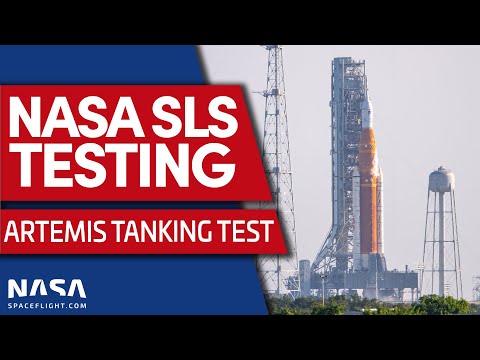
NASA Adjusts Dates for Artemis I Cryogenic Demonstration Test and Launch; Progress at Pad Continues
NASA has adjusted the targeted dates for a cryogenic demonstration test and to the next launch opportunities for Artemis I, the first integrated flight test of the Space Launch System rocket and Orion spacecraft beyond the Moon. The agency will conduct the demonstration test no earlier than Wednesday, Sept. 21,
and has updated its request for a launch opportunity Sept. 27,
with a potential backup opportunity of Oct. 2 under review.
NASA has adjusted the targeted dates for a cryogenic demonstration test and to the next launch opportunities for Artemis I, the first integrated flight test of the Space Launch System rocket and Orion spacecraft beyond the Moon. The agency will conduct the demonstration test no earlier than Wednesday, Sept. 21,
and has updated its request for a launch opportunity Sept. 27,
with a potential backup opportunity of Oct. 2 under review.
<a href="http://www.vwkweb.nl/" rel="nofollow" target="_blank">[b]Vereniging voor weerkunde en klimatologie[/b]</a>
<a href="http://www.estofex.org/" rel="nofollow" target="_blank">[b]ESTOFEX[/b]</a>
<a href="http://www.estofex.org/" rel="nofollow" target="_blank">[b]ESTOFEX[/b]</a>
Tests oke.quote:
Nu nog het weer

<a href="http://www.vwkweb.nl/" rel="nofollow" target="_blank">[b]Vereniging voor weerkunde en klimatologie[/b]</a>
<a href="http://www.estofex.org/" rel="nofollow" target="_blank">[b]ESTOFEX[/b]</a>
<a href="http://www.estofex.org/" rel="nofollow" target="_blank">[b]ESTOFEX[/b]</a>
Here we go again 
Nasa delays Artemis 1 moon rocket launch again as tropical storm Ian looms
Third delay in the past month for test flight as technical issues and weather hamper US effort to return to the moon after five decades
The Nasa moon rocket for the Artemis mission stands at the Kennedy Space Centre, Florida.
The launch the lunar-orbiting test flight has been delayed over concerns about tropical storm Ian.
Photograph: John Raoux/AP
Nasa is skipping Tuesday’s launch attempt of its new moon rocket over concerns about a tropical storm headed to Florida that could become a major hurricane.
It’s the third delay in the past month for the lunar-orbiting test flight featuring mannequins but no astronauts, a follow-up to Nasa’s Apollo moon-landing program of a half-century ago.
Hydrogen fuel leaks and other technical issues caused the previous scrubs.
Currently churning in the Caribbean, tropical storm Ian is expected to become a hurricane by Monday and slam into Florida’s Gulf coast by Thursday.
The entire state, however, is in the cone showing the probable path of the storm’s center, including Nasa’s Kennedy Space Center.
Given the forecast uncertainties, Nasa decided on Saturday to forgo Tuesday’s planned launch attempt and instead prepare the 322-foot (98-meter) rocket for a possible return to its hangar. Managers will decide on Sunday whether to haul it off the launch pad.
If the rocket remains at the pad, Nasa could try for a 2 October launch attempt, the last opportunity before a two-week blackout period. But a rollback late on Sunday or early on Monday would likely mean a lengthy delay for the test flight, possibly pushing it into November.
Artemis I, the uncrewed test flight, signals a major turning point for Nasa’s post-Apollo human spaceflight program, after decades focused on low-Earth orbit with space shuttles and the International Space Station.
Named for the goddess who was Apollo’s twin sister in ancient Greek mythology, Artemis will be headed to the moon, as a stepping stone for a future flight to Mars. The Space Launch System rocket is the most powerful ever built by Nasa.
Assuming its first test flight goes well, astronauts would climb aboard for the next mission in 2024, leading to a two-person moon landing in 2025.
Associated Press and Reuters contributed to this report
Nasa delays Artemis 1 moon rocket launch again as tropical storm Ian looms
Third delay in the past month for test flight as technical issues and weather hamper US effort to return to the moon after five decades
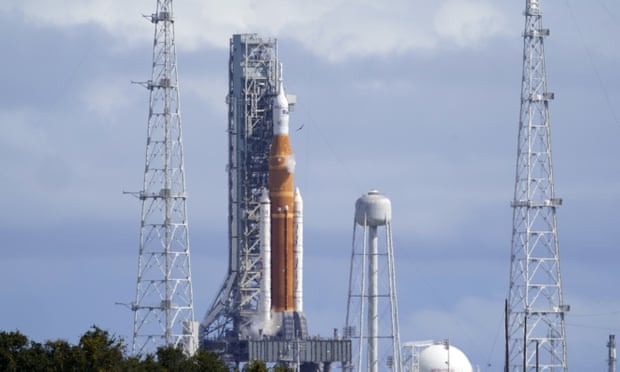
The Nasa moon rocket for the Artemis mission stands at the Kennedy Space Centre, Florida.
The launch the lunar-orbiting test flight has been delayed over concerns about tropical storm Ian.
Photograph: John Raoux/AP
Nasa is skipping Tuesday’s launch attempt of its new moon rocket over concerns about a tropical storm headed to Florida that could become a major hurricane.
It’s the third delay in the past month for the lunar-orbiting test flight featuring mannequins but no astronauts, a follow-up to Nasa’s Apollo moon-landing program of a half-century ago.
Hydrogen fuel leaks and other technical issues caused the previous scrubs.
Currently churning in the Caribbean, tropical storm Ian is expected to become a hurricane by Monday and slam into Florida’s Gulf coast by Thursday.
The entire state, however, is in the cone showing the probable path of the storm’s center, including Nasa’s Kennedy Space Center.
Given the forecast uncertainties, Nasa decided on Saturday to forgo Tuesday’s planned launch attempt and instead prepare the 322-foot (98-meter) rocket for a possible return to its hangar. Managers will decide on Sunday whether to haul it off the launch pad.
If the rocket remains at the pad, Nasa could try for a 2 October launch attempt, the last opportunity before a two-week blackout period. But a rollback late on Sunday or early on Monday would likely mean a lengthy delay for the test flight, possibly pushing it into November.
Artemis I, the uncrewed test flight, signals a major turning point for Nasa’s post-Apollo human spaceflight program, after decades focused on low-Earth orbit with space shuttles and the International Space Station.
Named for the goddess who was Apollo’s twin sister in ancient Greek mythology, Artemis will be headed to the moon, as a stepping stone for a future flight to Mars. The Space Launch System rocket is the most powerful ever built by Nasa.
Assuming its first test flight goes well, astronauts would climb aboard for the next mission in 2024, leading to a two-person moon landing in 2025.
Associated Press and Reuters contributed to this report
<a href="http://www.vwkweb.nl/" rel="nofollow" target="_blank">[b]Vereniging voor weerkunde en klimatologie[/b]</a>
<a href="http://www.estofex.org/" rel="nofollow" target="_blank">[b]ESTOFEX[/b]</a>
<a href="http://www.estofex.org/" rel="nofollow" target="_blank">[b]ESTOFEX[/b]</a>
Ik zie die Artemis met nadruk op de drie laatste letters, voorlopig nog helemaal niet gaan. Begint een miskleuntje te worden, een soort Apollo 13.
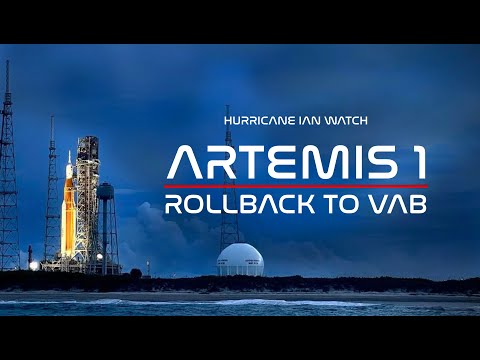
Live Rollback to the VAB
<a href="http://www.vwkweb.nl/" rel="nofollow" target="_blank">[b]Vereniging voor weerkunde en klimatologie[/b]</a>
<a href="http://www.estofex.org/" rel="nofollow" target="_blank">[b]ESTOFEX[/b]</a>
<a href="http://www.estofex.org/" rel="nofollow" target="_blank">[b]ESTOFEX[/b]</a>
Het circus is weer geopend.
https://www.theverge.com/(...)ight-launch-nasa-slsquote:NASA has confirmed its next launch attempt for the Artemis I mission will be at night, with a midnight launch scheduled for the early hours of Monday, November 14th. Following a difficult few months attempting to get the Space Launch System rocket off the ground for the first time, including several wet dress rehearsals, two previous launch attempts, a tanking test, and an interruption from a hurricane, the rocket will begin rolling back out to Launch Pad 39B at Kennedy Space Center in Florida just after midnight on Friday, November 4th.
A night launch means lower visibility, and NASA representatives said they would have preferred a daylight launch. However, the team was confident that a night launch could be done safely and meet all the mission requirements, said Jim Free, associate administrator at NASA’s Exploration Systems Development Mission Directorate. As for the public audience, the night launch means the view won’t be as good, but there should still be some visuals available.
Ik begreep dat als die deze keer weer terug moet naar de hangar dat ze dan een probleem hebben omdat dat ding maar gemaakt is om 3 keer verreden te worden. Iemand daar een bron bij?quote:
Het circus is weer geopend.
[..]
https://www.theverge.com/(...)ight-launch-nasa-sls
🕰️₿🕰️₿🕰️₿🕰️₿🕰️₿🕰️ TikTok next Block

<a href="http://www.vwkweb.nl/" rel="nofollow" target="_blank">[b]Vereniging voor weerkunde en klimatologie[/b]</a>
<a href="http://www.estofex.org/" rel="nofollow" target="_blank">[b]ESTOFEX[/b]</a>
<a href="http://www.estofex.org/" rel="nofollow" target="_blank">[b]ESTOFEX[/b]</a>
Lancering verplaatst naar woensdag 16 november.
<a href="http://www.vwkweb.nl/" rel="nofollow" target="_blank">[b]Vereniging voor weerkunde en klimatologie[/b]</a>
<a href="http://www.estofex.org/" rel="nofollow" target="_blank">[b]ESTOFEX[/b]</a>
<a href="http://www.estofex.org/" rel="nofollow" target="_blank">[b]ESTOFEX[/b]</a>


Daar durf ik me niet meer over uit te latenquote:

Het zou wel heel erg tof zijn ...

My age is very
Inappropriate
for my behavior
Inappropriate
for my behavior
Wekker zetten?
"This is your life and it's ending one minute at a time." - Tyler Durden
"Sand is overrated. It's just tiny, little rocks." - Joel
"Sand is overrated. It's just tiny, little rocks." - Joel
06:04quote:

En zingen wij....of juichen wij.....of stel je ons teleur
Oranje is...oranje blijft.....de allermooiste kleur!
Oranje is...oranje blijft.....de allermooiste kleur!
En dan zie je dat dat kreng alsnog ontploft na 2 seconden. 
Wat een misbaksel is dat ding.
De 60-er jaren, dat waren tijden.
Wat een misbaksel is dat ding.
De 60-er jaren, dat waren tijden.
7 uur is zou echt perfect zijnquote:
[..]
Zodat je een uurtje rustig kunt ontbijten

Je bedoeld dat die tijd niet klopt?quote:
[..]
Zodat je een uurtje rustig kunt ontbijten
En zingen wij....of juichen wij.....of stel je ons teleur
Oranje is...oranje blijft.....de allermooiste kleur!
Oranje is...oranje blijft.....de allermooiste kleur!
07:04 CET is de geplande tijdquote:Op dinsdag 15 november 2022 22:53 schreef engine het volgende:
[..]
Je bedoeld dat die tijd niet klopt?
En zingen wij....of juichen wij.....of stel je ons teleur
Oranje is...oranje blijft.....de allermooiste kleur!
Oranje is...oranje blijft.....de allermooiste kleur!
4:00 a.m. · 16 nov. 2022
Twitter Web App
Launch Director Charlie Blackwell-Thompson
has just given the 'go' for the specialized 'red team'
to enter the Launch Pad 39B to tighten bolts
on a valve on the mobile launcher.
4:20
The red crew has completed their work tightening bolts
on the leaky hydrogen valve in the mobile launcher.
They have left the launchpad area.
Twitter Web App
Launch Director Charlie Blackwell-Thompson
has just given the 'go' for the specialized 'red team'
to enter the Launch Pad 39B to tighten bolts
on a valve on the mobile launcher.
4:20
The red crew has completed their work tightening bolts
on the leaky hydrogen valve in the mobile launcher.
They have left the launchpad area.
<a href="http://www.vwkweb.nl/" rel="nofollow" target="_blank">[b]Vereniging voor weerkunde en klimatologie[/b]</a>
<a href="http://www.estofex.org/" rel="nofollow" target="_blank">[b]ESTOFEX[/b]</a>
<a href="http://www.estofex.org/" rel="nofollow" target="_blank">[b]ESTOFEX[/b]</a>
Kan goed zijn dat ik de enige ben die daar nu pas achter komt
Maar hier zocht ik naar
Ik post em hier ook nog maar ff
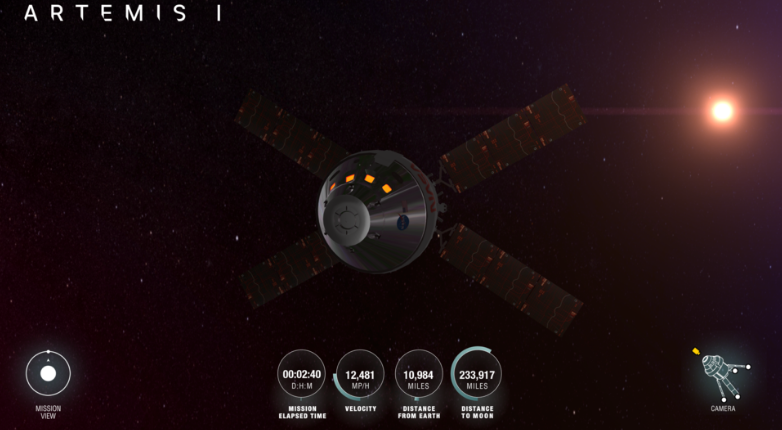
tracking Orion’s location online
https://www.nasa.gov/specials/trackartemis/
Maar hier zocht ik naar
Ik post em hier ook nog maar ff
tracking Orion’s location online
https://www.nasa.gov/specials/trackartemis/
My age is very
Inappropriate
for my behavior
Inappropriate
for my behavior
Go for launch 
<a href="http://www.vwkweb.nl/" rel="nofollow" target="_blank">[b]Vereniging voor weerkunde en klimatologie[/b]</a>
<a href="http://www.estofex.org/" rel="nofollow" target="_blank">[b]ESTOFEX[/b]</a>
<a href="http://www.estofex.org/" rel="nofollow" target="_blank">[b]ESTOFEX[/b]</a>
[ Bericht 51% gewijzigd door -CRASH- op 18-11-2022 14:41:25 ]
<a href="http://www.vwkweb.nl/" rel="nofollow" target="_blank">[b]Vereniging voor weerkunde en klimatologie[/b]</a>
<a href="http://www.estofex.org/" rel="nofollow" target="_blank">[b]ESTOFEX[/b]</a>
<a href="http://www.estofex.org/" rel="nofollow" target="_blank">[b]ESTOFEX[/b]</a>
https://solarsystem.nasa.(...)lar-system/overview/quote:
Kan goed zijn dat ik de enige ben die daar nu pas achter komt
Maar hier zocht ik naar
Ik post em hier ook nog maar ff
tracking Orion’s location online
https://www.nasa.gov/specials/trackartemis/
[ afbeelding ]

<a href="http://www.vwkweb.nl/" rel="nofollow" target="_blank">[b]Vereniging voor weerkunde en klimatologie[/b]</a>
<a href="http://www.estofex.org/" rel="nofollow" target="_blank">[b]ESTOFEX[/b]</a>
<a href="http://www.estofex.org/" rel="nofollow" target="_blank">[b]ESTOFEX[/b]</a>
Thnx!quote:
[..]
https://solarsystem.nasa.(...)lar-system/overview/
[ afbeelding ]
My age is very
Inappropriate
for my behavior
Inappropriate
for my behavior
Of op youtube:quote:
Kan goed zijn dat ik de enige ben die daar nu pas achter komt
Maar hier zocht ik naar
Ik post em hier ook nog maar ff
tracking Orion’s location online
https://www.nasa.gov/specials/trackartemis/
[ afbeelding ]

Free Assange! Hack the Planet
[b]Op dinsdag 6 januari 2009 19:59 schreef Papierversnipperaar het volgende:[/b]
De gevolgen van de argumenten van de anti-rook maffia
[b]Op dinsdag 6 januari 2009 19:59 schreef Papierversnipperaar het volgende:[/b]
De gevolgen van de argumenten van de anti-rook maffia
Combi van de 2 trackers in afzonderlijke screensquote:
<a href="http://www.vwkweb.nl/" rel="nofollow" target="_blank">[b]Vereniging voor weerkunde en klimatologie[/b]</a>
<a href="http://www.estofex.org/" rel="nofollow" target="_blank">[b]ESTOFEX[/b]</a>
<a href="http://www.estofex.org/" rel="nofollow" target="_blank">[b]ESTOFEX[/b]</a>

Bijna.....bijna

<a href="http://www.vwkweb.nl/" rel="nofollow" target="_blank">[b]Vereniging voor weerkunde en klimatologie[/b]</a>
<a href="http://www.estofex.org/" rel="nofollow" target="_blank">[b]ESTOFEX[/b]</a>
<a href="http://www.estofex.org/" rel="nofollow" target="_blank">[b]ESTOFEX[/b]</a>

<a href="http://www.vwkweb.nl/" rel="nofollow" target="_blank">[b]Vereniging voor weerkunde en klimatologie[/b]</a>
<a href="http://www.estofex.org/" rel="nofollow" target="_blank">[b]ESTOFEX[/b]</a>
<a href="http://www.estofex.org/" rel="nofollow" target="_blank">[b]ESTOFEX[/b]</a>

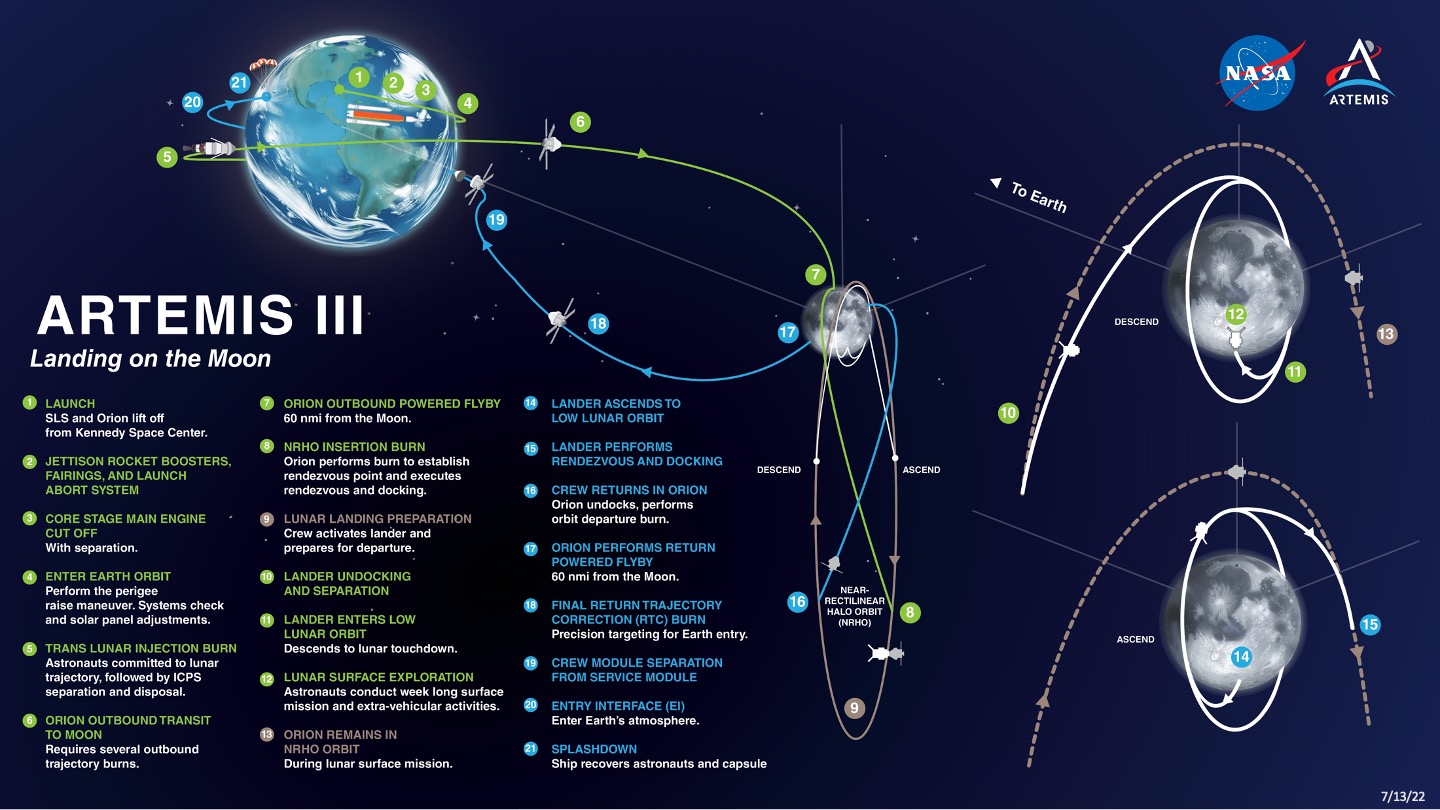
Wat houdt dat 'burn' gedeelte in? Wat gaat er dan gebeuren?
[ Bericht 75% gewijzigd door onlogisch op 21-11-2022 12:42:13 ]
quote:The outbound powered flyby burn is the first of a pair of maneuvers required to enter a distant retrograde orbit around the Moon. NASA will cover the maneuver live starting at 7:15 a.m. EST on the agency's website, NASA Television, and the NASA app.
[ Bericht 75% gewijzigd door onlogisch op 21-11-2022 12:42:13 ]



<a href="http://www.vwkweb.nl/" rel="nofollow" target="_blank">[b]Vereniging voor weerkunde en klimatologie[/b]</a>
<a href="http://www.estofex.org/" rel="nofollow" target="_blank">[b]ESTOFEX[/b]</a>
<a href="http://www.estofex.org/" rel="nofollow" target="_blank">[b]ESTOFEX[/b]</a>
Wat is de maan een saai object zeg... 1 van de redenen waarom we niet snel terug zijn gegaan.quote:
[ afbeelding ]
[ afbeelding ]
[ afbeelding ]
En daarna een BSOD.quote:
[ afbeelding ]
[ afbeelding ]
[ afbeelding ]

Of dat echt nodig is lijkt mij niet.quote:
Nog steeds geen sats in polar orbits... misschien handig?
Want als er mensen heen gaan. Landen ze op de zuidpool van de maan
Lunar Reconnaissance:
Lunar Reconnaissance Orbiter has been mapping and photographing the Moon in high-definition since 2009.
Capstone:
Cislunar Autonomous Positioning System Technology Operations and Navigation Experiment (CAPSTONE) is a lunar orbiter that will test and verify a unique, elliptical orbit that is planned for the Gateway space station.
<a href="http://www.vwkweb.nl/" rel="nofollow" target="_blank">[b]Vereniging voor weerkunde en klimatologie[/b]</a>
<a href="http://www.estofex.org/" rel="nofollow" target="_blank">[b]ESTOFEX[/b]</a>
<a href="http://www.estofex.org/" rel="nofollow" target="_blank">[b]ESTOFEX[/b]</a>
Wrong. komt vooral door een gebrek aan politieke wil.quote:
[..]
Wat is de maan een saai object zeg... 1 van de redenen waarom we niet snel terug zijn gegaan.
Ze gaven liever het geld uit aan de vietnam oorlog.
<a href="http://www.vwkweb.nl/" rel="nofollow" target="_blank">[b]Vereniging voor weerkunde en klimatologie[/b]</a>
<a href="http://www.estofex.org/" rel="nofollow" target="_blank">[b]ESTOFEX[/b]</a>
<a href="http://www.estofex.org/" rel="nofollow" target="_blank">[b]ESTOFEX[/b]</a>
Natuurlijk; alle beslissingen zijn poltieke wil.quote:
[..]
Wrong. komt vooral door een gebrek aan politieke wil.
Ze gaven liever het geld uit aan de vietnam oorlog.

<a href="http://www.vwkweb.nl/" rel="nofollow" target="_blank">[b]Vereniging voor weerkunde en klimatologie[/b]</a>
<a href="http://www.estofex.org/" rel="nofollow" target="_blank">[b]ESTOFEX[/b]</a>
<a href="http://www.estofex.org/" rel="nofollow" target="_blank">[b]ESTOFEX[/b]</a>
En Orion laat weer "een scheetje" voor Distant Lunar Orbit Insertion.
<a href="http://www.vwkweb.nl/" rel="nofollow" target="_blank">[b]Vereniging voor weerkunde en klimatologie[/b]</a>
<a href="http://www.estofex.org/" rel="nofollow" target="_blank">[b]ESTOFEX[/b]</a>
<a href="http://www.estofex.org/" rel="nofollow" target="_blank">[b]ESTOFEX[/b]</a>
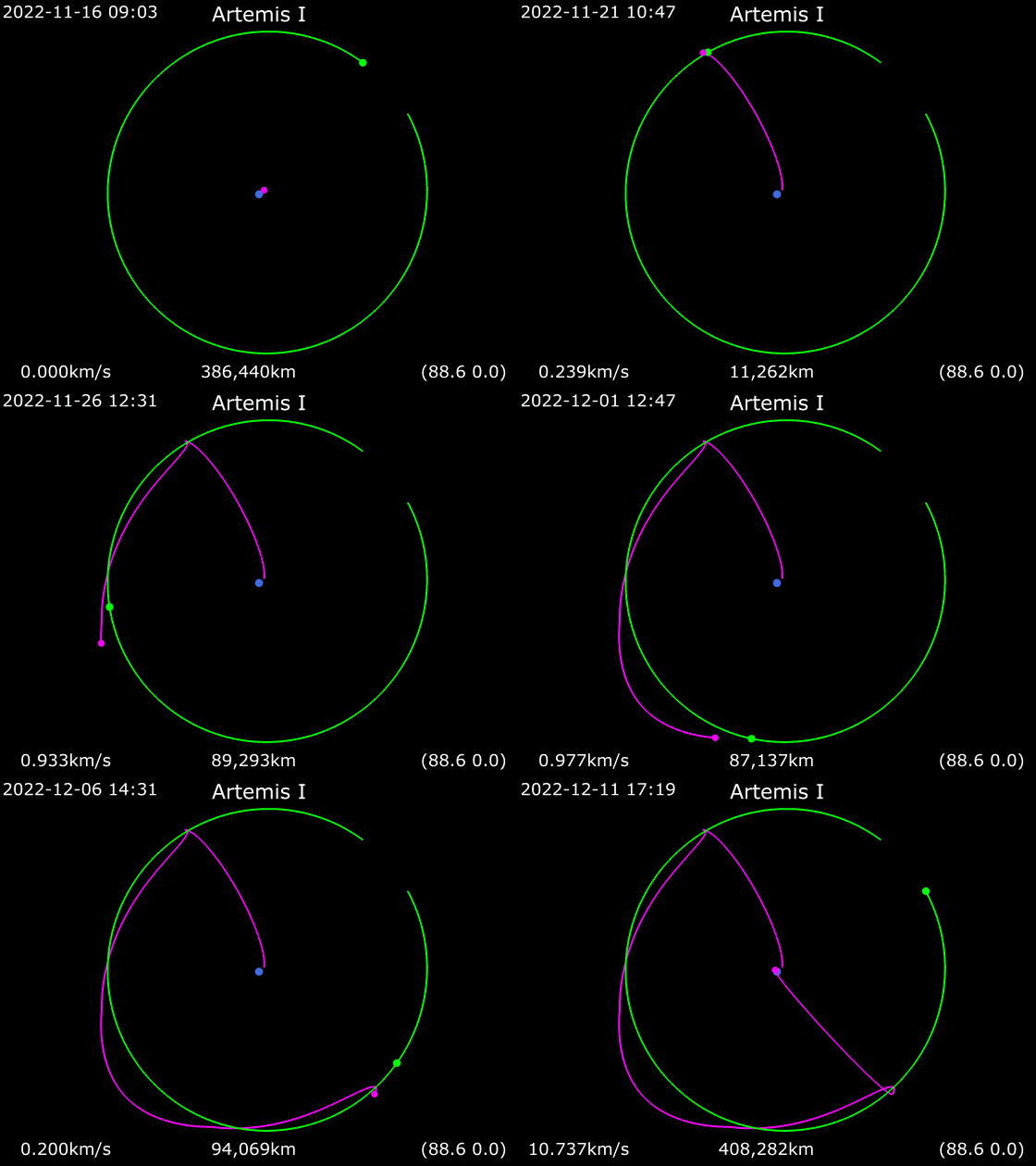

Ben benieuwd of we vandaag foto's krijgen
van een samenstand van de maan en aarde
van een samenstand van de maan en aarde


<a href="http://www.vwkweb.nl/" rel="nofollow" target="_blank">[b]Vereniging voor weerkunde en klimatologie[/b]</a>
<a href="http://www.estofex.org/" rel="nofollow" target="_blank">[b]ESTOFEX[/b]</a>
<a href="http://www.estofex.org/" rel="nofollow" target="_blank">[b]ESTOFEX[/b]</a>

<a href="http://www.vwkweb.nl/" rel="nofollow" target="_blank">[b]Vereniging voor weerkunde en klimatologie[/b]</a>
<a href="http://www.estofex.org/" rel="nofollow" target="_blank">[b]ESTOFEX[/b]</a>
<a href="http://www.estofex.org/" rel="nofollow" target="_blank">[b]ESTOFEX[/b]</a>
<a href="http://www.vwkweb.nl/" rel="nofollow" target="_blank">[b]Vereniging voor weerkunde en klimatologie[/b]</a>
<a href="http://www.estofex.org/" rel="nofollow" target="_blank">[b]ESTOFEX[/b]</a>
<a href="http://www.estofex.org/" rel="nofollow" target="_blank">[b]ESTOFEX[/b]</a>
<a href="http://www.vwkweb.nl/" rel="nofollow" target="_blank">[b]Vereniging voor weerkunde en klimatologie[/b]</a>
<a href="http://www.estofex.org/" rel="nofollow" target="_blank">[b]ESTOFEX[/b]</a>
<a href="http://www.estofex.org/" rel="nofollow" target="_blank">[b]ESTOFEX[/b]</a>
<a href="http://www.vwkweb.nl/" rel="nofollow" target="_blank">[b]Vereniging voor weerkunde en klimatologie[/b]</a>
<a href="http://www.estofex.org/" rel="nofollow" target="_blank">[b]ESTOFEX[/b]</a>
<a href="http://www.estofex.org/" rel="nofollow" target="_blank">[b]ESTOFEX[/b]</a>
<a href="http://www.vwkweb.nl/" rel="nofollow" target="_blank">[b]Vereniging voor weerkunde en klimatologie[/b]</a>
<a href="http://www.estofex.org/" rel="nofollow" target="_blank">[b]ESTOFEX[/b]</a>
<a href="http://www.estofex.org/" rel="nofollow" target="_blank">[b]ESTOFEX[/b]</a>
Die is dus niet helemaal goed gegaan. Lekkagequote:

Hopelijk is het niet te ernstig, hoewel een lek altijd ernstig klinktquote:NASA fuelled up the Artemis 2 mission's Space Launch System (SLS) rocket on Monday (February 2) as part of a crucial test before Orion lifts off for the Moon. The space agency mission loaded the Space Launch System (SLS) rocket with more than 700,000 gallons (2.65 million litres) of cryogenic liquid hydrogen (LH2) and liquid oxygen (LOX) on Pad 39B at Kennedy Space Center (KSC) in Florida. Artemis 2 is scheduled to lift off not before February 8. However, the test showed a leak. Can this push the launch date forward? The good news is that even though the teams had to stop loading LH2 into the SLS core stage twice to deal with leaks, they were able to fix the problem immediately. The fuelling test ran over two days, starting January 31 and ending with the fuelling of the rocket. The wet dress rehearsal won't be over till 1 am EST, as all the loaded-up fuel will then be drained out. NASA hasn't officially called the test a success, as the test is still going on. It will hold a press conference at 12 pm EST on Tuesday (February 3) and reveal the details of the fuelling test.

Maandje vertraging.
quote:NASA said Tuesday it was delaying its mission to send four astronauts on a journey around the moon, after issues arose during a critical test of its enormous rocket.
Mission managers were conducting an elaborate launch day walkthrough, known as a “wet dress rehearsal,” at Kennedy Space Center in Florida when engineers detected leaking hydrogen at the base of the Space Launch System rocket. NASA was forced to end the test a little after midnight ET, with around 5 minutes and 15 seconds remaining in the simulated launch countdown.
Shortly after 2 a.m. ET on Tuesday, NASA announced it would forgo February’s launch window for the Artemis II mission around the moon, which extended from Friday through Feb. 11, to allow teams to review data and conduct another wet dress rehearsal. It said it will now aim for March “as the earliest possible launch opportunity.”
The space agency has said there are available launch opportunities from March 6 through March 9, and on March 11, with additional dates in April, if needed.
NASA’s wet dress rehearsal was essentially an elaborate launch day walkthrough that allowed mission managers to assess the performance and readiness of the rocket. Officials are expected to discuss early results from the test in a briefing on Tuesday at 12 p.m. ET.
“With more than three years between SLS launches, we fully anticipated encountering challenges,” NASA Administrator Jared Isaacman wrote in a post on X. “That is precisely why we conduct a wet dress rehearsal. These tests are designed to surface issues before flight and set up launch day with the highest probability of success.”
The hourslong rehearsal involved filling the Space Launch System rocket with more than 700,000 gallons of cryogenic propellant and simulating each step of the launch countdown as would occur on the actual day.
During the fueling process, which got underway at around 12:30 p.m. ET on Monday, mission managers twice paused proceedings to investigate leaking hydrogen fuel at the tail end of the rocket.
Despite eventually pressing on and conducting tests of the Orion spacecraft, which sits atop the rocket, the hydrogen leaks cropped up again in the final minutes of the simulated launch countdown.
NASA said that systems aboard the rocket that are designed to take over control of the booster in the final minutes before liftoff “automatically stopped the countdown due to a spike in the liquid hydrogen leak rate.”
Additionally, engineers will investigate several audio issues in communications channels used by ground teams that occurred during the wet dress rehearsal.
The four astronauts who were set to fly on the Artemis II flight — NASA astronauts Reid Wiseman, Christina Koch and Victor Glover and Canadian astronaut Jeremy Hansen — were set to arrive at Kennedy Space Center Tuesday afternoon. They had been in quarantine in Houston since Jan. 21 to protect against preflight exposure to germs.
But NASA said the astronauts will now be released from quarantine and will not travel to Florida as planned.
Instead, the crew will enter quarantine again roughly two weeks before the next targeted launch opportunity, according to the agency.
Artemis II will be the second trip to space for NASA’s Space Launch System rocket and Orion capsule, but the first time they carry humans.
The much-anticipated launch is expected to represent a crucial step toward realizing NASA’s goal of returning astronauts to the lunar surface.
A previous uncrewed Artemis I flight around the moon in 2022 was delayed six months because of hydrogen leaks identified during its first wet dress rehearsal.
With humans set to fly aboard the Space Launch System rocket and Orion capsule for the first time, the stakes for the Artemis II flight are high.
“As always, safety remains our top priority, for our astronauts, our workforce, our systems, and the public,” Isaacman said on X, adding that NASA “will only launch when we believe we are ready to undertake this historic mission.”

<a href="http://www.vwkweb.nl/" rel="nofollow" target="_blank">[b]Vereniging voor weerkunde en klimatologie[/b]</a>
<a href="http://www.estofex.org/" rel="nofollow" target="_blank">[b]ESTOFEX[/b]</a>
<a href="http://www.estofex.org/" rel="nofollow" target="_blank">[b]ESTOFEX[/b]</a>
<a href="http://www.vwkweb.nl/" rel="nofollow" target="_blank">[b]Vereniging voor weerkunde en klimatologie[/b]</a>
<a href="http://www.estofex.org/" rel="nofollow" target="_blank">[b]ESTOFEX[/b]</a>
<a href="http://www.estofex.org/" rel="nofollow" target="_blank">[b]ESTOFEX[/b]</a>
Hier verderop zit een bedrijf in feestartikelen, ik kan daar vast wel wat heliumballonnen voor ze regelen 
Voor een stevige prijs uiteraard
Voor een stevige prijs uiteraard
Perhaps you've seen it, maybe in a dream.
A murky, forgotten land.
A murky, forgotten land.
NASA’s Artemis 2 rocket hit by new problem expected to bump moonshot into early April
February 21, 2026 William Harwood
February 21, 2026 William Harwood
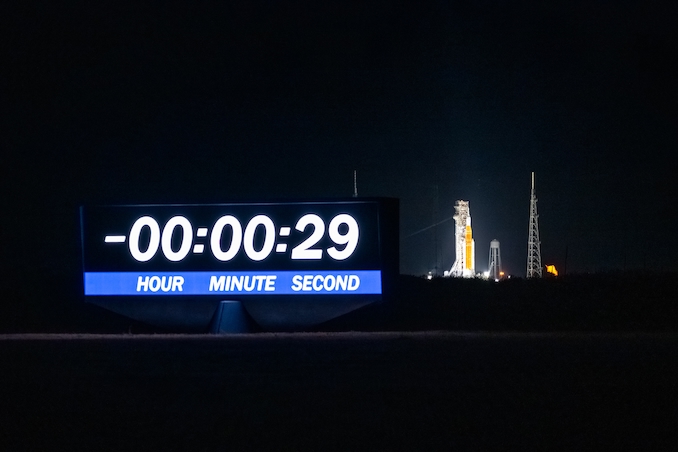
quote:Engineers ran into problems repressurizing the Artemis 2 moon rocket’s upper stage helium tanks overnight Friday, a problem that will require rolling the huge rocket off the launch pad and back to its processing hangar for troubleshooting. The work will push the already delayed mission from March to at least early April, officials said Saturday.
Pressurized helium is used to push propellants to rocket engines for ignition and to purge various fuel lines to clear them out before propellants flow. It’s not yet known what might be preventing helium to flow back into the SLS rocket’s upper stage following a successful countdown rehearsal test that ended Thursday.
“Regardless of the potential fault, accessing and remediating any of these issues can only be performed in the VAB (Vehicle Assembly Building),” NASA Administrator Jared Isaacman said in a post on the social media platform X. “We will begin preparations for rollback, and this will take the March launch window out of consideration.”
The Artemis 2 mission aims to send four astronauts – Reid Wiseman, Victor Glover, Christina Koch and Canadian astronaut Jeremy Hansen – on a flight around the far side of the moon and back to thoroughly test the agency’s Orion deep space capsule to help clear the way for a lunar landing mission, Artemis 3, in 2028.
Because of the ever-changing positions of the Earth and moon, and associated changes in lighting and other factors, only a handful of launch opportunities are available each month that meet the Artemis 2 mission requirements. The current launch period ends on March 11. The available launch dates next month are April 1, 3, 4, 5 and 6.
Wiseman, Glover, Koch and Hansen originally hoped to launch early this month, but hydrogen leaks detected during an initial “wet dress countdown” rehearsal ultimately pushed the flight to March.
NASA completed a second fueling test and countdown Thursday, loading the Space Launch System rocket with more than 750,000 gallons of liquid oxygen and hydrogen fuel while working through the steps that will be needed to actually launch the huge rocket on the long-awaited mission.
The test went well, there were no fuel leaks like the ones that derailed plans for a launch earlier this month. Managers said Friday the team would press ahead for a launch attempt on March 6 to send Wiseman and his crewmates to the moon.
Hoping for the best, the astronauts went into pre-flight medical quarantine at the Johnson Space Center Friday evening and planned to fly to the Kennedy Space Center on March 1 to prepare for launch. They now will leave quarantine to await developments.
“I understand people are disappointed by this development,” Isaacman said. “That disappointment is felt most by the team at NASA, who have been working tirelessly to prepare for this great endeavor. During the 1960s, when NASA achieved what most thought was impossible, and what has never been repeated since, there were many setbacks.
“There are many differences between the 1960s and today, and expectations should rightfully be high after the time and expense invested in this program.
“I will say again, the President created Artemis as a program that will far surpass what America achieved during Apollo. We will return in the years ahead, we will build a Moon base, and undertake what should be continuous missions to and from the lunar environment. Where we begin with this architecture and flight rate is not where it will end
<a href="http://www.vwkweb.nl/" rel="nofollow" target="_blank">[b]Vereniging voor weerkunde en klimatologie[/b]</a>
<a href="http://www.estofex.org/" rel="nofollow" target="_blank">[b]ESTOFEX[/b]</a>
<a href="http://www.estofex.org/" rel="nofollow" target="_blank">[b]ESTOFEX[/b]</a>
<a href="http://www.vwkweb.nl/" rel="nofollow" target="_blank">[b]Vereniging voor weerkunde en klimatologie[/b]</a>
<a href="http://www.estofex.org/" rel="nofollow" target="_blank">[b]ESTOFEX[/b]</a>
<a href="http://www.estofex.org/" rel="nofollow" target="_blank">[b]ESTOFEX[/b]</a>
Nasa announces Artemis III mission no longer aims to send humans to moon
quote:Plans to return humans to the moon will come in later
mission as agency grapples with delays and glitches
Nasa announces Artemis III mission no longer aims to send humans to moon
Plans to return humans to the moon will come in later mission as agency grapples with delays and glitches
Ed Pilkington
Fri 27 Feb 2026 19.16 CET
Nasa announced on Friday radical changes to its delayed Artemis III mission to land humans back on the moon, as the US space agency grapples with technical glitches and criticism that it is trying to do too much too soon.
The abrupt shift in strategy was laid out by the space agency’s recently confirmed administrator, Jared Isaacman. Announcing the changes on Friday, he said that Nasa would introduce at least one new moon flight before attempting to put humans back on the lunar surface for the first time in more than half a century, in 2028.
The new, more incremental approach would give the Nasa team a chance to test flight and refine its technology. As part of the changes, the Artemis II mission to fly humans around the moon this year, without landing, would also be pushed back from its latest scheduled launch on 6 March to 1 April at the earliest.
“Everybody agrees this is the only way forward,” Isaacman told reporters at a news conference. “I know this is how Nasa changed the world, and this is how Nasa is going to do it again.”
The revised course came as Nasa has been wrestling with a number of delays and technical problems. Earlier this week, the independent body that reviews space safety issued a blunt report sharply criticising the space agency’s current plans as too risky.
The aerospace safety advisory panel recommended that Nasa rethink its objectives for Artemis III, which had been conceived as the first human landing on the moon since the final flight in the Apollo series in December 1972. The panel said that the call for a revision was urgent, “given the demanding mission goals”.
Isaacman said that under the new plan, the eventual moon landing would be achieved through evolutionary steps rather than big leaps in technological procedures. “We’re going to get there in steps, continue to take down risk as we learn more and we roll that information into subsequent designs,” he told CBS News.
He added: “We’ve got to get back to basics.”
Step one in the revised schedule is the launch of the Artemis II moon mission, which has been plagued by delays. The rocket was returned to its hangar at the Kennedy Space Center in Florida earlier this week.
Engineers had discovered a blockage in the rocket’s helium flow in the upper stage of the booster.
The latest delay followed disappointment in February, when Nasa was forced to put off the launch of Artemis II after hydrogen was found leaking from its Space Launch System rocket.
Artemis II will send four astronauts on a 10-day journey around the moon, designed to take people further into space than ever before, beyond the record set by Apollo 13 in 1970.
Isaacman said on Friday that additional missions would then be included in the schedule. He likened the extra steps to the approach taken in Nasa’s original moon landing in which Neil Armstrong and Buzz Aldrin first stepped on to the lunar surface in 20 July 1969.
That legendary event was hazarded only after three separate moon missions had been completed.
The Artemis III mission will no longer aim to land on the moon. Instead, under the revised plans, it will be launched by mid-2027 as a low-Earth orbit designed to test essential technologies.
That extra stage is intended to give Nasa extra flight experience with the massively complex advanced systems and the chance to test its space vehicles before it attempts a human moon landing. Should all that go to plan, then a new Artemis IV mission would set out in 2028 to land on the moon.
The eventual aspiration is to land astronauts near the moon’s south pole. A second moon landing, Artemis V, could be conducted in 2028, followed by a moonshot attempted each year thereafter, Nasa said.
<a href="http://www.vwkweb.nl/" rel="nofollow" target="_blank">[b]Vereniging voor weerkunde en klimatologie[/b]</a>
<a href="http://www.estofex.org/" rel="nofollow" target="_blank">[b]ESTOFEX[/b]</a>
<a href="http://www.estofex.org/" rel="nofollow" target="_blank">[b]ESTOFEX[/b]</a>
quote:
Nasa announces Artemis III mission no longer aims to send humans to moon
[..]
Track NASA’s Artemis II Mission in Real Time
The NASA app (www.nasa.gov/nasa-app)
[ Bericht 74% gewijzigd door -CRASH- op 09-03-2026 23:00:32 ]
NASA’s website (www.nasa.gov/trackartemis)quote:As NASA invites the public to follow the Artemis II mission as a crew of four astronauts venture around the Moon inside the agency's Orion spacecraft, people around the world can pinpoint Orion during its journey using the Artemis Real-time Orbit Website (AROW).
During the approximately 10-day mission, NASA will test how the spacecraft's systems operate as designed with crew aboard in the deep space environment. Using AROW, anyone with internet access can track where Orion and the crew are, including their distance from Earth, distance from the Moon, mission duration, and more. Access to AROW is available on:
The NASA app (www.nasa.gov/nasa-app)
quote:Using AROW, the public can visualize data that is collected by sensors on Orion and then sent to the Mission Control Center at NASA's Johnson Space Center in Houston during its flight. It will provide constant information using this real-time data beginning about one minute after liftoff through Orion's atmospheric reentry to Earth at the end of the mission.
Online, users can follow AROW to see where Orion and the crew are in relation to the Earth and the Moon and follow Orion's path during the mission. Users can view key mission milestones and characteristics on the Moon, including information about landing sites from the Apollo program.
The mobile app includes similar features to the website, with the addition of augmented reality tracker. After a brief calibration sequence, on-screen indicators will direct users where to move their phone to see where Orion currently is relative to their position on Earth. Mobile app tracking will be available once Orion separates from the rocket's upper stage, approximately three hours into the mission.
State vectors, or data that describes precisely where Orion is located and how it moves, also will be provided by AROW, following a proximity operations demonstration to evaluate the manual handling qualities of Orion.
These vectors can be used for data lovers, artists, and creatives to make their own tracking app or data visualization. Also available for download will be trajectory data from the flight, called an ephemeris, found at the bottom of this page, after the mission begins. The ephemeris data can be used to track Orion with your own spaceflight software application or telescope, or to create projects such as a physics model, animation, visualization, or tracking application.
Artemis II, the agency's first crewed mission in the Artemis campaign, is a key step in NASA's path toward establishing a long-term presence at the Moon and confirming the systems needed to support future lunar surface exploration and paving the way for the first crewed mission to Mars.
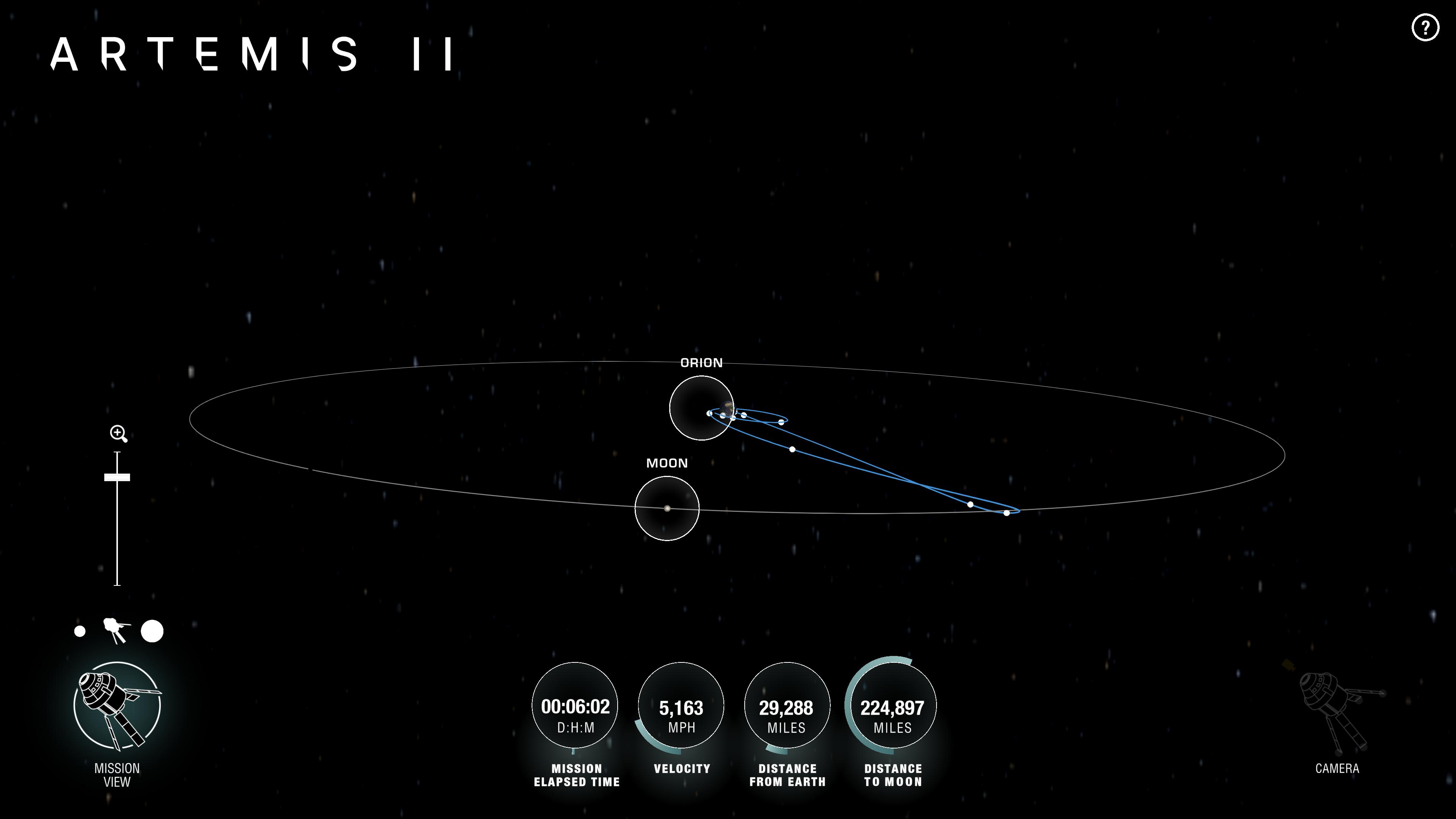
[ Bericht 74% gewijzigd door -CRASH- op 09-03-2026 23:00:32 ]
<a href="http://www.vwkweb.nl/" rel="nofollow" target="_blank">[b]Vereniging voor weerkunde en klimatologie[/b]</a>
<a href="http://www.estofex.org/" rel="nofollow" target="_blank">[b]ESTOFEX[/b]</a>
<a href="http://www.estofex.org/" rel="nofollow" target="_blank">[b]ESTOFEX[/b]</a>
<a href="http://www.vwkweb.nl/" rel="nofollow" target="_blank">[b]Vereniging voor weerkunde en klimatologie[/b]</a>
<a href="http://www.estofex.org/" rel="nofollow" target="_blank">[b]ESTOFEX[/b]</a>
<a href="http://www.estofex.org/" rel="nofollow" target="_blank">[b]ESTOFEX[/b]</a>

<a href="http://www.vwkweb.nl/" rel="nofollow" target="_blank">[b]Vereniging voor weerkunde en klimatologie[/b]</a>
<a href="http://www.estofex.org/" rel="nofollow" target="_blank">[b]ESTOFEX[/b]</a>
<a href="http://www.estofex.org/" rel="nofollow" target="_blank">[b]ESTOFEX[/b]</a>
Persconferentie NASA nu over Artemis. Alles ziet er goed uit voor de missie begrijp ik. We gaan naar de maan
<a href="http://www.vwkweb.nl/" rel="nofollow" target="_blank">[b]Vereniging voor weerkunde en klimatologie[/b]</a>
<a href="http://www.estofex.org/" rel="nofollow" target="_blank">[b]ESTOFEX[/b]</a>
<a href="http://www.estofex.org/" rel="nofollow" target="_blank">[b]ESTOFEX[/b]</a>

<a href="http://www.vwkweb.nl/" rel="nofollow" target="_blank">[b]Vereniging voor weerkunde en klimatologie[/b]</a>
<a href="http://www.estofex.org/" rel="nofollow" target="_blank">[b]ESTOFEX[/b]</a>
<a href="http://www.estofex.org/" rel="nofollow" target="_blank">[b]ESTOFEX[/b]</a>
Artemis II is vanuit Nederland zichtbaar, mits de weersomstandigheden gunstig zijn.quote:
[..]
Latertje, lancering om 00:24 onze tijd.
De lancering is gepland vanaf 1 april 2026, met een lanceertijd om 00:24 uur Nederlandse tijd
(en opvolgende nachten in een venster van twee uur).
De raket zal vanuit Florida opstijgen en richting het zuiden vliegen,
waardoor hij in Nederland vlak boven de zuidelijke horizon zichtbaar is, vergelijkbaar met Artemis I.
De zichtbaarheid is het beste in donkere, heldere nachten zonder lichtvervuiling.
De missie duurt ongeveer 10 dagen en is de eerste bemande testvlucht rond de maan sinds de Apollo-tijd.
<a href="http://www.vwkweb.nl/" rel="nofollow" target="_blank">[b]Vereniging voor weerkunde en klimatologie[/b]</a>
<a href="http://www.estofex.org/" rel="nofollow" target="_blank">[b]ESTOFEX[/b]</a>
<a href="http://www.estofex.org/" rel="nofollow" target="_blank">[b]ESTOFEX[/b]</a>

Window ziet er goed uit. 80% kans op goed weer.quote:
[..]
Latertje, lancering om 00:24 onze tijd.
Ik zou na de lancering de lucht ongeveer 20 tot 30 minuten in de gaten houdenquote:
IS er een overzichtje van de vensters wanneer hij wellicht te zien zou zijn?

<a href="http://www.vwkweb.nl/" rel="nofollow" target="_blank">[b]Vereniging voor weerkunde en klimatologie[/b]</a>
<a href="http://www.estofex.org/" rel="nofollow" target="_blank">[b]ESTOFEX[/b]</a>
<a href="http://www.estofex.org/" rel="nofollow" target="_blank">[b]ESTOFEX[/b]</a>
Is dit met of zonder mensen aan boord?
"This is your life and it's ending one minute at a time." - Tyler Durden
"Sand is overrated. It's just tiny, little rocks." - Joel
"Sand is overrated. It's just tiny, little rocks." - Joel
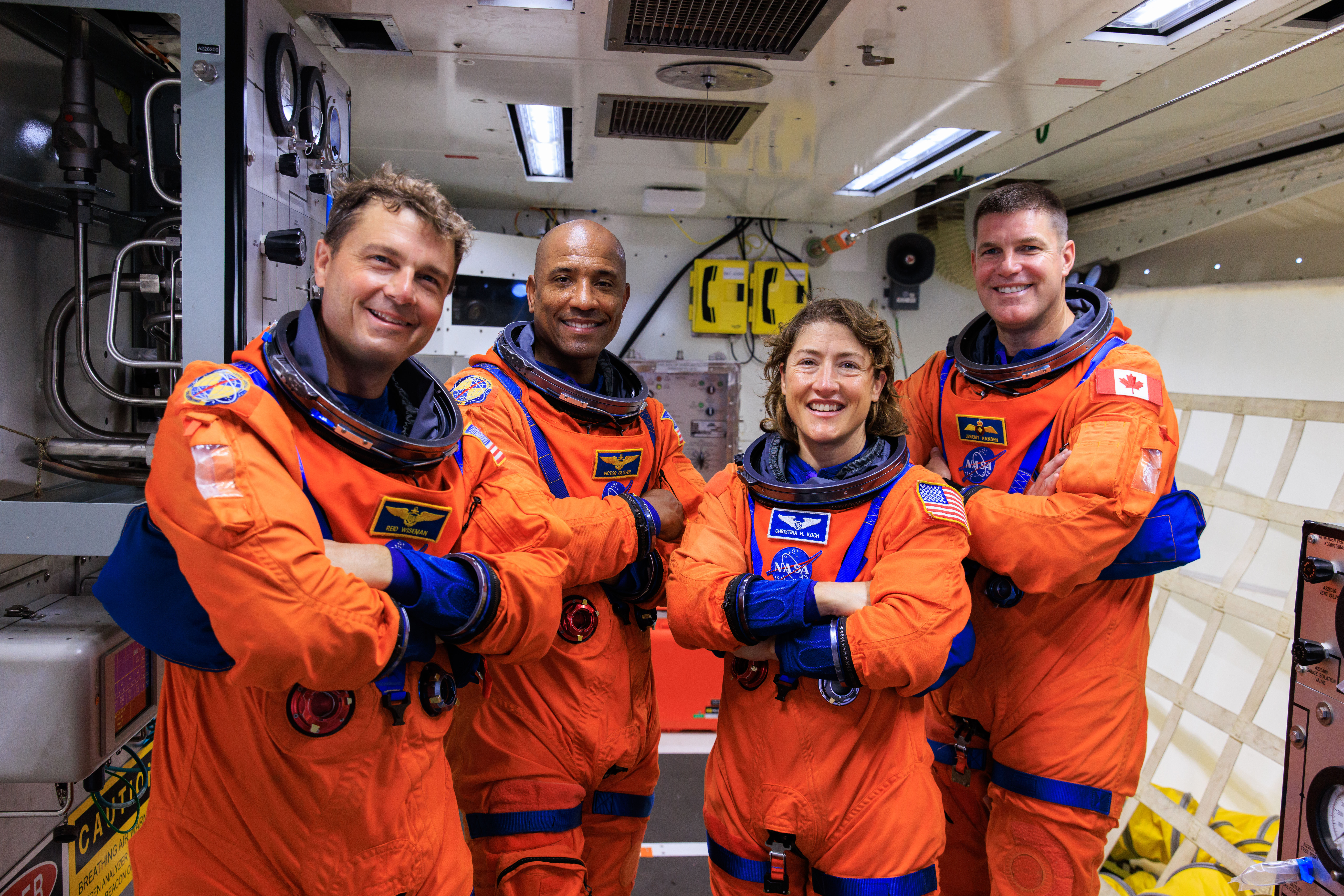
Die durven, dat hele ding is nog geen fatsoenlijke keer gelanceerd!
Hoop dat het goed gaat, zou echt een nekslag zijn voor Nasa als deze missie mislukt
Hoop dat het goed gaat, zou echt een nekslag zijn voor Nasa als deze missie mislukt
"This is your life and it's ending one minute at a time." - Tyler Durden
"Sand is overrated. It's just tiny, little rocks." - Joel
"Sand is overrated. It's just tiny, little rocks." - Joel
Zelden zo'n zin gehad in een lancering, dit is wel echt historisch, na dik 53 jaar weer naar de maan
UH... Artemis 1quote:
Die durven, dat hele ding is nog geen fatsoenlijke keer gelanceerd!
Hoop dat het goed gaat, zou echt een nekslag zijn voor Nasa als deze missie mislukt
<a href="http://www.vwkweb.nl/" rel="nofollow" target="_blank">[b]Vereniging voor weerkunde en klimatologie[/b]</a>
<a href="http://www.estofex.org/" rel="nofollow" target="_blank">[b]ESTOFEX[/b]</a>
<a href="http://www.estofex.org/" rel="nofollow" target="_blank">[b]ESTOFEX[/b]</a>

-gvd laat maar-
[ Bericht 91% gewijzigd door mitt op 01-04-2026 02:53:40 ]
[ Bericht 91% gewijzigd door mitt op 01-04-2026 02:53:40 ]
[b]Op dinsdag 9 september 2003 13:57 schreef Dr.Daggla het volgende:[/b]
[13:57:43] <@Daggla> ik weet ei'k ook niet wie corleone is.. Uit ER ofzo?
[13:57:43] <@Daggla> ik weet ei'k ook niet wie corleone is.. Uit ER ofzo?
Bekijk deze YouTube-videoquote:Op dinsdag 31 maart 2026 19:51 schreef heywoodu het volgende:
Zelden zo'n zin gehad in een lancering, dit is wel echt historisch, na dik 53 jaar weer naar de maan

Gewoon een raampje open zetten voor frisse luchtquote:
 Op
Op
Perhaps you've seen it, maybe in a dream.
A murky, forgotten land.
A murky, forgotten land.
Doen ze in het ISS soms een jaar niet. Maar daarvoor zijn wel weer speciale washandjes. Neem aan dat ze die daar ook wel mee hebben.quote:
Dus vanacht om 0.24u Nederlandse tijd de lancering, en vanaf hoe laat zou die dan vanuit Nederland te zien zijn?
En welke richting moeten we kijken?
Zuiden, oosten?
En welke richting moeten we kijken?
Zuiden, oosten?
Perhaps you've seen it, maybe in a dream.
A murky, forgotten land.
A murky, forgotten land.
Dacht even dat ik het gemist had, maar de berichtgeving is extreem onduidelijk over de tijd
100.000 katjes
Fuck the EBU!
Fuck the EBU!
Zuidenquote:
Dus vanacht om 0.24u Nederlandse tijd de lancering, en vanaf hoe laat zou die dan vanuit Nederland te zien zijn?
En welke richting moeten we kijken?
Zuiden, oosten?
100.000 katjes
Fuck the EBU!
Fuck the EBU!
https://www.rtl.nl/nieuws(...)-wat-het-nut-daarvanquote:Artemis II is de eerste bemande missie naar de maan in meer dan vijftig jaar. Bij de missie wordt niet op de maan geland, maar vliegen astronauten in een capsule om het hemellichaam. Landen is uiteindelijk wel het doel. De lancering zal tussen 00.24 en 02.24 uur Nederlandse tijd plaatsvinden.
Vincent Icke, hoogleraar Theoretische Sterrenkunde aan de Universiteit Leiden, blijft er niet voor wakker vannacht. Hij noemt de bemande vlucht bijzonder knap, maar wetenschappelijk gezien onnodig. "De wetenschappelijke waarde van de mens op de maan is nul."
Vincent Icke wordt ook 80 jaar, dat zal ook wel meespelen
Is er inmiddels al een tijdvak bekend, Nederlandse tijd, dat ie te zien is?
De lancering is om 0:24u onze tijd, we moeten richting zuiden kijken.
Maar ik neem aan dat ie niet meteen om 0:24u bij ons te zien is.
Het mag dan een historisch moment zijn , maar om nou op een doordeweekse dag tot 1 of 2 uur 's nachts of zo op een dijk te staan is ook weer zoiets.
De lancering is om 0:24u onze tijd, we moeten richting zuiden kijken.
Maar ik neem aan dat ie niet meteen om 0:24u bij ons te zien is.
Het mag dan een historisch moment zijn
, maar om nou op een doordeweekse dag tot 1 of 2 uur 's nachts of zo op een dijk te staan is ook weer zoiets.
Perhaps you've seen it, maybe in a dream.
A murky, forgotten land.
A murky, forgotten land.
<a href="http://www.vwkweb.nl/" rel="nofollow" target="_blank">[b]Vereniging voor weerkunde en klimatologie[/b]</a>
<a href="http://www.estofex.org/" rel="nofollow" target="_blank">[b]ESTOFEX[/b]</a>
<a href="http://www.estofex.org/" rel="nofollow" target="_blank">[b]ESTOFEX[/b]</a>
Leuk, was langs me heen gegaan.
Ben erg benieuwd hoe het gaat.
Ben erg benieuwd hoe het gaat.
Emotionele exclusiviteit monogamie-adept
Hey helicopter

<a href="http://www.vwkweb.nl/" rel="nofollow" target="_blank">[b]Vereniging voor weerkunde en klimatologie[/b]</a>
<a href="http://www.estofex.org/" rel="nofollow" target="_blank">[b]ESTOFEX[/b]</a>
<a href="http://www.estofex.org/" rel="nofollow" target="_blank">[b]ESTOFEX[/b]</a>
0:24u onze tijd is de lancering.quote:
[..]
Hoe laat? En is er met het blote oog of verrekijker iets te zien vanuit NL?
En naar ik begreep zou je het hier na 10 tot 20 minuten kunnen zien.
Perhaps you've seen it, maybe in a dream.
A murky, forgotten land.
A murky, forgotten land.
Dat weten we pas na lancering eigenlijk.quote:
[..]
Hoe laat? En is er met het blote oog of verrekijker iets te zien vanuit NL?
100.000 katjes
Fuck the EBU!
Fuck the EBU!
Ik denk wel eerder hoor. Na 2/3 minuten moet je zeker wat zienquote:
[..]
0:24u onze tijd is de lancering.
En naar ik begreep zou je het hier na 10 tot 20 minuten kunnen zien.
Daar gaat onze launchquote:
Probleem met iets met een batterij, temperatuur is 'out of range'

En deze:
FTS zelf was zo te lezen niet het probleem, maar een systeem wat nodig is om FTS te laten werken.
Er was blijkbaar een Space Shuttle-onderdeeltje opgehaald wat men heeft gebruikt om iets te fixenquote:
JAAAAAAAAAAAAA!!!!!!!!!!!!!!!!!!!!!!!!!!!! FTS IS GEFIXT
FTS zelf was zo te lezen niet het probleem, maar een systeem wat nodig is om FTS te laten werken.
Ja, hopelijk welquote:
Dit topic is 4 jaar geleden al aangemaakt door @-CRASH- speciaal voor Artemis 2, dus hier met z'n allen genieten van de lancering van Artemis 2 straks zou wel het meest logisch en leuk zijn lijkt me

Jah!quote:
[..]
Ja, hopelijk wel
Dit topic is 4 jaar geleden al aangemaakt door @:-CRASH- speciaal voor Artemis 2, dus hier met z'n allen genieten van de lancering van Artemis 2 straks zou wel het meest logisch en leuk zijn lijkt me

Claustrofobie ook nietquote:
Je moet geen hoogtevrees hebben
[ afbeelding ]
Hoewel het hier dan nog relatief ruim is natuurlijk, maar zelf moet ik er niet aan denken.
En dan te bedenken dat Apollo krapper was. En Soyuz is nog erger als je de picca's zietquote:
[..]
Claustrofobie ook niet
Hoewel het hier dan nog relatief ruim is natuurlijk, maar zelf moet ik er niet aan denken.
Koch van maart 2019 tot februari 2020 in het ISS geweest, die kwam dus letterlijk terug op een aarde waar alles hevig naar de kloten ging

Ow. Net als "jullie doen met de superbowl finale", mag ik dan allemaal domme vragen stellenquote:
[..]
Ja, hopelijk wel
Dit topic is 4 jaar geleden al aangemaakt door @:-CRASH- speciaal voor Artemis 2, dus hier met z'n allen genieten van de lancering van Artemis 2 straks zou wel het meest logisch en leuk zijn lijkt me

Ik ga denk ik ook wel kijken, heb hem nu opstaan, maar dan moet ie wel over 47 minuten opstijgen hoor.
Enig minpuntje, er zijn tegenwoordig zoveel lanceringen, dat het niemand meer heel uniek is.
Veel plezier allemaal
Hell To The Liars

quote:
[..]
En dan te bedenken dat Apollo krapper was. En Soyuz is nog erger als je de picca's ziet


En het is te hopen dat er niemand shoarma met knoflook gegeten heeftquote:
[..]
Claustrofobie ook niet
Hoewel het hier dan nog relatief ruim is natuurlijk, maar zelf moet ik er niet aan denken.
Perhaps you've seen it, maybe in a dream.
A murky, forgotten land.
A murky, forgotten land.
Maar deze is júist uniek omdat het meer dan een halve eeuw geleden is dat er mensen überhaupt daadwerkelijk richting de maan gingenquote:
[..]
Ow. Net als "jullie doen met de superbowl finale", mag ik dan allemaal domme vragen stellen
Ik ga denk ik ook wel kijken, heb hem nu opstaan, maar dan moet ie wel over 47 minuten opstijgen hoor.
Enig minpuntje, er zijn tegenwoordig zoveel lanceringen, dat het niemand meer heel uniek is.
Veel plezier allemaal
Dit is denk ik wel de meest historische lancering in onze tijd. Die SpaceX-tests en alles zijn natuurlijk supercool en spectaculair, maar dit is een historische stap naar iets wat uiteindelijk veel verder moet gaan dan Apollo.
 Op
Op
Waar is het goed te volgen eigenlijk?
Zet net mijn PS5 uit.
Zet net mijn PS5 uit.
Perhaps you've seen it, maybe in a dream.
A murky, forgotten land.
A murky, forgotten land.
Nasa YTquote:
Waar is het goed te volgen eigenlijk?
Zet net mijn PS5 uit.
Bekijk deze YouTube-videoquote:
Waar is het goed te volgen eigenlijk?
Zet net mijn PS5 uit.
Voor mij sowieso niet, als ik naar het zuiden wil kijken moet ik op het dak gaan staan (van ons rijtjeshuis)quote:
Chatgpt zegt dat het wss niet te zien is in Nederland
Bij mij is het droog en helder.quote:
Chatgpt zegt dat het wss niet te zien is in Nederland
Wat zien we straks eigenlijk als het te zien is?
Een bewegend stipje of ook een lichtspoor erachter of zo?
Perhaps you've seen it, maybe in a dream.
A murky, forgotten land.
A murky, forgotten land.
Ja. Maar mensen naar de maan is wat anders dan de zoveelste SpaceX raket. Ik kijk niet eens meer de crew missies naar ISS. Al heeft dat ook te maken omdat Musk een grote lul is. Maar deze mooie raket en dan ook neg eens met mensen naar de maan. Daar blijf ik voor wakker.quote:
[..]
Ow. Net als "jullie doen met de superbowl finale", mag ik dan allemaal domme vragen stellen
Ik ga denk ik ook wel kijken, heb hem nu opstaan, maar dan moet ie wel over 47 minuten opstijgen hoor.
Enig minpuntje, er zijn tegenwoordig zoveel lanceringen, dat het niemand meer heel uniek is.
Veel plezier allemaal
Ik heb geen ideequote:
[..]
Bij mij is het droog en helder.
Wat zien we straks eigenlijk als het te zien is?
Een bewegend stipje of ook een lichtspoor erachter of zo?
Dit zei ai
Kun je hem zien overvliegen?
In theorie:
Het zou een heel klein, snel bewegend lichtpuntje zijn
Alleen zichtbaar:
vlak na lancering
bij perfecte timing, donkere lucht en juiste baan
In praktijk in Nederland:
❌ Extreem onwaarschijnlijk dat je hem ziet
Hij is:
te ver weg
te laag helder
en te kort in een gunstige baan
Ehh, ipv aan ChatGTP te vragen :😅.quote:
[..]
Maar deze is júist uniek omdat het meer dan een halve eeuw geleden is dat er mensen überhaupt daadwerkelijk richting de maan gingen
Dit is denk ik wel de meest historische lancering in onze tijd. Die SpaceX-tests en alles zijn natuurlijk supercool en spectaculair, maar dit is een historische stap naar iets wat uiteindelijk veel verder moet gaan dan Apollo.
Ligt de maan dan zoveel verder dan alle andere bestemmingen zoals de ISS of is het bij de ISS en satelieten een stukje rechtdoor en om de dark side moon heen en weer terug.
En is de verbinding dan ook eventjes compleet weg ? Als ze aan de achterkant zitten?
SPOILEROm spoilers te kunnen lezen moet je zijn ingelogd. Je moet je daarvoor eerst gratis Registreren. Ook kun je spoilers niet lezen als je een ban hebt.Hell To The Liars
Ja. Mijn ChatGPT zegt dat de inclinatie tussen 28 en 31 graden is. Dus voor ons zou dat onder de zuidelijke horizon zijn. Maarja, is ook weer ChatGPT dus hoe betrouwebaar weet ik niet.quote:
Chatgpt zegt dat het wss niet te zien is in Nederland
Musk is een lul, maar dingen als die limonadebus en Starhopper en de eerste catch enzo waren natuurlijk wel episch om te kijkenquote:
[..]
Ja. Maar mensen naar de maan is wat anders dan de zoveelste SpaceX raket. Ik kijk niet eens meer de crew missies naar ISS. Al heeft dat ook te maken omdat Musk een grote lul is. Maar deze mooie raket en dan ook neg eens met mensen naar de maan. Daar blijf ik voor wakker.
Alleen denk ik nog altijd dat dit vandaag meer historisch is
Mijn tuin is op zuiden met dan een straat en dan weer een tuin en huis. Ik heb dus wel zicht op zuiden maar niet tot aan de horizon zeg maar.quote:
[..]
Voor mij sowieso niet, als ik naar het zuiden wil kijken moet ik op het dak gaan staan (van ons rijtjeshuis)
quote:
[..]
Ehh, ipv aan ChatGTP te vragen :😅.
Ligt de maan dan zoveel verder dan alle andere bestemmingen zoals de ISS of is het bij de ISS en satelieten een stukje rechtdoor en om de dark side moon heen en weer terug.
En is de verbinding dan ook eventjes compleet weg ? Als ze aan de achterkant zitten?Dit geeft wel wat perspectief. Sinds Apollo 17, de laatste bemande maanmissie dik 53 jaar geleden, zijn alle bemande lanceringen binnen het rode stukje rond de aarde gebleven. Artemis 2 is het groene stuk rechts.SPOILEROm spoilers te kunnen lezen moet je zijn ingelogd. Je moet je daarvoor eerst gratis Registreren. Ook kun je spoilers niet lezen als je een ban hebt.

JA. Maar jammer dat hij politiek is gegaan. Dat neemt wat mij betreft wel het plezier weg van het volgen en kijken.quote:
[..]
Musk is een lul, maar dingen als die limonadebus en Starhopper en de eerste catch enzo waren natuurlijk wel episch om te kijken
Alleen denk ik nog altijd dat dit vandaag meer historisch is
En ja de eerste hop en al die andere hoogtepunten
Maar dit is zelfs grootser dan de eerste crew dragon denk ik
Oh dat zeker. Crew Dragon was leuk, maar...wat ze daar deden, was al heel lang 'normaal'. Naar de maan doen we al meer dan een halve eeuw niet, maar we sturen natuurlijk wel al sinds die tijd met grote regelmaat mensen de ruimte in.quote:
[..]
JA. Maar jammer dat hij politiek is gegaan. Dat neemt wat mij betreft wel het plezier weg van het volgen en kijken.
En ja de eerste hop en al die andere hoogtepunten
En het ligt eraan waar in NL je zit. In hoge noorden of het zuiden. Maakt ook heel veel uitquote:
[..]
Ja. Mijn ChatGPT zegt dat de inclinatie tussen 28 en 31 graden is. Dus voor ons zou dat onder de zuidelijke horizon zijn. Maarja, is ook weer ChatGPT dus hoe betrouwebaar weet ik niet.
<a href="http://www.vwkweb.nl/" rel="nofollow" target="_blank">[b]Vereniging voor weerkunde en klimatologie[/b]</a>
<a href="http://www.estofex.org/" rel="nofollow" target="_blank">[b]ESTOFEX[/b]</a>
<a href="http://www.estofex.org/" rel="nofollow" target="_blank">[b]ESTOFEX[/b]</a>
Ja. Dat is ook weer zo. MAar is wel laag aan de horizon als het te zien is begrijp ik.quote:
[..]
En het ligt eraan waar in NL je zit. In hoge noorden of het zuiden. Maakt ook heel veel uit
Ik vroeg aan GROK wat staat hier, aangezien ik het plaatje slecht kon zien.quote:
[..]
Dit geeft wel wat perspectief. Sinds Apollo 17, de laatste bemande maanmissie dik 53 jaar geleden, zijn alle bemande lanceringen binnen het rode stukje rond de aarde gebleven. Artemis 2 is het groene stuk rechts.
[ afbeelding ]
Wat bedoelt Droopie?
Dit is een typische “domme” maar oprechte vraag van iemand die niet zoveel van ruimtevaart afweet, in een serieus W&T-topic. Heywoodu had net geschreven hoe historisch deze missie is (eerste bemande vlucht richting de maan in meer dan 50 jaar).
Kort antwoord op zijn vragen (voor de duidelijkheid):
Ja, de maan is veel verder: ~384.000 km vs. ~400 km voor de ISS. Het is geen “stukje rechtdoor”.
Artemis 2 vliegt geen baan om de maan, maar een free-return trajectory: ze schieten erlangs, zwaaien eromheen (waarbij ze ook de achterkant passeren) en komen vanzelf terug naar de aarde.
Etc etc.
Haha, domme vragen bestaan dus wel
Hell To The Liars
Toch wel een apart gevoel, om straks een historisch moment mee te mogen maken
Heb het altijd jammer gevonden dat ik met de Apollo missies nog lang niet bestond.
Ik kijk ook enorm uit naar de daadwerkelijke maanlanding straks met Artemis 4, dat wordt echt fantastisch om mee te maken
Jammer dat Artemis 3 volgend jaar niet meer op de maan gaat landen, wat wel eerst de bedoeling was.
Dat gaat nu dus pas met Artemis 4 in 2028 (hopelijk) gebeuren.
Heb het altijd jammer gevonden dat ik met de Apollo missies nog lang niet bestond.
Ik kijk ook enorm uit naar de daadwerkelijke maanlanding straks met Artemis 4, dat wordt echt fantastisch om mee te maken
Jammer dat Artemis 3 volgend jaar niet meer op de maan gaat landen, wat wel eerst de bedoeling was.
Dat gaat nu dus pas met Artemis 4 in 2028 (hopelijk) gebeuren.
Perhaps you've seen it, maybe in a dream.
A murky, forgotten land.
A murky, forgotten land.
Ergens vind ik het wel jammer dat ze niet zoals Apollo 8 even een rondje maken in lunar orbit, dat zou het nog cooler makenquote:
een free-return trajectory: ze schieten erlangs, zwaaien eromheen (waarbij ze ook de achterkant passeren) en komen vanzelf terug naar de aarde.
Er bestaan oprechte vragen en vragen om irritant te doenquote:
[..]
Ik vroeg aan GROK wat staat hier, aangezien ik het plaatje slecht kon zien.
Wat bedoelt Droopie?
Dit is een typische “domme” maar oprechte vraag van iemand die niet zoveel van ruimtevaart afweet, in een serieus W&T-topic. Heywoodu had net geschreven hoe historisch deze missie is (eerste bemande vlucht richting de maan in meer dan 50 jaar).
Kort antwoord op zijn vragen (voor de duidelijkheid):
Ja, de maan is veel verder: ~384.000 km vs. ~400 km voor de ISS. Het is geen “stukje rechtdoor”.
Artemis 2 vliegt geen baan om de maan, maar een free-return trajectory: ze schieten erlangs, zwaaien eromheen (waarbij ze ook de achterkant passeren) en komen vanzelf terug naar de aarde.
Etc etc.
Haha, domme vragen bestaan dus wel
Als je iets gewoon niet weet kun je het altijd vragen en heeft iemand daar gewoon normaal op te antwoorden
Hendig sjiek slippenquote:
[..]
Ergens vind ik het wel jammer dat ze niet zoals Apollo 8 even een rondje maken in lunar orbit, dat zou het nog cooler maken
Perhaps you've seen it, maybe in a dream.
A murky, forgotten land.
A murky, forgotten land.
ALS het allemaal door/goed gaatquote:
Wel jammer dat het dit enge zakenmannetje is die nu met al deze eer gaat strijken.
Volgens Everyday Astronaut's filmpje over vandaag wel, alleen weet ik niet precies hoe dat dan gaatquote:
Komt er nog een go/no go poll zoals bij de spaceshuttle? Of gaat dat net zoals bij SpaceX digitaal?
Juist zijn politieke voorkeur maakt het voor mij nog boeiender om te volgen. Dat hij in ieder geval aan de goede kant van de geschiedenis staat én de mooie dingen doet.quote:
[..]
JA. Maar jammer dat hij politiek is gegaan. Dat neemt wat mij betreft wel het plezier weg van het volgen en kijken.
En ja de eerste hop en al die andere hoogtepunten
Wel vervelend als die astronaut wiens schoenzolen je zien in de hondenpoep zou zijn gestapt 😱
Perhaps you've seen it, maybe in a dream.
A murky, forgotten land.
A murky, forgotten land.
Boehoe, even 5 minuten wachten (ik dan) en dan slapen als ze lang gaan onderbrekenquote:
Hell To The Liars

Ja beetje lang.quote:
[..]
Ze runnen nog wat checks voordat ze de klok door laten lopen.
Launch window van 2 uur hè
Was een 1 april-grap.quote:
|| FOK!Stok || tatatatatataatatatattaaaaapiediedieuwtididipieuwpidibididi She said I'll throw myself away pididididum They're just photos after all! || Den Helder || Winnaar VBL Wijndal-award 2020: beste AZ-user! || Mijn concertstatistieken ||
Ja ze gaan nuquote:
[..]
Volgens Everyday Astronaut's filmpje over vandaag wel, alleen weet ik niet precies hoe dat dan gaat
YEss!!!!!
Thunderbirdsquote:
Iedereen zegt dat ze voor een go zouden gaan
Perhaps you've seen it, maybe in a dream.
A murky, forgotten land.
A murky, forgotten land.
Crew is go!
|| FOK!Stok || tatatatatataatatatattaaaaapiediedieuwtididipieuwpidibididi She said I'll throw myself away pididididum They're just photos after all! || Den Helder || Winnaar VBL Wijndal-award 2020: beste AZ-user! || Mijn concertstatistieken ||
Tien man die GO zeggen en dan ben jij die ene die, zonder dat je gezegd had dat er een probleem was, NO GO moet zeggen
Vloeibaar dusquote:
Wel historisch dit om mee te maken
Bij de vorige bemande maanmissie was ik ongeveer -12 jaar
Mijn vader was 9 toenquote:
Wel historisch dit om mee te maken
Bij de vorige bemande maanmissie was ik ongeveer -12 jaar
Beter dat dan de boeken in gaan als de man die 4 man de dood in gejaagd heeft.quote:
Tien man die GO zeggen en dan ben jij die ene die, zonder dat je gezegd had dat er een probleem was, NO GO moet zeggen
Speech speech speech
|| FOK!Stok || tatatatatataatatatattaaaaapiediedieuwtididipieuwpidibididi She said I'll throw myself away pididididum They're just photos after all! || Den Helder || Winnaar VBL Wijndal-award 2020: beste AZ-user! || Mijn concertstatistieken ||
Hé of hè?quote:
|| FOK!Stok || tatatatatataatatatattaaaaapiediedieuwtididipieuwpidibididi She said I'll throw myself away pididididum They're just photos after all! || Den Helder || Winnaar VBL Wijndal-award 2020: beste AZ-user! || Mijn concertstatistieken ||
Twee miljoen kijkers op de stream.
|| FOK!Stok || tatatatatataatatatattaaaaapiediedieuwtididipieuwpidibididi She said I'll throw myself away pididididum They're just photos after all! || Den Helder || Winnaar VBL Wijndal-award 2020: beste AZ-user! || Mijn concertstatistieken ||
 wanneer gaat ie nou
Nog een minuut!
|| FOK!Stok || tatatatatataatatatattaaaaapiediedieuwtididipieuwpidibididi She said I'll throw myself away pididididum They're just photos after all! || Den Helder || Winnaar VBL Wijndal-award 2020: beste AZ-user! || Mijn concertstatistieken ||
WIIIIIIIIIIIIIIIEEEEEEEEEEEEEEEEEEEEEEEEEEEHHHHHHHH
|| FOK!Stok || tatatatatataatatatattaaaaapiediedieuwtididipieuwpidibididi She said I'll throw myself away pididididum They're just photos after all! || Den Helder || Winnaar VBL Wijndal-award 2020: beste AZ-user! || Mijn concertstatistieken ||

Tering wat een vuurstraal erachter
"This is your life and it's ending one minute at a time." - Tyler Durden
"Sand is overrated. It's just tiny, little rocks." - Joel
"Sand is overrated. It's just tiny, little rocks." - Joel
Supersonic!
|| FOK!Stok || tatatatatataatatatattaaaaapiediedieuwtididipieuwpidibididi She said I'll throw myself away pididididum They're just photos after all! || Den Helder || Winnaar VBL Wijndal-award 2020: beste AZ-user! || Mijn concertstatistieken ||
Nu kijken hoe de boosters landen.
Oh wacht....
Oh wacht....
"This is your life and it's ending one minute at a time." - Tyler Durden
"Sand is overrated. It's just tiny, little rocks." - Joel
"Sand is overrated. It's just tiny, little rocks." - Joel
Die moet je niet op je kop krijgen.quote:
Nu kijken hoe de boosters landen.
Oh wacht....
|| FOK!Stok || tatatatatataatatatattaaaaapiediedieuwtididipieuwpidibididi She said I'll throw myself away pididididum They're just photos after all! || Den Helder || Winnaar VBL Wijndal-award 2020: beste AZ-user! || Mijn concertstatistieken ||

| Forum Opties | |
|---|---|
| Forumhop: | |
| Hop naar: | |