COR Corona COVID-19 forum
Alles over het corona / COVID-19 virus.



Tsja de intenties van verschillende Europese landen waren natuurlijk goed (streven naar zo min mogelijk besmettingen), maar hun controlemaatregelen zijn niet afdoende geweest. Als je weet dat de buurlanden (bijvoorbeeld Zweden, Nederland) een mitigatiebeleid nastreven en er hebben helemaal geen moeite mee hebben dat het virus 'gecontroleerd' rond gaat dan moet je natuurlijk strenge inreiscontroles instellen. Anders is het niet mogelijk om import consequent buiten de deur te houden. Dat hebben die landen wezenlijk onderschot.quote:Op maandag 15 maart 2021 12:01 schreef DrParsifal het volgende:
[..]
In sommige van de landen die de juiste strategie hebben gevolgd.
Ik denk dat je kunt zeggen dat Noorwegen en Finland ook een juiste strategie volgen. Ierland was ook op de goede weg.
Een land als Ierland had met effectieve maatregelen (verplichte 14-daagse quarantaine voor iedereen die per boot of vliegtuig het land binnenkomt) allang virusvrij kunnen zijn.
Bloodbuzz Ohio: Gretzl wilde heel graag The National éindelijk in de Top 2000 hebben | Concert stats | Last.fm
Do whatever the TV tells us
Stay inside our rosy-minded fuzz
So worry not, all things are well
Do whatever the TV tells us
Stay inside our rosy-minded fuzz
So worry not, all things are well


Voor Ierland vraag ik me dat sterk af. Ook omdat ze grenzen aan Noord-Ierland. Ook ligt Europa weer vrij dicht bij Afrika en landen waar ze niet de financiele middelen hebben om zo hard in te grijpen als Australie en Nieuw-Zeeland.quote:Op maandag 29 maart 2021 10:36 schreef Gretzl het volgende:
[..]
Tsja de intenties van verschillende Europese landen waren natuurlijk goed (streven naar zo min mogelijk besmettingen), maar hun controlemaatregelen zijn niet afdoende geweest. Als je weet dat de buurlanden (bijvoorbeeld Zweden, Nederland) een mitigatiebeleid nastreven en er hebben helemaal geen moeite mee hebben dat het virus 'gecontroleerd' rond gaat dan moet je natuurlijk strenge inreiscontroles instellen. Anders is het niet mogelijk om import consequent buiten de deur te houden. Dat hebben die landen wezenlijk onderschot.
Een land als Ierland had met effectieve maatregelen (verplichte 14-daagse quarantaine voor iedereen die per boot of vliegtuig het land binnenkomt) allang virusvrij kunnen zijn.
Gretzl, zolang er per week 500 immigranten asiel aanvragen in Nederland, wetende dat het in de rest van Europa ook gebeurd, dan weet je ook direct waarom het Australische of Nieuw Zeelandse beleid niet mogelijk zal zijn, het virus zal binnen blijven komen.quote:
[..]
Tsja de intenties van verschillende Europese landen waren natuurlijk goed (streven naar zo min mogelijk besmettingen), maar hun controlemaatregelen zijn niet afdoende geweest. Als je weet dat de buurlanden (bijvoorbeeld Zweden, Nederland) een mitigatiebeleid nastreven en er hebben helemaal geen moeite mee hebben dat het virus 'gecontroleerd' rond gaat dan moet je natuurlijk strenge inreiscontroles instellen. Anders is het niet mogelijk om import consequent buiten de deur te houden. Dat hebben die landen wezenlijk onderschot.
Een land als Ierland had met effectieve maatregelen (verplichte 14-daagse quarantaine voor iedereen die per boot of vliegtuig het land binnenkomt) allang virusvrij kunnen zijn.
Want er zijn natuurlijk ook gewoon landsgrenzen en mensen die over de grens wonen en werken (ik bijvoorbeeld) waardoor het onmogelijk gaat zijn alles en iedereen te controleren, dat kan nooit met een landsgrens.
Misschien zou je eens moeten verdiepen waarom in bijvoorbeeld een Thailand met open grenzen tot 1 april 2020 er maar zo weinig besmettingen zijn terwijl het virus al vanaf november rond moet zijn gegaan, of een Vietnam grenzend aan China waar er zo weinig gevallen zijn geweest... Deze mensen hebben al eerder soortgelijke virussen gehad waardoor het aannemelijk is dat er een natuurlijke weerstand is, want de ziekenhuisopnames en overlijdens blijven heel erg achter, ook bij geconstateerde uitbraken.
RTFM
Zo niet? Dan toch!
Nawie, just Nawie!
TWENTE KAMPIOEN.
Zo niet? Dan toch!
Nawie, just Nawie!
TWENTE KAMPIOEN.
Bron: NOS blog.quote:Over twee weken reisbubbel Nieuw-Zeeland en Australië
Vanaf 19 april openen Nieuw-Zeeland en Australië een reisbubbel. Mensen die geen verkoudheids- of griepsymptomen hebben en niet recent positief zijn getest mogen dan vrij reizen. Ze hoeven dan niet meer in quarantaine na aankomst.
Volgens de Nieuw-Zeelandse premier Ardern is de coronasituatie onder controle en dus is het nu mogelijk "om weer in contact te komen met naasten". De grenzen met landen in de rest van de wereld blijven nog wel gesloten.
Ardern benadrukt dat mondkapjes nog wel verplicht zijn tijdens de vlucht. Ook kunnen vliegreizen naar een bepaald gebied worden opgeschort als daar een uitbraak van het virus is.
Nou, reisbubbeltje dus.
 Benieuwd wanneer het voor de rest van de wereld opengaat.
The only way you can be original, is to be yourself.
Wat jij "effectieve maatregelen" noemt, zijn in werkelijkheid zeer ingrijpende maatregelen die op de lange duur deastreus zijn voor de economie als je ze GOED doorvoertquote:
Een land als Ierland had met effectieve maatregelen (verplichte 14-daagse quarantaine voor iedereen die per boot of vliegtuig het land binnenkomt) allang virusvrij kunnen zijn.
Duitsland heeft nu ook een quarantaine en negatieve test plicht voor Nederlanders
Maar voor vrachtverkeer zijn er weer allerlei uitzonderingen https://www.tln.nl/nieuws(...)perkingen-duitsland/
Logisch, want alle vrachtverkeer van/naar Duitsland stoppen zou een ramp betekenen
Isle of Man, een eiland met nog geen 100.000 inwoners tussen UK en Ierland in was ook een paar weken Covid vrij met een ZeroCovid strategie
Totdat er een paar besmettingen opdoken en de hele zooi weer in lockdown ging
Daar is de overheid nu tot het besef gekomen dat Covid elimineren een onhaalbare zaak is, en dat we ermee moeten leren leven
https://www.manxradio.com(...)ng-with-coronavirus/
https://www.gov.im/about-(...)orisedNews&id=125944
Totdat er een paar besmettingen opdoken en de hele zooi weer in lockdown ging
Daar is de overheid nu tot het besef gekomen dat Covid elimineren een onhaalbare zaak is, en dat we ermee moeten leren leven
https://www.manxradio.com(...)ng-with-coronavirus/
Overheidssite;quote:Chief Minister says virus will be part of our lives for years
The Isle of Man is moving closer to switching from a coronavirus elimination strategy to living with the virus.
That's from the Chief Minister as the vaccination rollout continues.
Government's exit strategy document shows some restrictions will be able to be lifted once those who fall into priority vaccination groups have received their jabs.
Howard Quayle says we're going to be dealing with Covid-19 for some time:
https://www.gov.im/about-(...)orisedNews&id=125944
quote:Isle of Man Government has released a framework for the Isle of Man’s long term approach to COVID-19.
The document outlines three key stages (Preparation, Transition and Release) that the Council of Ministers expects to move through as the vaccine rollout increases the Island’s defences, and the UK’s threat profile decreases. It also confirms the longer term plan to pivot from the current ‘Elimination’ strategy, to one of ‘Mitigation’, at which point it is hoped that Island life can resume free from mitigations including border restrictions.
Chief Minister Howard Quayle MHK commented:
‘All of our current focus is quite rightly on the immediate situation and the elimination of the virus in our community so that we can once again enjoy Island life free of restrictions. We cannot however ignore the longer term and if anything, the current pressures are a reminder that we cannot sustain this strategy for the long term. Over the last couple of months much work has been going on to produce this longer term approach document.
‘There is so much that is changing around us, particularly around our knowledge of the virus and the effectiveness and availability of the vaccines and each passing day changes our position, making us stronger. The publication of this approach signifies out tentative first steps in imagining what the rest of this year might look like.
https://www.stuff.co.nz/b(...)-thinktank-concludesquote:'Zero Covid' strategy far better for economy, European think-tank concludes
Pursuing a “zero Covid” strategy is best for health outcomes and the economy, but more countries need to commit to the programme for the leaders to get the full benefit, a European think-tank has concluded.
The Paris and Brussels-based Institut Economique Molinari, said countries that aimed to eliminate Covid – New Zealand, Australia and South Korea – experienced a less severe economic decline than countries that allowed the virus to spread and saturate their health systems.
The zero Covid strategy was showing “lasting positive effects”, it concluded.
“In the fourth quarter of 2020, the countries applying this strategy had almost returned to normal economic activity.”
Their GDP was down only 1.2 per cent in the final quarter of 2020 compared to the same quarter in 2019, whereas the decline was 3.3 per cent in countries that had not eradicated the virus, it said.
In New Zealand, GDP was down only 0.9 per cent between the quarters.
“Stopping the outbreak over a short time at a high economic cost, leads to a shift to a near normal condition with only localised episodic outbreaks, similar to fire-fighting,” the institute said.
“The resulting resumption of economic activity accumulates its benefit over time.”
Even hospitality and tourism businesses benefitted from an elimination strategy, it found.
“Google data shows that traffic in cafes, restaurants, hotels, non-food businesses and leisure and cultural activities in general was down by 14 per cent in January and February, compared to 2020, in the countries applying the Zero Covid strategy.
“This is a much smaller decline than the 35 per cent decline in the countries applying a ‘mitigation strategy’.”
Cross-referencing quarterly economic and health data confirmed the superiority of the elimination strategy, it said.
“People in those countries benefit from a level of visibility enabling them to project their societies and economies into the future.”
But recovery in zero-Covid countries was to some extent at the mercy of policies in countries where that was not the goal, the institute suggested.
“The recovery is limited only by the failure of other countries to achieve this goal and this should motivate better global collaboration for achieving a shared end.”
The report recommended a zero Covid strategy should be investigated in France, starting with “pilot projects” in parts of the country when local executives were “receptive to the advantages”.
In the coolest little capital of the world
Hier dat rapport waar jouw artikel het over heeft (en niet naar linktquote:
[..]
https://www.stuff.co.nz/b(...)-thinktank-concludes
 )
)https://www.institutmolin(...)ero-covid2021_en.pdf
https://www.institutmolin(...)es-more-effectively/
Ze vergelijken Australia, New Zealand en South Korea met Frankrijk
En dan komen ze tot deze conclusie;
Waarbij ze insinueren dat die economische krimp kwam omdat ze het virus zover zijn gang lieten gaan tot het zorgsysteem verzadigd wasquote:Countries pursuing a Zero Covid strategy experienced a less severe economic decline in the second quarter of 2020 than the countries that allowed the virus to spread to such an extent that their health systems were saturated (-4.5% versus -11.7%).
Maar dat is natuurlijk onzin, die economische krimp kwam door de lockdown en beperkende maatregelen, niet doordat het zorgsysteem verzadigd was hoor.....
Onder puntje 4 bij Recommendations;
Nieuw Caledonie, een archipel in de Stille Zuidzee, vele duizenden km`s verwijderd van dichtsbijzijnde landenquote:Organise feedback from French communities that have implemented the Zero Covid approach (New Caledonia, etc.).
Ja, dat is echt een goed voorbeeld voor grote broer Frankrijk


Ondertussen gaat in South Dakota waar er geen lockdown was, geen mondkapjesplicht etc, en waar scholen, horeca en winkels geen dag gesloten zijn geweest, alles gewoon zijn gangetje
Daar waren niet de massale doden zoals voorspeld door Fauci, de ziekenhuizen raakten niet overspoeld
De economie is booming daar
https://www.economist.com(...)isdom-about-covid-19
https://drgnews.com/2021/03/29/52724/quote:After peaking at nearly 15% last spring, America’s unemployment rate has fallen to 6.2%. But the recovery across the country as a whole, speedier than many economists had expected, has nothing on South Dakota, a state with particularly loose covid-19 restrictions. Unemployment there has tumbled to 3.1%—as low as it was before the pandemic. South Dakota’s unemployment rate is the lowest in the country (see map) and a full percentage point lower than that in North Dakota, which imposed extra restrictions in November.
quote:South Dakota’s economy is growing faster than any state in the nation, according to last Friday’s (March 26, 2021) Gross Domestic Product (GDP) release from the United States Bureau of Economic Analysis (BEA).
The report shows South Dakota grew at an annual rate of 9.9 percent in the fourth quarter of 2020, more than double the national growth rate of 4.3 percent. Texas had the second highest growth rate at 7.5 percent.
“South Dakota is open for business,” said Governor Kristi Noem. “Because of the unique approach that we took to the virus, we’ve set our economy up for tremendous growth, both in the short-term and long into the future. Our real estate market is booming as families and businesses look to move to a state that preserves our way of life and respects freedom and personal responsibility.”

Ja, maar ho ho, Australië en nieuw Zeeland gaan ook niet met maatregelen door nadat iedereen gevaccineerd is he.quote:
Isle of Man, een eiland met nog geen 100.000 inwoners tussen UK en Ierland in was ook een paar weken Covid vrij met een ZeroCovid strategie
Totdat er een paar besmettingen opdoken en de hele zooi weer in lockdown ging
Daar is de overheid nu tot het besef gekomen dat Covid elimineren een onhaalbare zaak is, en dat we ermee moeten leren leven
https://www.manxradio.com(...)ng-with-coronavirus/
[..]
Overheidssite;
https://www.gov.im/about-(...)orisedNews&id=125944
[..]
Dan is het namelijk niet zo'n gevaarlijk virus meer. En kan je dus idd "free of mitigations including travel restrictions" aka volledig normaal zonder beperkingen leven met het virus zoals dat document zegt.
Koekoek. Water is nat.
Wat covid elimineren oplevert is dat je, zoals in Vietnam, ik gooi hem er weer in, januari dit jaar, , kan leven alsof corona nooit bestaan heeft INTERN met 0 beperkingen 90% van de tijd met 0 doden (praktisch) en gezondheidsschade tegelijk, in de grofweg 1,5 - 2 jaar totdat vaccins zijn ontwikkeld en uitgerold.

TIJDENS de pandemische fase dus, het zegt geen f over na de pandemische fase als het verworden is tot een pietlullig griepje qua probleem.
Met de kanttekening dat NIEMAND, letterlijk niemand, verwacht had dat er A) zo snel zoveel vaccins zouden zijn en B) dat ze zo krankzinnig goed zouden werken. Als er nooit een vaccin was gekomen hadden die mensjes in vietnam nog steeds van hun events kunnen genieten.
Waarvan akte.
#WeesGeenWhales
Heb je daar bewijs voor ?quote:
Ja, maar ho ho, Australië en nieuw Zeeland gaan ook niet met maatregelen door nadat iedereen gevaccineerd is he.
Dan is het namelijk niet zo'n gevaarlijk virus meer. En kan je dus idd "free of mitigations including travel restrictions" aka volledig normaal zonder beperkingen leven met het virus zoals dat document zegt.
Ik zie nergens dat Australie en Nieuw Zeeland van hun ZeroCovid hysterie gaan afstappen nadat iedereen gevaccineerd is
Hell, ik moet nog zien of de Europese landen van alle maatregelen af gaan stappen als iedereen gevaccineerd is
Ja, en in steeds meer Amerikaanse staten kunnen ze ook gewoon naar festivals, sportwedstrijden, horeca en vele ander zaken zonder dat iedereen gevaccineerd isquote:Wat covid elimineren oplevert is dat je, zoals in Vietnam, ik gooi hem er weer in, januari dit jaar, , kan leven alsof corona nooit bestaan heeft INTERN met 0 beperkingen 90% van de tijd met 0 doden (praktisch) en gezondheidsschade tegelijk, in de grofweg 1,5 - 2 jaar totdat vaccins zijn ontwikkeld en uitgerold.
TIJDENS de pandemische fase dus, het zegt geen f over na de pandemische fase als het verworden is tot een pietlullig griepje qua probleem.
Met de kanttekening dat NIEMAND, letterlijk niemand, verwacht had dat er A) zo snel zoveel vaccins zouden zijn en B) dat ze zo krankzinnig goed zouden werken. Als er nooit een vaccin was gekomen hadden die mensjes in vietnam nog steeds van hun events kunnen genieten.
Waarvan akte.
Zonder testbewijs, zonder 1,5m hysterie
De australische premier zei een paar maanden terug in Nationale media dat "Het vaccin een dramatische terugkeer naar normaal zal betekenen voor de australische bevolking", vrij duidelijk 😉quote:
[..]
Heb je daar bewijs voor ?
Ik zie nergens dat Australie en Nieuw Zeeland van hun ZeroCovid hysterie gaan afstappen nadat iedereen gevaccineerd is
Hell, ik moet nog zien of de Europese landen van alle maatregelen af gaan stappen als iedereen gevaccineerd is
[..]
Ja, en in steeds meer Amerikaanse staten kunnen ze ook gewoon naar festivals, sportwedstrijden, horeca en vele ander zaken zonder dat iedereen gevaccineerd is
Zonder testbewijs, zonder 1,5m hysterie
#WeesGeenWhales
Nee, dat is helemaal niet duidelijk, de woorden van een politicus zijn nog minder waard dan het papier waar het op getypt is
Als Nieuw Zeeland en Australie terug naar normaal willen na een vaccin
Dan moeten ze toch echt een andere mindset krijgen en niet meer zo in paniek raken bij elke 'besmetting'
Ook als iedereen gevaccineerd is, kun je besmettingen hebben, kunnen er mensen in het ziekenhuis belanden en er mensen aan sterven
Dat moeten ze wel accepteren, anders komen ze nooit uit de ZeroCovid hysterie
Hugo de Jonge en Rutte zeggen ook zo vaak dat een vaccin de weg terug naar normaal is, maar er is niets wat daar op wijst
Waarom anders zo`n haast maken met een vaccinatiepaspoort als je ook in Mei iedereeen die dat wil gevaccineerd kunt hebben, dan is zo`n paspoort toch niet nodig als de vaccinatiegraad hoog genoeg is ?
Als Nieuw Zeeland en Australie terug naar normaal willen na een vaccin
Dan moeten ze toch echt een andere mindset krijgen en niet meer zo in paniek raken bij elke 'besmetting'
Ook als iedereen gevaccineerd is, kun je besmettingen hebben, kunnen er mensen in het ziekenhuis belanden en er mensen aan sterven
Dat moeten ze wel accepteren, anders komen ze nooit uit de ZeroCovid hysterie
Hugo de Jonge en Rutte zeggen ook zo vaak dat een vaccin de weg terug naar normaal is, maar er is niets wat daar op wijst
Waarom anders zo`n haast maken met een vaccinatiepaspoort als je ook in Mei iedereeen die dat wil gevaccineerd kunt hebben, dan is zo`n paspoort toch niet nodig als de vaccinatiegraad hoog genoeg is ?

Vooralsnog is de reisbubbel dus alleen tussen Australië en Nieuw Zeeland, en moet je als Australiër toestemming te hebben om buiten deze landen te vliegen, en is het niet gegarandeerd dat er capaciteit is om terug te komen.
Nu is Australië natuurlijk van oorsprong een gevangenis eiland waar je vooral heen ging en niet vanaf mocht, dus in dat opzicht herhaalt de geschiedenis zich.
Oz en Nieuw Zeeland kunnen pas de grenzen weer openen op het moment dat zij zelf helemaal gevaccineerd zijn, en dan nog zullen ze voorzichtig moeten zijn en kan je import nooit helemaal uitsluiten, ook niet als je alleen vliegverkeer uit 'veilige' landen toestaat, want mensen kunnen dan alsnog overal vandaan komen.
Daarnaast, men opent deze travel bubble op het moment dat ze de herfst en winter in gaan, ik hou mijn hart vast van de maatregelen die men neemt als er toch nog besmettingen blijken te zijn.
Ik vaar overigens wel bij al die restricties, 6x de prijs van regulier luchtvracht naar Nieuw Zeeland, tegenwoordig is mijn probleem niet meer of een vlucht rendabel is, maar dat bemanning teveel uren maakt....
Nu is Australië natuurlijk van oorsprong een gevangenis eiland waar je vooral heen ging en niet vanaf mocht, dus in dat opzicht herhaalt de geschiedenis zich.
Oz en Nieuw Zeeland kunnen pas de grenzen weer openen op het moment dat zij zelf helemaal gevaccineerd zijn, en dan nog zullen ze voorzichtig moeten zijn en kan je import nooit helemaal uitsluiten, ook niet als je alleen vliegverkeer uit 'veilige' landen toestaat, want mensen kunnen dan alsnog overal vandaan komen.
Daarnaast, men opent deze travel bubble op het moment dat ze de herfst en winter in gaan, ik hou mijn hart vast van de maatregelen die men neemt als er toch nog besmettingen blijken te zijn.
Ik vaar overigens wel bij al die restricties, 6x de prijs van regulier luchtvracht naar Nieuw Zeeland, tegenwoordig is mijn probleem niet meer of een vlucht rendabel is, maar dat bemanning teveel uren maakt....
RTFM
Zo niet? Dan toch!
Nawie, just Nawie!
TWENTE KAMPIOEN.
Zo niet? Dan toch!
Nawie, just Nawie!
TWENTE KAMPIOEN.
quote:
Nieuw-Zeeland heeft "grootschalige en niet-gedetecteerde" verspreiding van het coronavirus een halt toegeroepen, zegt premier Ardern. Volgens haar heeft haar land het virus op dit moment "geëlimineerd". Over een paar uur versoepelt Nieuw-Zeeland de strikte maatregelen tegen het coronavirus.
Met de versoepeling mogen restaurants en een deel van de winkels weer voorzichtig open, mits ze maatregelen hebben getroffen. Tot en met de vierde klas gaan de scholen weer open voor kinderen die niet thuis les kunnen volgen.
Het virus gaat nooit meer weg.
Het virus is al toegevoegd aan de standaard van bekende, nooit meer afwezige ziekten aldus het Erasmus MC.
Naar verwachting kunnen vanaf middernacht ongeveer een miljoen mensen weer naar hun werk. "We openen de economie, maar dat geldt niet voor het sociale leven", waarschuwt Ardern. Ze denkt dat de maatregelen over twee weken nog verder versoepeld kunnen worden.
Onvoorzichtig
"We hebben die strijd gewonnen, maar we moeten waakzaam blijven als we dat zo willen houden", zegt Ardern. Ze waarschuwt dat de versoepeling geen reden is om onvoorzichtig te worden en wijst erop dat er nog altijd coronagevallen zijn in het land.
Het lage aantal nieuwe coronagevallen geeft het vertrouwen dat eliminatie van het virus is bereikt, volgens het ministerie van Volksgezondheid. Maar dat betekent niet dat er geen nieuwe besmettingen bij zullen zijn. Maar het zou volgens hem betekenen dat Nieuw-Zeeland weet waar de coronagevallen vandaan komen.
'Trans-Tasmaanse bubbel'
Mocht Australië ook succes hebben bij de bestrijding van het virus, wil de Nieuw-Zeelandse premier een 'trans-Tasmaanse bubbel' maken, waarin reizen tussen de landen weer mogelijk wordt.
In Nieuw-Zeeland zijn in totaal minder dan 1500 coronabesmettingen vastgesteld en het aantal nieuwe besmettingen ligt al dagen onder de tien. Er zijn negentien mensen aan het virus overleden. De geringe verspreiding van het virus heeft te maken met de snelle reactie van het land, stelt microbioloog Siouxie Wiles bij de BBC. Ook zijn er snel veel mensen getest.
Ardern zou door haar duidelijkheid in haar communicatie ook een belangrijke rol hebben gespeeld bij het beperken van de uitbraak. "De premier maakte duidelijk dat gezondheid van inwoners een belangrijke rol speelt in de economie. Ze hebben veel maatregelen genomen die ervoor zorgden dat mensen aan het werk bleven", zegt Wiles, die de overheid adviseert in de crisis. Het idee daarachter was volgens haar dat de economie zo sneller een "herstart" kan maken.
Vrijwel alle bedrijven en scholen waren de afgelopen vier weken dicht en Nieuw-Zeelanders werd gevraagd alleen naar buiten te gaan voor een korte wandeling of om boodschappen te doen.
https://nos.nl/artikel/23(...)aakzaam-blijven.html
In Australië is het ook zo goed als onder controle.
Ik zie,ik zie , wat jij niet ziet.
Ze moeten helemaal niks. Hun strategie werkt. In Nieuw-Zeeland is alles open, altijd al, behalve in het begin even en bij een paar community besmettingen.quote:
Nee, dat is helemaal niet duidelijk, de woorden van een politicus zijn nog minder waard dan het papier waar het op getypt is
Als Nieuw Zeeland en Australie terug naar normaal willen na een vaccin
Dan moeten ze toch echt een andere mindset krijgen en niet meer zo in paniek raken bij elke 'besmetting'
Ook als iedereen gevaccineerd is, kun je besmettingen hebben, kunnen er mensen in het ziekenhuis belanden en er mensen aan sterven
Dat moeten ze wel accepteren, anders komen ze nooit uit de ZeroCovid hysterie
Hugo de Jonge en Rutte zeggen ook zo vaak dat een vaccin de weg terug naar normaal is, maar er is niets wat daar op wijst
Waarom anders zo`n haast maken met een vaccinatiepaspoort als je ook in Mei iedereeen die dat wil gevaccineerd kunt hebben, dan is zo`n paspoort toch niet nodig als de vaccinatiegraad hoog genoeg is ?
Ze hebben nu ook vluchten uit India op de banlijst gezet, daar de meeste covid gevallen aan de grens uit India komen.
Nederland kan veel leren van Nieuw-Zeeland, met name op migratie en corona.
Tuurlijk 'moeten' ze niks
En Australie en Nieuw Zeeland mogen de komende decennia panisch blijven doen over 'besmettingen', en geen ziekenhuisopnames vanwege covid en sterfgevallen accepteren.
En een verplichte 14-daagse quarantaine instellen voor iedereen die het land binnenkomt
Maar dan moeten ze dan wel de consequenties daarvan aanvaarden....
Economisch zal dat een ramp zijn
Kijk alleen maar naar al die arbeidsmigranten die in die landen nodig zijn voor de agrarische sector en dienstensector
En Australie en Nieuw Zeeland mogen de komende decennia panisch blijven doen over 'besmettingen', en geen ziekenhuisopnames vanwege covid en sterfgevallen accepteren.
En een verplichte 14-daagse quarantaine instellen voor iedereen die het land binnenkomt
Maar dan moeten ze dan wel de consequenties daarvan aanvaarden....
Economisch zal dat een ramp zijn
Kijk alleen maar naar al die arbeidsmigranten die in die landen nodig zijn voor de agrarische sector en dienstensector
quote:
Ja, maar ho ho, Australië en nieuw Zeeland gaan ook niet met maatregelen door nadat iedereen gevaccineerd is he.
Dan is het namelijk niet zo'n gevaarlijk virus meer. En kan je dus idd "free of mitigations including travel restrictions" aka volledig normaal zonder beperkingen leven met het virus zoals dat document zegt.
Voor de ZeroCovid wappies;quote:
De australische premier zei een paar maanden terug in Nationale media dat "Het vaccin een dramatische terugkeer naar normaal zal betekenen voor de australische bevolking", vrij duidelijk 😉
https://www.dailymail.co.(...)d-against-Covid.html
https://www.smh.com.au/po(...)20210413-p57ixi.htmlquote:Australia's pursuit of a 'Zero Covid' strategy could see its borders remain shut even after the entire population is vaccinated, the country's health minister has revealed.
Greg Hunt said he was not confident the jabs alone were good enough to keep the virus out, which meant there could be 'no guarantees' that Australia will reopen fully.
He claimed there were still lingering questions about how long vaccine immunity will last and how effective the jabs are at stopping transmission.
'Vaccination alone is no guarantee that you can open up,' Mr Hunt said. 'If the whole country were vaccinated, you couldn't just open the borders.'
The expectation was that once the vulnerable were vaccinated, restrictions could be lifted. But Mr Hunt's admission suggests that Governments are preparing for years of border controls and social distancing.
quote:Health Minister Greg Hunt has refused to guarantee Australia’s borders will open even if the whole country has been vaccinated against COVID-19.
Australia’s borders have been shut since March 2020 and will remain closed until at least the middle of June, leaving more than 36,000 Australians trapped overseas, unable to return due to caps on the number of quarantine spaces.
Mr Hunt suggested at a news conference in Canberra on Tuesday the international border closures could last much longer and stay in place even if the entire population had been vaccinated against the coronavirus.
“Vaccination alone is no guarantee that you can open up,” Mr Hunt said.
“If the whole country were vaccinated, you couldn’t just open the borders.
“We still have to look at a series of different factors: transmission, longevity [of vaccine protection] and the global impact - and those are factors which the world is learning about,” he said.
Leuk voor de daily fail, maar voor als Australië jaren lang social distancing zou moeten houden, zouden ze het om te beginnen nu nog moeten doen: https://www.apraamcos.com(...)-events-in-australiaquote:
[..]
[..]
Voor de ZeroCovid wappies;
https://www.dailymail.co.(...)d-against-Covid.html
[..]
https://www.smh.com.au/po(...)20210413-p57ixi.html
[..]
Lees ff die pagina.
100% capaciteit stadions, concerthallen, theaters etc. Mondkapjes aangeraden maar dus niet langer meer verplicht in bars, clubs, etc. Nachtclubs mogen open, 0 restricties op dansen en zingen. Max 100 mensen ontvangen in je huis voor er een haan naar kraait.
Dus die helft van het daily fail artikel is iig af door zijdeur. Er is nu al praktisch geen social distancing meer.
Wat betreft de andere helft van de daily fail: interessant, maar ik neem aan dat dat net als hier dan alleen gaat gelden voor reizigers uit risicogebieden, wat een politiek correcte term is voor arme landen die wij geen vaccins gunnen tot 2023

Maar "jaren social distancing" is dus zowieso gelul, daar de kuip daar dit weekend botweg vol zou zitten 100% met 60.000 man of whoever veel erin passen, waarna ik zou mogen dansen met 50 random mensen in een club, om vervolgens een orgie met 100 man te mogen houden in mijn huis via de lokale kroeg, en op al die plekken hoef ik nog geen mondkapje op als ik daar geen zin in heb.
Klinkt dat als "social distancing"?
EDIT: en voordat je zegt "maar in sommige states onder die bovenste wordt 1,5 afstand aangeraden waar praktisch is bv. dat dansende jongeren dat proberen in een nachtclub of bandleden onderling op een podium!!" ja dat klopt, maar precies dat : AANGERADEN/AANGEMOEDIGD. Expliciet NIET verplicht dus. Je denkt toch zeker niet dat er één jongere in een club (dat is dus wat hier in het vondelpark staat) te vinden gaat zijn die 1,5m afstand gaat houden van die lekkere chick waar die mee wilt dansen, omdat dat 'encouraged' is op een overheidssite maar verder totaal niet verplicht? Of om die zelfde reden een bekvod opzet in de club? Die wordt direct zo hard uitgelachen dat die van de luchtverplaatsing spontaan naar buiten vliegt ! Of een heavy metal band/concert weer geen moshpit gebeurt omdat het natuurlijk wel mág zonder mondkapjes, maar hey, de overheidssite adviseert ertegen uhuu!!. Ja dat gaat echt gebeuren ja, ja bij de Australische andré hazes bejaarden concertn misschien! Ik denk overigens dat dat ook de reden is... het bejaardenkoor kan natuurlijk onironisch best die regels willen volgen, ik denk dat ze ook wel snappen dat jongeren gewoon gaan dansen in de nightclub en dat gewoon prima vinden. Anders zou er niet staan "je mag overal dansen en zuipen hoe je wilt, maar..." maar "ze blijven dicht". En óók de gene die die regels schrijft zal ook echt wel snappen dat feestende jongeren in een club daarheen gaan om nieuwe mensen te leren kennen en dus niet "1,5m social distancing gaat houden van groepen die ze niet kennen". Als je die lekkere chick ziet stap je er op af en danst ermee. Zo leer je ze kennen. DAarom mag dat ook en staat het vol met "encouraged" , "recommend", "as best as possbible", en ander vaag vrijwillig gelul.
Het is overduidelijk voor iedereen behalve de daily fail dat dit gewoon is bedoeld om mensen die zich zorgen maken een handvat ter zelfbescherming te bieden terwijl de rest weer zonder mondkapje praktisch alles mag wat in 2019 mocht. En zo geschreven dat experts etc ook niet kunnen zeiken, want er zijn toch aanbevelingen?
Hoe kan je in godsnaam zeggen dat Australië nog aan social distancing doet als je dat ziet? En dan moeten ze voor de duidelijkheid dus nog verder gaan versoepelen he volgens de minister-president!
Dus nee, met alle respect, met 100% capaciteits stadiums, theaters etc in het halve land, 75% in de rest, geen verplichte maskers mee, praktisch nergens nog verplichte afstandsregels anders dan "we moedigen aan om dat te doen als je na een jaar weer naar de club gaat, maar je mag natuurlijk ook je klem zuipen en dansen als je dat liever doet, zie zelf maar wat je er mee doet wink wink" kan je niet zeggen dat Australië nog aan social distancing doet. En dan kan het dus ook niet nog jaren doorgaan, als het al gestopt is.
----
Qua nieuw zeeland is het simpel: daar zijn geen regels/restricties meer. 0. Zilch. Nadda. Noppes. Squat.
Voor andere zero covid landen, vietnam, taiwan, china, etc geld hetzelfde.
Dus wat is je punt precies?
[ Bericht 17% gewijzigd door eragon2890 op 15-04-2021 23:39:13 ]
#WeesGeenWhales
En voor wat bewijs voor wat ik hierboven schrijf, hier hoe in de praktijk in Australië momenteel de "aanbevelingen" en social distancing gevolgd worden op een normale avond @bluemoon23
Ik raad de daily fail aan volgende keer eerst op YouTube te kijken voordat ze schrijven over nog jaren afstand houden.
En ja dat is daar dus allemaal gewoon weer toegestaan, zonder mondkapjes.
Remember regel één: adviezen bestaan niet, vrijwillige regels zijn géén regels. 😌
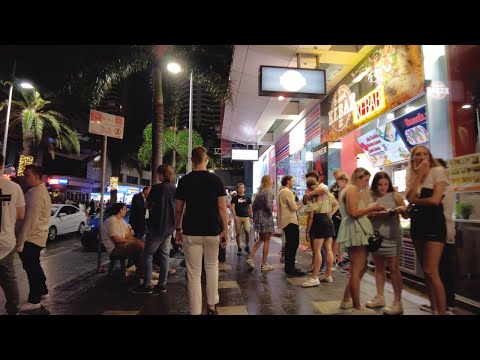
Ik raad de daily fail aan volgende keer eerst op YouTube te kijken voordat ze schrijven over nog jaren afstand houden.
En ja dat is daar dus allemaal gewoon weer toegestaan, zonder mondkapjes.
Remember regel één: adviezen bestaan niet, vrijwillige regels zijn géén regels. 😌
#WeesGeenWhales

Singapore voert het hetzelfde (succesvolle) beleid. Mensen uit veel landen moeten inderdaad 2 weken in een quarantainehotel (kosten 1250 euro, door persoon of bedrijf betaalt). Landen met minimale besmettingen (China, NZ, Aus) en andere speciale landen (zoals Maleisie) hebben aangepaste regelingen (fixed itinerary, in andere woorden, een vastgesteld reisschema (geen openbaar vervoer, alleen naar werk en hotel).quote:
Tuurlijk 'moeten' ze niks
En Australie en Nieuw Zeeland mogen de komende decennia panisch blijven doen over 'besmettingen', en geen ziekenhuisopnames vanwege covid en sterfgevallen accepteren.
En een verplichte 14-daagse quarantaine instellen voor iedereen die het land binnenkomt
Maar dan moeten ze dan wel de consequenties daarvan aanvaarden....
Economisch zal dat een ramp zijn
Kijk alleen maar naar al die arbeidsmigranten die in die landen nodig zijn voor de agrarische sector en dienstensector
Daarnaast werden eerst de mensen die in contact komen met deze mensen (testers, hotel staff, bus en taxi chauffeurs, vliegtuid personeel, etc) gevaccineerd.
Dit heeft ertoe geleid dan in de laatste 2 weken er 4 locale cases waren, waarvan het merendeel oude gevallen waren. In dezelfde tijd zijn er 300 mensen die Singapore binnenkwamen positief getest. Iedereen draagt nog een mondkapje, maar de economie draait als voor covid (https://www.channelnewsas(...)er-covid-19-14617634). Ik kan uit eten, ik kan naar de film, ik kan sporten, ik kan naar werk, kinderen gaan naar school. Meer en meer mensen zijn gevaccineerd (45+ en iedereen in logistiek en onderwijs).
In Nederland wordt er veel te veel gepraat door verschillende mensen, je moet meer pragmatisch zijn (en natuurlijk helpt het dat de landen waar we over praten vaak eilanden zijn). Hier worden bijvoorbeeld Maleisische vrachtwagenchauffeurs ingeent door Singapore, om Singapore veiliger te maken.
Bizar dat iemand in Nederland het coronabeleid van landen die op dat vlak juist uitstekend doen gaat bekritiseren. Typisch dat reflex om met het vingertje naar het buitenland te wijzen, om het groteske falen van Rutte en de Jonge te verbloemen. Want dat is de kern namelijk; waardeloos leiderschap in Nederland. Ooit het NOS journaal kritisch gehoord over Jaap van Dissel? Ik bedoel maar.
De afgunst is enorm in dit topic, mensen halen er vanalles bij om maar te bewijzen dat het beleid hier in NZ/AUS niet werkt.quote:
Bizar dat iemand in Nederland het coronabeleid van landen die op dat vlak juist uitstekend doen gaat bekritiseren. Typisch dat reflex om met het vingertje naar het buitenland te wijzen, om het groteske falen van Rutte en de Jonge te verbloemen. Want dat is de kern namelijk; waardeloos leiderschap in Nederland. Ooit het NOS journaal kritisch gehoord over Jaap van Dissel? Ik bedoel maar.
Mijn reactie is dan: succes ermee, ik geniet nog even na van het geweldige Newtown Festival hier afgelopen weekend, samen met 74.999 andere mensen (en dat was bij lange niet eens het grootste evenement in de stad de afgelopen weken).
In the coolest little capital of the world
Vorig jaar 3 maanden in Nieuw-Zeeland rondgereisd. Echt mooi land. Ik ben jaloers, duidelijk de beste plek om nu te zijn.quote:
[..]
De afgunst is enorm in dit topic, mensen halen er vanalles bij om maar te bewijzen dat het beleid hier in NZ/AUS niet werkt.
Mijn reactie is dan: succes ermee, ik geniet nog even na van het geweldige Newtown Festival hier afgelopen weekend, samen met 74.999 andere mensen (en dat was bij lange niet eens het grootste evenement in de stad de afgelopen weken).
Ik wil er ook graag heen. Maar goed, het zal logischerwijs nog wel ff duren dat het voor de rest van de wereld opengaat. En dat ligt wellicht eerder aan het beleid in de rest van de wereld (virus is nog niet onder controle) dan aan hun eigen strenge beleid (virus is wél onder controle). Van mijn kant iig geen afgunst, en oordelen obv artikels vanuit de luie stoel is gemakkelijk. Sowieso spreken veel onderzoeken elkaar tegen. Dan ga ik liever uit van praktijkvoorbeelden zoals in diverse posts hierboven beschreven.quote:
[..]
Vorig jaar 3 maanden in Nieuw-Zeeland rondgereisd. Echt mooi land. Ik ben jaloers, duidelijk de beste plek om nu te zijn.
75000 man bij een festival, fantastisch.
 Ook jaloersmakend
  maar op een goede manier uiteraard.
The only way you can be original, is to be yourself.
Als ze hun "succesverhaal" overeind willen houden dan kun je dit soort dingen niet meer hebben natuurlijk.quote:Australia's Victoria state to enter COVID-19 lockdown after 'highly-infectious' outbreak
Australia's second most populous state of Victoria will enter a one-week COVID-19 lockdown forcing its near seven million residents to remain home except for essential business as authorities struggle to contain a highly-infectious outbreak.
"We're dealing with a highly infectious strain of the virus, a variant of concern, which is running faster than we have ever recorded," Victoria state Acting Premier James Merlino told reporters in Melbourne.
"Unless something drastic happens, this will become increasingly uncontrollable."
Merlino said contact tracers have identified more than 10,000 primary and secondary contacts who would need to quarantine, test and self isolate, adding "that number will continue to grow and change".
The fresh cluster of infections in Melbourne detected early this week swelled to 26 on Thursday after 12 new cases overnight, while the number of virus-exposed sites rose above 150.
Victoria state Chief Health Officer Brett Sutton said he "absolutely expects" more positive cases to emerge in the coming days as the variant, first detected in India, was likely to be more virulent than the original strains.
The current strain can take one day to infect another person compared with earlier strains which can take about five or six days, Merlino said.
Under the lockdown, from 11:59 pm local time (1359 GMT) on Thursday until June 3, people will only be allowed to leave their homes for essential work, healthcare, grocery shopping, exercise or to get a coronavirus vaccination.
Several infected contacts have visited crowded hot spots that included sports stadiums and one of the largest shopping centres in the country, raising concerns of a significant outbreak days ahead of the winter season.
New Zealand on Thursday extended a pause in its quarantine-free travel arrangement with Victoria until June 4 citing the high-risk over the new cases, while Australian states and territories responded to the lockdown by placing tougher border rules for travellers from Victoria.
New Zealand COVID-19 Response Minister Chris Hipkins said everyone who had visited Melbourne since May 20 would be required to isolate at their homes until they get a negative COVID-19 result.
The states of Western Australia and Tasmania on Thursday closed their borders to Victorian residents following South Australia's move a day earlier. The Northern Territory and Queensland state will ask travellers to undergo a mandatory two-week hotel quarantine.
New South Wales, Australia's most populous state and which shares a border with Victoria, urged residents to defer non-urgent travel to Melbourne.
The lockdown comes just days after authorities reinstated coronavirus curbs for state capital Melbourne, limiting gathering sizes and making masks mandatory in restaurants, hotels and other indoor locations until June 4. read more
Officials have traced the latest cluster, the first in the state in more than three months, back to an overseas traveller infected with a variant first found in India, although the virus transmission path is still unclear.
The unnamed Victoria man tested negative after finishing his quarantine in neighbouring South Australia and flew to Melbourne this month but tested positive six days after he arrived.
Victoria endured one of the world's strictest and longest lockdowns last year to suppress a second wave of COVID-19 that killed more than 800 people in the state, amounting for 90% of Australia's total deaths since the pandemic began.
Swift contact tracing, snap lockdowns and strict social distancing rules have helped Australia keep its COVID-19 numbers relatively low, with just over 30,000 cases and 910 deaths.
