ONZ Onzin voor je leven!
Vrolijkheid troef in dit lieve forum vol humor.





 Op
Op 


Sperm Spoons
2008
Spoons, Stainless Panels
2008
Spoons, Stainless Panels
SPOILEROm spoilers te kunnen lezen moet je zijn ingelogd. Je moet je daarvoor eerst gratis Registreren. Ook kun je spoilers niet lezen als je een ban hebt.Enlarged art work
Sperm Spoons
1992-Present
Recycled SpoonsSPOILEROm spoilers te kunnen lezen moet je zijn ingelogd. Je moet je daarvoor eerst gratis Registreren. Ook kun je spoilers niet lezen als je een ban hebt.quote:Spoons/Sperms are works ranging from the placement of hundreds of spoons on a stainless steel panel (60” by 48”) to
thousands of spoons covering a whole gallery wall. The handles of the spoons are lined up facing in the same direction resulting
in an arrangement that resembles a mass of spermatozoa racing toward an unseen ovum. Just as in the process of fertilization,
only one of the sperms, numbering in the millions, will be successful in the struggle to reach the target ovum. So life, as Park
sees it, is “a struggle in which only the fittest will survive.”
His spoon project began serendipitously as he was drinking hot tea and coffee to stay warm in his drafty studio. While stirring
those drinks, he started to wonder, “What can I do with a spoon?” Contemplating and considering its shape, he thought, “It
looked like a sperm…something that I could see as a possibility, and it turned out to be a pretty interesting object. I wanted to
see what it would look like if I twisted the metal. I didn’t have a blowtorch. I didn’t want to pound it…and create noise…and turn
it into a crafted item. I wanted to be more wise about it so I used the little bench vise in the studio and some pliers and just
played with it, twisting and turning.”
Once he had begun to consider the possibilities of spoons and how they could be transformed, he started collecting locally,
buying spoons from thrift stores …all used, often dirty, and in need of cleaning. Later, frequenting flea markets, Park began
collecting spoons on a larger scale.
He remembers, for example, when he was in Upstate New York collecting spoons, “I was talking to a local professional flea
marketer, and I asked him if he had spoons and he said ‘Yes,’ so he brought out a whole bucketful of spoons, and we negotiated
a price. After we had negotiated the price, he brought out a bucketful of forks, but I said I just needed spoons. He said, ‘If you
open a Chinese restaurant, don’t you think you’ll need forks, also?’ implying that I would open a Chinese restaurant in the
neighborhood. That was an interesting comment, revealing how he connected my perceived ethnicity with an ethnic stereotype.
So I guess, if I would open a restaurant, I could call it ‘Spoons Only’.” Another time, when he was also collecting spoons in huge
quantities, but not discussing that he would use them for art work, a vendor revealed yet another ethnic stereotype: “Oh, you
Orientals, you’re smart. You’ll do something with this, maybe.”
When Park was collecting all these spoons, he says, “ I didn’t know exactly what I would do with them but I saw something. I
didn’t know what it was but I could see a possibility. I’m still collecting spoons; over the years I have collected over 8,000
spoons.”My age is very
Inappropriate
for my behavior

quote:Op zondag 8 november 2020 18:19 schreef puzziepie het volgende:
Sperm Spoons
2008
Spoons, Stainless PanelsSPOILEROm spoilers te kunnen lezen moet je zijn ingelogd. Je moet je daarvoor eerst gratis Registreren. Ook kun je spoilers niet lezen als je een ban hebt.Enlarged art work
Sperm Spoons
1992-Present
Recycled SpoonsSPOILEROm spoilers te kunnen lezen moet je zijn ingelogd. Je moet je daarvoor eerst gratis Registreren. Ook kun je spoilers niet lezen als je een ban hebt.[..]


Leuke lepel actiequote:Op vrijdag 27 november 2020 11:01 schreef JustinK het volgende:
BLACK FRIDAY ACTIE:
ALLE LEPELS NU VOOR 2 KEER DE HELFT!!!

My age is very
Inappropriate
for my behavior
Inappropriate
for my behavior

Hoeveel lepels heb je ingeslagen?quote:
[..]
Zeker, meteen weer een voorraad ingeslagen
My age is very
Inappropriate
for my behavior
Inappropriate
for my behavior
Twee keer de helftquote:Op vrijdag 27 november 2020 11:30 schreef puzziepie het volgende:
[..]
Hoeveel lepels heb je ingeslagen?

Zoiets jaquote:
[..]
Heb je een klap van de lepel gekregen?


My age is very
Inappropriate
for my behavior
Inappropriate
for my behavior


Was dat niet ook altijd de uitspraak van: the thick?quote:
een tekenfilm van vroeger op fox kids ofzo?
I'm no longer a slave of fear.
I am a child of God
God is not dead.
I am a child of God
God is not dead.
Dat weet ik nietquote:
[..]
Was dat niet ook altijd de uitspraak van: the thick?
een tekenfilm van vroeger op fox kids ofzo?

My age is very
Inappropriate
for my behavior
Inappropriate
for my behavior







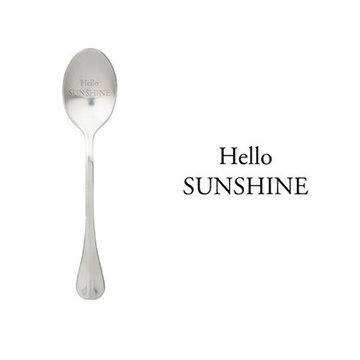
In het kader van 'deel je verzameling', wil je m'n mooiste lepel zien? 
SPOILEROm spoilers te kunnen lezen moet je zijn ingelogd. Je moet je daarvoor eerst gratis Registreren. Ook kun je spoilers niet lezen als je een ban hebt.
[ Bericht 47% gewijzigd door JustinK op 28-12-2020 22:39:56 ]
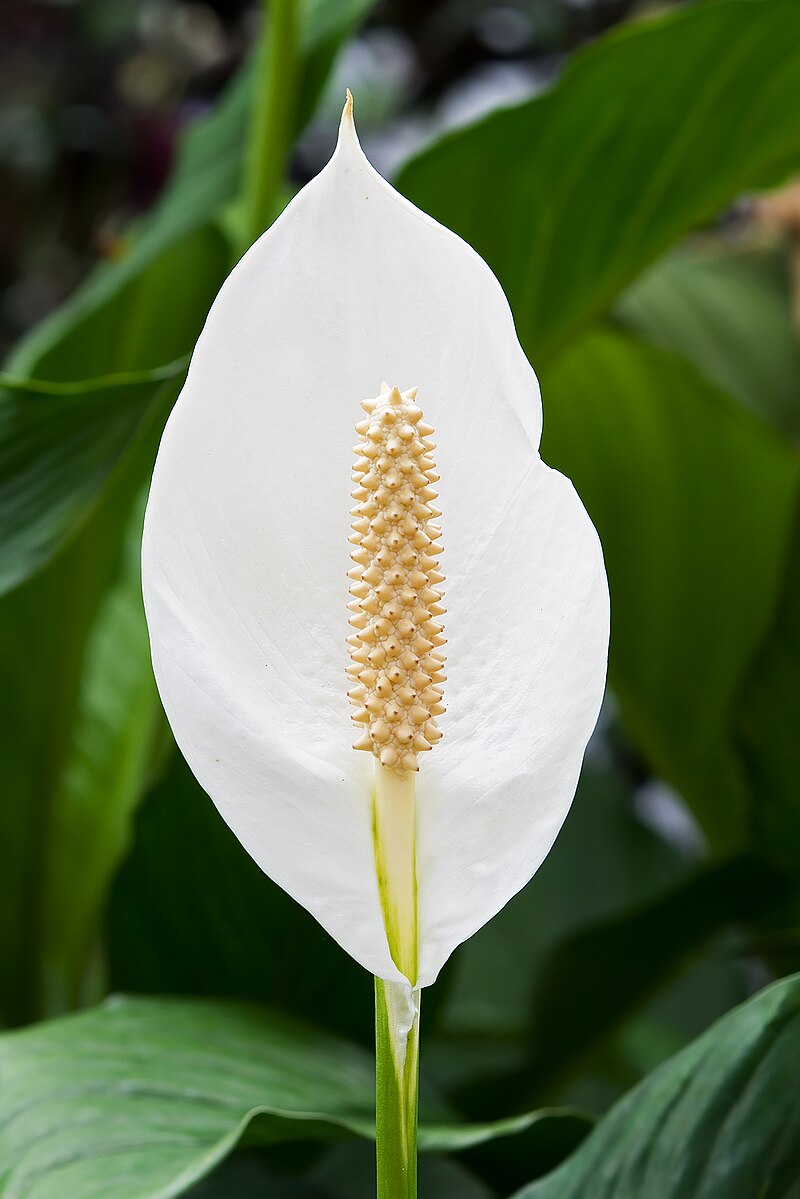
Lepelplant
Lepelplant (Spathiphyllum) is een geslacht uit de aronskelkfamilie (Araceae). Het geslacht is onder te verdelen in veertig soorten, waarvan een aantal gebruikt wordt als luchtfilterende kamerplant.
Verzorging
De lepelplant komt uit het regenwoud. Om hem mooi te houden is veel water nodig en dient hij af en toe besproeid te worden. De plant overleeft echter ook periodes met weinig water. Hij heeft niet veel zonlicht nodig.
Aquarium
Sommige soorten worden verkocht als aquariumplant. Alleen de kleine soorten zijn geschikt voor het aquarium. Het is een plant die het in de bak jarenlang uit kan houden en weinig verzorging vraagt. Bladvorm en -kleur veranderen niet onder water, de bloei geschiedt boven water. De lepelplant is licht giftig, daarom laten herbivore vissen hem met rust.
Lepelplant (Spathiphyllum) is een geslacht uit de aronskelkfamilie (Araceae). Het geslacht is onder te verdelen in veertig soorten, waarvan een aantal gebruikt wordt als luchtfilterende kamerplant.
Verzorging
De lepelplant komt uit het regenwoud. Om hem mooi te houden is veel water nodig en dient hij af en toe besproeid te worden. De plant overleeft echter ook periodes met weinig water. Hij heeft niet veel zonlicht nodig.
Aquarium
Sommige soorten worden verkocht als aquariumplant. Alleen de kleine soorten zijn geschikt voor het aquarium. Het is een plant die het in de bak jarenlang uit kan houden en weinig verzorging vraagt. Bladvorm en -kleur veranderen niet onder water, de bloei geschiedt boven water. De lepelplant is licht giftig, daarom laten herbivore vissen hem met rust.
orgie day
Trots lid van het 👿 Duivelse Viertal 👿
Een gedicht over Maanvis
Het ONZ / [KAMT] Kennis- en Adviescentrum Maanvis Topics , voor al je vragen over mijn topiques!
Een gedicht over Maanvis
Het ONZ / [KAMT] Kennis- en Adviescentrum Maanvis Topics , voor al je vragen over mijn topiques!





|
|

| Forum Opties | |
|---|---|
| Forumhop: | |
| Hop naar: | |