NWS Nieuws & Achtergronden
Discussieer hier diepgaander over de actualiteiten.



- veiligheid, ze zijn bang voor een militaire interventie als Belarus verder in de invloedsfeer van Rusland komt te vallen. Ondanks dat ze lid zijn van de NAVO.;quote:Op vrijdag 11 september 2020 14:36 schreef luxerobots het volgende:
[..]
Wat zijn die regionale belangen van Litouwen dan? Vergeet niet dat Litouwen een klein land is met 2,8 miljoen inwoners.
- energieveiligheid. Ze zijn nog niet gesynchroniseerd met het Europese Net. Dat kan nog wel tot 2025 duren. Daarom zijn ze bang om zonder stroom te komen zitten.
Litouwen speelt van alle EU-buurlanden de meest actieve rol in de Belarussische politieke crisis, ondanks dat ze het kleinste land zijn met de minste inwoners.
De parlementarier die ik gisteren op OGP TV heb gezien, zei ook dat de Litouwse diaspora in o.a. de VS nu druk aan het lobbyen is voor de Belarussische zaak, die ze als hun eigen zaak zien.
Litouwen is niet alleen NAVO-lid maar ook EU-lid. Met de euro als munt.quote:
[..]
- veiligheid, ze zijn bang voor een militaire interventie als Belarus verder in de invloedsfeer van Rusland komt te vallen. Ondanks dat ze lid zijn van de NAVO.;
Die hoeven echt niet bang te zijn voor hun veiligheid wat betreft Rusland.
En Loekasjenko gaf die stroom niet?quote:- energieveiligheid. Ze zijn nog niet gesynchroniseerd met het Europese Net. Dat kan nog wel tot 2025 duren. Daarom zijn ze bang om zonder stroom te komen zitten.
Volgens mij ligt het gewoon veel principiëler. Litouwers weten nog wat het is om niet vrij te zijn en zijn daarom voor vrijheid en vrije verkiezingen. Daarbij zijn ze door de gemeenschappelijke geschiedenis erg verbonden met Wit-Rusland.
Ik heb er geen bronnen van gezien dat Litouwen (in jouw ogen) extremer is dan bijvoorbeeld Polen of Letland.quote:Litouwen speelt van alle EU-buurlanden de meest actieve rol in de Belarussische politieke crisis, ondanks dat ze het kleinste land zijn met de minste inwoners.
(Overigens is Letland een kleiner EU-buurland van Wit-Rusland dan Litouwen.)
Dat zijn ze anders echt toch wel.quote:
[..]
Litouwen is niet alleen NAVO-lid maar ook EU-lid. Met de euro als munt.
Die hoeven echt niet bang te zijn voor hun veiligheid wat betreft Rusland.
Dat doen ze wel. Maar ze zijn dus bang dat de nieuwe Belarussische kerncentrale de markt overspoeld met goedkope stroom en dat vervolgens de Russen hun invloed in Belarus gaan gebruiken om stroom als een drukmiddel tegen de Litouwers te gebruiken. Daarom willen ze en niet meer Russische invloed en geen kerncentrale (maar die strijd hebben ze al verloren).quote:[..]
En Loekasjenko gaf die stroom niet?
Dat speelt zeker ook een rol.quote:Volgens mij ligt het gewoon veel principiëler. Litouwers weten nog wat het is om niet vrij te zijn en zijn daarom voor vrijheid en vrije verkiezingen.
Dat is zeker waar, al vinden ze Vilnja (Vilnius) vooral hun eigen stad.quote:Daarbij zijn ze door de gemeenschappelijke geschiedenis erg verbonden met Wit-Rusland.
Welles! Goed argument.quote:
[..]
Dat zijn ze anders echt toch wel.
Wit-Russen krijgen goedkope stroom en de Russen gaan dat gebruiken tegen de Litouwers?quote:Dat doen ze wel. Maar ze zijn dus bang dat de nieuwe Belarussische kerncentrale de markt overspoeld met goedkope stroom en dat vervolgens de Russen hun invloed in Belarus gaan gebruiken om stroom als een drukmiddel tegen de Litouwers te gebruiken. Daarom willen ze en niet meer Russische invloed en geen kerncentrale (maar die strijd hebben ze al verloren).
Het is ook geen goed argument, maar wel een veelgebruikt argument (de angst voor Rusland) in de baltische staten.quote:
Nee, in Belarus wordt er goedkoop stroom geproduceerd, waardoor het onrendabel wordt om in de baltische staten stroom te produceren. Als Rusland dan vervolgens aan invloed wint, beslissen niet de Belarussen, maar de Russen over de Litouwse stroom.quote:Wit-Russen krijgen goedkope stroom en de Russen gaan dat gebruiken tegen de Litouwers?
https://www.lrt.lt/en/new(...)ue-to-baltic-boycottquote:Minsk to export nuclear energy to other markets due to Baltic boycott
2020.09.09 11:09
Belarus will export electricity to foreign markets after the launch of Astravyets nuclear power plant, the country’s Deputy Energy Minister Mikhail Mikhadyuk said last week. The statement came after the Baltic states agreed to block Belarusian nuclear imports.
Mikhadyuk said that various options for exporting Astravyets electricity were now being considred, Belarusian state news agency BelTA reported on September 3.
“I am confident that with the introduction of the nuclear power plant, the Belarusian electricity will become even more competitive in foreign markets,” he said.
But as the Baltic states, Poland, and Ukraine have previously said they will not buy electricity produced at Astravyets, the only option remains Russia – which is also building and financing the plant.
On September 3, Russian Energy Minister Alexander Novak said that Russia and Belarus will cooperate in realising the electricity produced at Astravyets NPP.
“The question of electricity supply from the nuclear facility was discussed at the meeting between Russian and Belarusian prime ministers. Relevant institutions have been obliged to resolve the questions of both countries’ electricity systems operations,” Novak said.
The construction of the Astravyets NPP is funded by a loan from the Kremlin and is being constructed by Russia’s state atomic agency Rosatom.
Baltic boycott
Lithuania has long advocated for a total ban of Astravyets electricity because it deems the nuclear facility, located some 30 kilometres from Vilnius, to be unsafe.
On September 1, Lithuanian, Estonian, and Latvian energy ministers reached an agreement to cease power trade with Belarus after the Astravyets plant is launched.
According to the Lithuanian Energy Minister ´ygimantas Vaičiūnas, Belarus could lose “hundreds of millions of euros” because of the electricity ban from the neighbouring countries.
However, Latvia said it will continue energy trade with Russia until the Baltic states desychronise their power grids from the BRELL network, which includes the Baltic states, Belarus and Russia, and connects to the European system by 2025.
Critics have previously said this leaves a technical possibility for electricity from Astravyets to enter the common Baltic states' market via Russia.
LRT
Dit verhaal dus. Nu het niet is gelukt om de bouw van de kerncentrale te stoppen, gaan ze op papier stroom in Rusland kopen, dat vervolgens weer stroom van Belarus koopt.
De Litouwers hebben ook het volgende opiniestuk gepubliceerd:
LRT
https://www.lrt.lt/en/new(...)-happen-to-lithuaniaquote:If Russia swallows Belarus, what would happen to Lithuania?
Andrius Balčiūnas, LRT.lt
2020.09.10 17:30
Belarus’ Alexander Lukashenko refused to have Russian military bases in the country. But despite past differences, the turmoil following the August 9 presidential election is pushing Minsk closer to Moscow. What does it mean for Lithuania’s security?
Back in the 1990s, Russia and Belarus agreed to form a union state. Last year, Russian President Vladimir Putin reminded Lukashenko about the deal, but the two leaders failed to agree on the exact terms.
“[Russia] could now quickly complete the [merger] that it could not finish 20 years ago. It is very worrying,” Lithuanian Foreign Minister Linas Linkevičius said. According to him, the integration of the two countries “could hardly be stopped” given the current situation.
Already occupied?
When protests engulfed Belarus, Lukashenko accused foreign powers of meddling in his country’s affairs. He announced the highest military readiness in response to the alleged NATO movement near the Belarusian border.
Putin also promised to send military units to Belarus to ensure security and help suppress the peaceful protests. At the same time, Russian air forces and navy conducted exercises in Russia’s Baltic exclave of Kaliningrad wedged between Lithuania and Poland, demonstrating that they would be ready to react to the situation in Belarus if necessary.
Based on the strategies tested during the joint Russian-Belarusian military exercises Zapad, the Belarusian army would be subordinate to the leadership of the Russian Western Military District in the event of a conflict.
Gustav Gressel, an analyst from the European Council on Foreign Relations, who previously served in the Austrian military and the country’s Defence Ministry, said that such unexpected exercises demonstrated that Belarus had already surrendered its army and sovereignty to Russia.
But Belarusian military commanders might not be as loyal to the Kremlin as Moscow would expect. In recent years, Lukashenko has conducted reforms in the security and military structures replacing, staff with his loyalists.
So far, Lukashenko has resisted the Kremlin's pressure to make Belarus an integral part of the Russian Western Military District and set up a permanent military base in the country. Despite fears raised by countries like Lithuania, the Russian army also did not stay in Belarus after Zapad.
“This will end now. The Belarusian Army was quite integrated with the Russian one in terms of equipment, logistics, training, and education. During wartime, it had to be subordinated to the Russian Army Western Military District,” Gressel said.
He added that Russia would exploit the current situation to increase control over the Belarusian army during peacetime as well.
“There will be Russian ground forces deployed in Belarus. Russia may also increase its C4ISR [surveillance and reconnaissance] installations in Belarus to spy on NATO from there,” Gressel explained.
But other experts were more cautious in their evaluation of possible Russian manoeuvres.
“Putin’s actions are hard to predict. He always surprises us. […] He might come up with a new surprise other than an obvious Belarusian integration into Russia,” said Elisabeth Braw, director of the Modern Deterrence project at the UK's Royal United Services Institute (RUSI).
No warning
One of the greatest Lithuanian security challenges is the so-called Suwalki gap, a 100-kilometre-wide strip separating Belarus and Russia’s Kaliningrad, where Russia has deployed Iskander missiles that can carry nuclear warheads.
In the event of a military conflict, Russia could occupy the Suwalki corridor and cut off Lithuania, along with Latvia and Estonia, from the rest of NATO.
According to Gressel, for some time, Lukashenko has “tried to steer clear of being a springboard for offensive Russian operations”. Unlike Russia, Belarus also complied with the Organization for Security and Cooperation in Europe (OSCE) Vienna Document and Treaty on Conventional Armed Forces in Europe (CFE).
Both treaties are aimed at preventing escalation and introducing transparency and monitoring measures. The latter also limits military equipment and troop build-up in Europe.
“At least in the military sphere, this gave NATO some knowledge on what was going on in Belarus. If Russia had evil intentions, we would have had some pre-warning time,” Gressel said.
He added that now, the “situation would unfold very quickly” if Russian troops were deployed in Belarus, because there would no longer be any warning signs.
New military bases in Lithuania?
Russia and Belarus are members of the Collective Security Treaty Organisation (CSTO), an intergovernmental military alliance comprising six post-Soviet states. The importance of the alliance is hard to evaluate. In mid-July, Russia reacted vaguely to clashes between CSTO member-state Armenia and its neighbour Azerbaijan.
But NATO leaders often reiterate their commitment to collective defence clauses. According to Gressel, NATO would also have to react, if Russia took over Belarus.
“It will have to abandon the NATO–Russia founding act and its restraints to deploy only limited forces to the border,” the expert said.
“The ‘deterring from a distance’ had advantages. It was cheaper, easier to explain to reluctant Western European audiences, and more flexible if you wanted to use the troops elsewhere. […] But defending the Baltics is a race against the clock. It is not so much about the overall size of forces, but about the operational tempo,” Gressel added.
In his words, losing Belarus could prolong the reaction time of NATO by four days.
Ukraine would also be negatively affected if Russia formed a union state with Belarus. Ukraine’s border with de facto Russia would become longer, which would complicate the war in Donbas and would move the capital Kyiv closer to a hostile state.
“In my view, NATO should consult about this, and threaten Russia with consequences if it proceeds the way it does. The Kremlin’s mind is more militarised than ours, so tanks are a far better deterrent than sanctions,” Gressel said.
According to him, the West must make Russia pay if it occupies Belarus by introducing sanctions and cutting energy imports.
Braw, however, said that NATO must follow international treaties even if Moscow breaches, them because the West is subject to a different political culture.
“I think [NATO] should maintain its strategy […]. A permanent deployment in the Baltics or Poland would not be favourable to the bloc because it would give Russia permission to say that NATO does not comply with its legal obligations,” she said.
Will Lukashenko leave?
The Belarusian protesters are now focused on fighting for free and democratic elections, not discussing the geopolitical future of the country.
According to Braw, the Kremlin may allow elections, as it wouldn’t want to occupy a country that strives for democratic changes. The Soviet occupation of the Baltic states showed that controlling a hostile territory was difficult and costly.
Gressel added that a Russian military action against Belarus was also less likely due to its experience in Ukraine. There, Moscow’s intervention strengthened the anti-Russian sentiment and pushed the country closer to the Euro-Atlantic integration.
According to Gressel, even if Lukashenko were replaced by a new leader, he or she would be bound by the CSTO and Eurasian Economic Union (EAEU) agreements.
“But [the new leader] could reinstate Lukashenko’s previously held red lines on independence and sovereignty. […] And then very carefully work from there to open the country,” Gressel said.
LRT
https://naviny.media/new/(...)e-nahodyatsya-zhitelquote:Belsat: Er bevind zich een bewoner van Vitebsk en zijn vader op het territorium van de Zweedse ambassade. Ze vragen politiek asiel.
Op het territorium van de Zweedse ambassade in Minsk, dat nu omringd wordt door wethandhavers, bevind zich de bewoner van Vitebsk Vladislav Kuznechik en zijn vader Vitalij Kuznechik, meldde de tv-zender "Belsat" op hun telegram kanaal.
Volgens de woorden van Kuznechik, werden zij aangehouden op het protest van 6 september in Vitebsk en werd er in hun ogen traangas gespoten en werden ze geslagen met knuppels. Het lukte de zoon om zijn vader te bevrijden, maar uit angst voor vervolging verstopten de Kuznechik'en zich vier dagen. Vladislav Kuznechik nam een videoboodschap op, terwijl hij zich bevond op het territorium van de Zweedse ambassade met zijn vader, waarbij hij verklaarde dat hun familieleden en kinderen gevolgd werden.
Vandaag probeerden ze de ambassade van Zweden in Minsk binnen te komen om asiel te vragen. Omdat ze niet naar binnen werden gelaten, zijn ze over het hek gesprongen naar het territorium van de diplomatieke vertegenwoordiging.
Op dit moment, zoals Vladislav Kuznechik zei, omringen wethandhavers de ambassade en wachten ze op uitlevering van de voortvluchtigen. Vitalij Kuznechik vertelde, dat de Zweedse diplomaten proberen om contact te leggen met hun leiding in Stokholm voor het oplossen van de situatie.
https://naviny.media/new/(...)ezhim-dlya-belorusovquote:Op een EU-summit zal een visavrij regime voor Belarussen worden voorgesteld.
De visegrad groep zal op een komend buitengewoon EU-summit een ondersteuningspaket voor het Belarussische bevolking voorstellen. Daar vertelde vrijdag de Poolse premier Mateuz Morawiecki over op een persconferentie inzake de resultaten van de ontmoeting van de vier regeringshoofden van de groep in Lublin.
"Wij willen het Belarussische volk een project voor de economische samenwerking voorstellen", zei hij, terwijl hij verduidelijkte, dat het onder andere gaat over energieveiligheid, samenwerking in de informatie- en infrastructuur sectoren.
"Wij zouden visumvrij reisen voor willen stellen aan Belarussische staatsburgers", klinkt het in een citaat van Morawiecki dat de persdienst van de Poolse regering aanhaalt.
"Dit pakket zouden wij voor willen stellen tijdens het komende EU-summit", verduidelijkte hij.
Ondertussen draait ook op scholen de propaganda machine op volle toeren. Berichten daarover zie je met enige regelmaat sinds 1 september voorbij komen. Vanmiddag publiceerde rebenok.by een audiofragment met (hoogstwaarschijnlijk) een medewerkster van de politie die voorlichtingsles kwam geven.
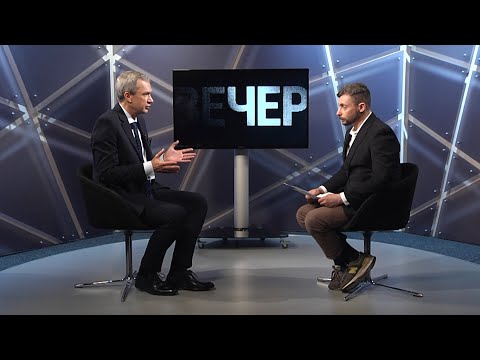
Ik zag net dat Radio Liberty een klein fragment van het interview gisteren op "Nastojaschee Vremja (Current Time)" met Pavel Latushko heeft voorzien van Engelstalige ondertiteling. De moeite van het kijken waard!
Deze is ook leuk:quote:
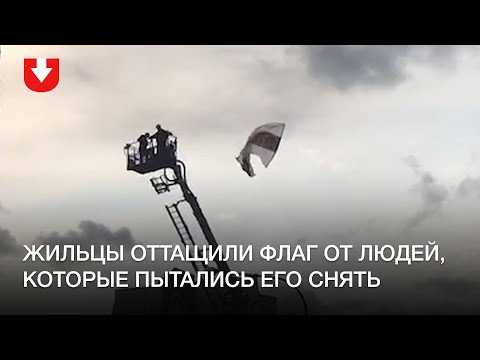
Inwoners van Minsk worden steeds vindingrijker in de strijd met mannetjes op een hoogwerker.
Het schijnt dat ze hem even later gepakt hebben, dat is dan weer minder leuk.quote:
Tichanovskja is vandaag trouwens 38 jaar oud geworden. Dat was reden voor feest op pleinen rondom appertementencomplexen door het hele land.
Ik zag trouwens net een interview bij Nieuwsuur. De NOS heeft zich weer lekker laten gebruiken door de propagandamachine van Lukashenko.


 Op
Op
Vandaag dus vrouwenprotest. En duizenden vrouwen op straat.
Helaas ook weer vele arrestaties:
Er was ook een demonstratie voor Loekasjenko. Ik schat dat er nog geen 50 mensen waren... waarvan niemand bang hoefde te zijn om opgepakt te worden:
Helaas ook weer vele arrestaties:
Er was ook een demonstratie voor Loekasjenko. Ik schat dat er nog geen 50 mensen waren... waarvan niemand bang hoefde te zijn om opgepakt te worden:
De politie meldde dat ze zaterdag 114 mensen hebben aangehouden, waarvan 99 in Minsk.
De belangrijkste ontwikkelingen van de protesten van gisteren (waar je tientallen posts over zou kunnen schrijven als je over genoeg tijd beschikt) kun je in de volgende punten samenvatten:
- de demonstranten zetten nu in op deanonimisatie van agenten in masker;
- de politie neemt nu ook in toenemende mate vrouwen mee in de gevangenenwagens.
De mars van vanmiddag is aangekondigd als "Mars van de helden". De afgelopen dagen zijn er in toenemende mate leuzen ter steun van Kolesnikova in het scala opgenomen.
De verwachting is dat er vanmiddag harder zal worden opgetreden tegen de demonstranten in aanloop van de ontmoeting tussen Lukashenko en Putin morgen in Sochi. De mate van verharding is nu nog bron van speculatie. Naar verwachting zullen repressieve maatregelen in eerste plaats worden ingesteld tegen demonstranten die in kleine groepjes naar het centrum reizen of daarvandaan weer terug naar huis gaan.
Wat betreft de ontmoeting van morgen tussen Putin en Lukashenk in Sochi: er is geen persconferentie geplanned en het ligt niet in de lijn der verwachtingen dat er daar vergaande besluiten worden ondertekend.
De belangrijkste ontwikkelingen van de protesten van gisteren (waar je tientallen posts over zou kunnen schrijven als je over genoeg tijd beschikt) kun je in de volgende punten samenvatten:
- de demonstranten zetten nu in op deanonimisatie van agenten in masker;
- de politie neemt nu ook in toenemende mate vrouwen mee in de gevangenenwagens.
De mars van vanmiddag is aangekondigd als "Mars van de helden". De afgelopen dagen zijn er in toenemende mate leuzen ter steun van Kolesnikova in het scala opgenomen.
De verwachting is dat er vanmiddag harder zal worden opgetreden tegen de demonstranten in aanloop van de ontmoeting tussen Lukashenko en Putin morgen in Sochi. De mate van verharding is nu nog bron van speculatie. Naar verwachting zullen repressieve maatregelen in eerste plaats worden ingesteld tegen demonstranten die in kleine groepjes naar het centrum reizen of daarvandaan weer terug naar huis gaan.
Wat betreft de ontmoeting van morgen tussen Putin en Lukashenk in Sochi: er is geen persconferentie geplanned en het ligt niet in de lijn der verwachtingen dat er daar vergaande besluiten worden ondertekend.
De afgelopen weken werd er op zondag bij het paleis en de gedenksteen van Minsk gedemonstreerd.
Het regime bracht het leger daar wederom naartoe.
Maar nu is het plan gewijzigd. Demonstranten gaan naar Drazdy, naar de privévertrekken van Loekasjenko en zijn hooggeplaatsten.
Verwarring alom bij het leger en de ordetroepen.
Het regime bracht het leger daar wederom naartoe.
Maar nu is het plan gewijzigd. Demonstranten gaan naar Drazdy, naar de privévertrekken van Loekasjenko en zijn hooggeplaatsten.
Verwarring alom bij het leger en de ordetroepen.
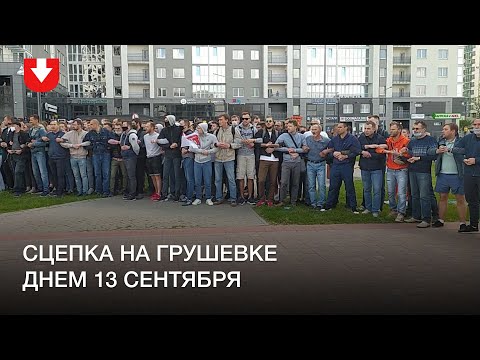
De eerste aanhoudingen van vandaag zijn reeds uitgevoerd. De demonstranten in dit filmpje echter, hebben gelijk een keten gevormd toen het eerste busje in hun blikveld kwam.
Het is en blijft natuurlijk speculatie hoe serieus je verschillende anonieme dreigementen zoals in de tweet hierboven over 9 oktober moet nemen. Gisteren hoorde ik hier al over:
Mogelijk een interessante ontwikkeling, al geldt ook voor dit anonieme dreigement de bovenstaande disclaimer.
Mogelijk een interessante ontwikkeling, al geldt ook voor dit anonieme dreigement de bovenstaande disclaimer.


Hè, Hummers?quote:
...
Verwarring alom bij het leger en de ordetroepen.
O nee, neppe Chinese bakken.
https://en.m.wikipedia.org/wiki/Humvee_manufacturing_in_Chinaquote:Belarus - 22 Dongfeng EQ2058s donated for use by Belarusian Special Forces units.[32][33] Delivered under an act of gratuitous transfer of military assistance signed by Belarus and China on June 19, 2012 and have made public appearances on its independence day parade
[ Bericht 5% gewijzigd door Hyperdude op 13-09-2020 13:12:51 ]
How do we turn this world-class fuck-up into a world-class learning experience?
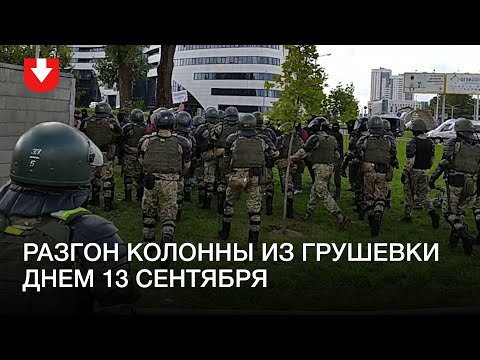
Dichtbij de plek van het eerdere filmpje dat ik postte, wordt de meningte nu uit elkaar gedreven. Dergelijke taferelen worden ook gemeld vanuit andere delen van de stad, waaronder in de buurt van het Renaissance hotel.
Zonder geld kan Loekasjenko niet verder. De belastingen boycotten en/of het belastingsysteem hacken zou dus een goede stap zijn om Loekasjenko op de knieën te dwingen.quote:
Het is en blijft natuurlijk speculatie hoe serieus je verschillende anonieme dreigementen zoals in de tweet hierboven over 9 oktober moet nemen. Gisteren hoorde ik hier al over:
[ twitter ]
Mogelijk een interessante ontwikkeling, al geldt ook voor dit anonieme dreigement de bovenstaande disclaimer.
