NWS Nieuws & Achtergronden
Discussieer hier diepgaander over de actualiteiten.



Het gaat weer prima met de productie van Colombiaans wit! 
quote:Politie Colombia vindt 2000 kilo drugs
De politie in Colombia heeft ruim 2000 kilo drugs aangetroffen in een scheepslading bananenkisten. Het ging om chloorhydraat, een tussenproduct van cocaïne. De drugs hebben een straatwaarde van ongeveer 40 miljoen euro, meldden Colombiaanse media.
De drugs zaten verstopt in een container in de noordelijke haven van Santa Marta. De gewapende bende Los Urabeños wilde de cocaïne via Midden-Amerika naar de Verenigde Staten smokkelen, maar met de hulp van speurhonden is dat voorkomen. De bende is een van de machtigste partijen in de Colombiaanse drugshandel.
De Colombiaanse politie heeft dit jaar al 25 ton drugs in beslag genomen. Eerder deze week werd 240 kilo cocaïne opgespoord die voor België was bestemd.
Free Assange! Hack the Planet
[b]Op dinsdag 6 januari 2009 19:59 schreef Papierversnipperaar het volgende:[/b]
De gevolgen van de argumenten van de anti-rook maffia
[b]Op dinsdag 6 januari 2009 19:59 schreef Papierversnipperaar het volgende:[/b]
De gevolgen van de argumenten van de anti-rook maffia


Een lading die niet goedgekeurd was door de autoriteiten? De prijs opdrijven door deze "acties"?quote:Op zondag 30 maart 2014 01:41 schreef Papierversnipperaar het volgende:
Het gaat weer prima met de productie van Colombiaans wit!
[..]
Een druppeltje op een enorme gloeiende plaat.

The only limit is your own imagination
Ik ben niet gelovig aangelegd en maak daarin geen onderscheid tussen dominees, imams, scharenslieps, autohandelaren, politici en massamedia
Waarom er geen vliegtuig in het WTC vloog
Ik ben niet gelovig aangelegd en maak daarin geen onderscheid tussen dominees, imams, scharenslieps, autohandelaren, politici en massamedia
Waarom er geen vliegtuig in het WTC vloog

Wat kost een gram poeder daar trouwens?quote:Op zondag 30 maart 2014 05:24 schreef El_Matador het volgende:
[..]
Een lading die niet goedgekeurd was door de autoriteiten? De prijs opdrijven door deze "acties"?
Een druppeltje op een enorme gloeiende plaat.
The fate of our times is characterized by rationalization and intellectualization and, above all, by the disenchantment of the world.


Ik kan, als ik het zou willen, wat ik niet doe, het kopen voor zo'n 8 euro. Maar het kan (veel) goedkoper.quote:Op zondag 30 maart 2014 05:25 schreef tofastTG het volgende:
[..]
Wat kost een gram poeder daar trouwens?
The only limit is your own imagination
Ik ben niet gelovig aangelegd en maak daarin geen onderscheid tussen dominees, imams, scharenslieps, autohandelaren, politici en massamedia
Waarom er geen vliegtuig in het WTC vloog
Ik ben niet gelovig aangelegd en maak daarin geen onderscheid tussen dominees, imams, scharenslieps, autohandelaren, politici en massamedia
Waarom er geen vliegtuig in het WTC vloog

De grootste oorlog in de wereld "bijzonder oninteressant" noemen.quote:
Bijzonder oninteressant onderwerp dit trouwens. Altijd toch hetzelfde?

The only limit is your own imagination
Ik ben niet gelovig aangelegd en maak daarin geen onderscheid tussen dominees, imams, scharenslieps, autohandelaren, politici en massamedia
Waarom er geen vliegtuig in het WTC vloog
Ik ben niet gelovig aangelegd en maak daarin geen onderscheid tussen dominees, imams, scharenslieps, autohandelaren, politici en massamedia
Waarom er geen vliegtuig in het WTC vloog
Dat is inderdaad nog best meer dan ik verwacht had, curaçao schijn je voor ongeveer 5 euro al een gram Colombiaans poeder in je neusje te kunnen stoppen.quote:Op zondag 30 maart 2014 05:28 schreef El_Matador het volgende:
[..]
Ik kan, als ik het zou willen, wat ik niet doe, het kopen voor zo'n 8 euro. Maar het kan (veel) goedkoper.
The fate of our times is characterized by rationalization and intellectualization and, above all, by the disenchantment of the world.
Versneden tot peop zeker?quote:
[..]
Dat is inderdaad nog best meer dan ik verwacht had, curaçao schijn je voor ongeveer 5 euro al een gram Colombiaans poeder in je neusje te kunnen stoppen.
Is dat 100% puur? En Curacao is natuurlijk een van de eerste stops, dus kan het goedkoop zijn.quote:
[..]
Dat is inderdaad nog best meer dan ik verwacht had, curaçao schijn je voor ongeveer 5 euro al een gram Colombiaans poeder in je neusje te kunnen stoppen.
Ik koop hier XTC voor zo'n 12 euro en ik betaal veel. Dus ook op de terugreis van de drugs (NL-Curacao-Colombia) valt de prijsstijging wel mee.
The only limit is your own imagination
Ik ben niet gelovig aangelegd en maak daarin geen onderscheid tussen dominees, imams, scharenslieps, autohandelaren, politici en massamedia
Waarom er geen vliegtuig in het WTC vloog
Ik ben niet gelovig aangelegd en maak daarin geen onderscheid tussen dominees, imams, scharenslieps, autohandelaren, politici en massamedia
Waarom er geen vliegtuig in het WTC vloog
Mwa, zou het geen oorlog willen noemen. Zijn gewoon veel conflicten.quote:Op zondag 30 maart 2014 05:28 schreef El_Matador het volgende:
[..]
De grootste oorlog in de wereld "bijzonder oninteressant" noemen.
Wat valt er aan te volgen dat nieuwswaarde heeft met enig belang voor een burger als ik?
[ Bericht 0% gewijzigd door #ANONIEM op 30-03-2014 05:32:39 ]
Lijkt me niet, tis niet heel ver met de boot naar bijvoorbeeld Venezuela daar zal ook wel het eea. geproduceerd worden toch?quote:
The fate of our times is characterized by rationalization and intellectualization and, above all, by the disenchantment of the world.
Dat zal inderdaad, maar ik kan mij voorstellen dat het met al die armoede daar wel goed versneden wordt, zeker voor het verkoop aan de toeristen.quote:
[..]
Lijkt me niet, tis niet heel ver met de boot naar bijvoorbeeld Venezuela daar zal ook wel het eea. geproduceerd worden toch?
100% gaat niet lukken, maar ik denk wel 86 ofzo hoor! Is inderdaad niet bijster duur voor de smokkel andersom. Coke van 85% is in NL niet onder de 50 euro te vinden, maar de pakkans van coke die deze kant opkomt zal wel groter zijn dan pillen die naar Zuid-Amerika gaan, daar zullen ze qua prijs ook wel rekening mee houden.quote:
[..]
Is dat 100% puur? En Curacao is natuurlijk een van de eerste stops, dus kan het goedkoop zijn.
Ik koop hier XTC voor zo'n 12 euro en ik betaal veel. Dus ook op de terugreis van de drugs (NL-Curacao-Colombia) valt de prijsstijging wel mee.
The fate of our times is characterized by rationalization and intellectualization and, above all, by the disenchantment of the world.
Meestal word het dan op het eiland zelf versneden, aangezien de smokkelaars graag zo puur als mogelijk meenemen(mbt. de beperkte plaats op hun bootje), dus dan is het een kwestie van de juiste personen kennen. Denk dat wij gewoon totaal geen idee hebben wat het kost om een gram coke te produceren, bovendien juist door de armoede hoeven/kunnen de dealer daar ook geen 1000en euros te verdienen.quote:Op zondag 30 maart 2014 05:35 schreef LelijKnap het volgende:
[..]
Dat zal inderdaad, maar ik kan mij voorstellen dat het met al die armoede daar wel goed versneden wordt, zeker voor het verkoop aan de toeristen.
The fate of our times is characterized by rationalization and intellectualization and, above all, by the disenchantment of the world.
Meeste Colombiaanse productie is in handen van paramilitairen en de FARC. Boeren worden op maffiose wijze afgeperst coca te groeien in plaats van andere gewassen die ze gewend zijn. Met name in de enorme jungle in het zuid-oosten groeien de productiegebieden (FARC). Aan de kust zijn het juist vooral de paramilitairen.quote:
[..]
Meestal word het dan op het eiland zelf versneden, aangezien de smokkelaars graag zo puur als mogelijk meenemen(mbt. de beperkte plaats op hun bootje), dus dan is het een kwestie van de juiste personen kennen. Denk dat wij gewoon totaal geen idee hebben wat het kost om een gram coke te produceren, bovendien juist door de armoede hoeven/kunnen de dealer daar ook geen 1000en euros te verdienen.
Ondanks de prijs is het absoluut niet gebruikelijk hier. In Londen en Amsterdam wordt vele malen meer coke gebruikt dan in de hoofdstad van "cokeland" waar ik woon.
The only limit is your own imagination
Ik ben niet gelovig aangelegd en maak daarin geen onderscheid tussen dominees, imams, scharenslieps, autohandelaren, politici en massamedia
Waarom er geen vliegtuig in het WTC vloog
Ik ben niet gelovig aangelegd en maak daarin geen onderscheid tussen dominees, imams, scharenslieps, autohandelaren, politici en massamedia
Waarom er geen vliegtuig in het WTC vloog
Toch gek, dat er zo'n groot gedeelte van de gebruikers in feite bereid is € 42 per gram transportkosten te betalen.quote:
[..]
Ik kan, als ik het zou willen, wat ik niet doe, het kopen voor zo'n 8 euro. Maar het kan (veel) goedkoper.
quote:
quote:[The following transcript is from debatesdebates, a nationally-broadcast public television show
produced and directed by Warren Steibel at HBO studios in New York City. This show, entitled
"Do Drugs Cause Addiction?," was taped on August 26, 1996. Show # 113. Please contact Mr.
Warren Steibel for permission to reproduce this transcript.
quote:TIMEKEEPER - MARK NIX: Welcome to this week's debate:
Do Drugs Cause Addiction? Dr. Schottenfeld, will you start off
our debate?
DR. SCHOTTENFELD: I am a physician, an associate professor
of psychiatry and director of the Substance Abuse Treatment Unit
at Yale University School of Medicine. Do drugs cause addiction?
Absolutely. Drugs powerfully act on and change brain cells, nerve
cells in the brain's reward system. Drugs fool people into believing
and acting as if drugs are critical, the most important thing--more
important than food, their loved ones, their health, or their work.
In my practice I see the enormous pain and suffering caused by
addiction--to addicts, to their loved ones, and to society. And just
as society needs to fight cancer through a coordinated program of
prevention, including reducing exposure and through treatment
and research, we need to address public policies needed to reduce
substance abuse and addiction through a policy aimed at reducing
addiction, including reducing the allure of addiction, and through
research and treatment.
TIMEKEEPER: Thank you. Dr. Szasz, would you like to make
your introduction?
DR. SZASZ: I am professor of psychiatry emeritus at State
University in Syracuse. The question, "Do drugs cause
addiction?" is prima facie nonsensical. Addiction is a form of
behavior. Behavior is not caused; it has reasons. Drugs can no
more cause addiction than sex hormones or genitals can cause
perversions or sexual acts. Some drugs, when ingested--which
itself is a decision--some drugs make people feel in certain ways
which they like to repeat. If you want to call that an addiction,
which is already a value judgment, because there are many
behaviors which are now called addictions--for example,
smoking-- Nobody called Churchill or Roosevelt an addict.
Now they would be called nicotine addicts. So addiction is not
a descriptive term, it is a stigmatizing term which is culturally
conditioned. And it reflects not a property of the drug, but a
property of the culture. So in sum, drugs cannot cause addiction.
TIMEKEEPER: Thank you, Doctor. Dr. Schottenfeld, would you
like to introduce your first guest?
DR. SCHOTTENFELD: Yes. To my left is Professor Ernest van
den Haag. He's been trained in psychoanalysis and law. He's
retired as the John M. Olin Professor of Jurisprudence at Fordham
University, and as you will hear, there is some disparity and
divergence of opinion on our own panel.
Free Assange! Hack the Planet
[b]Op dinsdag 6 januari 2009 19:59 schreef Papierversnipperaar het volgende:[/b]
De gevolgen van de argumenten van de anti-rook maffia
[b]Op dinsdag 6 januari 2009 19:59 schreef Papierversnipperaar het volgende:[/b]
De gevolgen van de argumenten van de anti-rook maffia
Cross-post uit Ukraïne-topic:

Dat is ook een manier om de War on Drugs te stoppen.quote:
Twee weken geleden vaardigde de VS sancties (visa verbod en bevriezen van alle banktegoeden) uit tegen Viktor Ivanov, het hoofd van de Russische Federale drug controledienst (FSKN) en voorzitter van de anti-narcotica commissie. De FSKN is de enige dienst bevoegd om in het buitenland op te treden. Op 25 februari 2014 hield hij een bijeenkomst met de rest van de G8 ter voorbereiding van een ministeriele meeting in mei over de aanpak van de drugshandel. Die zal allicht niet doorgaan.
Free Assange! Hack the Planet
[b]Op dinsdag 6 januari 2009 19:59 schreef Papierversnipperaar het volgende:[/b]
De gevolgen van de argumenten van de anti-rook maffia
[b]Op dinsdag 6 januari 2009 19:59 schreef Papierversnipperaar het volgende:[/b]
De gevolgen van de argumenten van de anti-rook maffia
quote:Denver mayor to learn about Amsterdam pot rules
DENVER (AP) — Denver's mayor will visit Amsterdam next week partly to learn about marijuana regulation in the country that led the way in pot liberalization.
The city announced Thursday that Michael Hancock and other officials plan to meet with representatives of Amsterdam's municipal government during a trip mainly focused on economic development.
The Netherlands recently has taken a harder line toward marijuana, including banning tourists from visiting coffee shops where pot is sold. Amsterdam still allows tourists in the shops but has been closing ones near schools.
The mayor and his delegation also will tour the Netherlands' main international airport and visit London during the trip.
Hancock plans to meet with London Mayor Boris Johnson to talk about the city's experience hosting the Summer Olympics and learn more about its "Tech City" initiative.
Free Assange! Hack the Planet
[b]Op dinsdag 6 januari 2009 19:59 schreef Papierversnipperaar het volgende:[/b]
De gevolgen van de argumenten van de anti-rook maffia
[b]Op dinsdag 6 januari 2009 19:59 schreef Papierversnipperaar het volgende:[/b]
De gevolgen van de argumenten van de anti-rook maffia


The only limit is your own imagination
Ik ben niet gelovig aangelegd en maak daarin geen onderscheid tussen dominees, imams, scharenslieps, autohandelaren, politici en massamedia
Waarom er geen vliegtuig in het WTC vloog
Ik ben niet gelovig aangelegd en maak daarin geen onderscheid tussen dominees, imams, scharenslieps, autohandelaren, politici en massamedia
Waarom er geen vliegtuig in het WTC vloog
And so it begins....
quote:How Pot Legalization In The U.S. Hurts Mexico's Illegal Marijuana Industry
Last week, Michele Leonhart, the head of the U.S. Drug Enforcement Administration and a prominent critic of recreational marijuana in Colorado and Washington, made headlines when she suggested that marijuana legalization efforts could create new money-making opportunities for Mexico’s illegal cannabis industry.
However much legal weed costs in Washington and Colorado, “criminal organizations are ready to come in and sell cheaper," she said at a meeting of the House Appropriations Committee in Washington, D.C. on Wednesday.
It was an arresting claim, one that opponents of pot reform are likely to repeat. But Leonhart didn’t provide any evidence to support it, and a recent report from The Washington Post tells a different story.
According to the article, published Sunday, the legalization of marijuana in Washington and Colorado and the relaxation of drug laws in other states have caused wholesale pot prices to plummet so sharply that Mexican farmers are abandoning the crop for a more profitable plant: the opium poppy.
With more and more Americans getting their pot from medical marijuana dispensaries or Colorado’s legal retailers, the wholesale price of marijuana has dropped from $100 to less than $25 per kilogram in just the past five years, the report explains.
“It’s not worth it anymore,” one veteran farmer told the Post, complaining about the economics of marijuana farming. “I wish the Americans would stop with this legalization.”
The rising demand for heroin in the United States has made opium a more attractive option for farmers in Mexico and throughout Central America, the article points out. And at least one Latin American leader has responded by suggesting that opium should be legalized, too.
While Leonhart was criticizing marijuana legalization last Wednesday, President Ott Perez of Guatemala was telling Reuters that his government may start allowing the production of not just marijuana but also opium, a measure aimed at curtailing the power of drug cartels.
As a conservative retired general, Perez is an unlikely champion of drug reform, but unlike Leonhart he argued that legalization will hurt the cartels, not provide them with a new source of income.
According to Perez, a Guatemalan government commission is exploring “the legalization of the poppy plantations on the border with Mexico, so they're controlled and sold for medicinal ends."
Free Assange! Hack the Planet
[b]Op dinsdag 6 januari 2009 19:59 schreef Papierversnipperaar het volgende:[/b]
De gevolgen van de argumenten van de anti-rook maffia
[b]Op dinsdag 6 januari 2009 19:59 schreef Papierversnipperaar het volgende:[/b]
De gevolgen van de argumenten van de anti-rook maffia
quote:The Coast Guard Says It's Miserably Losing the War on Drugs
The US Coast Guard is failing in its mission to keep illegal drugs from entering the United States by sea—just 20 percent of the estimated amount of drugs being smuggled in are intercepted, a top officer said.
Admiral Robert Papp, head of the Coast Guard, told Reuters that the number is far down because of sequestration and budget cuts that have left the force short staffed and unable to keep up with drug smugglers’ improving technology. Last year, the coast guard seized 88,400 kilos of cocaine, down from 107,000 kilos in 2012. That means that roughly 353,600 kilos of cocaine are making their way into the country through the sea each year—add that to the drugs that are smuggled in over land, and it should be little surprise that drugs are cheaper and more plentiful than ever before.
Even when it identifies potential drug-running vessels, Papp said that the Coast Guard only has money to go after 39 percent of them and is forced to let the others go.
The sheer amount of space the Coast Guard is responsible for policing is astounding—roughly 6 million square miles of ocean. With drug smugglers getting more creative, using narcosubs and offshore drops to get drugs into the country undetected, it certainly seems like the force is fighting a losing battle.
That’s not necessarily a good thing, but it’s another example of just how badly America is losing the war on drugs. When I spoke with Evan Wood, a researcher who studied drug surveillance data over the past decade, he told me that, at best, the United States has been stuck in neutral since it has started the War on Drugs. The demand hasn’t drastically changed, but there’s been no problem keeping supply up.
Seizing a couple thousand kilos isn’t really hurting anyone, because the supply is so huge. And making arrests doesn’t really help, because there’s so much money in the game that new leaders and traffickers pop up no matter what.
“All the drugs needed to supply the US for a year could fit into 60 semi trucks,” Wood told me. “At Laredo [border crossing], there’s 5.5 million trucks crossing the border every year. It gives you a sense of how difficult a task this is.”
And that’s just if all of the drugs were coming in on semi trucks through one border crossing in Texas. They aren’t. Papp told Reuters that “multi-ton loads are broken down into smaller loads and they come across the border ins one way, shape, or form.” That’s right—they’re coming on subs, in tiny packages, in speed boats, in trucks, in cars, on commercial planes, on small puddle jumper planes, and a wealth of other ingenious methods.
There simply is no way to keep drugs out of the country. An attempt to kill the supply hasn’t worked, so what are we doing?
Free Assange! Hack the Planet
[b]Op dinsdag 6 januari 2009 19:59 schreef Papierversnipperaar het volgende:[/b]
De gevolgen van de argumenten van de anti-rook maffia
[b]Op dinsdag 6 januari 2009 19:59 schreef Papierversnipperaar het volgende:[/b]
De gevolgen van de argumenten van de anti-rook maffia

http://www.hightimes.com/(...)-marijuana-prisoners
http://www.reddit.com/r/w(...)uana_to_prisoners_a/
http://www.reddit.com/r/w(...)uana_to_prisoners_a/
quote:Pot for convicts? A leading Uruguay health official told the United Nations last week that the country is interested in experimenting with medical marijuana to treat prisoners suffering from cocaine addiction.
"Jail is not a very suitable place for someone to safely overcome drug addiction," said public health sub-secretary, Leonel Briozzo, during a U.N. meeting last Thursday. Briozzo said it is crucial for Uruguay to explore "new strategies for drug addiction treatment… And in that sense, we harbor a possible hope that medical marijuana can play a role in this as well."
Ever since the turn of the new millennium, an inexpensive drug known as “Paco,” which is considered the bologna of cocaine derivatives, has been wreaking havoc on the dope fiends of Uruguay. The drug is extremely inexpensive -- approximately 30 cents per hit -- and can be smoked similar to American welfare favorites like crack cocaine. Paco has since created an epidemic in South American countries, including Argentina, Brazil and Uruguay, with a high percentage of the people incarcerated in those areas forced to conquer their addictions behind bars.
Wat een topland is het toch.quote:

The only limit is your own imagination
Ik ben niet gelovig aangelegd en maak daarin geen onderscheid tussen dominees, imams, scharenslieps, autohandelaren, politici en massamedia
Waarom er geen vliegtuig in het WTC vloog
Ik ben niet gelovig aangelegd en maak daarin geen onderscheid tussen dominees, imams, scharenslieps, autohandelaren, politici en massamedia
Waarom er geen vliegtuig in het WTC vloog
quote:70% of Federal Drug Terms Get Cut
New guidelines approved by the U.S. Sentencing Commission on Thursday will mean shorter terms for roughly 70 percent of federal drug offenders. The adjustments will reduce mandatory minimums for offenses that don't involve violence or firearms. Over the past few years, public-opinion polls have shown a shift toward both legalization and treatment rather than prison for drug possession. “We have given careful consideration to public safety in making this decision today and will continue to monitor drug sentences to determine whether any additional modifications are needed,” said chairwoman Patti B. Saris, the chief U.S. district judge in Massachusetts. The new guidelines, which Attorney General Eric Holder testified in favor of, will go into effect Nov. 1 unless Congress votes them down.
Free Assange! Hack the Planet
[b]Op dinsdag 6 januari 2009 19:59 schreef Papierversnipperaar het volgende:[/b]
De gevolgen van de argumenten van de anti-rook maffia
[b]Op dinsdag 6 januari 2009 19:59 schreef Papierversnipperaar het volgende:[/b]
De gevolgen van de argumenten van de anti-rook maffia
twitter:YourAnonNews twitterde op zondag 13-04-2014 om 01:39:56 The first marijuana vending machine for consumers was unveiled in Colorado today http://t.co/MIaOpxOBMH http://t.co/RDLQDU9In7 reageer retweet
 The first marijuana vending machine for consumers was unveiled in Colorado today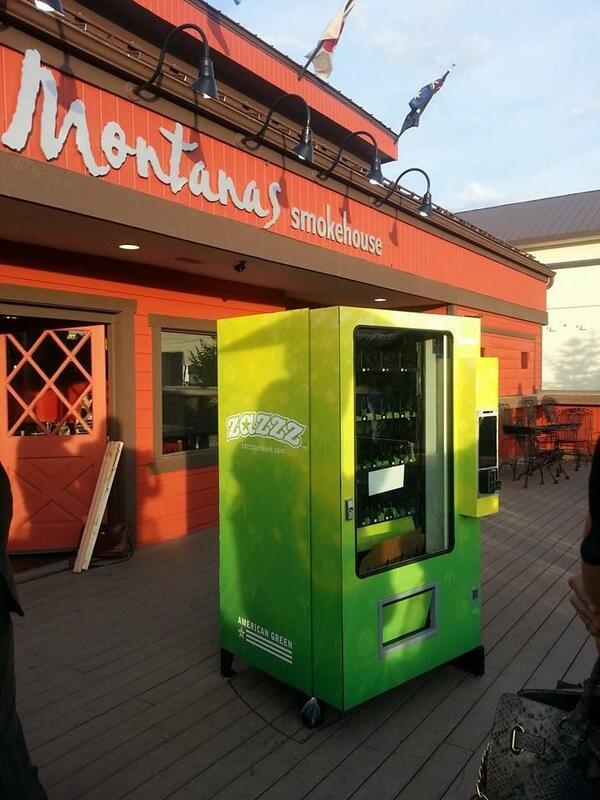
Free Assange! Hack the Planet
[b]Op dinsdag 6 januari 2009 19:59 schreef Papierversnipperaar het volgende:[/b]
De gevolgen van de argumenten van de anti-rook maffia
[b]Op dinsdag 6 januari 2009 19:59 schreef Papierversnipperaar het volgende:[/b]
De gevolgen van de argumenten van de anti-rook maffia
quote:
Bescherm het milieu, legaliseer drugs.quote:Verschillende mensen hebben dit weekeinde in totaal ruim 70 vaten met waarschijnlijk afval uit een drugslaboratorium gevonden in Tilburg en Riel. De politie gaat ervan uit dat het om xtc-afval gaat.
Free Assange! Hack the Planet
[b]Op dinsdag 6 januari 2009 19:59 schreef Papierversnipperaar het volgende:[/b]
De gevolgen van de argumenten van de anti-rook maffia
[b]Op dinsdag 6 januari 2009 19:59 schreef Papierversnipperaar het volgende:[/b]
De gevolgen van de argumenten van de anti-rook maffia
quote:
Het artikel gaat verder.quote:Criminoloog Tom Decorte (UGent), econoom Paul De Grauwe (London School of Economics) en toxicoloog Jan Tytgat (KU Leuven) pleiten ervoor om cannabis te legaliseren. De proffen vinden dat het huidige cannabisbeleid absoluut niet werkt. Integendeel, in plaats van minder wordt er net meer gebruikt en geproduceerd dan vroeger, zeggen ze.
"Ook wij zijn van oordeel dat cannabisgebruik ongezond is en zoveel mogelijk moet worden teruggedrongen. Vraag is hoe je dat het best bereikt. Het repressieve Belgisch cannabisbeleid slaagt niet in zijn objectieven. Zo is het aantal drugsverslaafden dat zich moet laten opnemen de laatste 10 jaar in ons land verdubbeld, terwijl een van de doelstellingen voor het cannabisbeleid uit de federale beleidsnota drugs uit 2001 was het aantal afhankelijke burgers te doen dalen", aldus Decorte.
Het repressieve cannabisbeleid heeft daarnaast nog een aantal kwalijke gevolgen. "Het illegaal karakter maakt de cannabismarkt heel winstgevend wat criminelen aantrekt die hierdoor tevens over enorme middelen beschikken om zich aan het repressief beleid van de overheid te onttrekken. Ondanks de inzet van veel middelen trekt de overheid in deze wapenwedloop aan het kortste eind", zegt De Grauwe. In 2008 besteedde de overheid 392 miljoen euro aan drugsbeleid waarvan 61 procent uitging naar repressie.
Free Assange! Hack the Planet
[b]Op dinsdag 6 januari 2009 19:59 schreef Papierversnipperaar het volgende:[/b]
De gevolgen van de argumenten van de anti-rook maffia
[b]Op dinsdag 6 januari 2009 19:59 schreef Papierversnipperaar het volgende:[/b]
De gevolgen van de argumenten van de anti-rook maffia
quote:
quote:Moralisme maakt meer kapot dan je lief is, schrijft Jan De Smet. Hij is drugspreventiewerker bij de Vereniging Ambulante Geestelijke Gezondheidszorg Antwerpen.
De Morgen bracht resultaten van de Global Drug Survey, De Standaard berichtte over hooggedoseerde xtc. Veel over drugs in de krant: een gelegenheid om het beleid te bekijken.
quote:Doorheen de geschiedenis hebben mensen roesmiddelen gebruikt. Het is ruim gedocumenteerd: als een drug de effecten geeft die gebruikers ervan hopen te krijgen, dan zal hij gebruikt worden. Ongeacht of de drug legaal dan wel illegaal is. Wanneer je als overheid, mits voldoende repressie, die drug uit de markt drukt, zullen gebruikers op zoek gaan naar een alternatief, dat zo goed als altijd riskanter blijkt.
Free Assange! Hack the Planet
[b]Op dinsdag 6 januari 2009 19:59 schreef Papierversnipperaar het volgende:[/b]
De gevolgen van de argumenten van de anti-rook maffia
[b]Op dinsdag 6 januari 2009 19:59 schreef Papierversnipperaar het volgende:[/b]
De gevolgen van de argumenten van de anti-rook maffia
Waaronder:quote:The Global Drug Survey 2014 findings
Reflections on the results of the world’s biggest ever drug survey by Dr Adam Winstock
quote:Drug Pleasure Ratings
The Net Pleasure Index is the first ever attempt to define and rank drugs in terms of the overall balance of pleasures and harms
Free Assange! Hack the Planet
[b]Op dinsdag 6 januari 2009 19:59 schreef Papierversnipperaar het volgende:[/b]
De gevolgen van de argumenten van de anti-rook maffia
[b]Op dinsdag 6 januari 2009 19:59 schreef Papierversnipperaar het volgende:[/b]
De gevolgen van de argumenten van de anti-rook maffia
Ze zeggen er niet bij dat die gewijzigde methode noodzakelijk is omdat een grondstof van XTC verboden is. De grotere hoeveelheid afval is rechtstreeks gevolg van de War on Drugs.quote:Grote containers met drugsafval gedumpt
Op een afgesloten terrein van het waterschap Brabantse Delta in Waalwijk zijn dinsdag drie grote containers met in totaal 2900 liter drugsafval gevonden. De troep werd ontdekt door een medewerker van het waterschap en het afval is vermoedelijk in de afgelopen dagen gedumpt.
De politie onderzoekt de precieze inhoud en de herkomst. Het waterschap heeft een bedrijf ingeschakeld om de vaten af te voeren.
Door een gewijzigde methode blijft bij de productie van synthetische drugs zoals xtc en amfetamine meer afval over. Het aantal afvalvondsten is vorig jaar verdubbeld. Het meeste drugsafval wordt gedumpt in Brabant en Limburg.
Free Assange! Hack the Planet
[b]Op dinsdag 6 januari 2009 19:59 schreef Papierversnipperaar het volgende:[/b]
De gevolgen van de argumenten van de anti-rook maffia
[b]Op dinsdag 6 januari 2009 19:59 schreef Papierversnipperaar het volgende:[/b]
De gevolgen van de argumenten van de anti-rook maffia
quote:
Het artikel gaat verder.quote:A broad coalition of Christian leaders have taken the occasion of the holiest day on the Christian calendar to release a statement calling for the end of the war on drugs and mass incarceration.
“The cross that faith leaders are imploring others to take up is this unjust, and immoral war on drugs and mass incarceration of the poor. In particular, poor black and brown young adults whose futures are being ruined at the most critical point in their lives,” said Reverend John E. Jackson of the Samuel DeWitt Proctor Conference.
“We are guided by our religious principles to serve those in need and give voice to those who have been marginalized and stigmatized by unjust policies. We cannot sit silently while a misguided war is waged on entire communities, ostensibly under the guise of combating the very real harms of drug abuse. The war on drugs has become a costly, ineffective and unjust failure,” says Reverend Edwin Sanders, who is a Board Member of the Drug Policy Alliance and the Senior Servant for the Metropolitan Interdenominational Church in Nashville, Tennessee.
Free Assange! Hack the Planet
[b]Op dinsdag 6 januari 2009 19:59 schreef Papierversnipperaar het volgende:[/b]
De gevolgen van de argumenten van de anti-rook maffia
[b]Op dinsdag 6 januari 2009 19:59 schreef Papierversnipperaar het volgende:[/b]
De gevolgen van de argumenten van de anti-rook maffia


War on Drugs
De War on Drugs in ruime zin is de wereldwijde verbod op gebruik, bezit, handel dan wel productie van drugs. Drugs is een Engels woord dat in de Engelse taal geen onderscheid maakt tussen "medicijnen" en "drugs". Om dat onderscheid aan te geven wordt de term "prescription drugs" gebruikt; farmaceutische middelen die op recept verkrijgbaar zijn.
De War on Drugs in engere zin is de "oorlog" die wereldwijd wordt "gevochten" tegen en met drugskartels. Het is de langstlopende en duurste oorlog ooit gevochten. De War on Drugs is veruit het grootste in de Amerika's; de grootste afzetmarkt voor "illegale drugs" is de Verenigde Staten met het grootste doorvoer- en productiegebied in Midden- en Zuid-Amerika waar het meeste geweld plaatsvindt. Geschat wordt dat de Mexicaanse drugsoorlog (2006-) meer dan 106.000 doden en 1,6 miljoen vluchtelingen heeft veroorzaakt.
Mexico is het land dat het zwaarst getroffen wordt door de War on Drugs. Mexicaanse drugskartels vechten om handelswegen en deals met elkaar, overheden en de CIA. Los Zetas is een kartel dat is opgericht uit (para)militairen die in Mexico juist tegen de drugskartels strijden.
Ook in Honduras, Guatemala, Nicaragua en El Salvador worden regelmatig grote slachtingen door drugsbendes aangericht.
In Colombia strijden paramilitairen en de FARC om vruchtbare grond waar coca verbouwd wordt. Sinds 2002 is de verspreiding van coca over Colombia enorm gestegen (het wordt in meer gemeenten verbouwd) hoewel het land, van oudsher nummer 1 coca-producent, niet langer de grootste bron voor cocaïne is. Die rol is overgenomen door Peru en Bolivia.
Om de War on Drugs te begrijpen en een mening te vormen hieronder een overzicht van documentaires en achtergrondmateriaal om de lezer te informeren.

Handel en productie
De belangrijkste illegale drugs en hun herkomst/productie en handelsroutes:
• marijuana - in de VS (WoD in enge zin) naast eigen teelt vooral uit Mexico en Centraal-Amerika
• cocaïne - de grootste producenten van cocaplanten, de basis voor cocaïne zijn de Zuid-Amerikaanse landen Peru (1), Bolivia (2), Colombia (3) en Ecuador (4) - de handelsroutes naar Europa lopen via Curacao, Brazilië en West-Afrika
• heroïne - productie in Centraal-Azië met name in het door de VS bezette Afghanistan, waar de papaverteelt onder de Taliban bijna verdwenen was
• crystal meth - productie thuis door vooral de blanke onderklasse in de VS
Andere drugs die bestreden worden:
• MDMA/XTC
• speed
• LSD


Belangrijkste strijdende partijen:
• CIA (VS)
• DEA (VS)
• Sinaloa-kartel
• Los Zetas
• Golfos-kartel
• Tijuana-kartel
• Juarez-kartel
• Beltrán-Leyva-kartel
• Jalisco Nieuwe Generatie-kartel
• Tempeliers-kartel
• La Familia Michoacana (ontmanteld in 2011)
• Medellín-kartel (1980-1990s)
• Cali-kartel (1980-1990s)
• Fuerzas Armadas Revolucionarias Colombianas - FARC
De "film" die uiteindelijk leidde tot de War on Drugs en het verbod op marijuana in de VS:

VSAmerikaanse agent die pleit voor het stoppen van de War on Drugs:

Documentaires:
SPOILEROm spoilers te kunnen lezen moet je zijn ingelogd. Je moet je daarvoor eerst gratis Registreren. Ook kun je spoilers niet lezen als je een ban hebt.Peter Hitchens met een keutel:
Landen met een afwijkend standpunt/beleid wat betreft drugs:
• Uruguay - marijuana sinds 10 april 2014 legaal
• Portugal - drugsgebruik en -bezit sinds 2001 met een boete of niet bestraft
• Tsjechië - gebruikershoeveelheden van 15 gram marijuana en 1,5 gram heroïne zijn toegestaan
• Nederland - half-om-half gedoogbeleid waar productie en handel verboden zijn maar kleine verkoop toegestaan
• Colombia - 20 gram wiet en 1 gram cocaïne zijn officieel gedoogd - in de praktijk betaal je een kleine bijdrage aan de agent en neem je je drugs gewoon mee
• Chili - drugsgebruik, mits niet in het openbaar, is niet strafbaar
• Colorado, Washington - 2 VSAmerikaanse staten die marijuana gedoogd hebben
• Argentinië - sinds 25 augustus 2009 is persoonlijk bezit en gebruik van marijuana toegestaan
Bekende pro-legaliseringspersonen:
• Alexander Shulgin - ontdekker van vele soorten psycho-actieve en opwekkende drugs, gebaseerd op MDMA (XTC)
• José Mujica - president van Uruguay - eerste land dat marijuana legaliseerde en eerste winnaar van TIME's Country of the Year - 2013
• Ron Paul - VSAmerikaans senator, libertair
• Jesse Ventura - VSAmerikaans ex-governeur, libertair
• Bill Hicks - VSAmerikaans comedian, overleden 1994
• Noam Chomsky - VSAmerikaans taalkundige en filosoof
• Stefan Molyneux - Canadees radio-host, libertair
• Eugene Jarecki - VSAmerikaans documentairemaker (The House I Live In)
• Otto Perez Molina - president van Guatemala - pleit voor einde van de oorlog die Centraal-Amerika in een onnodige greep houdt
• Timothy Leary (ovl 1996) - VSAmerikaans psycholoog en schrijver
• Ken Kesey (ovl 2001) - VSAmerikaans schrijver
• Terrence McKenna (ovl 2000) - VSAmerikaans filosoof en schrijver
Bekende anti-legaliseringspersonen:
• Ivo O. en Fred T.
• Jan-Peter B.
Bekende drugsbaronnen:
• Joaquín "El Chapo" Guzmán - leider van het Sinaloa-kartel, gearresteerd in februari 2014
• Willem "de Neus" Holleeder - Nederlands grootste drugsbaas na de dood van
• Klaas "de Dominee" Bruinsma (6 oktober 1953 - 27 juni 1991) - Nederlands grootste drugsbaas tot Willem Holleeder
• Pablo Escobar Gaviria (2 december 1947 - 2 december 1991) - de bekendste drugsbaron tot de Mexicaanse kartels, leider en oprichter van het Medellínkartel dat in de jaren 80 en begin jaren 90 zeer bloedige oorlogen vocht tegen het Calikartel, politici en vooral vrienden uit eigen kring
• Hermanos Ochoa - de echte bazen van het Medellínkartel
-----------------------------------------------------------------------------------------------------------------------------------
Nieuwslinks:
• http://www.theguardian.co(...)rugs-uk-police-chief
• http://hispaniolainfo.com/2013/10/?p=1822
• http://www.atimes.com/atimes/Global_Economy/NI08Dj06.html
• http://www.volkskrant.nl/(...)ig-belastingen.dhtml
• http://www.theguardian.co(...)arijuana-federal-law
• http://www.volkskrant.nl/(...)usland-mislukt.dhtml
• http://privacysos.org/nod(...)y&utm_medium=twitter
• http://www.chicagomag.com(...)2013/Sinaloa-Cartel/
• http://www.laweekly.com/i(...)aper-dope-study-says
• http://www.theguardian.co(...)e-crime-gangs-police
FOK!-informatie over drugs:
• UVT - Space - Drugsoverzicht
===========================================================================
[ Bericht 0% gewijzigd door El_Matador op 16-04-2014 17:58:28 ]The only limit is your own imagination
Ik ben niet gelovig aangelegd en maak daarin geen onderscheid tussen dominees, imams, scharenslieps, autohandelaren, politici en massamedia
Waarom er geen vliegtuig in het WTC vloog


Mooie OP, Matador!
Free Assange! Hack the Planet
[b]Op dinsdag 6 januari 2009 19:59 schreef Papierversnipperaar het volgende:[/b]
De gevolgen van de argumenten van de anti-rook maffia
[b]Op dinsdag 6 januari 2009 19:59 schreef Papierversnipperaar het volgende:[/b]
De gevolgen van de argumenten van de anti-rook maffia
As the officer took her away, she recalled that she asked,
"Why do you push us around?"
And she remembered him saying,
"I don't know, but the law's the law, and you're under arrest."
"Why do you push us around?"
And she remembered him saying,
"I don't know, but the law's the law, and you're under arrest."


[ Bericht 29% gewijzigd door El_Matador op 20-04-2014 05:27:29 ]
The only limit is your own imagination
Ik ben niet gelovig aangelegd en maak daarin geen onderscheid tussen dominees, imams, scharenslieps, autohandelaren, politici en massamedia
Waarom er geen vliegtuig in het WTC vloog
Ik ben niet gelovig aangelegd en maak daarin geen onderscheid tussen dominees, imams, scharenslieps, autohandelaren, politici en massamedia
Waarom er geen vliegtuig in het WTC vloog
quote:
 Op
Op 
As the officer took her away, she recalled that she asked,
"Why do you push us around?"
And she remembered him saying,
"I don't know, but the law's the law, and you're under arrest."
"Why do you push us around?"
And she remembered him saying,
"I don't know, but the law's the law, and you're under arrest."

Free Assange! Hack the Planet
[b]Op dinsdag 6 januari 2009 19:59 schreef Papierversnipperaar het volgende:[/b]
De gevolgen van de argumenten van de anti-rook maffia
[b]Op dinsdag 6 januari 2009 19:59 schreef Papierversnipperaar het volgende:[/b]
De gevolgen van de argumenten van de anti-rook maffia
quote:4/20 weekend: Denver holds marijuana festival in state capitol's shadow
Tens of thousands of people gather in Civic Center Park for 'celebration of legal status for marijuana's use in Colorado'
Once the province of activists and stoners, the traditional pot holiday of 20 April has gone mainstream in the first state in the US to legalise recreational marijuana.
Tens of thousands gathered this weekend in Colorado for cannabis-themed festivals and entertainment, from a marijuana industry expo called the Cannabis Cup; to 4/20-themed concerts at the legendary Red Rocks Amphitheater, where acts included Slightly Stoopid and Snoop Dogg; to a massive festival in the shadow of the state capitol where clouds of cannabis smoke were expected.
The festival in Denver's Civic Center Park is the most visible sign of the transformation. It started as a defiant gathering of marijuana activists, but this year the event had an official city permit, was organised by an event management company and featured booths selling funnel cakes and Greek food next to kiosks hawking hemp lollipops and glass pipes.
Gavin Beldt, one of the organisers, said in a statement that the event is now a "celebration of legal status for its use in Colorado and our launch of an exciting new experience for those attending”.
On Saturday, the first day of the two-day festival, only a few people lingered on the steps of a Roman-style amphitheater where marijuana activists spoke angrily about bans on the drug in other states. Thousands instead lingered on the park's broad lawns, listening to hip-hop music blasting from the sound stage and enjoying the fresh – albeit marijuana-scented – air.
"It's a lot mellower this year," said Cody Andrews, 29, of Denver. "It's more of a venue now. More vendor-y."
Last year's event was marred by a shooting that wounded three and is still unsolved. This year a fence ringed the park, security guards in protective gear roamed the grounds and all entrants were patted down for weapons. There was also tension earlier in the year when some organisers wanted to officially sanction a 4.20pm Sunday smokeout, but the city noted that public consumption of marijuana is still illegal in Colorado. By Saturday night, Denver police said they had issued at least 17 citations for public pot smoking.
Still, participants expected to light up on Easter Sunday. Plenty did not wait until 4/20 proper. On Saturday, Jairin Genung, 25, of Aurora, sat on the grass with friends, including one who was carefully rolling a thick joint.
"We're going to light up no matter what," Genung said. "If you can't smoke at the 4/20 rally, it just doesn't make sense."
The whole scene was wonderfully surreal for Bud Long, 49, from Kalamazoo, Michigan, who recalled taking part in his first 4/20 protest in 1984.
"Nationwide, it'll be decriminalised," he predicted, "and we'll be doing this in every state."
Free Assange! Hack the Planet
[b]Op dinsdag 6 januari 2009 19:59 schreef Papierversnipperaar het volgende:[/b]
De gevolgen van de argumenten van de anti-rook maffia
[b]Op dinsdag 6 januari 2009 19:59 schreef Papierversnipperaar het volgende:[/b]
De gevolgen van de argumenten van de anti-rook maffia

The only limit is your own imagination
Ik ben niet gelovig aangelegd en maak daarin geen onderscheid tussen dominees, imams, scharenslieps, autohandelaren, politici en massamedia
Waarom er geen vliegtuig in het WTC vloog
Ik ben niet gelovig aangelegd en maak daarin geen onderscheid tussen dominees, imams, scharenslieps, autohandelaren, politici en massamedia
Waarom er geen vliegtuig in het WTC vloog
quote:
quote:We need a new way to make sweeping assumptions about entire populations, and what better place to start than drugs? After all, there's so much you can tell about a person from their drug of choice. Wouldn't it be great if we could apply the same logic to entire countries?
Luckily, this year's Global Drug Survey has just been released. The people who put it together gathered feedback from nearly 80,000 drug users and clubbers in their 20s and 30s, from over 40 different countries.
quote:IF YOU DON'T WANT TO GET BEATEN UP WHILE BUYING WEED, BUY IT IN THE NETHERLANDS
Globally, around one in 20 cannabis users said they had been subjected to violent behavior while trying to pick up. The most likely places to get attacked while buying weed were Germany and France, while the most dangerous places to buy MDMA were France and Switzerland. I guess there must be something about that high altitude Alps air that makes people want to punch ravers in the face.
Of course, a regulated market is a safer one. In the Netherlands, where buying a draw is as easy and as legal as buying a cup of coffee, less than 2 percent said they had experienced violent behavior while trying to buy bud. If you're stoned and in Amsterdam, I'd imagine this is around the same level of risk you're at of getting run over by a tram.
In fact, dealers generally appear to be more peaceful across the board in the Netherlands, as it also boasts the lowest rates of violence experienced by people trying to buy MDMA.
Free Assange! Hack the Planet
[b]Op dinsdag 6 januari 2009 19:59 schreef Papierversnipperaar het volgende:[/b]
De gevolgen van de argumenten van de anti-rook maffia
[b]Op dinsdag 6 januari 2009 19:59 schreef Papierversnipperaar het volgende:[/b]
De gevolgen van de argumenten van de anti-rook maffia
http://www.alternet.org/d(...)ights-pregnant-women

quote:Unfortunately, just this week, the Alabama Supreme Court ruled that women can be charged under the states chemical endangerment law if they become pregnant and use a controlled substance. The Drug Policy Alliance joined with National Advocates for Pregnant Women and the Southern Poverty Law Center to file amicus briefs in a number of cases of pregnant women wrongly prosecuted in Alabama on behalf of 49 medical, public health, and health advocacy groups and experts opposing the judicial expansion of the chemical endangerment law to pregnant women and mothers.
While some states, like Alabama, prosecute pregnant women under the criminal laws or child neglect and endangerment laws of the state, Tennessee is, unfortunately, on the verge of enacting the first law in the country that would authorize the arrest, prosecution and incarceration of drug-using pregnant women rather than providing them with what they most needhealth care. Gov. Bill Haslam has until Monday to veto the bill. A petition is being circulated to urge the governor to veto the bill.
As the officer took her away, she recalled that she asked,
"Why do you push us around?"
And she remembered him saying,
"I don't know, but the law's the law, and you're under arrest."
"Why do you push us around?"
And she remembered him saying,
"I don't know, but the law's the law, and you're under arrest."
Red het milieu, legaliseer drugs!quote:26 vaten met drugsafval gedumpt bij Limburgse Montfort
De brandweer heeft vanochtend 26 vaten met vermoedelijk drugsafval gevonden in een bosgebied tussen Montfort en Sint Joost (Limburg).
Volgens de brandweer gaat het om vaten van zo'n 20 liter per stuk. Een aantal daarvan zou lekken.
In Limburg en het oosten van Brabant worden de laatste maanden bij herhaling vaten met drugsafval gedumpt. Dat veroorzaakt vaak grote schade aan het milieu.
Free Assange! Hack the Planet
[b]Op dinsdag 6 januari 2009 19:59 schreef Papierversnipperaar het volgende:[/b]
De gevolgen van de argumenten van de anti-rook maffia
[b]Op dinsdag 6 januari 2009 19:59 schreef Papierversnipperaar het volgende:[/b]
De gevolgen van de argumenten van de anti-rook maffia
Free Assange! Hack the Planet
[b]Op dinsdag 6 januari 2009 19:59 schreef Papierversnipperaar het volgende:[/b]
De gevolgen van de argumenten van de anti-rook maffia
[b]Op dinsdag 6 januari 2009 19:59 schreef Papierversnipperaar het volgende:[/b]
De gevolgen van de argumenten van de anti-rook maffia
quote:
Het artikel gaat verder.quote:David Cameron has been urged to abandon the 'futile' war on drugs by a group of Conservative party modernisers who think reform would appeal to young and ethnic minority voters.
Among plans put forward by the influential Tory think-tank Bright Blue is the partial legalisation of drugs in the twin hope it attracts a new generation of voters to the Conservatives, while also saving the country millions of pounds in policing costs.
Bright Blue is backed by senior ministers including Theresa May, Francis Maude and the former minister Andrew Mitchell, and is well-known for its relatively liberal, modernising policy ideas.
The proposal to make partial legalisation a key pledge in next year’s general election manifesto is outlined by an article in the Independent newspaper today.
It is likely to be the most controversial element proposal among several put forward by Bright Blue in a report titled The Modernisers’ Manifesto.
Others reportedly include abolishing universal winter fuel payments and excluding students and highly skilled workers from the Government’s net migration target.
It also suggests introducing a requirement for new teachers to have at least a 2:1 degree in core subjects and abandoning automatic pay rises for doctors and nurses.
Read more: http://www.dailymail.co.u(...)s.html#ixzz30ImxSduC
Follow us: @MailOnline on Twitter | DailyMail on Facebook
Free Assange! Hack the Planet
[b]Op dinsdag 6 januari 2009 19:59 schreef Papierversnipperaar het volgende:[/b]
De gevolgen van de argumenten van de anti-rook maffia
[b]Op dinsdag 6 januari 2009 19:59 schreef Papierversnipperaar het volgende:[/b]
De gevolgen van de argumenten van de anti-rook maffia
quote:Report shows Australia's drug trade is at an all-time high, big increase in ice and steroid arrests
Australia's illicit drug trade is at an all-time high, with a record number of drug-related arrests in 2012-2013, according to the latest report from the Australian Crime Commission (ACC).
The commission's Illicit Drug Date report says law enforcement officials seized $2.7 billion worth of illicit drugs last financial year.
A record 100,000 arrests were made, and there were 80,000 seizures of illicit drugs.
More than 19 tonnes of drugs were seized by police and border patrol agents.
While 2012-13 was a record year that saw increases in almost every drug market, the number of drug labs found nationwide decreased.
Australia facing crystal meth 'pandemic'
The figures show a disturbing trend of methamphetamine use in Australia, with the number of "ice" seizures up more than 300 per cent in one year.
Acting chief of the ACC Paul Jevtovic said the rapidly evolving ice market was a national concern.
"With its relative accessibility, affordability, and destructive side-effects, crystal methylamphetamine is emerging as a pandemic akin to the issue of crack cocaine in the United States," he said.
The report says the long-term use of crystal methylamphetamine can lead to aggressive and violent behaviour, depression, and cardiovascular problems and kidney failure.
Executive director of the ACC Judith Lind says ice has been directly linked to a number of violent crimes in the past year.
"The reason that we're concerned about ice in particular is that it's a really insidious drug in terms of the impact it has on people around the users," she said.
"Many illicit drug users seem to think that they’re doing no harm to anyone, but because of the nature and effect of ice in particular, people can become paranoid, they can become very violent.
"There's been a number of instances over the last 12 months where meth-addicted people have caused fatal car accidents, have been involved in attempted murders and very violent incidents involving others."
Bulking up: steroid use still rising
Performance and image-enhancing drugs were another area of growth, with a record number of steroid seizures at Australian borders in the past year.
Steroid arrests were up 29 per cent from the previous year, part of a trend that has seen steroid seizures at the Australia border increase more than 750 per cent in the past decade.
New South Wales is the epicentre of Australia's steroid trade, with the state accounting for nearly half of the performance drug market.
The report lists a number of serious side-effects of steroid use, especially for males, including extreme mood swings, mania, depression, paranoia, delusions, impaired judgement, organ damage, high blood pressure and blood clots.
The ACC draws a connection between peptides and steroids acting as a gateway for injecting drugs, with an Australian Needle and Syringe Program survey finding that 68 per cent of males who started injecting drugs listed performance and image-enhancing drugs as the last drug they used.
Free Assange! Hack the Planet
[b]Op dinsdag 6 januari 2009 19:59 schreef Papierversnipperaar het volgende:[/b]
De gevolgen van de argumenten van de anti-rook maffia
[b]Op dinsdag 6 januari 2009 19:59 schreef Papierversnipperaar het volgende:[/b]
De gevolgen van de argumenten van de anti-rook maffia
Los Zetas is een kartel dat is opgericht uit (para)militairen die in Mexico juist tegen de drugskartels strijden.
Uhm???
Uhm???
Yep. De War on Drugs levert een hoop corruptie op. De bestrijders lopen gewoon over naar het andere kamp.quote:
Los Zetas is een kartel dat is opgericht uit (para)militairen die in Mexico juist tegen de drugskartels strijden.
Uhm???
Free Assange! Hack the Planet
[b]Op dinsdag 6 januari 2009 19:59 schreef Papierversnipperaar het volgende:[/b]
De gevolgen van de argumenten van de anti-rook maffia
[b]Op dinsdag 6 januari 2009 19:59 schreef Papierversnipperaar het volgende:[/b]
De gevolgen van de argumenten van de anti-rook maffia

| Forum Opties | |
|---|---|
| Forumhop: | |
| Hop naar: | |