NWS Nieuws & Achtergronden
Discussieer hier diepgaander over de actualiteiten.



Aangezien alles wat leeft op de aarde niet denkt zoals wij, is het vrijwel onmogelijk te denken vanuit alles wat leeft op aarde. Alle wat jij doet bekijk je vanuit menselijk standpunt en vanuit onze opvattingen m.b.t. leven en dood en het overleven van een soort. Iets wat hoogstwaarschijnlijk weer sterk is geïnspireerd op de manier waarop evolutionair gezien ons bewustzijn is ontstaan. Wij beschermen namelijk vooral dat wat we nodig hebben.quote:Op donderdag 14 november 2013 18:19 schreef Schunckelstar het volgende:
[..]
ik snap je punt wel, maar jij de mijne niet volgens mij
ik denk juist NIET vanuit de mensheid, maar vanuit alles wat leeft op aarde en dan is het gewoon beter als wij er niet meer zouden zijn.
voor de aarde zelf niet idd, die draait gewoon lekker door

Krekker is de bom!
Goeden redenatie.quote:Op woensdag 13 november 2013 00:17 schreef LXIV het volgende:
Het zal allemaal wel meevallen. Dat dat spul daar ligt wil nog niet zeggen dat het automatisch over de hele aarde verspreidt wordt! Als ik in mijn tuin 500 kg ijzer neerleg is dat ook niet binnen 100 jaar evenredig verspreid over de aarde!
En los daarvan, er zijn mensen zat. Een rampje om de bevolkingsgroei wat in te dammen hoort erbij!
Op donderdag 6 maart 2014 15:35 schreef dreamerbulk het volgende:
ik zuig nog liever een paardenpenis leeg dan dat ik so-called "superfoods" moet gaan kopen/eten
ik zuig nog liever een paardenpenis leeg dan dat ik so-called "superfoods" moet gaan kopen/eten

14-04-2015
Robot filmt binnenkant van vernielde reactor Fukushima
14/04/15 - 08u33 Bron: Belga
Primeur De uitbater van de kerncentrale in het Japanse Fukushima, die op 11 maart 2011 door een tsunami werd vernield, heeft gisteravond voor het eerst beelden van de binnenzijde van reactor 1 verspreid. In dit primair centrum van de reactor heerst een fenomenale radioactiviteit.
© afp.
De foto's en de video die openbaar gemaakt werden, zijn voor buitenstaanders moeilijk interpreteerbaar. De beelden werden naar verluidt vrijdag gemaakt door een robot in de reactor, één van de zes van het complex Fukushima Daiichi dat in maart 2011 werd vernield.
De robot heeft kostbare data verzameld voor hij zijn inspectie onderbrak en niet meer antwoordde op de instructies. Tokyo Electric Power (Tepco) besliste in de nacht van zondag op maandag dan de opdracht stop te zetten.
Radioactiviteit
© afp.
Naast de gemaakte beelden, kon de robot de radioactiviteit in de kern van de afgesloten reactor meten. Op de getoonde beelden schommelen die van zowat 6 sievert per uur tot bijna 25 sievert per uur, maar overstijgen ze op de door Tepco als cruciaal beschouwde punten de 10 sievert per uur niet. Dat blijven in alle gevallen dodelijke doses in minder dan een uur voor de mens.
"Een camera kan gedurende zowat tweederde van een dag een dergelijke straling weerstaan", preciseerde Tepco.
De temperatuur binnenin de reactor bedraagt zowat 20 graden Celsius.
© Screenshot YouTube.
(HLN)
Robot filmt binnenkant van vernielde reactor Fukushima
14/04/15 - 08u33 Bron: Belga

Primeur De uitbater van de kerncentrale in het Japanse Fukushima, die op 11 maart 2011 door een tsunami werd vernield, heeft gisteravond voor het eerst beelden van de binnenzijde van reactor 1 verspreid. In dit primair centrum van de reactor heerst een fenomenale radioactiviteit.

© afp.
De foto's en de video die openbaar gemaakt werden, zijn voor buitenstaanders moeilijk interpreteerbaar. De beelden werden naar verluidt vrijdag gemaakt door een robot in de reactor, één van de zes van het complex Fukushima Daiichi dat in maart 2011 werd vernield.
De robot heeft kostbare data verzameld voor hij zijn inspectie onderbrak en niet meer antwoordde op de instructies. Tokyo Electric Power (Tepco) besliste in de nacht van zondag op maandag dan de opdracht stop te zetten.
Radioactiviteit

© afp.
Naast de gemaakte beelden, kon de robot de radioactiviteit in de kern van de afgesloten reactor meten. Op de getoonde beelden schommelen die van zowat 6 sievert per uur tot bijna 25 sievert per uur, maar overstijgen ze op de door Tepco als cruciaal beschouwde punten de 10 sievert per uur niet. Dat blijven in alle gevallen dodelijke doses in minder dan een uur voor de mens.
"Een camera kan gedurende zowat tweederde van een dag een dergelijke straling weerstaan", preciseerde Tepco.
De temperatuur binnenin de reactor bedraagt zowat 20 graden Celsius.

© Screenshot YouTube.
(HLN)
Death Makes Angels of us all
And gives us wings where we had shoulders
Smooth as raven' s claws...
And gives us wings where we had shoulders
Smooth as raven' s claws...

quote:Fukushima power plant operator 'knew of need to protect against tsunami' | Environment | The Guardian
Revelation casts doubt on Tepco’s claim that it had taken every possible action to protect the plant which suffered meltdown in 2011 disaster
The operator of Japan’s ruined Fukushima Daiichi nuclear power plant was aware of the need to improve the facility’s defences against tsunami more than two years before the March 2011 disaster but failed to take action, according to an internal company document.
The revelation casts doubt on claims by Tokyo Electric Power (Tepco) that it had done everything possible to protect the plant, which suffered a triple meltdown after being struck by a towering tsunami.
The nuclear accident, the world’s worst since Chernobyl 25 years earlier, caused massive radiation leaks and forced the evacuation of more than 150,000 people, most of whom have yet to return to their homes.
Tepco executives agreed that building coastal defences to defend the plant against tsunami higher than those previously recorded in the region was “indispensable”, according to the document, which was discussed at a meeting at the plant in September 2008 – two and a half years before the disaster.
The utility disclosed the document this week during a lawsuit brought by more than 40 Tepco shareholders who are demanding damages totalling 5.5 trillion yen from company executives.
Tepco has always insisted that it was powerless to take precautions against a tsunami of the size that struck Japan’s north-east coast in March 2011, killing almost 16,000 people.
In April 2012, for instance, the company said that based on expert knowledge of previous tsunami in the region, the March 2011 disaster “could not have been foreseen, and Tepco also considers the height [scale] of the tsunami that followed this earthquake to have been unpredictable ”.
The company has voiced similar claims during the ongoing damages case at Tokyo district court, but Kyodo News quoted lawyers for the plaintiffs as saying that the internal document proved that Tepco “had clearly recognised as of [2008] that measures against tsunami were inevitable, contradicting the company’s explanations so far”.
The document showed Tepco recognised the need to improve tsunami defences as “inevitable, as we cannot help but expect bigger tsunami than currently projected”, Japanese media said.
Plaintiffs cited a government report showing that Tepco had predicted in June 2008 that the Fukushima Daiichi plant could be hit by tsunami waves of up to 15.7 metres in height following a major offshore earthquake. Tepco failed to act on that prediction, and on concerns raised in the internal report, which was discussed by executives at Fukushima three months later.
In response, Tepco told the court that it was wrong to conclude that the 2008 tsunami estimate would have prompted the firm to improve the plant’s defences, “because there were differences of opinion, even among experts, on how to estimate [the size] of an earthquake”, the newspaper Asahi Shimbun said.
Bron: www.theguardian.com
Free Assange! Hack the Planet
[b]Op dinsdag 6 januari 2009 19:59 schreef Papierversnipperaar het volgende:[/b]
De gevolgen van de argumenten van de anti-rook maffia
[b]Op dinsdag 6 januari 2009 19:59 schreef Papierversnipperaar het volgende:[/b]
De gevolgen van de argumenten van de anti-rook maffia

Tja, zo gaan die dingen hè.
Na de Fukushimaramp ontdekte men ineens ook dat aan de Rijn, bij Limburg en bij Basel, in principe aardbevingen van 7,0 op de schaal van Richter mogelijk zijn. Maar daar werd in Nederland ook nogal lacherig over gedaan.
Sterker nog: de oudste kerncentrale van Frankrijk staat vlakbij Basel. Maar daar wordt ook gezegd van "Nou ja, de aardbeving in Basel van 1356 had misschien geen sterkte van 7,1 maar slechts 6,0 en we weten ook niet hoe de breuklijn precies loopt, dus misschien staat die Franse kerncentrale wel toevallig niet precies in het risicogebied. Dus laten we 'm maar open houden."
(meer details o.a. hier: https://en.wikipedia.org/wiki/European_Cenozoic_Rift_System)
(voordat er weer commentaar komt over dat het typerend voor de "Japanse cultuur" is)
[ Bericht 11% gewijzigd door #ANONIEM op 18-06-2015 19:04:03 ]
Na de Fukushimaramp ontdekte men ineens ook dat aan de Rijn, bij Limburg en bij Basel, in principe aardbevingen van 7,0 op de schaal van Richter mogelijk zijn. Maar daar werd in Nederland ook nogal lacherig over gedaan.
Sterker nog: de oudste kerncentrale van Frankrijk staat vlakbij Basel. Maar daar wordt ook gezegd van "Nou ja, de aardbeving in Basel van 1356 had misschien geen sterkte van 7,1 maar slechts 6,0 en we weten ook niet hoe de breuklijn precies loopt, dus misschien staat die Franse kerncentrale wel toevallig niet precies in het risicogebied. Dus laten we 'm maar open houden."
(meer details o.a. hier: https://en.wikipedia.org/wiki/European_Cenozoic_Rift_System)
(voordat er weer commentaar komt over dat het typerend voor de "Japanse cultuur" is)
[ Bericht 11% gewijzigd door #ANONIEM op 18-06-2015 19:04:03 ]

quote:Japan begint in augustus weer met kernenergie
Japan begint 10 augustus, ruim vier jaar na de kernramp in Fukushima, met het opstarten van een kernreactor. Dat heeft het energiebedrijf Kyushu Electric Power vrijdag bekendgemaakt. Alle kerncentrales in het land werden stilgelegd na de kernramp in Fukushimna op 11 maart 2011. Door een aardbeving en de daaropvolgende tsunami ontstond daar een meltdown, waarbij de splijtstof en het reactorvat smelten.
Het stilleggen kostte het land miljarden. Volgens premier Shinzo Abe moet er snel weer energie uit centrales komen om de economie gaande te houden.
Alle centrales werden onderworpen aan veiligheidsonderzoeken. Kyushu kreeg in mei toestemming om twee centrales in gebruik te nemen. Het bedrijf zal reactor Sendai 1 in Satsumasendai opstarten. Na twee tot drie dagen zal de centrale energie leveren.
Na zo'n tien dagen draait de reactor op volle kracht. Het energiebedrijf wil nog dit jaar ook een tweede reactor op het complex in bedrijf stellen.
Vervolging
De vroegere chef van het energiebedrijf Tokyo Electric Power, eigenaar van de centrale in Fukushima, hangt vervolging boven het hoofd, evenals twee andere hoge functionarissen. Dat blijkt uit documenten van justitie.
De drie worden mogelijk vervolgd voor professionele nalatigheid. Door de ramp moesten 160.000 mensen hun huis verlaten.
When the student is ready, the teacher will appear.
When the student is truly ready, the teacher will disappear.
When the student is truly ready, the teacher will disappear.
Als ik het goed begrijp was er een meltdown omdat het te warm was? 
quote:Melting of Key Parts Blamed for Fukushima Meltdown - Nuclear Watch - News - NHK WORLD - English
Officials at Tokyo Electric Power Company believe the loss of those components made it difficult to stop the Number 2 reactor from melting down and spewing out large amounts of radioactive substances following the March 2011 accident.
Four days after the onset of the accident, the emergency cooling system at the reactor stopped working.
In an attempt to cool fuel inside the reactor, the workers had no choice but to pour in water from a fire engine.
But they were unable to inject water as planned because of the high pressure that had built up inside the reactor.
The officials also could not use safety relief valves to release pressure. Those valves were designed to open when hit by high-pressure gas from a tank.
The TEPCO analysis determined that key parts of the gas feeding system may have melted, leading to a gas leak. The analysis says the temperature inside the reactor exceeded 200 degrees Celsius, far beyond the limit of the parts' durability.
Those parts are present in all other reactors in the model line used at the Fukushima Daiichi plant. The utility plans to replace the parts at its other nuclear power plant in central Japan with heat-resistant ones.
Bron: www3.nhk.or.jp
Free Assange! Hack the Planet
[b]Op dinsdag 6 januari 2009 19:59 schreef Papierversnipperaar het volgende:[/b]
De gevolgen van de argumenten van de anti-rook maffia
[b]Op dinsdag 6 januari 2009 19:59 schreef Papierversnipperaar het volgende:[/b]
De gevolgen van de argumenten van de anti-rook maffia
quote:TEPCO to tackle removal of molten nuclear fuel - News - NHK WORLD - English
The operator of the crippled Fukushima Daiichi nuclear power plant is expected to take on the challenge of removing the molten fuel from reactors that suffered meltdowns in 2011.
Soon it will be nearly five years since the massive earthquake and tsunami triggered a nuclear accident at the plant.
Workers have not been able to determine the extent of damage or find the molten fuel at the No.1, 2 and 3 reactors. Experts believe some of the fuel penetrated the reactor cores and is sitting at the bottom of the respective containment vessels.
TEPCO officials will bring in a remote-controlled robot that can withstand extremely high radiation levels to capture images of the fuel at the No. 2 reactor as early as next month. A similar undertaking is to take place at the No. 1 reactor.
The officials will then decide ways to remove the fuel. Filling the reactor containment vessels with water before extracting it is one option to shield workers from the intense radiation.
TEPCO's Chief Decommissioning Officer Naohiro Masuda says removing the fuel is their final goal.
He added that finding its whereabouts would be a big step toward decommissioning the plant.
Bron: www3.nhk.or.jp
Free Assange! Hack the Planet
[b]Op dinsdag 6 januari 2009 19:59 schreef Papierversnipperaar het volgende:[/b]
De gevolgen van de argumenten van de anti-rook maffia
[b]Op dinsdag 6 januari 2009 19:59 schreef Papierversnipperaar het volgende:[/b]
De gevolgen van de argumenten van de anti-rook maffia

Bizar hoe de grootste nucleaire ramp sinds Tsjernobyl nauwelijks nog besproken wordt.
And what rough beast, its hour come round at last,
Slouches towards Bethlehem to be born?
Slouches towards Bethlehem to be born?

gelukkig hebben we de Belgische centrales nogquote:
Bizar hoe de grootste nucleaire ramp sinds Tsjernobyl nauwelijks nog besproken wordt.
DeLuna vindt me dik ;(
Op zondag 22 juni 2014 12:30 schreef 3rdRock het volgende:
pas als jullie gaan trouwen. nu ben je gewoon die Oom Rubber die met onze mama leuke dingen doet :)
Op zondag 22 juni 2014 12:30 schreef 3rdRock het volgende:
pas als jullie gaan trouwen. nu ben je gewoon die Oom Rubber die met onze mama leuke dingen doet :)
imgur gallery:
Fukushima: Five years after nuclear disaster
Fukushima: Five years after nuclear disaster
And what rough beast, its hour come round at last,
Slouches towards Bethlehem to be born?
Slouches towards Bethlehem to be born?
32,000 workers at Fukushima No. 1 got high radiation dose, Tepco data show
quote:Of those workers, 174 had a cumulative radiation dose of more than 100 millisieverts, a level considered to raise the risk of dying after developing cancer by 0.5 percent. Most of the exposure appears to have stemmed from work just after the start of the crisis on March 11, 2011.
The highest reading was 678.8 millisieverts.
Overall, a total of 46,490 workers were exposed to radiation, with the average at 12.7 millisieverts.
quote:A labor standards supervision office in Fukushima Prefecture last October accepted a claim for workers compensation by a man who developed leukemia after working at the plant, the first recognition of cancer linked to work after the meltdowns as a work-related illness.
quote:Five years later, Fukushima’s contamination is slow to fade
The Fukushima nuclear disaster occurred almost five years ago in March 2011. It is the largest event of its sort since Chernobyl, which occurred 25 years earlier. The accident was triggered by a tsunami and earthquake that led to a meltdown at the plant. During this event, large amounts of radioactive materials were released into the atmosphere. Since then, Fukushima Daiichi has continued to leak radioactive materials into the ground and nearby ocean.
Following the accident, concerns surfaced regarding both agricultural products from the region and the fish caught in nearby waters. In response, the Japanese government began intensively monitoring γ-emitting radioisotopes to prevent highly contaminated foods from reaching the market. The two main radioisotopes released during the accident, 134Cs and 137Cs, exhibit half-lives of approximately two and 30 years, respectively. So a large amount of the radiocesium released during the accident is still around.
Recently, a team of researchers has re-examined aquatic food contamination data in order to get a better picture of food safety.
And what rough beast, its hour come round at last,
Slouches towards Bethlehem to be born?
Slouches towards Bethlehem to be born?
Japan sloot vrijwel direct alle nog in bedrijf zijnde reactoren maar hoe hebben ze deze klap opgevangen?
woensdag 6 mei 2015 17:54 schreef Libertarisch het volgende:
Helaas pindakaas dan, het leven is hard. Je kunt niet iedereen blijven begeleiden alsof het kinderen zijn, je zult het zelf moeten doen.
Helaas pindakaas dan, het leven is hard. Je kunt niet iedereen blijven begeleiden alsof het kinderen zijn, je zult het zelf moeten doen.
Import van fossiele brandstoffen:quote:
Japan sloot vrijwel direct alle nog in bedrijf zijnde reactoren maar hoe hebben ze deze klap opgevangen?

bron: https://en.wikipedia.org/wiki/Energy_in_Japan
Inmiddels zijn er daar wel weer enkele kernreactoren operationeel.
And what rough beast, its hour come round at last,
Slouches towards Bethlehem to be born?
Slouches towards Bethlehem to be born?
Alsof na die Tsunami alle kerncentrales zouden ploffen. Er is nu veel meer schade aan het millieu aangericht in ton CO2 dan die ene ramp.quote:
[..]
Import van fossiele brandstoffen:
[ afbeelding ]
bron: https://en.wikipedia.org/wiki/Energy_in_Japan
Inmiddels zijn er daar wel weer enkele kernreactoren operationeel.
woensdag 6 mei 2015 17:54 schreef Libertarisch het volgende:
Helaas pindakaas dan, het leven is hard. Je kunt niet iedereen blijven begeleiden alsof het kinderen zijn, je zult het zelf moeten doen.
Helaas pindakaas dan, het leven is hard. Je kunt niet iedereen blijven begeleiden alsof het kinderen zijn, je zult het zelf moeten doen.
Niet echt:quote:
Kan dit van Fukushima zijn?
http://www.stuk.fi/web/en(...)n-fold-concentration
Puur cesium 137 wordt gebruikt voor radiotherapie in ziekenhuizen en voor hydrologisch onderzoek.quote:The fact that the sample contains only cesium 137 also rules out any possibility of it deriving from a nuclear reactor emission.
And what rough beast, its hour come round at last,
Slouches towards Bethlehem to be born?
Slouches towards Bethlehem to be born?
Free Assange! Hack the Planet
[b]Op dinsdag 6 januari 2009 19:59 schreef Papierversnipperaar het volgende:[/b]
De gevolgen van de argumenten van de anti-rook maffia
[b]Op dinsdag 6 januari 2009 19:59 schreef Papierversnipperaar het volgende:[/b]
De gevolgen van de argumenten van de anti-rook maffia
quote:Ex-Japan PM: nuclear power remains unsafe and too costly | Environment | The Guardian
Naoto Kan, who presided over country during Fukushima disaster in 2011, cautions over plans to build new UK plants
Nuclear power is unsafe and too expensive to justify building new plants anywhere in the world, according to the Japanese prime minister at the time of the Fukushima nuclear accident.
Related: Hinkley Point C: what you need to know about the nuclear power project
Speaking on the fifth anniversary of the disaster, Naoto Kan said he was against the idea of Japanese manufacturers such as Hitachi and Toshiba building plants in the UK.
“Nuclear power is not safe. In the worst case scenario up to 50 million people would have had to be evacuated. Nuclear power is not a suitable technology and renewable power is much better,” Kan told the Guardian.
The former prime minister insisted he did not want to tell other countries such as Britain what to do but he said he did not support the reactors being switched back on in Japan.
His warning came as Britain’s nuclear plans are hanging in the balance because of delays over the go-ahead for EDF Energy’s Hinkley Point C project in Somerset and concerns about the project’s financial viability.
While the French company EDF is at the centre of the Hinkley scheme, Hitachi and Toshiba are behind similar intiatives being developed for new reactors at Wylfa on Anglesey, Oldbury in South Gloucestershire, and Sellafield in Cumbria.
Related: After Fukushima: faces from Japan's tsunami tragedy, five years on
Kan said it “did not make sense” to construct new atomic plants because of the cost, especially in those countries where there were no long-term storage facilities for high level radioactive waste. This includes Britain and Japan.
“What I experienced as prime minister made me feel that it does not make sense to rely on nuclear. New generation plant designs are supposed to increase safety but all these do is increase the cost.”
Tom Greatrex, chief executive of Britain’s atomic lobby group, the Nuclear Industry Association (NIA), said he was comfortable that Hinkley and the other reactors being planned in Britain would be safe because they would go through the UK’s most rigorous regulatory scrutiny.
“The process of assessing the reactor design is done in a different way in the UK and that gives confidence that the reactor design (EDF’s European pressurised reactors) will be safe and that is what we need to see.”
Asked about Kan’s wider concerns, Greatrex said: “Since that time [of the Fukushima accident], four reactors have come back on line in Japan … the reality of Fukushima was that all of the casualties were to do with the tsunami and then the evacuation process, not to do with radioactive material being released. In that respect it was a climatic catastrophe rather than a nuclear catastrophe.
“But the most important thing in the UK context of Fukushima is what the UK government did five years ago which was to pause, to reflect, for Mike Weightman [chief inspector of nuclear installations] to do his assessments of what the implications of what Fukushima were for the UK.”
A spokesperson from the Department of Energy and Climate Change also said the safety of British reactors would be paramount. “Any nuclear power station built in the UK will need to comply with our world-leading nuclear safety regulation.
“The British government is backing new nuclear. It is an important part of our plan to give hardworking families and businesses clean, affordable and secure energy that they can rely on now and in the future.”
The £18bn Hinkley Point C nuclear project was thrown into doubt this week after after EDF’s finance director, Thomas Piquemal, resigned after opposing the deal. He believes the costly agreement threatens the company’s future.
Bron: www.theguardian.com
Free Assange! Hack the Planet
[b]Op dinsdag 6 januari 2009 19:59 schreef Papierversnipperaar het volgende:[/b]
De gevolgen van de argumenten van de anti-rook maffia
[b]Op dinsdag 6 januari 2009 19:59 schreef Papierversnipperaar het volgende:[/b]
De gevolgen van de argumenten van de anti-rook maffia
Bron gevonden, zo te lezen:quote:
Kan dit van Fukushima zijn?
http://www.stuk.fi/web/en(...)n-fold-concentration
quote:Mysterious radiation leak traced to paper mill in central Finland
The damaged and leaking device was traced to forest products company UPM's Kaipola paper mill in Jämsä, central Finland. It was a measurement device often used in industry, one of thousands such items used in Finland
And what rough beast, its hour come round at last,
Slouches towards Bethlehem to be born?
Slouches towards Bethlehem to be born?

Zelfs voor robots is de straling te heftig
http://www.nu.nl/gadgets/(...)ctieve-straling.htmlquote:Fukushima-robots 'overleden' door radioactieve straling
De vijf op afstand bestuurde robots die zijn ingezet om de kerncentrale in Fukushima te onderzoeken, werken niet meer. De apparaten konden de extreem hoge stralingsniveaus van de kerncentrale niet aan.
De robots waren ontwikkeld om door de onderwatertunnels van de kerncentrales te zwemmen en de gevaarlijke resten brandstof weg te halen. Het kostte twee jaar om elke robot te ontwikkelen.
De bedrading van de robots kan de hoge stralingsniveaus van de kernreactoren echter niet aan, waardoor het opruimwerk flinke vertraging heeft opgelopen. Er is inmiddels slechts tien procent van het afval opgeruimd in het oude koelingssysteem van de vernietigde centrale.
Het is onduidelijk of er betere robots gebouwd kunnen worden om de kernreactor alsnog op te schonen. Het zou zo kunnen zijn dat de technologie die nodig is om deze straling aan te kunnen, nog niet bestaat.
Het is vrijdag precies vijf jaar geleden dat Japan werd getroffen door een aardbeving en een tsunami, waardoor het koelsysteem van de kerncentrale in Fukushima werd vernietigd. De nucleaire crisis geldt als de ergste sinds de Tsjernobylramp in 1986.
23-03-2016
Waarom robots steeds kapot gaan in Fukushima
Voor mensen is het veel te gevaarlijk in een kernreactor van Fukushima, daarom moeten robots het radioactieve afval opruimen. Maar ze falen steeds weer. Waarom zijn reddingsrobots nog niet klaar voor deze klus?
Reddingsrobot Hubo wordt door Paul Oh ontwikkeld om ingezet te worden bij rampen.
Drexel University
Overal ligt puin en water en er is levensgevaarlijk hoge straling. Voor reddingswerkers is het daarom nog altijd niet mogelijk om veilig de beschadigde kernreactoren van Fukushima te bezoeken. Laat staan om er de rotzooi op te ruimen, die ontstond na de aardbeving en tsunami van 2011.
Het is dus niet zo vreemd dat op afstand bestuurbare robots worden ingezet om orde op zaken te stellen. Maar dat blijkt vooralsnog geen succes. Deze maand nog gingen reddingsrobots kapot terwijl ze radioactief materiaal wilden opruimen in een beschadigde reactor. Er was jarenlang aan de robots gewerkt.
Radioactief water
Hoe komt het toch dat robots niet slagen? “Fukushima is een zeer gevaarlijke en vijandige omgeving voor robots”, zegt hoogleraar Paul Oh van Drexel University in de Verenigde Staten. Hij is hoofd van de ontwikkeling van Hubo, de reddingsrobot waaraan meerdere Amerikaanse universiteiten werken. “Een van de grootste problemen is de straling.”
Wedstrijd
Naar aanleiding van de problemen rond Fukushima, organiseerde het Amerikaanse onderzoeksinstituut DARPA van defensie een wedstrijd. Wetenschappers bouwden robots die in Fukushima moesten overleven. Ze lieten zich door onder meer door apen inspireren. Kennislink schreef al eerder uitvoerig over deze Darpa Robotics Challenge.
Die radioactiviteit verstoort bijvoorbeeld de elektronica en sensoren van de robots. “Straling penetreert de robot en verstoort de atoomverbindingen van kunststoffen. Die worden bijvoorbeeld gebruikt als isolatiemateriaal. Het heeft ook invloed op halfgeleiders, die verwerkt zitten in printplaatjes”, zegt robotonderzoeker Jeroen Wildenbeest van de TU Delft. “In eerste instantie leidt de straling bij halfgeleiders tot gaten in de atoomstructuur, wat kan leiden tot softwarefouten. Dit kunnen enen en nullen zijn die omslaan. Ook kunststoffen gaan kapot onder het effect van de straling en verliezen op den duur, net als halfgeleiders, hun functie. Eigenlijk zoals isolatiemateriaal rond een oude stroomkabel, dat oud en bros wordt.”
Fukushima is een gevaarlijke omgeving voor mensen en robots.
IAEA
Een robot loslaten in een gebied met veel radioactiviteit is vergelijkbaar met een elektrisch apparaat of metalen in een magnetron plaatsen, benadrukt Oh. “Dat gaat ook niet goed. In Fukushima is de omgeving natuurlijk nog heel veel slechter voor robots.”
Tegen de straling ondernemen robotontwikkelaars al van alles, benadrukt Wildenbeest. “Bijvoorbeeld door de elektronica robuust te maken tegen softwarefouten en goed af te schermen. Maar wanneer robots in een kernreactor van Fukushima door radioactief water zwemmen om afval op te ruimen, kan de straling vrijwel overal komen omdat het in het water zit.”
Fabriek
Daar komt bij dat van de robots veel meer wordt gevraagd dan alleen even wat weggooien. Ze moeten zwemmen, over puin heen klauteren en bijvoorbeeld ook nog brokstukken verplaatsen om bij een deur te komen. “Voor robots is dit allemaal erg lastig. Het zijn zeer uiteenlopende taken die ze moeten uitvoeren”, zegt Oh.
Autofabrieken zijn helemaal aangepast aan robots, zodat ze geen brokken maken en optimaal presteren.
Resident on Earth
Neem een deurklink, die is ontworpen voor de handen van mensen en niet voor een blikken reddingswerker. “In fabrieken functioneren robots uitstekend. Want daar hebben we de omgeving volledig aangepast aan hen”, zegt Wildenbeest. “In een kernreactor van Fukushima komen ze terecht in een menselijke omgeving. Dat zijn ze niet gewend. Er ging in het verleden bijvoorbeeld een robot naar binnen, die al snel geen meter meer verder kwam. Er werd een tweede robot gestuurd om te kijken wat er aan de hand was. Toen bleek dat er een stuk staal de doorgang blokkeerde. Dat was die robot nog niet eerder tegengekomen en hij wist niet wat te doen.”
Robots zijn momenteel vaak erg goed in het uitvoeren van een taak. Bijvoorbeeld door een deur aan te brengen op een auto in een fabriek. Of neem een robot die heel hard kan rennen of de wereldkampioen van het spelletje Go verslaat. “Maar bij een combinatie van taken, gaat het vaak mis. Dat is nog ontzettend lastig voor robots”, zegt Oh.
Apollo
Er is momenteel een veel te hoog verwachtingspatroon, benadrukken Wildenbeest en Oh. Onder meer door films als I, Robot en The Terminator denken veel mensen dat het wondermachines zijn. “Maar dat is echt nog sciencefiction. Je kunt de huidige robots het beste vergelijken met bejaarden. Ze bewegen niet altijd even gemakkelijk en als ze vallen dan gaat er vaak wat kapot”, zegt Oh.
Hubo kan onder meer gereedschappen vasthouden en gebruiken en een wagen besturen. Daardoor moet hij zich beter redden in een menselijke omgeving.
Drexel University
Tegelijkertijd vinden Wildenbeest en Oh ook dat robots zich wel degelijk razendsnel ontwikkelen. “Een paar jaar geleden konden veel robots nog geen deur openen, terwijl dat nu geen probleem meer is”, zegt Wildenbeest. “Misschien is het nog te hoog gegrepen dat ze radioactief afval opruimen in Fukushima. Maar we leren ontzettend veel bij, doordat we nu merken waarom robots falen.”
Oh sluit zich daarbij aan. “Je kunt het vergelijken met de Apollo-missie. Bij de eerste raket ging het helemaal mis. Apollo 1 vloog tijdens een oefening in brand. Als we toen waren gestopt, was Neil Armstrong nooit op de maan geweest. De robots worden steeds beter en de dag komt dichterbij dat ze wel succesvol zijn in Fukushima. Die ramp laat ons in ieder geval zien hoe welkom reddingsrobots zijn.”
Reddingsrobot CHIMP is zo ontworpen dat hij meerdere dingen kan. Hier zie je hem in actie terwijl hij een ladder beklimt. Onderzoekers van de universiteit van Carnegie Mellon (Verenigde Staten) ontwikkelden deze robot en lieten zich daarbij inspireren door apen.
Carnegie Mellon University
New Orleans
Wildenbeest is ervan onder de indruk dat robots zich steeds beter bewust worden van hun omgeving. Wij mensen herkennen al snel onze omgeving: we weten wat een pak melk is, ook als we er maar een gedeelte van zien. “Voor een robot is dat lastig. Die herkent zo’n pak bijvoorbeeld door naar de kleur te kijken. Maar als het schemert, verandert de kleur. Daarom worden nu robots ontwikkeld die met deze onzekerheden om kunnen gaan. Ze kijken dan ook naar de vorm of de letters op het pak, als de kleur niet goed zichtbaar is.”
Ondanks het falen in Japan krijgen robots een steeds belangrijkere rol in rampgebieden, verwachten Oh en Wildenbeest. “New Orleans heeft nog altijd te kampen met de gevolgen van orkaan Katrina. Het water en de wind sleurde onder meer koelkasten, magnetrons en stenen mee. Die moeten worden hergebruikt. Dat is een goede taak voor robots. Ze kunnen in hun eigen tempo al die spullen verzamelen”, zegt Oh. “Of laat ze de zandzakken die nog overal liggen opruimen. Op dat soort plekken hebben we al direct wat aan robots en in de toekomst wordt hun bijdrage alleen nog maar groter.”
(Kennislink.nl)
Waarom robots steeds kapot gaan in Fukushima
Voor mensen is het veel te gevaarlijk in een kernreactor van Fukushima, daarom moeten robots het radioactieve afval opruimen. Maar ze falen steeds weer. Waarom zijn reddingsrobots nog niet klaar voor deze klus?

Reddingsrobot Hubo wordt door Paul Oh ontwikkeld om ingezet te worden bij rampen.
Drexel University
Overal ligt puin en water en er is levensgevaarlijk hoge straling. Voor reddingswerkers is het daarom nog altijd niet mogelijk om veilig de beschadigde kernreactoren van Fukushima te bezoeken. Laat staan om er de rotzooi op te ruimen, die ontstond na de aardbeving en tsunami van 2011.
Het is dus niet zo vreemd dat op afstand bestuurbare robots worden ingezet om orde op zaken te stellen. Maar dat blijkt vooralsnog geen succes. Deze maand nog gingen reddingsrobots kapot terwijl ze radioactief materiaal wilden opruimen in een beschadigde reactor. Er was jarenlang aan de robots gewerkt.
Radioactief water
Hoe komt het toch dat robots niet slagen? “Fukushima is een zeer gevaarlijke en vijandige omgeving voor robots”, zegt hoogleraar Paul Oh van Drexel University in de Verenigde Staten. Hij is hoofd van de ontwikkeling van Hubo, de reddingsrobot waaraan meerdere Amerikaanse universiteiten werken. “Een van de grootste problemen is de straling.”
Wedstrijd
Naar aanleiding van de problemen rond Fukushima, organiseerde het Amerikaanse onderzoeksinstituut DARPA van defensie een wedstrijd. Wetenschappers bouwden robots die in Fukushima moesten overleven. Ze lieten zich door onder meer door apen inspireren. Kennislink schreef al eerder uitvoerig over deze Darpa Robotics Challenge.
Die radioactiviteit verstoort bijvoorbeeld de elektronica en sensoren van de robots. “Straling penetreert de robot en verstoort de atoomverbindingen van kunststoffen. Die worden bijvoorbeeld gebruikt als isolatiemateriaal. Het heeft ook invloed op halfgeleiders, die verwerkt zitten in printplaatjes”, zegt robotonderzoeker Jeroen Wildenbeest van de TU Delft. “In eerste instantie leidt de straling bij halfgeleiders tot gaten in de atoomstructuur, wat kan leiden tot softwarefouten. Dit kunnen enen en nullen zijn die omslaan. Ook kunststoffen gaan kapot onder het effect van de straling en verliezen op den duur, net als halfgeleiders, hun functie. Eigenlijk zoals isolatiemateriaal rond een oude stroomkabel, dat oud en bros wordt.”

Fukushima is een gevaarlijke omgeving voor mensen en robots.
IAEA
Een robot loslaten in een gebied met veel radioactiviteit is vergelijkbaar met een elektrisch apparaat of metalen in een magnetron plaatsen, benadrukt Oh. “Dat gaat ook niet goed. In Fukushima is de omgeving natuurlijk nog heel veel slechter voor robots.”
Tegen de straling ondernemen robotontwikkelaars al van alles, benadrukt Wildenbeest. “Bijvoorbeeld door de elektronica robuust te maken tegen softwarefouten en goed af te schermen. Maar wanneer robots in een kernreactor van Fukushima door radioactief water zwemmen om afval op te ruimen, kan de straling vrijwel overal komen omdat het in het water zit.”
Fabriek
Daar komt bij dat van de robots veel meer wordt gevraagd dan alleen even wat weggooien. Ze moeten zwemmen, over puin heen klauteren en bijvoorbeeld ook nog brokstukken verplaatsen om bij een deur te komen. “Voor robots is dit allemaal erg lastig. Het zijn zeer uiteenlopende taken die ze moeten uitvoeren”, zegt Oh.

Autofabrieken zijn helemaal aangepast aan robots, zodat ze geen brokken maken en optimaal presteren.
Resident on Earth
Neem een deurklink, die is ontworpen voor de handen van mensen en niet voor een blikken reddingswerker. “In fabrieken functioneren robots uitstekend. Want daar hebben we de omgeving volledig aangepast aan hen”, zegt Wildenbeest. “In een kernreactor van Fukushima komen ze terecht in een menselijke omgeving. Dat zijn ze niet gewend. Er ging in het verleden bijvoorbeeld een robot naar binnen, die al snel geen meter meer verder kwam. Er werd een tweede robot gestuurd om te kijken wat er aan de hand was. Toen bleek dat er een stuk staal de doorgang blokkeerde. Dat was die robot nog niet eerder tegengekomen en hij wist niet wat te doen.”
Robots zijn momenteel vaak erg goed in het uitvoeren van een taak. Bijvoorbeeld door een deur aan te brengen op een auto in een fabriek. Of neem een robot die heel hard kan rennen of de wereldkampioen van het spelletje Go verslaat. “Maar bij een combinatie van taken, gaat het vaak mis. Dat is nog ontzettend lastig voor robots”, zegt Oh.
Apollo
Er is momenteel een veel te hoog verwachtingspatroon, benadrukken Wildenbeest en Oh. Onder meer door films als I, Robot en The Terminator denken veel mensen dat het wondermachines zijn. “Maar dat is echt nog sciencefiction. Je kunt de huidige robots het beste vergelijken met bejaarden. Ze bewegen niet altijd even gemakkelijk en als ze vallen dan gaat er vaak wat kapot”, zegt Oh.

Hubo kan onder meer gereedschappen vasthouden en gebruiken en een wagen besturen. Daardoor moet hij zich beter redden in een menselijke omgeving.
Drexel University
Tegelijkertijd vinden Wildenbeest en Oh ook dat robots zich wel degelijk razendsnel ontwikkelen. “Een paar jaar geleden konden veel robots nog geen deur openen, terwijl dat nu geen probleem meer is”, zegt Wildenbeest. “Misschien is het nog te hoog gegrepen dat ze radioactief afval opruimen in Fukushima. Maar we leren ontzettend veel bij, doordat we nu merken waarom robots falen.”
Oh sluit zich daarbij aan. “Je kunt het vergelijken met de Apollo-missie. Bij de eerste raket ging het helemaal mis. Apollo 1 vloog tijdens een oefening in brand. Als we toen waren gestopt, was Neil Armstrong nooit op de maan geweest. De robots worden steeds beter en de dag komt dichterbij dat ze wel succesvol zijn in Fukushima. Die ramp laat ons in ieder geval zien hoe welkom reddingsrobots zijn.”

Reddingsrobot CHIMP is zo ontworpen dat hij meerdere dingen kan. Hier zie je hem in actie terwijl hij een ladder beklimt. Onderzoekers van de universiteit van Carnegie Mellon (Verenigde Staten) ontwikkelden deze robot en lieten zich daarbij inspireren door apen.
Carnegie Mellon University
New Orleans
Wildenbeest is ervan onder de indruk dat robots zich steeds beter bewust worden van hun omgeving. Wij mensen herkennen al snel onze omgeving: we weten wat een pak melk is, ook als we er maar een gedeelte van zien. “Voor een robot is dat lastig. Die herkent zo’n pak bijvoorbeeld door naar de kleur te kijken. Maar als het schemert, verandert de kleur. Daarom worden nu robots ontwikkeld die met deze onzekerheden om kunnen gaan. Ze kijken dan ook naar de vorm of de letters op het pak, als de kleur niet goed zichtbaar is.”
Ondanks het falen in Japan krijgen robots een steeds belangrijkere rol in rampgebieden, verwachten Oh en Wildenbeest. “New Orleans heeft nog altijd te kampen met de gevolgen van orkaan Katrina. Het water en de wind sleurde onder meer koelkasten, magnetrons en stenen mee. Die moeten worden hergebruikt. Dat is een goede taak voor robots. Ze kunnen in hun eigen tempo al die spullen verzamelen”, zegt Oh. “Of laat ze de zandzakken die nog overal liggen opruimen. Op dat soort plekken hebben we al direct wat aan robots en in de toekomst wordt hun bijdrage alleen nog maar groter.”
(Kennislink.nl)
Death Makes Angels of us all
And gives us wings where we had shoulders
Smooth as raven' s claws...
And gives us wings where we had shoulders
Smooth as raven' s claws...
Zo gaat de ontwikkeling van robots natuurlijk wel een stuk sneller.
Baat 't niet, schaadt 't niet. Dus slikken, kreng.

-kick-
Behoorlijk stil in de media, voor zo'n enorme kernramp.
Behoorlijk stil in de media, voor zo'n enorme kernramp.
quote:Record high fatal radiation levels, hole in reactor detected at crippled Fukushima nuclear facility
Record high radiation levels that’s lethal even after brief exposure have been detected at a damaged reactor at the Fukushima power plant in Japan. Specialists also found a hole, likely caused by melted nuclear fuel.
Radiation levels of up to 530 Sieverts per hour were detected inside an inactive Reactor 2 at the Fukushima Daiichi nuclear complex damaged during the 2011 earthquake and tsunami catastrophe, Japanese media reported on Thursday citing the plant operator, Tokyo Electric Power Company (TEPCO).
And what rough beast, its hour come round at last,
Slouches towards Bethlehem to be born?
Slouches towards Bethlehem to be born?


Er is momenteel een grotere nucleare dreiging, namelijk op 1600 Pennsylvania Avenue.quote:Op vrijdag 3 februari 2017 13:31 schreef Perrin het volgende:
-kick-
Behoorlijk stil in de media, voor zo'n enorme kernramp.
[..]
For great justice!
16-06-2017
Piepkleine onderwaterrobot gaat Fukushima-reactor onderzoeken
De dertien centimeter brede robot gaat naar deze helse plek om belangrijke gegevens te verzamelen.
In 2011 vond voor de kust van Japan een krachtige aardbeving plaats. Die aardbeving werd gevolgd door een tsunami die de kerncentrale in Fukushima beschadigde. Het resulteerde in een meltdown en het vrijkomen van radioactieve straling. Deze straling eiste overigens geen directe slachtoffers.
Baantjes trekken in een kerncentrale
De beschadigde reactoren van Fukushima zijn gevuld met een koelmiddel. Wetenschappers willen graag dat een onderwaterrobot door dit koelmiddel zwemt, maar dat klinkt makkelijker dan dat het is.
De afgelopen jaren hebben wetenschappers diverse robots naar Fukushima gestuurd, maar zij kwamen vast te zitten in de reactoren of gingen kapot door het hoge stralingsniveau. Een schoonmaakrobot stopte begin dit jaar na twee uur met functioneren. Nu – zes jaar na de ramp – is er nog veel radioactieve straling in de reactoren. Wij mensen zouden binnen enkele seconden sterven.
Little Sunshine
Het is te hopen dat de nieuwe ‘Little Sunshine’-onderwaterrobot meer geluk heeft. De robot is ontwikkeld door het bedrijf Toshiba en het Internationale Onderzoeksinstituut voor Nucleaire Ontmanteling. De onderwaterrobot is klein genoeg om deze zomer de derde reactor binnen te dringen. De robot is namelijk dertien centimeter breed, terwijl het gat in de derde reactor veertien centimeter groot is. Het past allemaal maar net.
Radioactief afval opruimen
De wetenschappers beweren dat de robot goed tegen straling kan. De robot blijft functioneren tot een stralingsniveau van 200 Sievert. De dertig centimeter lange Little Sunshine beschikt over videocamera’s en led-lampen. Het twee kilo wegende beestje is op afstand bestuurbaar en is verbonden met een draad. Er zal een video gemaakt worden van de binnenkant van reactor 3, zodat duidelijk wordt waar er sprake is van schade. Na de analyse kan er een plan gemaakt worden om radioactief afval op te ruimen.
Nog een maandje
Volgende maand gaat Little Sunshine de uitdaging aan. We hopen dat deze robot de zwemtocht wel overleeft. Spannend!
(scientias.nl)
Piepkleine onderwaterrobot gaat Fukushima-reactor onderzoeken
De dertien centimeter brede robot gaat naar deze helse plek om belangrijke gegevens te verzamelen.
In 2011 vond voor de kust van Japan een krachtige aardbeving plaats. Die aardbeving werd gevolgd door een tsunami die de kerncentrale in Fukushima beschadigde. Het resulteerde in een meltdown en het vrijkomen van radioactieve straling. Deze straling eiste overigens geen directe slachtoffers.
Baantjes trekken in een kerncentrale
De beschadigde reactoren van Fukushima zijn gevuld met een koelmiddel. Wetenschappers willen graag dat een onderwaterrobot door dit koelmiddel zwemt, maar dat klinkt makkelijker dan dat het is.
De afgelopen jaren hebben wetenschappers diverse robots naar Fukushima gestuurd, maar zij kwamen vast te zitten in de reactoren of gingen kapot door het hoge stralingsniveau. Een schoonmaakrobot stopte begin dit jaar na twee uur met functioneren. Nu – zes jaar na de ramp – is er nog veel radioactieve straling in de reactoren. Wij mensen zouden binnen enkele seconden sterven.

Little Sunshine
Het is te hopen dat de nieuwe ‘Little Sunshine’-onderwaterrobot meer geluk heeft. De robot is ontwikkeld door het bedrijf Toshiba en het Internationale Onderzoeksinstituut voor Nucleaire Ontmanteling. De onderwaterrobot is klein genoeg om deze zomer de derde reactor binnen te dringen. De robot is namelijk dertien centimeter breed, terwijl het gat in de derde reactor veertien centimeter groot is. Het past allemaal maar net.
Radioactief afval opruimen
De wetenschappers beweren dat de robot goed tegen straling kan. De robot blijft functioneren tot een stralingsniveau van 200 Sievert. De dertig centimeter lange Little Sunshine beschikt over videocamera’s en led-lampen. Het twee kilo wegende beestje is op afstand bestuurbaar en is verbonden met een draad. Er zal een video gemaakt worden van de binnenkant van reactor 3, zodat duidelijk wordt waar er sprake is van schade. Na de analyse kan er een plan gemaakt worden om radioactief afval op te ruimen.
Nog een maandje
Volgende maand gaat Little Sunshine de uitdaging aan. We hopen dat deze robot de zwemtocht wel overleeft. Spannend!
(scientias.nl)
Death Makes Angels of us all
And gives us wings where we had shoulders
Smooth as raven' s claws...
And gives us wings where we had shoulders
Smooth as raven' s claws...
03-10-2017
Nieuwe bron van radioactief materiaal ontdekt op grote afstand van Fukushima
Dit zag niemand aankomen..
In 2011 leidt een aardbeving en tsunami tot grote problemen in de Japanse kerncentrale Fukushima. Een kernramp volgt en er komt radioactief materiaal vrij. En nu – meer dan zes jaar na dato – hebben onderzoekers een nieuwe plek ontdekt waar dat radioactieve materiaal zich ophoopt: in grondwater onder stranden die tot wel 95 kilometer van Fukushima verwijderd zijn. “Niemand verwachtte dat de hoogste concentraties in cesium in oceaanwater vandaag de dag niet in de haven van de Fukushima-reactor, maar in het grondwater onder stranden die vele kilometers van Fukushima verwijderd zijn, zou worden aangetroffen,” aldus onderzoeker Virginie Sanial.
Grondwater
Sanial en collega’s reisden af naar acht stranden binnen een straal van 95 kilometer van Fukushima en joegen daar tot wel twee meter lange buizen in de grond. Vervolgens pompten ze via die buizen het onderliggende grondwater op en analyseerden hoeveel cesium-137 – een radioactief isotoop dat ontstaat door kernsplijting van bijvoorbeeld uranium – er in dat grondwater te vinden was. De onderzoekers troffen in het grondwater tot wel tien keer hogere concentraties cesium-137 aan dan in het oppervlaktewater in de haven waaraan de Fukushima-reactor ligt.
WIST JE DAT…
…in Nederland sinds kort geëxperimenteerd wordt met een nieuwe splijtstof? De experimenten met thorium kunnen de weg vrijmaken voor de veelbelovende gesmoltenzoutreactor. In zo’n reactor wordt kernenergie opgewekt zonder het gevaar van een meltdown en met aanzienlijk minder langlevend radioactief afval.
De theorie
Maar hoe is dat radioactieve materiaal hier verzeild geraakt? De onderzoekers hebben daar wel een theorie over. Ze denken dat grote concentraties cesium-137 die tijdens de kernramp vrijkwamen door stromingen in de oceaan langs de kust werd getransporteerd. In de dagen en weken na de kernramp brachten golven en getijden het cesium naar de kust, waar het bleef ‘plakken’ aan het oppervlak van de zandkorrels. De met cesium verrijkte zandkorrels bleven hangen op de stranden en in de lichtgezouten mix van zoet- en zout water onder het strand.
Tijdelijk
Maar dat is slechts tijdelijk. Want in zout water blijft cesium niet langer aan zand plakken. Golven en getijden blijven over de kust glijden en maken het brakke water onder de stranden steeds zouter. Uiteindelijk wordt het zo zout, dat het cesium de zandkorrels loslaat en terug de oceaan in wordt getrokken. “Het is alsof het zand dienst doet als een ‘spons’ die in 2011 vervuild werd en langzaam meer leegloopt,” stelt onderzoeker Ken Buesseler. De hoeveelheid vervuild water die – door toedoen van dat brakke grondwater onder het strand – weer terug de oceaan in stroomt, is indrukwekkend. Volgens de onderzoekers is de hoeveelheid water grofweg vergelijkbaar met de input van twee andere bronnen van radioactief materiaal afkomstig van Fukushima: het radioactieve water dat nog altijd van de kernreactor wegloopt en rivieren die cesium van het land naar de oceaan brengen.
Een schematische weergave van wat er precies is gebeurd. Rechts bovenaan zie je de kernreactor. Tijdens de kernramp kwam hier cesium-137 vrij. Dat werd door stromingen langs de kust verspreid en vervolgens door toedoen van golven en getijden richting het strand gebracht, waar het in een mix van zoet en zout water terecht kwam. Dat brakke grondwater wordt doordat getijden en golven over het strand blijven rollen steeds zouter. En als het eenmaal zout genoeg is, komt het opgeslagen cesium-137 – op grote afstand van waar het oorspronkelijk ontstond – weer vrij. Afbeelding: Natalie Renier / Woods Hole Oceanographic Institution.
De onderzoekers hebben in feite een heel nieuwe manier ontdekt waarop radioactief materiaal getransporteerd, jarenlang opgeslagen kan worden en uiteindelijk – op grote afstand van waar het ontstond – weer vrij kan komen. De ontdekking heeft beperkte implicaties voor de volksgezondheid. “Niemand wordt aan dit water blootgesteld of drinkt het water, dus de volksgezondheid is geen primaire zorg,” zo schrijven de onderzoekers. De studie heeft wel implicaties voor de vele kernreactoren wereldwijd die net als Fukushima aan de kust liggen. “Er zijn 440 operationele kernreactoren in de wereld en ongeveer de helft bevindt zich aan de kust,” zo schrijven de onderzoekers. “Men zou bij het managen van kustgebieden waarin kerncentrales liggen, rekening moeten houden met deze nieuwe en onverwachte wijze waarop radionucliden worden opgeslagen en in de oceaan belanden.”
(scientias.nl)
[ Bericht 5% gewijzigd door ExperimentalFrentalMental op 04-10-2017 09:05:15 ]
Nieuwe bron van radioactief materiaal ontdekt op grote afstand van Fukushima
Dit zag niemand aankomen..
In 2011 leidt een aardbeving en tsunami tot grote problemen in de Japanse kerncentrale Fukushima. Een kernramp volgt en er komt radioactief materiaal vrij. En nu – meer dan zes jaar na dato – hebben onderzoekers een nieuwe plek ontdekt waar dat radioactieve materiaal zich ophoopt: in grondwater onder stranden die tot wel 95 kilometer van Fukushima verwijderd zijn. “Niemand verwachtte dat de hoogste concentraties in cesium in oceaanwater vandaag de dag niet in de haven van de Fukushima-reactor, maar in het grondwater onder stranden die vele kilometers van Fukushima verwijderd zijn, zou worden aangetroffen,” aldus onderzoeker Virginie Sanial.
Grondwater
Sanial en collega’s reisden af naar acht stranden binnen een straal van 95 kilometer van Fukushima en joegen daar tot wel twee meter lange buizen in de grond. Vervolgens pompten ze via die buizen het onderliggende grondwater op en analyseerden hoeveel cesium-137 – een radioactief isotoop dat ontstaat door kernsplijting van bijvoorbeeld uranium – er in dat grondwater te vinden was. De onderzoekers troffen in het grondwater tot wel tien keer hogere concentraties cesium-137 aan dan in het oppervlaktewater in de haven waaraan de Fukushima-reactor ligt.
WIST JE DAT…
…in Nederland sinds kort geëxperimenteerd wordt met een nieuwe splijtstof? De experimenten met thorium kunnen de weg vrijmaken voor de veelbelovende gesmoltenzoutreactor. In zo’n reactor wordt kernenergie opgewekt zonder het gevaar van een meltdown en met aanzienlijk minder langlevend radioactief afval.
De theorie
Maar hoe is dat radioactieve materiaal hier verzeild geraakt? De onderzoekers hebben daar wel een theorie over. Ze denken dat grote concentraties cesium-137 die tijdens de kernramp vrijkwamen door stromingen in de oceaan langs de kust werd getransporteerd. In de dagen en weken na de kernramp brachten golven en getijden het cesium naar de kust, waar het bleef ‘plakken’ aan het oppervlak van de zandkorrels. De met cesium verrijkte zandkorrels bleven hangen op de stranden en in de lichtgezouten mix van zoet- en zout water onder het strand.
Tijdelijk
Maar dat is slechts tijdelijk. Want in zout water blijft cesium niet langer aan zand plakken. Golven en getijden blijven over de kust glijden en maken het brakke water onder de stranden steeds zouter. Uiteindelijk wordt het zo zout, dat het cesium de zandkorrels loslaat en terug de oceaan in wordt getrokken. “Het is alsof het zand dienst doet als een ‘spons’ die in 2011 vervuild werd en langzaam meer leegloopt,” stelt onderzoeker Ken Buesseler. De hoeveelheid vervuild water die – door toedoen van dat brakke grondwater onder het strand – weer terug de oceaan in stroomt, is indrukwekkend. Volgens de onderzoekers is de hoeveelheid water grofweg vergelijkbaar met de input van twee andere bronnen van radioactief materiaal afkomstig van Fukushima: het radioactieve water dat nog altijd van de kernreactor wegloopt en rivieren die cesium van het land naar de oceaan brengen.

Een schematische weergave van wat er precies is gebeurd. Rechts bovenaan zie je de kernreactor. Tijdens de kernramp kwam hier cesium-137 vrij. Dat werd door stromingen langs de kust verspreid en vervolgens door toedoen van golven en getijden richting het strand gebracht, waar het in een mix van zoet en zout water terecht kwam. Dat brakke grondwater wordt doordat getijden en golven over het strand blijven rollen steeds zouter. En als het eenmaal zout genoeg is, komt het opgeslagen cesium-137 – op grote afstand van waar het oorspronkelijk ontstond – weer vrij. Afbeelding: Natalie Renier / Woods Hole Oceanographic Institution.
De onderzoekers hebben in feite een heel nieuwe manier ontdekt waarop radioactief materiaal getransporteerd, jarenlang opgeslagen kan worden en uiteindelijk – op grote afstand van waar het ontstond – weer vrij kan komen. De ontdekking heeft beperkte implicaties voor de volksgezondheid. “Niemand wordt aan dit water blootgesteld of drinkt het water, dus de volksgezondheid is geen primaire zorg,” zo schrijven de onderzoekers. De studie heeft wel implicaties voor de vele kernreactoren wereldwijd die net als Fukushima aan de kust liggen. “Er zijn 440 operationele kernreactoren in de wereld en ongeveer de helft bevindt zich aan de kust,” zo schrijven de onderzoekers. “Men zou bij het managen van kustgebieden waarin kerncentrales liggen, rekening moeten houden met deze nieuwe en onverwachte wijze waarop radionucliden worden opgeslagen en in de oceaan belanden.”
(scientias.nl)
[ Bericht 5% gewijzigd door ExperimentalFrentalMental op 04-10-2017 09:05:15 ]
Death Makes Angels of us all
And gives us wings where we had shoulders
Smooth as raven' s claws...
And gives us wings where we had shoulders
Smooth as raven' s claws...
Gelukkig krijgen we in Nederland binnenkort allemaal Jodiumtabletten thuis zodat we veilig zijn in geval van een kernramp!
07-10-2017quote:
Gelukkig krijgen we in Nederland binnenkort allemaal Jodiumtabletten thuis zodat we veilig zijn in geval van een kernramp!
Jodiumtabletten: wat heb je eraan bij kernramp?
Komende week vallen ze bij veel Nederlanders op de mat: jodiumtabletten. Maar in hoeverre beschermen die ons als het noodlot toeslaat?
Bij 1,2 miljoen huishoudens in Nederland duwt de postbode komende week een klein doosje door de brievenbus. De afzender? De overheid. De inhoud? Jodiumtabletten. Het doosje herinnert deze Nederlanders er ongetwijfeld weer aan dat ze relatief dicht bij een kerncentrale wonen. En dat is ook de reden dat zij de pillen krijgen. Want als er in zo’n kerncentrale iets fout gaat, wil de overheid mensen in het omringende gebied zo snel mogelijk aan de jodiumpil hebben. En dat gaat vanzelfsprekend gemakkelijker als die tabletten bij mensen thuis in het medicijnkastje liggen.
De distributie
Het is niet voor het eerst dat de Nederlandse overheid met jodiumtabletten strooit. Eerder ontvingen mensen die binnen een straal van vier kilometer rondom onderzoeksreactor Petten woonden, al een doosje met de pillen. En ook werden er eerder pillen uitgedeeld in een 0-10 kilometerzone rond kerncentrale Borssele en in een 0-20 kilometerzone rondom kerncentrale Doel (België). Maar nu is dus besloten om die kilometerzones flink uit te breiden. De jodiumtabletten worden verspreid onder iedereen die zich binnen een straal van 0 tot 20 kilometer van een kerncentrale woont en jonger is dan 41 jaar. Ook zijn er tabletten voor iedereen die binnen een straal van 20 tot 100 kilometer van een kerncentrale woont en jonger is dan 18 jaar. “Een logisch stap,” vindt Hielke Freerk Boersma, stralingsdeskundige aan de Rijksuniversiteit Groningen. “Hiermee wordt het beleid gelijk getrokken met dat van de ons omringende landen.” En daarmee komt een einde aan de schimmige situatie die met name nabij de landsgrenzen speelde. Boersma haalt als voorbeeld de situatie nabij Borssele aan. “In Nederland was het gebied rondom een kerncentrale waar bij een kernramp jodiumtabletten werden aangeraden kleiner dan in België. En zo kon het dus zijn dat mensen in het zuidelijkste deel van Zeeuws-Vlaanderen ze bij een ramp in Borssele niet zouden krijgen en de mensen in het aangrenzende Belgische gebied wel.”

Dit kaartje brengt de distributie van jodiumtabletten heel mooi in beeld. Rond elke kerncentrale – binnen of nabij de grens van Nederland – zijn twee cirkels te zien. De binnenste cirkel geeft een straal van 0-20 kilometer aan. De buitenste cirkel een straal van 20-100 kilometer. Mensen in de gestreepte gebieden zijn in het verleden reeds van jodiumtabletten voorzien. Alle mensen tot en met 40 jaar die in de rood gekleurde gebieden wonen, krijgen de jodiumtabletten komende weken op de mat. Alle mensen tot 18 jaar in de lichtrode gebieden krijgen eveneens jodiumtabletten cadeau. Rond de onderzoeksreactoren in Delft en Petten gelden andere kilometerbeperkingen, dat heeft te maken met het vermogen van de kernreactoren. Afbeelding: het ministerie van Volksgezondheid, Welzijn en Sport.
In de schildklier
Die vreemde situatie wordt de komende weken dus rechtgezet. En dat betekent dat 1,2 miljoen huishoudens een plekje moeten maken in hun medicijnkastje, ondertussen hopend dat ze de pillen nooit nodig zullen hebben. Want als je een beroep moet doen op deze tabletten, is er iets goed fout gegaan in een kerncentrale in of net buiten Nederland. Tijdens een ongeval in zo’n kerncentrale kunnen zich via de lucht verschillende radioactieve stoffen verspreiden. “En radioactief jodium is één van de radioactieve stoffen die in belangrijke mate schade toe kunnen brengen,” vertelt Boersma. Wanneer je radioactief jodium inademt, wordt het opgenomen in de schildklier. Op korte termijn merk je daar niet zoveel van. Maar op lange termijn resulteert het – zeker onder baby’s en jonge kinderen – in een verhoogde kans op schildklierkanker (zie kader hieronder). “Door ‘goed jodium’ te slikken is er in de schildklier geen plek meer voor het radioactieve jodium,” vertelt Boersma. En dus neemt de schildklier het ook niet op. “Waardoor je het radioactieve jodium na een aantal uren weer uit plast.”
Over de leeftijden en afstanden
De kans op schildklierkanker na blootstelling aan radioactief jodium is het grootst voor kinderen tot achttien jaar, vandaar dat zij ook tot een afstand van zo’n 100 kilometer van de kerncentrale jodiumpillen thuisgestuurd krijgen. Omdat de kans op blootstelling aan radioactief jodium aanzienlijk groter is naarmate de afstand tot de kerncentrale kleiner is, zijn er binnen een straal van 20 kilometer ook pillen voor mensen tot en met veertig jaar. Mensen die de veertig gepasseerd zijn, krijgen geen jodiumpillen. Er is namelijk geen bewijs dat zij door blootstelling aan radioactief jodium een verhoogde kans op schildklierkanker hebben. Bovendien wordt de kans op bijwerkingen bij het innemen van jodiumtabletten groter naarmate mensen ouder worden. Zwangere vrouwen die binnen een straal van 100 kilometer van een kerncentrale wonen, krijgen eveneens het advies jodiumtabletten in huis te halen. Zij kunnen deze bij de apotheek bestellen.
Gemakkelijke bescherming
Natuurlijk is radioactief jodium niet de enige radioactieve stof die tijdens een kernongeval vrij kan komen. “Maar het is wel de enige stof waar je je redelijk gemakkelijk tegen kunt beschermen,” stelt Boersma. “En het is ook het enige middel zonder verdere complicaties waar mensen zeker in de eerste uren en dagen na een kernramp iets aan kunnen hebben.” Een andere – vrij bekende – radioactieve stof die tijdens een kernramp vrij kan komen en waar je je veel minder goed tegen kunt beschermen, is bijvoorbeeld cesium-137. “Cesium-137 en radioactief jodium zijn toch wel de gevaarlijkste radioactieve stoffen tijdens een kernramp. Het nadeel van cesium-137 is dat het behoorlijk lang leeft (de halfwaardetijd is ongeveer 30 jaar, dus na 30 jaar is nog maar de helft ervan vervallen, red.). Dus als het door regen uit zo’n radioactieve wolk neerslaat, blijft het lang in de grond zitten en bestraalt het ook lang alles wat boven de grond leeft. Daar kun je niet veel tegen doen.”
“Het is niet zo dat als je geen jodiumpillen hebt, je ten dode bent opgeschreven en je met jodiumpillen gered bent”
Vals gevoel van veiligheid
Radioactief jodium is dus niet ons enige probleem tijdens een kernramp. Maar wel het enige probleem waar we ons enigszins tegen kunnen wapenen. Toch is de verspreiding van de jodiumtabletten niet onomstreden. Critici vinden dat de overheid mensen zo een vals gevoel van veiligheid geeft. Mensen zouden zich met jodiumpillen op zak minder kwetsbaar wanen en als het noodlot toeslaat wellicht verkeerde beslissingen nemen (door bijvoorbeeld niet te schuilen of niet te vluchten). De redenering is helder, maar daarmee onderschatten de critici waarschijnlijk het kritisch denkvermogen van de Nederlander. Boersma heeft namelijk goede hoop dat die wel begrijpt dat een kernongeval een complexe en onvoorspelbare aangelegenheid is en het dus niet het moment is om je hoop te stellen op jodiumpillen alleen. “Het is niet zo dat als je geen jodiumpillen hebt, je ten dode bent opgeschreven en je met jodiumpillen gered bent. Zo zwart-wit is het niet.” Overlevingskansen – op korte en lange termijn – na een kernramp worden door veel meer factoren gedicteerd. “Wat is je leeftijd? Trekt de radioactieve wolk over jouw woonplaats heen – in dat geval hebben jodiumpillen meer zin dan anders – of passeert deze op 10 of 100 kilometer afstand (hoe verder weg je bent, hoe sterker de lucht verdund wordt en hoe lager de concentratie radioactieve stoffen is)?” Het speelt allemaal mee. “Je kunt dus niet concluderen dat je met jodiumpillen veiliger bent dan zonder.” Het is allemaal afhankelijk van de omstandigheden.
Wat als een kernramp zich aandient?
Dan kan de overheid verschillende maatregelen treffen. De overheid kan mensen – via radio, tv, internet of mobiel – oproepen de jodiumtabletten in te nemen (ze werken alleen als ze op het juiste moment worden ingenomen, dus volg altijd het advies van de overheid, dat weer gebaseerd is op variabelen als windrichting, type neerslag, ernst van het kernongeval en vermogen van de reactor). Daarnaast kan de overheid oproepen te schuilen en deuren, ramen en ventilatiekanalen te sluiten. Ook evacuatie is een optie. Net als het nemen van voedsel- en drinkwatermaatregelen (heel concreet: het verbieden van het op de markt brengen van bestraalde oogst of vlees).
Wat we wel kunnen concluderen, is dat het geen kwaad kan om de jodiumpillen – voor het geval dat – in huis te hebben. “Want hoewel in Nederland ontzettend geïnvesteerd is in de veiligheid van kerncentrales en die kerncentrales ook echt behoorlijk veilig zijn, laten alle onderzoeken zien dat de kans op een ongeluk nooit nul zal zijn.”
(scientias.nl)
Death Makes Angels of us all
And gives us wings where we had shoulders
Smooth as raven' s claws...
And gives us wings where we had shoulders
Smooth as raven' s claws...

De Nederlandse urban explorers verkennen de supermarkten van Fukushima

Death Makes Angels of us all
And gives us wings where we had shoulders
Smooth as raven' s claws...
And gives us wings where we had shoulders
Smooth as raven' s claws...
[img]<imgsrc="https://image.ibb.co/h6bf29/Screenshot_20180912_190330.png" alt="Screenshot_20180912_190330" border="0">[/img]
We must guard against the aquisition of unwarranted influence, whether sought or unsought, by the military-industrial complex.
We must never let the weight of this combination endanger our liberties or democratic processes.
Eisenhower1961.
We must never let the weight of this combination endanger our liberties or democratic processes.
Eisenhower1961.
https://www.vpro.nl/progr(...)super-batterij.html#
tegenlicht
opslag energie
tegenlicht
opslag energie
quote:Overal ter wereld zijn opslagtechneuten en batterijpioniers op zoek naar manieren om duurzame energie op te slaan. Van het ontwikkelen van snelle batterijen tot het opslaan van warmte in basalt en zout.
De ontwikkeling van duurzame energieopwekking gaat snel, maar één van de grootste uitdagingen van de energietransitie is opslag.
Efficiënte en effectieve opslag is noodzakelijk om pieken en dalen in de opwekking van zon- en windenergie het hoofd te bieden.
Overal ter wereld zijn opslagtechneuten en batterijpioniers op zoek naar manieren om duurzame energie op te slaan.
Van het ontwikkelen van snelle batterijen tot het opslaan van warmte in basalt en zout. En van het gebruik van ijzerpoeder als energiedrager tot gigantische blokkentorens die via het ophijsen van betonblokken energie opslaan en afgeven. VPRO Tegenlicht verkent de nieuwe opslagmogelijkheden.
AI-overzicht Volgens onderzoeken behoren autonome, gezonde westerse ouderen met een goed pensioen tot meest tevreden mensen ter wereld. Deze combinatie van factoren zorgt voor een hoog welzijn.
Wat wil je hier mee zeggen?quote:Op zondag 7 februari 2021 22:48 schreef michaelmoore het volgende:
https://www.vpro.nl/progr(...)super-batterij.html#
tegenlicht
opslag energie
[..]
erg interessant ivm de noodzaak voor energieopslag bij zonnepanelenquote:
vooral de hitte opslag in basalt
AI-overzicht Volgens onderzoeken behoren autonome, gezonde westerse ouderen met een goed pensioen tot meest tevreden mensen ter wereld. Deze combinatie van factoren zorgt voor een hoog welzijn.
Vond ik ook inderdaad, dat type opslag kan nog wel eens potentie hebben.quote:
[..]
erg interessant ivm de noodzaak voor energieopslag bij zonnepanelen
vooral de hitte opslag in basalt
De kolencentrale in de Eemshaven moet toch dicht, dan kunnen ze de ketels mooi volproppen met steen en isolatie. De kabel vanuit Scandinavië komt een paar km verder aan land en kan er prima op aangesloten worden naast een windpark.
Heel interessant, maar niet voor een topic-reeks over de Fukushima meltdowns .
Free Assange! Hack the Planet
[b]Op dinsdag 6 januari 2009 19:59 schreef Papierversnipperaar het volgende:[/b]
De gevolgen van de argumenten van de anti-rook maffia
[b]Op dinsdag 6 januari 2009 19:59 schreef Papierversnipperaar het volgende:[/b]
De gevolgen van de argumenten van de anti-rook maffia
Hoe zit het daar nu trouwens mee? Iemand daarvan op de hoogte?quote:Op zondag 7 februari 2021 23:52 schreef Papierversnipperaar het volgende:
Heel interessant, maar niet voor een topic-reeks over de Fukushima meltdowns .
Ze zijn nog steeds gesmoltenquote:
[..]
Hoe zit het daar nu trouwens mee? Iemand daarvan op de hoogte?
Free Assange! Hack the Planet
[b]Op dinsdag 6 januari 2009 19:59 schreef Papierversnipperaar het volgende:[/b]
De gevolgen van de argumenten van de anti-rook maffia
[b]Op dinsdag 6 januari 2009 19:59 schreef Papierversnipperaar het volgende:[/b]
De gevolgen van de argumenten van de anti-rook maffia
Dat is wel duidelijk.quote:
[..]
Ze zijn nog steeds gesmolten
Maar er lijkt niet veel werk aan verricht te worden zolang ze nog wachten op de machines die hier speciaal voor gebouwd worden. Het staat daar ook nog vol met radioactief water, moet die reactoren nog steeds met water gekoeld worden na al die jaren?
Veel info vind je er niet zo gemakkelijk over.
Veel plekken bij de reactoren zijn nog te radioactief voor elektronica, dus er word in de reactors nog niets opgeruimd.quote:
[..]
Dat is wel duidelijk.
Maar er lijkt niet veel werk aan verricht te worden zolang ze nog wachten op de machines die hier speciaal voor gebouwd worden. Het staat daar ook nog vol met radioactief water, moet die reactoren nog steeds met water gekoeld worden na al die jaren?
Veel info vind je er niet zo gemakkelijk over.
Free Assange! Hack the Planet
[b]Op dinsdag 6 januari 2009 19:59 schreef Papierversnipperaar het volgende:[/b]
De gevolgen van de argumenten van de anti-rook maffia
[b]Op dinsdag 6 januari 2009 19:59 schreef Papierversnipperaar het volgende:[/b]
De gevolgen van de argumenten van de anti-rook maffia
Ik vond net deze website waar veel up to date info op te vinden is.quote:
[..]
Veel plekken bij de reactoren zijn nog te radioactief voor elektronica, dus er word in de reactors nog niets opgeruimd.

AI-overzicht Volgens onderzoeken behoren autonome, gezonde westerse ouderen met een goed pensioen tot meest tevreden mensen ter wereld. Deze combinatie van factoren zorgt voor een hoog welzijn.
quote:
[..]
Hoe zit het daar nu trouwens mee? Iemand daarvan op de hoogte?
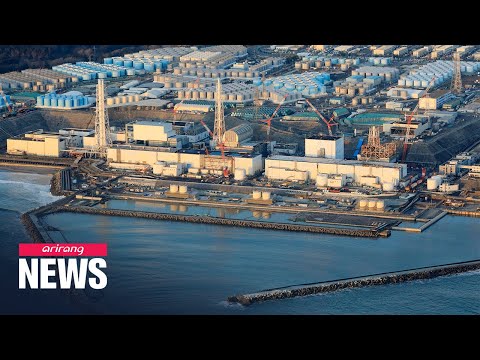
Een heel oud linkje.
https://www.parool.nl/nie(...)-in-oceaan~b3126a7b/
En daar is in al die jaren nog steeds niets aan veranderd.Kernen smelten dieper en dieper. Miljoenen liters gaan nog gedumpt worden. Maar het gaat verder prima hoor, je hoort er hier toch zo goed als niets meer over.
https://www.cnet.com/news(...)f-radioactive-water/
Ze proberen nog steeds de boel te bevriezen. Nogmaals al die jaren spoelt zwaar radioactief grondwater rechtstreeks de Pacific in. Kan zomaar een virusje muteren.
[ Bericht 10% gewijzigd door Resonancer op 05-05-2021 20:00:10 ]
We must guard against the aquisition of unwarranted influence, whether sought or unsought, by the military-industrial complex.
We must never let the weight of this combination endanger our liberties or democratic processes.
Eisenhower1961.
We must never let the weight of this combination endanger our liberties or democratic processes.
Eisenhower1961.
Super. Dank voor deze. Loonde bezoek fok na al die jaren toch de moeite.quote:
[..]
Ik vond net deze website waar veel up to date info op te vinden is.
Edit.
Ze maken het wel een beetje mooier dan het is.
We must guard against the aquisition of unwarranted influence, whether sought or unsought, by the military-industrial complex.
We must never let the weight of this combination endanger our liberties or democratic processes.
Eisenhower1961.
We must never let the weight of this combination endanger our liberties or democratic processes.
Eisenhower1961.
De situatie ziet er helemaal niet goed uit. Ze wachten nog steeds op die nieuwe robots. Hopelijk gaan die ook niet snel kapot eens ze er wel zijn.quote:Op woensdag 5 mei 2021 20:02 schreef Resonancer het volgende:
[..]
Super. Dank voor deze. Loonde bezoek fok na al die jaren toch de moeite.
Edit.
Ze maken het wel een beetje mooier dan het is.
Maar ik heb het idee dat niemand echt weet hoe het op te lossen.
https://www.livescience.c(...)damage-the-body.html
Waarom zit er anti plutonium zooi in vaccins?
https://www.thecowboychan(...)ry-opportunities-and
Waarom zit er anti plutonium zooi in vaccins?
https://www.thecowboychan(...)ry-opportunities-and
We must guard against the aquisition of unwarranted influence, whether sought or unsought, by the military-industrial complex.
We must never let the weight of this combination endanger our liberties or democratic processes.
Eisenhower1961.
We must never let the weight of this combination endanger our liberties or democratic processes.
Eisenhower1961.
dat is gewoon een chelating agent.. een molecuul dat bepaalde metaal ionen een soort van vastpakt en zo beter oplosbaar maakt. het is niet specifiek anti-plutonium spul. maar het helpt dus blijkbaar ook om je lichaam te helpen plutonium uit te scheiden. ethyleen diamine tetra acetaat (EDTA) is ook zo'n stofjequote:
https://www.livescience.c(...)damage-the-body.html
Waarom zit er anti plutonium zooi in vaccins?
https://www.thecowboychan(...)ry-opportunities-and
zo ziet dat eruit schematisch
https://en.wikipedia.org/wiki/File:Metal-EDTA.svg
ik ben niet gek.. ik ben volstrekt niet gek, ik ben helemaal niet gek... ik ben een nagemaakte gek
gooi alles weg neem een besluit, doe als het moet alles opnieuw
gooi alles weg neem een besluit, doe als het moet alles opnieuw
|
|
