W&T Wetenschap & Technologie
Een plek om te discussiëren over wetenschappelijke onderwerpen, wetenschappelijke problemen, technologische projecten en grootse uitvindingen.



misschien doordat de zwaartekracht niet overal gelijk is heeft men gemeten dat in de oceanen 'heuvels en gaten' zitten, in de indische oceaan schijnt in een gebied de waterspiegel veel lager te zijn dan elders en bij IJsland schijnt juist een verhoging te zijn t.o.v. de oceanen als geheel (gemeten door satelieten)quote:Op vrijdag 1 april 2011 09:03 schreef ExperimentalFrentalMental het volgende:
31-03-2011
Zwaartekrachtsveld aarde in kaart gebracht
[ afbeelding ]
Na meer dan twaalf maanden meten heeft de Europese GOCE-satelliet genoeg gegevens verzameld om het zwaartekrachtsveld van de aarde nauwkeuriger dan ooit in kaart te brengen. Het resultaat, een driedimensionaal model dat een geoïde wordt genoemd, werd donderdag in München gepresenteerd.
De geoïde is het oppervlak van een denkbeeldige, wereldomvattende oceaan waarin geen getijden en stromingen optreden. De vorm ervan wordt uitsluitend bepaald door het feit dat de aantrekkingskracht aan het oppervlak van onze planeet niet overal even groot is. Het model wordt onder meer gebruikt om oceaanstromingen en veranderingen van de zeespiegel te leren begrijpen.
De GOCE-gegevens geven ook meer inzicht in het ontstaan van grote aardbevingen. Deze worden immers veroorzaakt door plotselinge bewegingen van de tektonische platen van onze planeet, die niet rechtstreeks waarneembaar zijn. Die bewegingen leiden echter ook tot veranderingen in de zwaartekrachtsaantrekking ter plaatse.
© Eddy Echternach (www.astronieuws.nl)
(allesoversterrenkunde)
31-03-2011
Ook Saturnus is door een komeet getroffen
De rimpelingen die worden waargenomen in de ringenstelsels van de planeten Saturnus en Jupiter kunnen worden teruggevoerd op botsingen met komeetfragmenten die meer dan tien jaar geleden hebben plaatsgevonden. Tot die conclusie komen wetenschappers die gegevens van drie ruimtesondes hebben doorgespit (Science, 1 april).
In het geval van Jupiter zijn de rimpelingen veroorzaakt door de komeet Shoemaker-Levy 9, waarvan de brokstukken zich in juli 1994 een weg baanden door de ijle ring van de planeet. De rimpelingen in de ringen van Saturnus worden aan een soortgelijke botsing toegeschreven, die in de tweede helft van 1983 moet hebben plaatsgevonden. De gebeurtenissen bij Jupiter zijn destijds uitgebreid waargenomen, maar van die bij Saturnus bestaan geen waarnemingen.
Bij beide planeten is een spiraalvormig patroon in de ring waargenomen dat zich in de loop van de tijd steeds strakker opwindt. Door de beschikbare beelden achteruit af te spelen, konden de onderzoekers vaststellen wanneer de verstoring van het ringmateriaal, dat uit ontelbare kleine brokstukjes bestaat, moet hebben plaatsgevonden. Bij Jupiter rolde daar de periode juni-september 1994 uit, wat een verband met de doortocht van komeet Shoemaker-Levy 9 zeer waarschijnlijk maakt.
Uit de reconstructie van de gebeurtenissen die zich in 1983 in het ringenstelsel van Saturnus afspeelden, blijkt dat ook daarbij een forse komeet in het spel moet zijn geweest. Bij de botsing moet een bijna 20 duizend kilometer groot gebied, op de grens van de D- en C-ring van de planeet, verstoord zijn geraakt. Helaas waren er op dat moment geen ruimtesondes in de buurt van Saturnus en bevond de planeet zich vanaf de aarde gezien net achter de zon.
© Eddy Echternach (www.astronieuws.nl)
(allesoversterrenkunde)
Ook Saturnus is door een komeet getroffen

De rimpelingen die worden waargenomen in de ringenstelsels van de planeten Saturnus en Jupiter kunnen worden teruggevoerd op botsingen met komeetfragmenten die meer dan tien jaar geleden hebben plaatsgevonden. Tot die conclusie komen wetenschappers die gegevens van drie ruimtesondes hebben doorgespit (Science, 1 april).
In het geval van Jupiter zijn de rimpelingen veroorzaakt door de komeet Shoemaker-Levy 9, waarvan de brokstukken zich in juli 1994 een weg baanden door de ijle ring van de planeet. De rimpelingen in de ringen van Saturnus worden aan een soortgelijke botsing toegeschreven, die in de tweede helft van 1983 moet hebben plaatsgevonden. De gebeurtenissen bij Jupiter zijn destijds uitgebreid waargenomen, maar van die bij Saturnus bestaan geen waarnemingen.
Bij beide planeten is een spiraalvormig patroon in de ring waargenomen dat zich in de loop van de tijd steeds strakker opwindt. Door de beschikbare beelden achteruit af te spelen, konden de onderzoekers vaststellen wanneer de verstoring van het ringmateriaal, dat uit ontelbare kleine brokstukjes bestaat, moet hebben plaatsgevonden. Bij Jupiter rolde daar de periode juni-september 1994 uit, wat een verband met de doortocht van komeet Shoemaker-Levy 9 zeer waarschijnlijk maakt.
Uit de reconstructie van de gebeurtenissen die zich in 1983 in het ringenstelsel van Saturnus afspeelden, blijkt dat ook daarbij een forse komeet in het spel moet zijn geweest. Bij de botsing moet een bijna 20 duizend kilometer groot gebied, op de grens van de D- en C-ring van de planeet, verstoord zijn geraakt. Helaas waren er op dat moment geen ruimtesondes in de buurt van Saturnus en bevond de planeet zich vanaf de aarde gezien net achter de zon.
© Eddy Echternach (www.astronieuws.nl)
(allesoversterrenkunde)
Death Makes Angels of us all
And gives us wings where we had shoulders
Smooth as raven' s claws...
And gives us wings where we had shoulders
Smooth as raven' s claws...
01-04-2011
Mini-meteorieten maakten de aarde en Mars kouder
De planeten aarde en Mars zijn vier miljard jaar geleden sterk afgekoeld doordat ze met een regen van meteorieten ter grootte van suikerkorrels werden bestookt. Dat schrijven Britse wetenschappers in het vakblad Geochimica et Cosmochimica Acta (1 april).
De wetenschappers onderzochten de gevolgen van het zogeheten late, zware bombardement - de periode kort na het ontstaan van het zonnestelsel waarin de pas gevormde planeten nog het doelwit waren van ruimtestenen van de meest uiteenlopende afmetingen. Doorgaans gaat de aandacht daarbij uit naar de grootste exemplaren, die bijvoorbeeld op onze maan grote kraters sloegen. Maar ook de allerkleinste overblijfselen van het materiaal waaruit de planeten ontstonden hadden grote gevolgen.
Bij hun tocht door de atmosferen van de aarde en Mars gaven de micrometeorieten onder meer zwaveldioxide af, wat catastrofale gevolgen had voor het toenmalige klimaat. Zwaveldioxide in de lucht vormt namelijk zogeheten aerosolen - vaste en vloeibare deeltjes die in de lucht blijven zweven en het zonlicht weerkaatsen. De onderzoekers hebben berekend dat de regen van micrometeorieten op aarde tot de productie van 20 miljoen ton zwaveldioxide per jaar leidde.
De aarde en Mars zouden hierdoor zo sterk zijn afgekoeld, dat het ontstaan van leven lange tijd werd bemoeilijkt. Op aarde moet miljoenen jaren een poolklimaat hebben geheerst, en Mars is feitelijk nooit meer van de regen van micrometeorieten hersteld.
© Eddy Echternach (www.astronieuws.nl)
(allesoversterrenkunde)
Mini-meteorieten maakten de aarde en Mars kouder

De planeten aarde en Mars zijn vier miljard jaar geleden sterk afgekoeld doordat ze met een regen van meteorieten ter grootte van suikerkorrels werden bestookt. Dat schrijven Britse wetenschappers in het vakblad Geochimica et Cosmochimica Acta (1 april).
De wetenschappers onderzochten de gevolgen van het zogeheten late, zware bombardement - de periode kort na het ontstaan van het zonnestelsel waarin de pas gevormde planeten nog het doelwit waren van ruimtestenen van de meest uiteenlopende afmetingen. Doorgaans gaat de aandacht daarbij uit naar de grootste exemplaren, die bijvoorbeeld op onze maan grote kraters sloegen. Maar ook de allerkleinste overblijfselen van het materiaal waaruit de planeten ontstonden hadden grote gevolgen.
Bij hun tocht door de atmosferen van de aarde en Mars gaven de micrometeorieten onder meer zwaveldioxide af, wat catastrofale gevolgen had voor het toenmalige klimaat. Zwaveldioxide in de lucht vormt namelijk zogeheten aerosolen - vaste en vloeibare deeltjes die in de lucht blijven zweven en het zonlicht weerkaatsen. De onderzoekers hebben berekend dat de regen van micrometeorieten op aarde tot de productie van 20 miljoen ton zwaveldioxide per jaar leidde.
De aarde en Mars zouden hierdoor zo sterk zijn afgekoeld, dat het ontstaan van leven lange tijd werd bemoeilijkt. Op aarde moet miljoenen jaren een poolklimaat hebben geheerst, en Mars is feitelijk nooit meer van de regen van micrometeorieten hersteld.
© Eddy Echternach (www.astronieuws.nl)
(allesoversterrenkunde)
Death Makes Angels of us all
And gives us wings where we had shoulders
Smooth as raven' s claws...
And gives us wings where we had shoulders
Smooth as raven' s claws...
06-04-2011
Nieuw mineraal ontdekt in miljarden oude meteoriet
De meteoriet werd gevonden op Antarctica. © ap
Een internationale groep wetenschappers heeft een nieuw mineraal ontdekt, wassoniet. De stof werd aangetroffen in een miljarden jaren oude meteoriet, die ooit neerkwam op de Zuidpool. Dat meldt de Amerikaanse ruimtevaartorganisatie NASA.
(foto NASA)
Het mineraal is maar een honderdste van een mensenhaar breed. "Wassoniet wordt gevormd door slechts twee elementen, zwavel en titanium, maar het heeft een unieke kristalstructuur, die nog niet eerder is waargenomen", zegt NASA-hoofdonderzoeker Keiko Nakamura-Messenger.
De meteoriet waarin wassoniet is gevonden, is afkomstig uit een gebied in ons zonnestelsel tussen de planeten Mars en Jupiter. De meteoriet en de mineralen daarin, zoals wassoniet, zijn waarschijnlijk gevormd bij het ontstaan van het heelal, miljarden jaren geleden. (anp/sam)
(HLN)
Nieuw mineraal ontdekt in miljarden oude meteoriet

De meteoriet werd gevonden op Antarctica. © ap
Een internationale groep wetenschappers heeft een nieuw mineraal ontdekt, wassoniet. De stof werd aangetroffen in een miljarden jaren oude meteoriet, die ooit neerkwam op de Zuidpool. Dat meldt de Amerikaanse ruimtevaartorganisatie NASA.

(foto NASA)
Het mineraal is maar een honderdste van een mensenhaar breed. "Wassoniet wordt gevormd door slechts twee elementen, zwavel en titanium, maar het heeft een unieke kristalstructuur, die nog niet eerder is waargenomen", zegt NASA-hoofdonderzoeker Keiko Nakamura-Messenger.
De meteoriet waarin wassoniet is gevonden, is afkomstig uit een gebied in ons zonnestelsel tussen de planeten Mars en Jupiter. De meteoriet en de mineralen daarin, zoals wassoniet, zijn waarschijnlijk gevormd bij het ontstaan van het heelal, miljarden jaren geleden. (anp/sam)
(HLN)
Death Makes Angels of us all
And gives us wings where we had shoulders
Smooth as raven' s claws...
And gives us wings where we had shoulders
Smooth as raven' s claws...
Dat verschil in zwaartekracht wordt veroorzaakt door die heuvels en gaten, dus je kunt in principe door het verschil in zwaartekracht afleiden waar heuvels en waar gaten zijn.quote:
[..]
misschien doordat de zwaartekracht niet overal gelijk is heeft men gemeten dat in de oceanen 'heuvels en gaten' zitten, in de indische oceaan schijnt in een gebied de waterspiegel veel lager te zijn dan elders en bij IJsland schijnt juist een verhoging te zijn t.o.v. de oceanen als geheel (gemeten door satelieten)

Death Makes Angels of us all
And gives us wings where we had shoulders
Smooth as raven' s claws...
And gives us wings where we had shoulders
Smooth as raven' s claws...

06-04-2011
Twee unieke sterren zullen ooit reïncarneren
Amerikaanse astronomen hebben twee unieke sterren ontdekt. De twee hemellichamen zijn al overleden, maar staan zo dicht bij elkaar dat ze ooit zullen samenkomen en worden herboren als één nieuwe ster. Die reïncarnatie was nog nooit eerder ontdekt, heeft de universiteit Harvard vandaag bekendgemaakt.
De vondst verschijnt binnenkort in het wetenschapsblad Monthly Notices of the Royal Astronomical Society. Beide ontdekte sterren hebben het materiaal in hun kern al opgebrand.
Zulke gestorven sterren worden witte dwergen genoemd. Over ongeveer 37 miljoen jaar, voor ruimtebegrippen vrij snel, zal het duo fuseren. Daardoor zullen de reacties in de kern weer op gang komen en zal de nieuwgeboren ster als vanouds gaan schijnen, aldus de astronomen.
Het sterrenduo wordt SDSS J010657.39-100003.3 genoemd. Het koppel staat op een afstand van ongeveer 7800 lichtjaren in het sterrenbeeld Walvis.
De afstand tussen de twee dode sterren is slechts 225.000 kilometer. Dat is minder dan de afstand van de aarde tot de maan. De twee draaien om elkaar heen met een snelheid van 1,6 miljoen kilometer per uur. Een omloop duurt daardoor maar 39 minuten. (anp/adha)
(HLN)
Twee unieke sterren zullen ooit reïncarneren

Amerikaanse astronomen hebben twee unieke sterren ontdekt. De twee hemellichamen zijn al overleden, maar staan zo dicht bij elkaar dat ze ooit zullen samenkomen en worden herboren als één nieuwe ster. Die reïncarnatie was nog nooit eerder ontdekt, heeft de universiteit Harvard vandaag bekendgemaakt.
De vondst verschijnt binnenkort in het wetenschapsblad Monthly Notices of the Royal Astronomical Society. Beide ontdekte sterren hebben het materiaal in hun kern al opgebrand.
Zulke gestorven sterren worden witte dwergen genoemd. Over ongeveer 37 miljoen jaar, voor ruimtebegrippen vrij snel, zal het duo fuseren. Daardoor zullen de reacties in de kern weer op gang komen en zal de nieuwgeboren ster als vanouds gaan schijnen, aldus de astronomen.
Het sterrenduo wordt SDSS J010657.39-100003.3 genoemd. Het koppel staat op een afstand van ongeveer 7800 lichtjaren in het sterrenbeeld Walvis.
De afstand tussen de twee dode sterren is slechts 225.000 kilometer. Dat is minder dan de afstand van de aarde tot de maan. De twee draaien om elkaar heen met een snelheid van 1,6 miljoen kilometer per uur. Een omloop duurt daardoor maar 39 minuten. (anp/adha)
(HLN)
Death Makes Angels of us all
And gives us wings where we had shoulders
Smooth as raven' s claws...
And gives us wings where we had shoulders
Smooth as raven' s claws...
07-04-2011
Mysterieuze kracht op ruimtesondes lijkt verklaarbaar
AMSTERDAM - Er lijkt een verklaring te zijn gevonden voor de mysterieuze 'kracht' die de verre Pioneer-ruimtesondes afremt - de zogeheten Pioneer-anomalie.
© NU.nl/Allesoversterrenkunde.nl
Een nieuwe analyse wijst erop dat de afremming wordt veroorzaakt door de ongelijkmatige warmte-uitstraling van de beide sondes.
De ruimtesondes Pioneer 10 en 11 werden bijna veertig jaar geleden gelanceerd, scheerden respectievelijk langs de planeten Jupiter en Saturnus en zijn bezig ons zonnestelsel te verlaten.
Omdat ze geen raketaandrijving hebben, verliezen de Pioneers geleidelijk snelheid door de zwaartekrachtsaantrekking van de zon.
Afgeremd
Maar uit metingen blijk dat ze iets sterker worden afgeremd dan verwacht. Om die kleine afwijking te verklaren, hebben wetenschappers allerlei suggesties opgevoerd. Sommigen meenden zelfs dat de bestaande zwaartekrachtstheorie op de schop zou moeten.
Maar volgens Portugese fysici is dat niet nodig. Hun analyse laat zien dat de Pioneers hun warmte niet gelijkmatig in alle richtingen uitstralen.
Bovendien wordt een deel van die warmtestraling weerkaatst door de achterzijde van de grote radioschotel waarmee de beide ruimtesondes zijn uitgerust. Dat zou resulteren in een geringe netto-reactiekracht die de waargenomen afremming geheel kan verklaren.
Overigens zijn nog niet alle onderzoekers ervan overtuigd dat de Pioneer-anomalie op deze manier kan worden opgelost. Misschien dat een groot onderzoeksrapport dat later dit jaar verschijnt daar nog verandering in kan brengen.
© NU.nl/Allesoversterrenkunde.nl
(nu.nl)
Mysterieuze kracht op ruimtesondes lijkt verklaarbaar
AMSTERDAM - Er lijkt een verklaring te zijn gevonden voor de mysterieuze 'kracht' die de verre Pioneer-ruimtesondes afremt - de zogeheten Pioneer-anomalie.

© NU.nl/Allesoversterrenkunde.nl
Een nieuwe analyse wijst erop dat de afremming wordt veroorzaakt door de ongelijkmatige warmte-uitstraling van de beide sondes.
De ruimtesondes Pioneer 10 en 11 werden bijna veertig jaar geleden gelanceerd, scheerden respectievelijk langs de planeten Jupiter en Saturnus en zijn bezig ons zonnestelsel te verlaten.
Omdat ze geen raketaandrijving hebben, verliezen de Pioneers geleidelijk snelheid door de zwaartekrachtsaantrekking van de zon.
Afgeremd
Maar uit metingen blijk dat ze iets sterker worden afgeremd dan verwacht. Om die kleine afwijking te verklaren, hebben wetenschappers allerlei suggesties opgevoerd. Sommigen meenden zelfs dat de bestaande zwaartekrachtstheorie op de schop zou moeten.
Maar volgens Portugese fysici is dat niet nodig. Hun analyse laat zien dat de Pioneers hun warmte niet gelijkmatig in alle richtingen uitstralen.
Bovendien wordt een deel van die warmtestraling weerkaatst door de achterzijde van de grote radioschotel waarmee de beide ruimtesondes zijn uitgerust. Dat zou resulteren in een geringe netto-reactiekracht die de waargenomen afremming geheel kan verklaren.
Overigens zijn nog niet alle onderzoekers ervan overtuigd dat de Pioneer-anomalie op deze manier kan worden opgelost. Misschien dat een groot onderzoeksrapport dat later dit jaar verschijnt daar nog verandering in kan brengen.
© NU.nl/Allesoversterrenkunde.nl
(nu.nl)
Death Makes Angels of us all
And gives us wings where we had shoulders
Smooth as raven' s claws...
And gives us wings where we had shoulders
Smooth as raven' s claws...
07-04-2011
Ruimtetelescopen gericht op langdurige superexplosie
De Amerikaanse ruimtetelescopen Swift, Hubble en Chandra doen gezamenlijk metingen aan een raadselachtige kosmische explosie die op 28 maart optrad in het sterrenbeeld Draak. Ruim een week na de ontdekking is het oplichtende object nog steeds een bron van energierijke straling, dat flink in intensiteit fluctueert.
De explosie, een zogeheten gammaflits, werd op 28 maart door Swift ontdekt. Doorgaans duurt zo'n verschijnsel, dat normaal gesproken door het ontploffen van een zware ster wordt veroorzaakt, niet langer dan een paar uur. Maar in dit geval dus veel langer.
Hoewel het onderzoek nog in volle gang is, hebben astronomen het vermoeden dat het in dit geval niet om een ontploffende ster gaat. De uitbarsting van straling zou afkomstig zijn van een ster die te dicht in de buurt is gekomen van het superzware zwarte gat in de kern van het sterrenstelsel waar hij deel van uitmaakt. Daarbij wordt zo'n ster aan flarden getrokken en deels door het zwarte gat verzwolgen.
Een groot deel van de ziedend hete stermaterie wordt echter in de vorm van twee bundels terug de ruimte in geblazen. Dat gebeurt met dermate hoge snelheid dat er een relativistisch effect optreedt waardoor waarnemers die recht in de 'loop' van dit kosmische kanon kijken een veel grotere stralingsintensiteit waarnemen dan waarnemers elders in het heelal.
© Eddy Echternach (www.astronieuws.nl)
(allesoversterrenkunde)
Ruimtetelescopen gericht op langdurige superexplosie

De Amerikaanse ruimtetelescopen Swift, Hubble en Chandra doen gezamenlijk metingen aan een raadselachtige kosmische explosie die op 28 maart optrad in het sterrenbeeld Draak. Ruim een week na de ontdekking is het oplichtende object nog steeds een bron van energierijke straling, dat flink in intensiteit fluctueert.
De explosie, een zogeheten gammaflits, werd op 28 maart door Swift ontdekt. Doorgaans duurt zo'n verschijnsel, dat normaal gesproken door het ontploffen van een zware ster wordt veroorzaakt, niet langer dan een paar uur. Maar in dit geval dus veel langer.
Hoewel het onderzoek nog in volle gang is, hebben astronomen het vermoeden dat het in dit geval niet om een ontploffende ster gaat. De uitbarsting van straling zou afkomstig zijn van een ster die te dicht in de buurt is gekomen van het superzware zwarte gat in de kern van het sterrenstelsel waar hij deel van uitmaakt. Daarbij wordt zo'n ster aan flarden getrokken en deels door het zwarte gat verzwolgen.
Een groot deel van de ziedend hete stermaterie wordt echter in de vorm van twee bundels terug de ruimte in geblazen. Dat gebeurt met dermate hoge snelheid dat er een relativistisch effect optreedt waardoor waarnemers die recht in de 'loop' van dit kosmische kanon kijken een veel grotere stralingsintensiteit waarnemen dan waarnemers elders in het heelal.
© Eddy Echternach (www.astronieuws.nl)
(allesoversterrenkunde)
Death Makes Angels of us all
And gives us wings where we had shoulders
Smooth as raven' s claws...
And gives us wings where we had shoulders
Smooth as raven' s claws...
06-04-2011
Exotische pulsar ontdekt met Einstein@Home
Astronomen hebben, met de hulp van duizenden vrijwilligers, een bijzondere pulsar ontdekt. De rondtollende neutronenster vormt een paar met een witte dwergster, en is daardoor bijzonder geschikt voor het toetsen van de algemene relativiteitstheorie.
Wetenschappers die zich met kosmisch onderzoek bezighouden, hebben een luxeprobleem. Ze verzamelen zo veel gegevens, dat het steeds moeilijker wordt om die gegevens te analyseren. Daarom roepen zij steeds vaker de hulp in van vrijwilligers die de rekenkracht van hun pc's ter beschikking willen stellen voor dataverwerking via het internet.
Eén van die initiatieven is Einstein@Home, een programma waarbij gegevens van de Arecibo-radiotelescoop worden geanalyseerd om nieuwe pulserende neutronensterren te vinden. Op die manier is ook de exotisch pulsar J1952+2630 opgespoord.
Deze neutronenster, 31.000 lichtjaar van ons verwijderd, geeft eens in de 20,7 milliseconde een korte stoot radiostraling. Door het pulsgedrag heel nauwkeurig te analyseren zijn professionele astronomen tot de ontdekking gekomen dat er kleine, regelmatige variaties in die pulsperiode zitten. Daaruit kan worden afgeleid dat de pulsar een kleine, maar zware begeleider heeft: vermoedelijk een witte dwerg. De twee wentelen in vrijwel volmaakte cirkelbanen in ruim negen uur om hun gemeenschappelijke zwaartepunt.
Dat maakt deze bijzondere dubbelster tot een geschikt object voor het meten van relativistische verschijnselen. Zo hopen astromen bij J1952+2630 het zogeheten Shapiro-effect te kunnen meten. Dat effect zorgt ervoor dat (radio)straling die vlak langs een zwaar object scheert van het rechte pad afwijkt en dus een beetje vertraging oploopt. Als deze vertragingen in het geval van J1952+2630 inderdaad meetbaar zijn, kunnen daaruit de massa's van de pulsar en de witte dwerg worden afgeleid.
© Eddy Echternach (www.astronieuws.nl)
(allesoversterrenkunde)
Exotische pulsar ontdekt met Einstein@Home

Astronomen hebben, met de hulp van duizenden vrijwilligers, een bijzondere pulsar ontdekt. De rondtollende neutronenster vormt een paar met een witte dwergster, en is daardoor bijzonder geschikt voor het toetsen van de algemene relativiteitstheorie.
Wetenschappers die zich met kosmisch onderzoek bezighouden, hebben een luxeprobleem. Ze verzamelen zo veel gegevens, dat het steeds moeilijker wordt om die gegevens te analyseren. Daarom roepen zij steeds vaker de hulp in van vrijwilligers die de rekenkracht van hun pc's ter beschikking willen stellen voor dataverwerking via het internet.
Eén van die initiatieven is Einstein@Home, een programma waarbij gegevens van de Arecibo-radiotelescoop worden geanalyseerd om nieuwe pulserende neutronensterren te vinden. Op die manier is ook de exotisch pulsar J1952+2630 opgespoord.
Deze neutronenster, 31.000 lichtjaar van ons verwijderd, geeft eens in de 20,7 milliseconde een korte stoot radiostraling. Door het pulsgedrag heel nauwkeurig te analyseren zijn professionele astronomen tot de ontdekking gekomen dat er kleine, regelmatige variaties in die pulsperiode zitten. Daaruit kan worden afgeleid dat de pulsar een kleine, maar zware begeleider heeft: vermoedelijk een witte dwerg. De twee wentelen in vrijwel volmaakte cirkelbanen in ruim negen uur om hun gemeenschappelijke zwaartepunt.
Dat maakt deze bijzondere dubbelster tot een geschikt object voor het meten van relativistische verschijnselen. Zo hopen astromen bij J1952+2630 het zogeheten Shapiro-effect te kunnen meten. Dat effect zorgt ervoor dat (radio)straling die vlak langs een zwaar object scheert van het rechte pad afwijkt en dus een beetje vertraging oploopt. Als deze vertragingen in het geval van J1952+2630 inderdaad meetbaar zijn, kunnen daaruit de massa's van de pulsar en de witte dwerg worden afgeleid.
© Eddy Echternach (www.astronieuws.nl)
(allesoversterrenkunde)
Death Makes Angels of us all
And gives us wings where we had shoulders
Smooth as raven' s claws...
And gives us wings where we had shoulders
Smooth as raven' s claws...


quote:
Death Makes Angels of us all
And gives us wings where we had shoulders
Smooth as raven' s claws...
And gives us wings where we had shoulders
Smooth as raven' s claws...
quote:

Ook mooi om te zien hoe ze het in beeld brengen
Death Makes Angels of us all
And gives us wings where we had shoulders
Smooth as raven' s claws...
And gives us wings where we had shoulders
Smooth as raven' s claws...
08-04-2011
Joeri Gagarin kwam om door botsing met atmosfeersonde
© ap
Enkele dagen voor de wereld viert dat Joeri Gagarin op 12 april 1961 de eerste mens in de ruimte is geworden, blijkt uit vrijgegeven en voorheen geheime documenten dat de kosmonaut om het leven is gekomen toen zijn Mig-15 met een atmosfeersonde in botsing is gekomen.
© afp
Op 27 maart 1968 kwam de 34-jarige ruimtevaartpionier bij een ongeluk met een door hem bestuurd gevechtstoestel van het type Mig-15 op 190 km ten oosten van Moskou om het leven, net als zijn instructeur Vladimir Serjegin. "Mijn missie zit erop. Ik keer terug" waren de laatste van Gagarin gehoorde woorden. Het toestel van de ervaren gevechtspiloot crashte.
Omtrent de oorzaak ontstonden er vele speculaties, met inbegrip van onvermijdelijke complottheorieën. Vandaag gaf Aleksandr Stepanov van de archieven van Kremlin lezing uit het tot dan toe geheim gebleven onderzoeksrapport. Het luidde dat de Mig waarschijnlijk is neergestort na een bruusk manoeuvre waarbij Gagarin een atmosfeersonde wilde ontwijken. Een tweede, maar minder waarschijnlijke, mogelijkheid is dat de kosmonaut wilde vermijden in een wolkenlaag terecht te komen. (afp/belga/gb)
(HLN)
Joeri Gagarin kwam om door botsing met atmosfeersonde

© ap
Enkele dagen voor de wereld viert dat Joeri Gagarin op 12 april 1961 de eerste mens in de ruimte is geworden, blijkt uit vrijgegeven en voorheen geheime documenten dat de kosmonaut om het leven is gekomen toen zijn Mig-15 met een atmosfeersonde in botsing is gekomen.

© afp
Op 27 maart 1968 kwam de 34-jarige ruimtevaartpionier bij een ongeluk met een door hem bestuurd gevechtstoestel van het type Mig-15 op 190 km ten oosten van Moskou om het leven, net als zijn instructeur Vladimir Serjegin. "Mijn missie zit erop. Ik keer terug" waren de laatste van Gagarin gehoorde woorden. Het toestel van de ervaren gevechtspiloot crashte.
Omtrent de oorzaak ontstonden er vele speculaties, met inbegrip van onvermijdelijke complottheorieën. Vandaag gaf Aleksandr Stepanov van de archieven van Kremlin lezing uit het tot dan toe geheim gebleven onderzoeksrapport. Het luidde dat de Mig waarschijnlijk is neergestort na een bruusk manoeuvre waarbij Gagarin een atmosfeersonde wilde ontwijken. Een tweede, maar minder waarschijnlijke, mogelijkheid is dat de kosmonaut wilde vermijden in een wolkenlaag terecht te komen. (afp/belga/gb)
(HLN)
Death Makes Angels of us all
And gives us wings where we had shoulders
Smooth as raven' s claws...
And gives us wings where we had shoulders
Smooth as raven' s claws...
Yuri Gagarin
First man in space.......50 jaar geleden alweer
Wat vliegt de tijd.
--------------------------------------------------------------------------
Bij de crash kwam niet alleen Gagarin om het leven maar ook Vladimir Seregin
Correctie:
Gagarin zou niet in botsing zijn gekomen met een weerballon...
Om te verkomen dat hij de ballon zou raken moest hij een abrupte ontwijking maken
waardoor het vliegtuig in een stal kwam en hij niet meer uit die manouvre kwam
Gagarins KP MiG-15 UTI
[ Bericht 17% gewijzigd door -CRASH- op 10-04-2011 14:43:27 ]
First man in space.......50 jaar geleden alweer
Wat vliegt de tijd.
--------------------------------------------------------------------------


Bij de crash kwam niet alleen Gagarin om het leven maar ook Vladimir Seregin
Correctie:
Gagarin zou niet in botsing zijn gekomen met een weerballon...
Om te verkomen dat hij de ballon zou raken moest hij een abrupte ontwijking maken
waardoor het vliegtuig in een stal kwam en hij niet meer uit die manouvre kwam

Gagarins KP MiG-15 UTI
quote:Cause of jet crash
The cause of the crash that killed Gagarin is not entirely certain, and has been subject to speculation and conspiracy theories over the ensuing decades.
Russian documents declassified in March 2003 showed that the KGB had conducted their own investigation of the accident, in addition to one government and two military investigations. The KGB's report dismissed various conspiracy theories, instead indicating that the actions of air base personnel contributed to the crash. The report states that an air traffic controller provided Gagarin with outdated weather information, and that by the time of his flight, conditions had deteriorated significantly. Ground crew also left external fuel tanks attached to the aircraft. Gagarin's planned flight activities needed clear weather and no outboard tanks. The investigation concluded that Gagarin's aircraft entered a spin, either due to a bird strike or because of a sudden move to avoid another aircraft. Because of the out-of-date weather report, the crew believed their altitude to be higher than it actually was, and could not properly react to bring the MiG-15 out of its spin.[21]
In his 2004 book Two Sides of the Moon, Alexey Leonov recounts that he was flying a helicopter in the same area that day when he heard "two loud booms in the distance." Corroborating other theories, his conclusion is that a Sukhoi jet (which he identifies as a Su-15 'Flagon') was flying below its minimum allowed altitude, and "without realizing it because of the terrible weather conditions, he passed within 10 or 20 meters of Yuri and Seregin's plane while breaking the sound barrier." The resulting turbulence would have sent the MiG into an uncontrolled spin. Leonov believes the first boom he heard was that of the jet breaking the sound barrier, and the second was Gagarin's plane crashing.[22]
Another theory, advanced by the original crash investigator in 2005, hypothesizes that a cabin air vent was accidentally left open by the crew or the previous pilot, leading to oxygen deprivation and leaving the crew incapable of controlling the aircraft.[23] A similar theory, published in Air & Space magazine, is that the crew detected the open vent and followed procedure by executing a rapid dive to a lower altitude. This dive caused them to lose consciousness and crash.[24]
On 12 April 2007, the Kremlin vetoed a new investigation into the death of Gagarin. Government officials said that they saw no reason to begin a new investigation.[25]
In April 2011, documents from a 1968 commission setup by the Central Committee of the Communist Party to investigate the accident were declassified. Those documents revealed that the commission's original conclsuion was that either Gagarin or Seryogin had manoeuvred sharply, likely to avoid a weather balloon, leading the jet into a "supercritical flight regime and to its stalling in complex meteorological conditions". The report also suggested the jet may have been manoeuvring sharply to avoid "entry into the upper limit of the first layer of cloud cover".
[ Bericht 17% gewijzigd door -CRASH- op 10-04-2011 14:43:27 ]
<a href="http://www.vwkweb.nl/" rel="nofollow" target="_blank">[b]Vereniging voor weerkunde en klimatologie[/b]</a>
<a href="http://www.estofex.org/" rel="nofollow" target="_blank">[b]ESTOFEX[/b]</a>
<a href="http://www.estofex.org/" rel="nofollow" target="_blank">[b]ESTOFEX[/b]</a>
Dit soort artist impressions van dubbelsterren hebben naar mijn idee een specifieke fout.quote:
16-11-2010
Compacte dubbelsterren staan op ploffen
[ afbeelding ]
Astronomen hebben in ons Melkwegstelsel een tiental bijzondere dubbelstersystemen ontdekt. Elk van de sterparen bestaat uit twee witte dwergsterren en de helft ervan zal binnen (astronomisch) afzienbare tijd tot ontploffing komen.
Een witte dwerg is het hete, uitgeputte restant van een zonachtige ster die zijn buitenlagen heeft afgestoten. Zo'n dwergster is niet veel groter dan de aarde, maar kan de massa van de zon benaderen. De nu ontdekte witte dwergen zijn met éénvijfde zonsmassa overigens aan de lichte kant.
In de onderzochte dubbelstersystemen spiralen de beide dwergsterren geleidelijk naar elkaar toe. In de helft van de gevallen zal dat er uiteindelijk toe leiden dat de ene ster de andere opslokt. In één geval zal dat 'al' binnen honderd miljoen jaar gebeuren.
Wanneer twee van deze dwergsterren zich met elkaar verenigen, kan hun gezamenlijke massa een kritieke waarde overschrijden. Het resultaat is dan een supernova-explosie, maar waarschijnlijk wel een relatief zwakke variant.
© Eddy Echternach (www.astronieuws.nl)
(allesoversterrenkunde)
Als twee hemellichamen om elkaar heen draaien zoals het stelsel aarde maan zullen er twee vloedbergen ontstaan.
De grote gasvormige ster zal dat dus ook hebben alleen aan een kant wordt het gas door de witte dwerg opgeslokt aan de andere zijde wordt het gas de ruimte ingeslingerd.
Het uitstromende gas krijgt bovendien door de rotatie een S vorm.
Dit wordt meestal vergeten.
Horseshoe Asteroid discovered:
Astronomers from the Armagh Observatory in Northern Ireland
have found that recently-discovered asteroid 2010 SO16 has been following
Earth around the Sun for more than 250,000 years. Relative to our planet,
the asteroid describes a horseshoe-shaped path in space.
www.spaceweather.com
Astronomers from the Armagh Observatory in Northern Ireland
have found that recently-discovered asteroid 2010 SO16 has been following
Earth around the Sun for more than 250,000 years. Relative to our planet,
the asteroid describes a horseshoe-shaped path in space.
www.spaceweather.com
<a href="http://www.vwkweb.nl/" rel="nofollow" target="_blank">[b]Vereniging voor weerkunde en klimatologie[/b]</a>
<a href="http://www.estofex.org/" rel="nofollow" target="_blank">[b]ESTOFEX[/b]</a>
<a href="http://www.estofex.org/" rel="nofollow" target="_blank">[b]ESTOFEX[/b]</a>
Vloedbergen zijn niet meer van toepassing wanneer twee hemellichamen zo dicht bij elkaar komen te staan (gelukkig maar anders zou materie de tegenovergestelde kant van de planeet / ster verlaten, geheel tegen Newton's wetten in). Helaas wordt in meeste animaties en afbeeldingen waarin getijden wordt uitgelegd de afstand tussen de hemellichamen zelden correct weergegeven.quote:
[..]
Dit soort artist impressions van dubbelsterren hebben naar mijn idee een specifieke fout.
Als twee hemellichamen om elkaar heen draaien zoals het stelsel aarde maan zullen er twee vloedbergen ontstaan.
De grote gasvormige ster zal dat dus ook hebben alleen aan een kant wordt het gas door de witte dwerg opgeslokt aan de andere zijde wordt het gas de ruimte ingeslingerd.
Het uitstromende gas krijgt bovendien door de rotatie een S vorm.
Dit wordt meestal vergeten.
Calm down, please!
Wat was het grootste geheim van Gagarins vlucht!?!
SPOILEROm spoilers te kunnen lezen moet je zijn ingelogd. Je moet je daarvoor eerst gratis Registreren. Ook kun je spoilers niet lezen als je een ban hebt.--------------------------------------------------------------------------------------------------------------------------------------
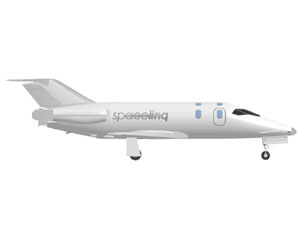
Spacelinq The First European Space Liner
by Staff Writers
Amsterdam, Holland (SPX) Apr 11, 2011quote:Dutch initiative SpaceLinq announces that it will operate as Europe's first spaceflight operator from within Holland's territory. Lelystad Airport is the proposed home base for the future EU Spaceport Lelystad, as long as all regulation and approval from the government and Airport partners will be granted. It also requires investigating planning, environmental and safety issues.
"Nonetheless, we are very excited about the opportunities to service the EU spaceflight market from Lelystad", says Chuck Lauer, US co-founder of SpaceLinq.
"We choose Lelystad for its location next to the sea and close proximity to the North Sea military reserve airspace. Besides, the open space and available land, plus the desire of the community to encourage new technology and industry are other reasons to choose Lelystad as SpaceLinq`s domicile.
"Also important to choose Holland is the fact that the European spaceflight market may be the largest in the world, and the Amsterdam region is already one of the greatest tourist destinations on the planet."
Flights can be expected to take place as soon as June, 2015.
Space: the next commercial frontier
The changing landscape of the space arena is giving birth to privately funded initiatives around the globe. SpaceLinq NV, Europe's first spaceliner to propose operating spaceflights from within European airspace, has chosen the Lelystad Airport as its future base for flight operations. With a unique mission profile and vehicle architecture, SpaceLinq is able to launch and re-enter the atmosphere from almost every standard, commercial airport.
The privatization trend in the US is catching on in Europe and other regions. With new government cutbacks being announced daily, the focus and demand of spaceflight services has shifted to the private sector market. SpaceLinq will provide short and long-term benefits to the scientific community as well as the tourist and payload markets.
By selling flights to the nearby Dutch and German space organizations, SpaceLinq will capture the market demand for less expensive and more frequent opportunities for microgravity research, astronomy, climate research, and small satellite launch.
The European Space Agency is also interested in the potential use for commercial suborbital vehicles for microgravity research, Earth observation and remote sensing applications, astronomy, and small satellite launch. SpaceLinq submitted its plans for suborbital flight services to ESA under its Request for Information solicitation in February.
The SpaceLinq spaceliner vehicle will seat one pilot plus five customers when flying space tourism flights. For research purposes the four rear seats are removed and replaced with experiment racks or other payloads, while leaving the front right seat in place for payload operators or researchers to fly and operate their experiments.
The spaceplane will use turbojet engines for takeoff and landing and a liquid oxygen / kerosene main rocket engine to power the ascent to space and over three minutes of weightlessness as the vehicle coasts up to the 100 km+ peak altitude and back. Its technical development has brought the design to a level of maturity that reassures investor confidence to see the vehicle through, all the way to the final testing stage.
"We are very excited about the opportunities to service the EU spaceflight market from Lelystad" says Chuck Lauer, the US co-founder of SpaceLinq.
"We choose Lelystad for its location next to the sea and close proximity to the North Sea military reserve airspace. Besides, the open space and available land, plus the desire of the community to encourage new technology and industry are other reasons to choose Lelystad as SpaceLinq`s domicile.
"Also important to choose Holland is the fact that the European spaceflight market may be the largest in the world, and the Amsterdam region is already one of the greatest tourist destinations on the planet, with great hotels, museums, fine dining and numerous cultural events and attractions. Combining this incredible base of existing Five Star tourism infrastructure with the new opportunities for exciting and breathtakingly beautiful commercial spaceflight will be a winning formula."
[ Bericht 77% gewijzigd door -CRASH- op 12-04-2011 23:01:58 ]<a href="http://www.vwkweb.nl/" rel="nofollow" target="_blank">[b]Vereniging voor weerkunde en klimatologie[/b]</a>
<a href="http://www.estofex.org/" rel="nofollow" target="_blank">[b]ESTOFEX[/b]</a>
quote:
Wat was het grootste geheim van Gagarins vlucht!?!For various reasons? Ik kan niet bedenken welkeSPOILEROm spoilers te kunnen lezen moet je zijn ingelogd. Je moet je daarvoor eerst gratis Registreren. Ook kun je spoilers niet lezen als je een ban hebt.Death Makes Angels of us all
And gives us wings where we had shoulders
Smooth as raven' s claws...
12-04-2011
Eerste sterrenstelsels veel vroeger ontstaan dan gedacht
© afp
De eerste sterrenstelsels zijn veel vroeger ontstaan dan tot nu toe werd aangenomen, zo hebben het Europese en het Amerikaanse ruimtevaartbureau, ESA en NASA, op basis van waarnemingen met hun Hubble ruimtetelescop (HST) gemeld.
Dankzij het effect van een gravitationele lens stootte een internationale onderzoeksgroep rond Johan Richard van de Sterrenwacht van Lyon in januari op een sterrenstelsel dat zowat 13,2 miljard jaar geleden is geboren, dus slechts 200 miljoen jaar na de Oerknal. Dat is onverwacht vroeg en wijst erop hoe vroeger dan gedacht zich reeds de eerste sterren en sterrenstelsels hebben gevormd.
Het oersterrenstelsel bevindt achter de cluster van sterrenstelsels Abell 383, dat met zijn gravitatie het licht van het daarachter gelegen sterrenstelsel afboog en daarmee versterkte, wat het effect van de gravitationele lens is. Zonder dit effect had het oersterrenstelsel zich zelfs niet met de grootste momenteel beschikbare telescopen laten verschalken.
De ontdekking kan ook meer leren omtrent de vraag hoe het universum in de eerste miljard jaren na de Oerknal transparant in het ultraviolette licht is geworden. In de babyjaren van de kosmos blokkeerde een nevel van neutraal waterstofgas dat licht. De astronomen vermoeden dat de eerste sterrenstelsels het gas hebben geïoniseerd, waardoor de mist optrok. (belga/tma)
(HLN)
Eerste sterrenstelsels veel vroeger ontstaan dan gedacht

© afp
De eerste sterrenstelsels zijn veel vroeger ontstaan dan tot nu toe werd aangenomen, zo hebben het Europese en het Amerikaanse ruimtevaartbureau, ESA en NASA, op basis van waarnemingen met hun Hubble ruimtetelescop (HST) gemeld.
Dankzij het effect van een gravitationele lens stootte een internationale onderzoeksgroep rond Johan Richard van de Sterrenwacht van Lyon in januari op een sterrenstelsel dat zowat 13,2 miljard jaar geleden is geboren, dus slechts 200 miljoen jaar na de Oerknal. Dat is onverwacht vroeg en wijst erop hoe vroeger dan gedacht zich reeds de eerste sterren en sterrenstelsels hebben gevormd.
Het oersterrenstelsel bevindt achter de cluster van sterrenstelsels Abell 383, dat met zijn gravitatie het licht van het daarachter gelegen sterrenstelsel afboog en daarmee versterkte, wat het effect van de gravitationele lens is. Zonder dit effect had het oersterrenstelsel zich zelfs niet met de grootste momenteel beschikbare telescopen laten verschalken.
De ontdekking kan ook meer leren omtrent de vraag hoe het universum in de eerste miljard jaren na de Oerknal transparant in het ultraviolette licht is geworden. In de babyjaren van de kosmos blokkeerde een nevel van neutraal waterstofgas dat licht. De astronomen vermoeden dat de eerste sterrenstelsels het gas hebben geïoniseerd, waardoor de mist optrok. (belga/tma)
(HLN)
Death Makes Angels of us all
And gives us wings where we had shoulders
Smooth as raven' s claws...
And gives us wings where we had shoulders
Smooth as raven' s claws...
13-04-2011
Inactieve zon kan 'kleine ijstijd' niet volledig verklaren
In de 17de en 18de eeuw was het in West-Europa beduidend koeler dan nu. Vaak wordt deze 'kleine ijstijd' toegeschreven aan de zon, die toen opmerkelijk rustig was - dat wil zeggen: bijzonder weinig zonnevlekken vertoonde. Maar volgens recent onderzoek door onder anderen de Nederlandse astronoom Karel Schrijver kan de inactieve zon de één à twee graden lagere temperaturen van die periode niet volledig verklaren.
De hoeveelheid energie die de zon uitstraalt, uitgedrukt in de zogeheten zonneconstante, gaat op en neer met een periode van elf jaar. Deze zonnecyclus is van invloed op het klimaat op aarde, vooral als de zonneconstante naar boven of beneden uitschiet.
Uit het onderzoek van Schrijver en collega's blijkt dat de zonneconstante tijdens de kleine ijstijd waarschijnlijk niet zo laag was als tot nog toe werd aangenomen. Dat leiden zij af uit directe metingen van de magnetische activiteit van de zon tijdens het recente zonneminimum, dat qua gebrek aan zonnevlekken vergelijkbaar was met de zonneminima van de kleine ijstijd.
Dat maakt het onwaarschijnlijk dat de zonneconstante destijds heel veel lager was dan nu. Oftewel: als de zon al van invloed was op de toenmalige temperaturen, moeten er nog andere factoren zijn geweest die aan de kou hebben bijgedragen.
© Eddy Echternach (www.astronieuws.nl)
(allesoversterrenkunde)
Inactieve zon kan 'kleine ijstijd' niet volledig verklaren

In de 17de en 18de eeuw was het in West-Europa beduidend koeler dan nu. Vaak wordt deze 'kleine ijstijd' toegeschreven aan de zon, die toen opmerkelijk rustig was - dat wil zeggen: bijzonder weinig zonnevlekken vertoonde. Maar volgens recent onderzoek door onder anderen de Nederlandse astronoom Karel Schrijver kan de inactieve zon de één à twee graden lagere temperaturen van die periode niet volledig verklaren.
De hoeveelheid energie die de zon uitstraalt, uitgedrukt in de zogeheten zonneconstante, gaat op en neer met een periode van elf jaar. Deze zonnecyclus is van invloed op het klimaat op aarde, vooral als de zonneconstante naar boven of beneden uitschiet.
Uit het onderzoek van Schrijver en collega's blijkt dat de zonneconstante tijdens de kleine ijstijd waarschijnlijk niet zo laag was als tot nog toe werd aangenomen. Dat leiden zij af uit directe metingen van de magnetische activiteit van de zon tijdens het recente zonneminimum, dat qua gebrek aan zonnevlekken vergelijkbaar was met de zonneminima van de kleine ijstijd.
Dat maakt het onwaarschijnlijk dat de zonneconstante destijds heel veel lager was dan nu. Oftewel: als de zon al van invloed was op de toenmalige temperaturen, moeten er nog andere factoren zijn geweest die aan de kou hebben bijgedragen.
© Eddy Echternach (www.astronieuws.nl)
(allesoversterrenkunde)
Death Makes Angels of us all
And gives us wings where we had shoulders
Smooth as raven' s claws...
And gives us wings where we had shoulders
Smooth as raven' s claws...
13-04-2011
Herschel-satelliet legt verband tussen schokgolven en stervorming
Uit waarnemingen met de Europese infraroodsatelliet Herschel blijkt dat interstellaire gaswolken netwerken van onderling verstrengelde gasslierten bevatten. Elk van die zogeheten filamenten is ongeveer even breed en volgens astronomen wijst dat erop dat zij allemaal op dezelfde manier zijn ontstaan. De meest waarschijnlijke oorzaak zijn schokgolven in de interstellaire ruimte.
De waargenomen filamenten zijn tot wel tientallen lichtjaren lang en uit de Herschel-waarnemingen blijkt dat in de delen met de hoogste gasdichtheid vaak pasgeboren sterren te zien zijn. Qua breedte lopen de gasstrengen niet veel uiteen: ze zijn allemaal ongeveer 0,3 lichtjaar breed - oftewel 20.000 keer de afstand zon-aarde.
Door de waargenomen eigenschappen te vergelijken met de resultaten van computermodellen zijn de astronomen tot de conclusie gekomen dat de filamenten waarschijnlijk zijn gevormd door 'supersone' schokgolven die door het interstellaire gas zijn gegaan. Deze schokgolven zijn het gevolg van de explosies van sterren in de omgeving die het gas plaatselijk samendrukken. De verhoogde gasdichtheid die daar het gevolg van is, geeft de aanzet tot de vorming van nieuwe sterren.
© Eddy Echternach (www.astronieuws.nl)
(allesoversterrenkunde)
Herschel-satelliet legt verband tussen schokgolven en stervorming

Uit waarnemingen met de Europese infraroodsatelliet Herschel blijkt dat interstellaire gaswolken netwerken van onderling verstrengelde gasslierten bevatten. Elk van die zogeheten filamenten is ongeveer even breed en volgens astronomen wijst dat erop dat zij allemaal op dezelfde manier zijn ontstaan. De meest waarschijnlijke oorzaak zijn schokgolven in de interstellaire ruimte.
De waargenomen filamenten zijn tot wel tientallen lichtjaren lang en uit de Herschel-waarnemingen blijkt dat in de delen met de hoogste gasdichtheid vaak pasgeboren sterren te zien zijn. Qua breedte lopen de gasstrengen niet veel uiteen: ze zijn allemaal ongeveer 0,3 lichtjaar breed - oftewel 20.000 keer de afstand zon-aarde.
Door de waargenomen eigenschappen te vergelijken met de resultaten van computermodellen zijn de astronomen tot de conclusie gekomen dat de filamenten waarschijnlijk zijn gevormd door 'supersone' schokgolven die door het interstellaire gas zijn gegaan. Deze schokgolven zijn het gevolg van de explosies van sterren in de omgeving die het gas plaatselijk samendrukken. De verhoogde gasdichtheid die daar het gevolg van is, geeft de aanzet tot de vorming van nieuwe sterren.
© Eddy Echternach (www.astronieuws.nl)
(allesoversterrenkunde)
Death Makes Angels of us all
And gives us wings where we had shoulders
Smooth as raven' s claws...
And gives us wings where we had shoulders
Smooth as raven' s claws...

Mooiquote:
even ontspannen met prachtige foto's van galaxies en golvende muziek
Death Makes Angels of us all
And gives us wings where we had shoulders
Smooth as raven' s claws...
And gives us wings where we had shoulders
Smooth as raven' s claws...
13-04-2011
Heelal wordt niet aangetrokken door 'buurheelal'
In 2008 maakten NASA-wetenschappers melding van een verbluffende ontdekking: ver uit elkaar gelegen clusters van sterrenstelsels in ons heelal leken min of meer dezelfde kant op te bewegen. Het was alsof ze werden aangetrokken door een kolossale massa - een compleet ander heelal wellicht - ergens voorbij de grens van het zichtbare heelal. Nieuw onderzoek door astronomen van de universiteit van Buffalo trekt de ontdekking van deze 'donkere stroming' echter in twijfel.
De astronomen hebben gekeken naar het licht van supernovae (exploderende sterren) in sterrenstelsels op uiteenlopende afstanden. Daarbij hebben zij vastgesteld dat alleen de meest nabije supernovae in een voorkeursrichting bewegen. Verder weg gelegen supernovae bewegen in andere richtingen.
Hierdoor is de theorie van de donkere stroming op losse schroeven komen te staan. De nieuwe bevindingen zijn volledig in overeenstemming met het 'saaie' standaardmodel voor het heelal, waarin sterrenstelsels gewoon alle kanten op bewegen.
© Eddy Echternach (www.astronieuws.nl)
(allesoversterrenkunde)
Heelal wordt niet aangetrokken door 'buurheelal'

In 2008 maakten NASA-wetenschappers melding van een verbluffende ontdekking: ver uit elkaar gelegen clusters van sterrenstelsels in ons heelal leken min of meer dezelfde kant op te bewegen. Het was alsof ze werden aangetrokken door een kolossale massa - een compleet ander heelal wellicht - ergens voorbij de grens van het zichtbare heelal. Nieuw onderzoek door astronomen van de universiteit van Buffalo trekt de ontdekking van deze 'donkere stroming' echter in twijfel.
De astronomen hebben gekeken naar het licht van supernovae (exploderende sterren) in sterrenstelsels op uiteenlopende afstanden. Daarbij hebben zij vastgesteld dat alleen de meest nabije supernovae in een voorkeursrichting bewegen. Verder weg gelegen supernovae bewegen in andere richtingen.
Hierdoor is de theorie van de donkere stroming op losse schroeven komen te staan. De nieuwe bevindingen zijn volledig in overeenstemming met het 'saaie' standaardmodel voor het heelal, waarin sterrenstelsels gewoon alle kanten op bewegen.
© Eddy Echternach (www.astronieuws.nl)
(allesoversterrenkunde)
Death Makes Angels of us all
And gives us wings where we had shoulders
Smooth as raven' s claws...
And gives us wings where we had shoulders
Smooth as raven' s claws...
13-04-2011
Uitdijing heelal ook in verre toekomst nog meetbaar
De uitdijing van het heelal zorgt ervoor dat sterrenstelsels geleidelijk uit elkaars zicht verdwijnen. Toch zullen ook in de verre toekomst sterrenkundigen het verschijnsel kunnen waarnemen.
De kosmische uitdijing is bijna een eeuw geleden ontdekt door de Amerikaanse sterrenkundige Edwin Hubble, die constateerde dat de sterrenstelsels in het heelal van elkaar weg bewegen. Maar over een biljoen jaar, als het heelal honderd keer zo oud is als nu, is nog maar één sterrenstelsel waarneembaar: het onze. Volgens theoretisch sterrenkundige Avi Loeb van de Harvard-universiteit hoeft dat echter geen belemmering te zijn.
Ongeveer eens in de 100.000 jaar komt er een dubbelster zo dicht in de buurt van het zwarte gat in de kern van ons Melkwegstelsel, dat de beide sterren van elkaar gescheiden worden. De ene wordt opgeslokt door het zwarte gat, maar de andere schiet met een snelheid van meer dan een miljoen kilometer per uur de ruimte in. Als deze hypersnelle sterren ver genoeg van ons sterrenstelsel verwijderd zijn, komen ze in de greep van de kosmische uitdijing: ze gaan daardoor steeds sneller bewegen. En aan dat verschijnsel zouden de sterrenkundigen van de verre toekomst kunnen zien dat het heelal uitdijt.
© Eddy Echternach (www.astronieuws.nl)
(allesoversterrenkunde)
Uitdijing heelal ook in verre toekomst nog meetbaar

De uitdijing van het heelal zorgt ervoor dat sterrenstelsels geleidelijk uit elkaars zicht verdwijnen. Toch zullen ook in de verre toekomst sterrenkundigen het verschijnsel kunnen waarnemen.
De kosmische uitdijing is bijna een eeuw geleden ontdekt door de Amerikaanse sterrenkundige Edwin Hubble, die constateerde dat de sterrenstelsels in het heelal van elkaar weg bewegen. Maar over een biljoen jaar, als het heelal honderd keer zo oud is als nu, is nog maar één sterrenstelsel waarneembaar: het onze. Volgens theoretisch sterrenkundige Avi Loeb van de Harvard-universiteit hoeft dat echter geen belemmering te zijn.
Ongeveer eens in de 100.000 jaar komt er een dubbelster zo dicht in de buurt van het zwarte gat in de kern van ons Melkwegstelsel, dat de beide sterren van elkaar gescheiden worden. De ene wordt opgeslokt door het zwarte gat, maar de andere schiet met een snelheid van meer dan een miljoen kilometer per uur de ruimte in. Als deze hypersnelle sterren ver genoeg van ons sterrenstelsel verwijderd zijn, komen ze in de greep van de kosmische uitdijing: ze gaan daardoor steeds sneller bewegen. En aan dat verschijnsel zouden de sterrenkundigen van de verre toekomst kunnen zien dat het heelal uitdijt.
© Eddy Echternach (www.astronieuws.nl)
(allesoversterrenkunde)
Death Makes Angels of us all
And gives us wings where we had shoulders
Smooth as raven' s claws...
And gives us wings where we had shoulders
Smooth as raven' s claws...

Wat ik zo bizar vind is dat het bestaan van andere sterrenstelsels, naast de onze, pas in de jaren 70 zijn ontdekt door mr. Hubble, en dat er gewoon 100.000.000.000 van die dingen zijn... niet voor te stellen
quote:
Wat ik zo bizar vind is dat het bestaan van andere sterrenstelsels, naast de onze, pas in de jaren 70 zijn ontdekt door mr. Hubble, en dat er gewoon 100.000.000.000 van die dingen zijn... niet voor te stellen
wikiquote:In the 10th century, the Persian astronomer, Abd al-Rahman al-Sufi (known in the West as Azophi), made the earliest recorded observation of the Andromeda Galaxy, describing it as a "small cloud".
Al-Sufi also identified the Large Magellanic Cloud, which is visible from Yemen, though not from Isfahan; it was not seen by Europeans until Magellan's voyage in the 16th century. These were the first galaxies other than the Milky Way to be observed from Earth.
Al-Sufi published his findings in his Book of Fixed Stars in 964.
In 1750 Thomas Wright, in his An original theory or new hypothesis of the Universe, speculated (correctly) that Milky Way was a flattened disk of stars, and that some of the nebulae visible in the night sky might be separate Milky Ways. In 1755 Immanuel Kant introduced the term "island universe" for these distant nebulae.
Calm down, please!
Dat krijg je als je voornamelijk Dicovery Channel / Discovery Science kijktquote:

Alsnog vreemd dat Hubble de credits krijgt
14-04-2011
Donkere-materiedeeltjes zijn nog spoorloos
Een internationaal team van wetenschappers heeft woensdag 13 april de eerste resultaten bekendgemaakt van hun zoektocht naar donkere materie. Tijdens de eerste honderd meetdagen van hun XENON100-experiment, dat diep ondergronds in de Italiaanse Apennijnen staat opgesteld, is nog geen doorslaggevend bewijs gevonden voor het bestaan van zogeheten WIMP's - de belangrijkste kandidaat-deeltjes waaruit die donkere materie zou kunnen bestaan.
Uit astronomische waarnemingen blijkt dat meer dan tachtig procent van alle materie geen waarneembare vormen van straling uitzendt. Wel oefent deze donkere materie zwaartekrachtsaantrekking uit. Waaruit zij bestaat is tot nog toe echter een raadsel.
De hoop bestond dat de XENON100-detector gevoelig genoeg zou zijn om deeltjes van deze alom aanwezige materie te kunnen opsporen. Dat dit vooralsnog niet is gelukt, wil overigens nog niet zeggen dat WIMP's niet bestaan. Het lijkt waarschijnlijker dat de deeltjes gewoon moeilijker detecteerbaar zijn dan gedacht. De onderzoekers vestigen nu hun hoop op de nieuwe gegevens die in de loop van dit jaar worden verzameld en op de geplande bouw van een veel grotere en gevoeligere detector.
© Eddy Echternach (www.astronieuws.nl)
(allesoversterrenkunde)
Donkere-materiedeeltjes zijn nog spoorloos

Een internationaal team van wetenschappers heeft woensdag 13 april de eerste resultaten bekendgemaakt van hun zoektocht naar donkere materie. Tijdens de eerste honderd meetdagen van hun XENON100-experiment, dat diep ondergronds in de Italiaanse Apennijnen staat opgesteld, is nog geen doorslaggevend bewijs gevonden voor het bestaan van zogeheten WIMP's - de belangrijkste kandidaat-deeltjes waaruit die donkere materie zou kunnen bestaan.
Uit astronomische waarnemingen blijkt dat meer dan tachtig procent van alle materie geen waarneembare vormen van straling uitzendt. Wel oefent deze donkere materie zwaartekrachtsaantrekking uit. Waaruit zij bestaat is tot nog toe echter een raadsel.
De hoop bestond dat de XENON100-detector gevoelig genoeg zou zijn om deeltjes van deze alom aanwezige materie te kunnen opsporen. Dat dit vooralsnog niet is gelukt, wil overigens nog niet zeggen dat WIMP's niet bestaan. Het lijkt waarschijnlijker dat de deeltjes gewoon moeilijker detecteerbaar zijn dan gedacht. De onderzoekers vestigen nu hun hoop op de nieuwe gegevens die in de loop van dit jaar worden verzameld en op de geplande bouw van een veel grotere en gevoeligere detector.
© Eddy Echternach (www.astronieuws.nl)
(allesoversterrenkunde)
Death Makes Angels of us all
And gives us wings where we had shoulders
Smooth as raven' s claws...
And gives us wings where we had shoulders
Smooth as raven' s claws...
14-04-2011
Activiteit zon neemt toe
De activiteit van de zon loopt sinds maart flink op. Het aantal zonnevlekken heeft het hoogste niveau in meer dan zes jaar bereikt en er vinden zo af en toe flinke zonne-uitbarstingen plaats. Kortom: het diepste en langdurigste zonneminimum van de afgelopen honderd jaar is definitief achter de rug.
De eerste tekenen van een oplevende zonneactiviteit waren eind 2009 al te zien, maar het duurde tot februari van dit jaar voordat de zon zich weer een beetje begon te roeren. Voor zonnefysici is de aanloop naar de volgende piek in de 11-jarige cyclus van de zon, die omstreeks mei 2013 wordt verwacht, nu dus pas echt begonnen.
Het komt niet vaak voor dat de aanloop naar een volgend zonnemaximum zo lang duurt. Astronomen beschikken over gedetailleerde gegevens van 23 zonnecycli, en slechts vier daarvan kwamen trager op gang dan de huidige. Drie van deze rustige cycli maakten deel uit van het zogeheten Dalton-minimum - een langdurige periode van relatief geringe zonneactiviteit aan het begin van de negentiende eeuw. Of we daar een herhaling van krijgen, is een kwestie van afwachten.
© Eddy Echternach (www.astronieuws.nl)
(allesoversterrenkunde)
Activiteit zon neemt toe

De activiteit van de zon loopt sinds maart flink op. Het aantal zonnevlekken heeft het hoogste niveau in meer dan zes jaar bereikt en er vinden zo af en toe flinke zonne-uitbarstingen plaats. Kortom: het diepste en langdurigste zonneminimum van de afgelopen honderd jaar is definitief achter de rug.
De eerste tekenen van een oplevende zonneactiviteit waren eind 2009 al te zien, maar het duurde tot februari van dit jaar voordat de zon zich weer een beetje begon te roeren. Voor zonnefysici is de aanloop naar de volgende piek in de 11-jarige cyclus van de zon, die omstreeks mei 2013 wordt verwacht, nu dus pas echt begonnen.
Het komt niet vaak voor dat de aanloop naar een volgend zonnemaximum zo lang duurt. Astronomen beschikken over gedetailleerde gegevens van 23 zonnecycli, en slechts vier daarvan kwamen trager op gang dan de huidige. Drie van deze rustige cycli maakten deel uit van het zogeheten Dalton-minimum - een langdurige periode van relatief geringe zonneactiviteit aan het begin van de negentiende eeuw. Of we daar een herhaling van krijgen, is een kwestie van afwachten.
© Eddy Echternach (www.astronieuws.nl)
(allesoversterrenkunde)
Death Makes Angels of us all
And gives us wings where we had shoulders
Smooth as raven' s claws...
And gives us wings where we had shoulders
Smooth as raven' s claws...
Andromeda sterrenstelsel is zichbaar voor elk wezen met een beetje goede ogen dus die kennen we al sinds je een mens een mens mag noemen. Maar over de aard van sterrenstelsels was er ooit het bekende ShapleyCurtis debat. Men dacht daarvoor altijd dat het gewoon een gaswolk in onze melkweg was.
Met het blote oog is het een vaag sterretje, als je er niet rechtstreeks naar kijkt; met de staafjes in de ogen dus (op de spaarzame heldere nachten) . Eigenlijk bizar dat het aan de hemel groter is dan de maan, maar we vangen dat licht niet op...quote:Op maandag 18 april 2011 22:18 schreef Harunobu het volgende:
Andromeda sterrenstelsel is zichbaar voor elk wezen met een beetje goede ogen dus die kennen we al sinds je een mens een mens mag noemen. Maar over de aard van sterrenstelsels was er ooit het bekende ShapleyCurtis debat. Men dacht daarvoor altijd dat het gewoon een gaswolk in onze melkweg was.
18-04-2011
Medicijnen werken niet meer in de ruimte
© afp
Slecht nieuws voor astronauten met hoofdpijn. Verschillende medicijnen blijken in de ruimte snel hun kracht te verliezen, meldt de Daily Mail.
[img] http://static1.hln.be/static/FOTO/pe/0/4/1/media_l_4147681.jpg[/img]
© ap
Medicijnen reageren anders op de omstandigheden in de ruimte. Dat heeft volgens een studie van NASA te maken met het gebrek aan zwaartekracht en de hogere straling. Op Aarde kunnen veel medicijnen gedurende enkele jaren worden opgeslagen. In de ruimte zijn sommige pilletjes tegen dan hun geneeskrachtige werking al lang kwijt. Ook hier moeten we medicatie natuurlijk wel in de best mogelijke omstandigheden bewaren.
Langere missies
Aangezien ruimtemissies voor astronauten in de toekomst langer zullen duren, moet NASA rekening houden met de geneesmiddelen die ze meekrijgen. Daarom liet de ruimtevaartsorganisatie vier dozen met 35 verschillende soorten medicijnen naar het Internationaal Ruimtestation (ISS) vliegen. Dezelfde medicijnen werden op dat ogenblik ook in het Johnson Space Center in gecontroleerde omstandigheden bewaard.
De vier dozen werden op verschillende tijdstippen door astronauten terug naar huis gebracht. De eerste doos verbleef slechts dertien dagen in de ruimte, terwijl de laatste 28 maanden in het ISS bewaard bleef. Verscheidene medicijnen hadden serieus in kracht ingeboet door hun verblijf in de ruimte. De medicijnen hadden op dat ogenblik hun 'Aardse' vervaldatum nog niet overschreden. (gb)
(HLN)
Medicijnen werken niet meer in de ruimte

© afp
Slecht nieuws voor astronauten met hoofdpijn. Verschillende medicijnen blijken in de ruimte snel hun kracht te verliezen, meldt de Daily Mail.
[img] http://static1.hln.be/static/FOTO/pe/0/4/1/media_l_4147681.jpg[/img]
© ap
Medicijnen reageren anders op de omstandigheden in de ruimte. Dat heeft volgens een studie van NASA te maken met het gebrek aan zwaartekracht en de hogere straling. Op Aarde kunnen veel medicijnen gedurende enkele jaren worden opgeslagen. In de ruimte zijn sommige pilletjes tegen dan hun geneeskrachtige werking al lang kwijt. Ook hier moeten we medicatie natuurlijk wel in de best mogelijke omstandigheden bewaren.
Langere missies
Aangezien ruimtemissies voor astronauten in de toekomst langer zullen duren, moet NASA rekening houden met de geneesmiddelen die ze meekrijgen. Daarom liet de ruimtevaartsorganisatie vier dozen met 35 verschillende soorten medicijnen naar het Internationaal Ruimtestation (ISS) vliegen. Dezelfde medicijnen werden op dat ogenblik ook in het Johnson Space Center in gecontroleerde omstandigheden bewaard.
De vier dozen werden op verschillende tijdstippen door astronauten terug naar huis gebracht. De eerste doos verbleef slechts dertien dagen in de ruimte, terwijl de laatste 28 maanden in het ISS bewaard bleef. Verscheidene medicijnen hadden serieus in kracht ingeboet door hun verblijf in de ruimte. De medicijnen hadden op dat ogenblik hun 'Aardse' vervaldatum nog niet overschreden. (gb)
(HLN)
Death Makes Angels of us all
And gives us wings where we had shoulders
Smooth as raven' s claws...
And gives us wings where we had shoulders
Smooth as raven' s claws...
19-04-2011
Zonne-explosie van binnen en buiten bekeken
Voor het eerst is een coronale massa-ejectie (CME) van de zon zowel van binnen als van buiten in detail bestudeerd. CME's zijn grote uitbarstingen van elektrisch geladen deeltjes, die in de omgeving van de aarde tot allerlei verstoringen kunnen leiden, onder andere in radioverbindingen, GPS-signalen, satellietelektronica en elektriciteitscentrales.
De CME van 19 maart 2010 is door drie ruimtesondes in het oog gehouden: de Advanced Composition Explorer (ACE), die zich min of meer in de omgeving van de aarde bevindt en die door de zonnestorm werd 'omspoeld', en de twee STEREO-ruimtesondes, die de uitbarsting vanaf grote afstand en van 'buitenaf' bestudeerden. De resultaten worden vandaag gepresenteerd op de National Astronomy Meeting (NAM 2011) van de Royal Astronomical Society in Llandudno, Wales.
Uit de waarnemingen blijkt dat de explosie een snelheid van 350 kilometer per seconde had. Op basis van de STEREO-metingen kan dus al in een vroeg stadium en vrij nauwkeurig worden voorspeld wanneer een CME bij de aarde aankomt. Het blijkt echter niet mee te vallen om de inwendige structuur van de zonnestorm - die van groot belang is om de mogelijke effecten op aarde te kunnen inschatten - af te leiden uit waarnemingen van buitenaf.
© Govert Schilling
(allesoversterrenkunde)
Zonne-explosie van binnen en buiten bekeken

Voor het eerst is een coronale massa-ejectie (CME) van de zon zowel van binnen als van buiten in detail bestudeerd. CME's zijn grote uitbarstingen van elektrisch geladen deeltjes, die in de omgeving van de aarde tot allerlei verstoringen kunnen leiden, onder andere in radioverbindingen, GPS-signalen, satellietelektronica en elektriciteitscentrales.
De CME van 19 maart 2010 is door drie ruimtesondes in het oog gehouden: de Advanced Composition Explorer (ACE), die zich min of meer in de omgeving van de aarde bevindt en die door de zonnestorm werd 'omspoeld', en de twee STEREO-ruimtesondes, die de uitbarsting vanaf grote afstand en van 'buitenaf' bestudeerden. De resultaten worden vandaag gepresenteerd op de National Astronomy Meeting (NAM 2011) van de Royal Astronomical Society in Llandudno, Wales.
Uit de waarnemingen blijkt dat de explosie een snelheid van 350 kilometer per seconde had. Op basis van de STEREO-metingen kan dus al in een vroeg stadium en vrij nauwkeurig worden voorspeld wanneer een CME bij de aarde aankomt. Het blijkt echter niet mee te vallen om de inwendige structuur van de zonnestorm - die van groot belang is om de mogelijke effecten op aarde te kunnen inschatten - af te leiden uit waarnemingen van buitenaf.
© Govert Schilling
(allesoversterrenkunde)
Death Makes Angels of us all
And gives us wings where we had shoulders
Smooth as raven' s claws...
And gives us wings where we had shoulders
Smooth as raven' s claws...
20-04-2011
Radiotelescopen verkennen Hubble Deep Field
Halverwege de jaren negentig nam de Hubble-ruimtetelescoop een ogenschijnlijk leeg stukje sterrenhemel onder de loep: het Hubble Deep Field (HDF). Het hemelgebiedje bleek allesbehalve leeg: er stonden drieduizend zwakke sterrenstelsels. Britse astronomen hebben het HDF nu opnieuw in kaart gebracht met radiotelescopen in Engeland en de VS. Het resultaat is een overzicht van alle bronnen van radiostraling in het gebied - veelal sterrenstelsels op miljarden lichtjaren afstand. Enkele van deze stelsels zijn gedetailleerder in beeld gebracht.
Een deel van de beeldgegevens is verzameld met de nieuwe e-MERLIN-array, een bijna voltooid netwerk van zeven Britse radiotelescopen, verspreid over een gebied van 217 kilometer, die door middel van glasvezels met elkaar zijn verbonden. De nu gemaakte radiokaart is een voorproefje van een survey die in de nabije toekomst met e-MERLIN zal worden gedaan. Bij deze survey zullen grote stervormingsgebieden en de actieve kernen van verre stelsels onderzocht worden, om te kunnen vaststellen hoe sterrenstelsels in de loop van de miljarden jaren zijn veranderd.
© Eddy Echternach (www.astronieuws.nl)
(allesoversterrenkunde)
Radiotelescopen verkennen Hubble Deep Field

Halverwege de jaren negentig nam de Hubble-ruimtetelescoop een ogenschijnlijk leeg stukje sterrenhemel onder de loep: het Hubble Deep Field (HDF). Het hemelgebiedje bleek allesbehalve leeg: er stonden drieduizend zwakke sterrenstelsels. Britse astronomen hebben het HDF nu opnieuw in kaart gebracht met radiotelescopen in Engeland en de VS. Het resultaat is een overzicht van alle bronnen van radiostraling in het gebied - veelal sterrenstelsels op miljarden lichtjaren afstand. Enkele van deze stelsels zijn gedetailleerder in beeld gebracht.
Een deel van de beeldgegevens is verzameld met de nieuwe e-MERLIN-array, een bijna voltooid netwerk van zeven Britse radiotelescopen, verspreid over een gebied van 217 kilometer, die door middel van glasvezels met elkaar zijn verbonden. De nu gemaakte radiokaart is een voorproefje van een survey die in de nabije toekomst met e-MERLIN zal worden gedaan. Bij deze survey zullen grote stervormingsgebieden en de actieve kernen van verre stelsels onderzocht worden, om te kunnen vaststellen hoe sterrenstelsels in de loop van de miljarden jaren zijn veranderd.
© Eddy Echternach (www.astronieuws.nl)
(allesoversterrenkunde)
Death Makes Angels of us all
And gives us wings where we had shoulders
Smooth as raven' s claws...
And gives us wings where we had shoulders
Smooth as raven' s claws...
20-04-2011
Spiraalstructuur in sterrenstelsels op andere wijze verklaard
Een nieuw onderzoek naar het ontstaan van spiraalpatronen in sterrenstelsels zoals onze Melkweg zou grote gevolgen kunnen hebben voor de bestaande ideeën over de vorming van spiraalarmen.
Sinds de jaren zestig gaan sterrenkundigen ervan uit dat spiraalarmen een golfeffect zijn, enigszins vergelijkbaar met de Mexicaanse golf in een voetbalstadion. De sterren die erin te zien zijn, zouden zijn ontstaan doordat de golf die door het stelsel heen gaat het daarin aanwezige gas samendrukt en nieuwe sterren doet ontstaan. Als de golf gepasseerd is, zouden deze sterren achterblijven en zich verspreiden.
Computersimulaties door Britse sterrenkundigen wijzen er nu echter op dat de sterren met de spiraalarmen mee draaien. Bovendien zou het spiraalpatroon slechts een tijdelijke structuur zijn, met een levensduur van hooguit 100 miljoen jaar, die uiteindelijk plaatsmaakt voor nieuwe spiraalarmen.
Volgens de onderzoekers migreren sterren binnen een spiraalstelsel veel gemakkelijker dan tot nog toe werd gedacht. Sterren die aan de voorzijde van een spiraalarm zitten, verplaatsen zich in de richting van het centrum van het stelsel. En die aan de achterzijde van een spiraalarm migreren naar buiten.
© Eddy Echternach (www.astronieuws.nl)
(allesoversterrenkunde)
Spiraalstructuur in sterrenstelsels op andere wijze verklaard

Een nieuw onderzoek naar het ontstaan van spiraalpatronen in sterrenstelsels zoals onze Melkweg zou grote gevolgen kunnen hebben voor de bestaande ideeën over de vorming van spiraalarmen.
Sinds de jaren zestig gaan sterrenkundigen ervan uit dat spiraalarmen een golfeffect zijn, enigszins vergelijkbaar met de Mexicaanse golf in een voetbalstadion. De sterren die erin te zien zijn, zouden zijn ontstaan doordat de golf die door het stelsel heen gaat het daarin aanwezige gas samendrukt en nieuwe sterren doet ontstaan. Als de golf gepasseerd is, zouden deze sterren achterblijven en zich verspreiden.
Computersimulaties door Britse sterrenkundigen wijzen er nu echter op dat de sterren met de spiraalarmen mee draaien. Bovendien zou het spiraalpatroon slechts een tijdelijke structuur zijn, met een levensduur van hooguit 100 miljoen jaar, die uiteindelijk plaatsmaakt voor nieuwe spiraalarmen.
Volgens de onderzoekers migreren sterren binnen een spiraalstelsel veel gemakkelijker dan tot nog toe werd gedacht. Sterren die aan de voorzijde van een spiraalarm zitten, verplaatsen zich in de richting van het centrum van het stelsel. En die aan de achterzijde van een spiraalarm migreren naar buiten.
© Eddy Echternach (www.astronieuws.nl)
(allesoversterrenkunde)
Death Makes Angels of us all
And gives us wings where we had shoulders
Smooth as raven' s claws...
And gives us wings where we had shoulders
Smooth as raven' s claws...
Dat leek mij logischquote:
20-04-2011
Spiraalstructuur in sterrenstelsels op andere wijze verklaard
[ afbeelding ]
Een nieuw onderzoek naar het ontstaan van spiraalpatronen in sterrenstelsels zoals onze Melkweg zou grote gevolgen kunnen hebben voor de bestaande ideeën over de vorming van spiraalarmen.
Sinds de jaren zestig gaan sterrenkundigen ervan uit dat spiraalarmen een golfeffect zijn, enigszins vergelijkbaar met de Mexicaanse golf in een voetbalstadion. De sterren die erin te zien zijn, zouden zijn ontstaan doordat de golf die door het stelsel heen gaat het daarin aanwezige gas samendrukt en nieuwe sterren doet ontstaan. Als de golf gepasseerd is, zouden deze sterren achterblijven en zich verspreiden.
Computersimulaties door Britse sterrenkundigen wijzen er nu echter op dat de sterren met de spiraalarmen mee draaien. Bovendien zou het spiraalpatroon slechts een tijdelijke structuur zijn, met een levensduur van hooguit 100 miljoen jaar, die uiteindelijk plaatsmaakt voor nieuwe spiraalarmen.
Volgens de onderzoekers migreren sterren binnen een spiraalstelsel veel gemakkelijker dan tot nog toe werd gedacht. Sterren die aan de voorzijde van een spiraalarm zitten, verplaatsen zich in de richting van het centrum van het stelsel. En die aan de achterzijde van een spiraalarm migreren naar buiten.
© Eddy Echternach (www.astronieuws.nl)
(allesoversterrenkunde)

Wellicht zijn spiraal-armen het resultaat van gravitatie-golven van de (vermeende) SMBH's in het midden van het sterrenstelsel? Of een werking daarvan (of meerdere SMBH's)?
Calm down, please!
Wellichtquote:
[..]
Dat leek mij logisch
Wellicht zijn spiraal-armen het resultaat van gravitatie-golven van de (vermeende) SMBH's in het midden van het sterrenstelsel? Of een werking daarvan (of meerdere SMBH's)?
Verder onderzoek zal het wel uitwijzen
Death Makes Angels of us all
And gives us wings where we had shoulders
Smooth as raven' s claws...
And gives us wings where we had shoulders
Smooth as raven' s claws...
20-04-2011
Astronomen nemen uitbarsting van jonge ster waar
Astronomen hebben met de infraroodsatelliet Herschel een uitzonderlijk heldere uitbarsting waargenomen bij een ster-in-wording. De proto-ster, die de aanduiding HBC 722 draagt, maakt deel uit van de zogeheten Noord-Amerikanevel en is omgeven door gaswolken en andere jonge sterren.
HBC 722 begon in de zomer van 2010 helderder te worden - eerst langzaam, later steeds sneller. In september vorig jaar was de ster twintig keer zo helder als voorheen. Sindsdien wordt hij geleidelijk zwakker.
Het opvlammen van een jonge ster wordt niet zo vaak waargenomen: de vorige waarneming van een dergelijk verschijnsel was al meer dan dertig jaar geleden. Vermoed wordt dat zo'n uitbarsting ontstaat als zich in de materieschijf die elke ster-in-wording omgeeft zo veel gas heeft opgehoopt, dat deze als het ware overstroomt. Er stroomt dan in één keer veel meer materie naar de ster dan normaal.
© Eddy Echternach (www.astronieuws.nl)
(allesoversterrenkunde)
Astronomen nemen uitbarsting van jonge ster waar

Astronomen hebben met de infraroodsatelliet Herschel een uitzonderlijk heldere uitbarsting waargenomen bij een ster-in-wording. De proto-ster, die de aanduiding HBC 722 draagt, maakt deel uit van de zogeheten Noord-Amerikanevel en is omgeven door gaswolken en andere jonge sterren.
HBC 722 begon in de zomer van 2010 helderder te worden - eerst langzaam, later steeds sneller. In september vorig jaar was de ster twintig keer zo helder als voorheen. Sindsdien wordt hij geleidelijk zwakker.
Het opvlammen van een jonge ster wordt niet zo vaak waargenomen: de vorige waarneming van een dergelijk verschijnsel was al meer dan dertig jaar geleden. Vermoed wordt dat zo'n uitbarsting ontstaat als zich in de materieschijf die elke ster-in-wording omgeeft zo veel gas heeft opgehoopt, dat deze als het ware overstroomt. Er stroomt dan in één keer veel meer materie naar de ster dan normaal.
© Eddy Echternach (www.astronieuws.nl)
(allesoversterrenkunde)
Death Makes Angels of us all
And gives us wings where we had shoulders
Smooth as raven' s claws...
And gives us wings where we had shoulders
Smooth as raven' s claws...


quote:1. Prominence Eruption from AIA in 304 Angstroms on March 30, 2010.
2. Cusp Flow from AIA in 171 Angstroms on February 14, 2011.
3. Prominence Eruption from AIA in 304 Angstroms on February 25, 2011.
4. Cusp Flow from AIA in 304 Angstroms on February 14, 2011.
5. Merging Sunspots from HMI in Continuum on October 24-28, 2010.
6. Prominence Eruption and active region from AIA in 304 Angstroms on April 30, 2010.
7. Solar activity and plasma loops from AIA in 171 Angstroms on March 4-8, 2011.
8. Flowing plasma from AIA in 304 Angstroms on April 19, 2010.
9. Active regions from HMI in Magnetogram on March 10, 2011.
10. Filament eruption from AIA in 304 Angstroms on December 6, 2010.
11. CME start from AIA in 211 Angstroms on March 8, 2011.
12. X2 flare from AIA in 304 Angstroms on February 15, 2011.
Calm down, please!
Snel roterende sterren vervuilden het heelal
Analyse van de chemische samenstelling van enkele van de oudste sterren in ons Melkwegstelsel heeft meer inzicht gegeven in de aard van de eerste generaties sterren in ons heelal. Volgens het internationale team van astronomen dat het onderzoek heeft verricht, tolden de eerste zware sterren heel snel om hun as (Nature, 28 april).
Kort na de oerknal bestond alle materie in het heelal nog uit waterstof en helium. Pas toen 300 miljoen jaar later de eerste zware sterren op explosieve wijze aan hun eind kwamen, werd het oergas verrijkt met zwaardere elementen. Op die manier hebben deze sterren chemische 'vingerafdrukken' achtergelaten, die nog terug te vinden zijn in de oudste sterren van ons Melkwegstelsel.
Door deze sterren te onderzoeken, kom je dus meer te weten over hun zware soortgenoten. En inderdaad: ze bevatten elementen die afkomstig moeten zijn van zware sterren. Maar verrassend genoeg blijkt uit het nieuwe onderzoek dat ze ook elementen bevatten waarvan gedacht werd dat ze alleen door lichtere sterren worden geproduceerd - sterren die nog niet opgebrand waren toen de oudste sterren van ons Melkwegstelsel geboren werden.
De eerste generaties zware sterren lijken dus een breder scala aan elementen te hebben achtergelaten dan voor mogelijk werd gehouden. Hoewel daar verschillende verklaringen voor te bedenken zijn, houden de astronomen het er voorlopig op dat die eerste stellaire kolossen heel snel om hun as draaiden. Computersimulaties laten namelijk zien dat hun eigenschappen daardoor zodanig veranderen, dat ze ook elementen afleveren die doorgaans aan minder zware sterren worden toegeschreven.
© Eddy Echternach (www.astronieuws.nl)
(allesoversterrenkunde)

Analyse van de chemische samenstelling van enkele van de oudste sterren in ons Melkwegstelsel heeft meer inzicht gegeven in de aard van de eerste generaties sterren in ons heelal. Volgens het internationale team van astronomen dat het onderzoek heeft verricht, tolden de eerste zware sterren heel snel om hun as (Nature, 28 april).
Kort na de oerknal bestond alle materie in het heelal nog uit waterstof en helium. Pas toen 300 miljoen jaar later de eerste zware sterren op explosieve wijze aan hun eind kwamen, werd het oergas verrijkt met zwaardere elementen. Op die manier hebben deze sterren chemische 'vingerafdrukken' achtergelaten, die nog terug te vinden zijn in de oudste sterren van ons Melkwegstelsel.
Door deze sterren te onderzoeken, kom je dus meer te weten over hun zware soortgenoten. En inderdaad: ze bevatten elementen die afkomstig moeten zijn van zware sterren. Maar verrassend genoeg blijkt uit het nieuwe onderzoek dat ze ook elementen bevatten waarvan gedacht werd dat ze alleen door lichtere sterren worden geproduceerd - sterren die nog niet opgebrand waren toen de oudste sterren van ons Melkwegstelsel geboren werden.
De eerste generaties zware sterren lijken dus een breder scala aan elementen te hebben achtergelaten dan voor mogelijk werd gehouden. Hoewel daar verschillende verklaringen voor te bedenken zijn, houden de astronomen het er voorlopig op dat die eerste stellaire kolossen heel snel om hun as draaiden. Computersimulaties laten namelijk zien dat hun eigenschappen daardoor zodanig veranderen, dat ze ook elementen afleveren die doorgaans aan minder zware sterren worden toegeschreven.
© Eddy Echternach (www.astronieuws.nl)
(allesoversterrenkunde)
Death Makes Angels of us all
And gives us wings where we had shoulders
Smooth as raven' s claws...
And gives us wings where we had shoulders
Smooth as raven' s claws...
29-04-2011
Uitkijken naar moment dat Voyager 1 zonnestelsel verlaat
© ap
In een kleine kamer op Caltech, het Californisch Instituut voor Technologie, analyseren enkele wetenschappers de data die de ruimtesonde Voyager 1 ons opstuurt vanuit een uithoek van ons zonnestelsel. Binnen afzienbare tijd zal de sonde als eerste object door de mens gemaakt, ons zonnestelsel verlaten. Ed Stone, 75 en geestelijke vader van het project, hoopt dat moment nog mee te maken.
Voyager 1 werd meer dan dertig jaar geleden de ruimte in geschoten, en heeft sindsdien koers gezet richting het uiteinde van ons zonnestelsel. Ondertussen wordt er ongeduldig gewacht tot de sonde buiten de invloed van onze zon zal komen, en als eerste aards object op een plaats in het universum komen waat wetenschappers enkel over hebben kunnen speculeren: 'deep space'.
Tijd
"Iedereen vraagt zich af wat we daar gaan vinden", zegt Stone aan een journalist van de Los Angeles Times. "Momenteel heeft niemand ook maar enig idee." Ondanks zijn onzekerheid, voegt hij er met kalme stem aan toe dat ze uiteindelijk alles gaan ontdekken. "Tijd is het enige dat we nodig hebben." Dat is nu net wat Ed Stone een beetje ongerust maakt, hij is al 75 jaar oud en zou het moment dat de eerste data van buiten ons zonnestelsel binnenkomt, doodgraag meemaken.
Oorsprong
"Wanneer de eerste data zal binnenkomen, zullen we helemaal geen idee hebben hoe we die moeten interpreteren", zegt hij. De man is er wel zeker van dat die meer kan vertellen over onze oorsprong, maar ook over onze aarde. "We zijn er zo dicht bij, nog even en we gaan kunnen antwoorden op vragen die we ons al jaren stellen."
Gouden plaat
Voyager 1 kan niet enkel antwoorden geven op ónze vragen. Het kan mogelijk buitenaards leven ook een antwoord geven op de vraag of zij de enigen in het universum zijn. De sonde heeft namelijk een gouden plaat meegekregen waar de locatie van onze aarde op te vinden is, samen met muziek en onze groeten. Of aliens weten hoe de plaat moet worden afgespeeld, is natuurlijk nog een heel andere vraag ... (sg)
(HLN)
Uitkijken naar moment dat Voyager 1 zonnestelsel verlaat

© ap
In een kleine kamer op Caltech, het Californisch Instituut voor Technologie, analyseren enkele wetenschappers de data die de ruimtesonde Voyager 1 ons opstuurt vanuit een uithoek van ons zonnestelsel. Binnen afzienbare tijd zal de sonde als eerste object door de mens gemaakt, ons zonnestelsel verlaten. Ed Stone, 75 en geestelijke vader van het project, hoopt dat moment nog mee te maken.
Voyager 1 werd meer dan dertig jaar geleden de ruimte in geschoten, en heeft sindsdien koers gezet richting het uiteinde van ons zonnestelsel. Ondertussen wordt er ongeduldig gewacht tot de sonde buiten de invloed van onze zon zal komen, en als eerste aards object op een plaats in het universum komen waat wetenschappers enkel over hebben kunnen speculeren: 'deep space'.
Tijd
"Iedereen vraagt zich af wat we daar gaan vinden", zegt Stone aan een journalist van de Los Angeles Times. "Momenteel heeft niemand ook maar enig idee." Ondanks zijn onzekerheid, voegt hij er met kalme stem aan toe dat ze uiteindelijk alles gaan ontdekken. "Tijd is het enige dat we nodig hebben." Dat is nu net wat Ed Stone een beetje ongerust maakt, hij is al 75 jaar oud en zou het moment dat de eerste data van buiten ons zonnestelsel binnenkomt, doodgraag meemaken.
Oorsprong
"Wanneer de eerste data zal binnenkomen, zullen we helemaal geen idee hebben hoe we die moeten interpreteren", zegt hij. De man is er wel zeker van dat die meer kan vertellen over onze oorsprong, maar ook over onze aarde. "We zijn er zo dicht bij, nog even en we gaan kunnen antwoorden op vragen die we ons al jaren stellen."
Gouden plaat
Voyager 1 kan niet enkel antwoorden geven op ónze vragen. Het kan mogelijk buitenaards leven ook een antwoord geven op de vraag of zij de enigen in het universum zijn. De sonde heeft namelijk een gouden plaat meegekregen waar de locatie van onze aarde op te vinden is, samen met muziek en onze groeten. Of aliens weten hoe de plaat moet worden afgespeeld, is natuurlijk nog een heel andere vraag ... (sg)
(HLN)
Death Makes Angels of us all
And gives us wings where we had shoulders
Smooth as raven' s claws...
And gives us wings where we had shoulders
Smooth as raven' s claws...
01-05-2011
14000 quasars laten hun licht schijnen over het verre heelal
Wetenschappers van de Sloan Digital Sky Survey (SDSS-III) hebben de de tot nog toe grootste drie-dimensionale kaart gemaakt van het verre heelal. Ze gebruikten hiervoor het licht van 14000 quasars om de verdeling van intergalactische waterstofwolken in kaart te brengen. Hierdoor krijgen we inzicht in hoe het heelal er 11 miljard jaar geleden uitzag.
Quasars zijn zeer heldere lichtbronnen die vooral worden gezien op grote afstanden in het heelal. Het zijn immense zwarte gaten in het centrum van sterrenstelsels. Door het opslokken van omringende materie zenden ze zeer veel straling uit. Maar door hun grote afstand zien wij ze slechts als betrekkelijk zwakke lichtpuntjes. Onderweg naar ons toe passeert het licht van de quasars veel intergalactische waterstofwolken en die veroorzaken spectraallijnen in de spectra van de quasars. Men kijkt vooral naar de sterke Lyman-alpha lijn van waterstof. De intensiteit van de lijn is een maat voor de dichtheid van de wolk en zijn roodverschuiving in het spectrum is een maat voor de afstand tot de wolk. Omdat het licht van een quasar door zeer veel wolken reist, ontstaat in het spectrum een groot aantal lijnen naast elkaar, wat wel het 'Lyman-alpha-bos' wordt genoemd. Voor dit nieuwe onderzoek heeft men het ongelofelijke aantal van 14000 quasars onderzocht, verdeeld over de gehele hemel. De waarnemingen zijn gedaan als onderdeel van de Baryon Oscillation Spectroscopic Survey (BOSS), de grootste van de vier 'surveys' die samen SDSS-III vormen. Iedere quasar is door mensen bekeken, maar uiteindelijk zijn alle waarnemingen met computers geanalyseerd. De aldus verkregen drie-dimensionale kaart van de waterstofverdeling op grote afstand kan worden vergeleken met modelberekeningen voor de opbouw van het jonge heelel.
De huidige kaart is zeker niet het eindstation. De BOSS-waarnemingen gaan door tot 2014 en men hoopt uiteindelijk 140 duizend quasars op te meten om een nog veel gedetailleerdere kaart te maken. Uiteindelijk hoopt men uit deze waarnemingen ook op te kunnen maken hoe de snelheid van de uitdijing van het heelal veranderd is. Een nog meer ambitieuze survey - BigBOSS - is ook al in voorbereiding.
© Edwin Mathlener (www.dekoepel.nl)
(allesoversterrenkunde)
14000 quasars laten hun licht schijnen over het verre heelal

Wetenschappers van de Sloan Digital Sky Survey (SDSS-III) hebben de de tot nog toe grootste drie-dimensionale kaart gemaakt van het verre heelal. Ze gebruikten hiervoor het licht van 14000 quasars om de verdeling van intergalactische waterstofwolken in kaart te brengen. Hierdoor krijgen we inzicht in hoe het heelal er 11 miljard jaar geleden uitzag.
Quasars zijn zeer heldere lichtbronnen die vooral worden gezien op grote afstanden in het heelal. Het zijn immense zwarte gaten in het centrum van sterrenstelsels. Door het opslokken van omringende materie zenden ze zeer veel straling uit. Maar door hun grote afstand zien wij ze slechts als betrekkelijk zwakke lichtpuntjes. Onderweg naar ons toe passeert het licht van de quasars veel intergalactische waterstofwolken en die veroorzaken spectraallijnen in de spectra van de quasars. Men kijkt vooral naar de sterke Lyman-alpha lijn van waterstof. De intensiteit van de lijn is een maat voor de dichtheid van de wolk en zijn roodverschuiving in het spectrum is een maat voor de afstand tot de wolk. Omdat het licht van een quasar door zeer veel wolken reist, ontstaat in het spectrum een groot aantal lijnen naast elkaar, wat wel het 'Lyman-alpha-bos' wordt genoemd. Voor dit nieuwe onderzoek heeft men het ongelofelijke aantal van 14000 quasars onderzocht, verdeeld over de gehele hemel. De waarnemingen zijn gedaan als onderdeel van de Baryon Oscillation Spectroscopic Survey (BOSS), de grootste van de vier 'surveys' die samen SDSS-III vormen. Iedere quasar is door mensen bekeken, maar uiteindelijk zijn alle waarnemingen met computers geanalyseerd. De aldus verkregen drie-dimensionale kaart van de waterstofverdeling op grote afstand kan worden vergeleken met modelberekeningen voor de opbouw van het jonge heelel.
De huidige kaart is zeker niet het eindstation. De BOSS-waarnemingen gaan door tot 2014 en men hoopt uiteindelijk 140 duizend quasars op te meten om een nog veel gedetailleerdere kaart te maken. Uiteindelijk hoopt men uit deze waarnemingen ook op te kunnen maken hoe de snelheid van de uitdijing van het heelal veranderd is. Een nog meer ambitieuze survey - BigBOSS - is ook al in voorbereiding.
© Edwin Mathlener (www.dekoepel.nl)
(allesoversterrenkunde)
Death Makes Angels of us all
And gives us wings where we had shoulders
Smooth as raven' s claws...
And gives us wings where we had shoulders
Smooth as raven' s claws...
02-05-2011
Raadsel van maanbacteriën opgelost
De bacteriën in de camera die Apollo-astronauten in 1969 terugbrachten van de maan bevatte vrijwel zeker géén levende bacteriën. De 'besmetting' van de camera vond niet plaats vóór het vertrek naar de maan, maar pas na terugkeer op aarde.
Dat er streptokokken in de camera van de maanlander Surveyor 3 zaten, was op z'n zachtst gezegd merkwaardig. Toen de astronauten van de Apollo 12 de camera van de maanlander in november 1969 loskoppelden, had deze jarenlang op de maan gestaan. De microben zouden dus al die tijd zonder voedsel en water het ijskoude luchtledige overleefd moeten hebben.
Uit recent opgedoken filmbeelden blijkt dat in de 'schone kamer' waar de camera na zijn terugkeer onderzocht werd niet erg zorgvuldig werd gewerkt. Zo droegen de onderzoekers shirts met korte mouwen waarvan de onderrand boven de werktafel uitstak. Hierdoor konden bacteriën vanonder de kleding gemakkelijk in de camera terechtkomen.
Daarmee is een einde gekomen aan een raadsel dat de astrobiologische gemoederen tientallen jaren heeft beziggehouden. De streptokokken van Surveyor 3 kwamen niet van de maan, maar uit de neus of keel van een NASA-wetenschapper.
© Eddy Echternach (www.astronieuws.nl)
(allesoversterrenkunde)
Raadsel van maanbacteriën opgelost

De bacteriën in de camera die Apollo-astronauten in 1969 terugbrachten van de maan bevatte vrijwel zeker géén levende bacteriën. De 'besmetting' van de camera vond niet plaats vóór het vertrek naar de maan, maar pas na terugkeer op aarde.
Dat er streptokokken in de camera van de maanlander Surveyor 3 zaten, was op z'n zachtst gezegd merkwaardig. Toen de astronauten van de Apollo 12 de camera van de maanlander in november 1969 loskoppelden, had deze jarenlang op de maan gestaan. De microben zouden dus al die tijd zonder voedsel en water het ijskoude luchtledige overleefd moeten hebben.
Uit recent opgedoken filmbeelden blijkt dat in de 'schone kamer' waar de camera na zijn terugkeer onderzocht werd niet erg zorgvuldig werd gewerkt. Zo droegen de onderzoekers shirts met korte mouwen waarvan de onderrand boven de werktafel uitstak. Hierdoor konden bacteriën vanonder de kleding gemakkelijk in de camera terechtkomen.
Daarmee is een einde gekomen aan een raadsel dat de astrobiologische gemoederen tientallen jaren heeft beziggehouden. De streptokokken van Surveyor 3 kwamen niet van de maan, maar uit de neus of keel van een NASA-wetenschapper.
© Eddy Echternach (www.astronieuws.nl)
(allesoversterrenkunde)
Death Makes Angels of us all
And gives us wings where we had shoulders
Smooth as raven' s claws...
And gives us wings where we had shoulders
Smooth as raven' s claws...
02-05-2011
Zeldzame geboorte van een zware ster waargenomen
Een team van sterrenkundigen onder leiding van de Amsterdamse promovendus Lucas Ellerbroek heeft het - zeldzame - geboorteproces van een zware ster blootgelegd. Met de spiksplinternieuwe spectrograaf X-shooter op ESO's Very Large Telescope (VLT) in Chili is een zich nog vormende zware ster waargenomen, diep verborgen in een stervormingsgebied in het sterrenbeeld Vela (Zeilen). Aanvullende waarnemingen met een ander instrument op de VLT hebben het bestaan bevestigd van een gasschijf rond de ster, en materie blazende straalstromen loodrecht daarop.
Hoe sterren precies worden gevormd is een van de belangrijkste onopgeloste vraagstukken in de hedendaagse sterrenkunde. Met name de vorming van zware sterren (zo'n 10-100 keer zo zwaar als de zon) is een groot raadsel. Dit komt doordat zware sterren zeldzaam zijn - slechts 1 op de 10.000 sterren is een zware ster - en maar kort leven: een paar miljoen jaar tegen 10 miljard jaar voor de zon. Het vormingsproces gaat ongeveer honderd keer zo snel. Jonge zware sterren zijn bovendien slecht te vinden doordat ze zich diep in het binnenste van enorme gas- en stofwolken bevinden die zo goed als ondoordringbaar zijn voor zichtbaar licht.
Bij de vorming van een lichte ster komt het materiaal via een langzaam ronddraaiende schijf gedeeltelijk op de ster terecht; de rest verdwijnt via straalstromen uit het systeem. De vraag is of dit scenario ook van toepassing is op zwaardere sterren. De nieuwe waarnemingen lijken dit laatste te bevestigen, al gaat het er allemaal veel sneller en heftiger aan toe.
Toegevoegd door Eddy Echternach (www.astronieuws.nl)
(allesoversterrenkunde)
Zeldzame geboorte van een zware ster waargenomen

Een team van sterrenkundigen onder leiding van de Amsterdamse promovendus Lucas Ellerbroek heeft het - zeldzame - geboorteproces van een zware ster blootgelegd. Met de spiksplinternieuwe spectrograaf X-shooter op ESO's Very Large Telescope (VLT) in Chili is een zich nog vormende zware ster waargenomen, diep verborgen in een stervormingsgebied in het sterrenbeeld Vela (Zeilen). Aanvullende waarnemingen met een ander instrument op de VLT hebben het bestaan bevestigd van een gasschijf rond de ster, en materie blazende straalstromen loodrecht daarop.
Hoe sterren precies worden gevormd is een van de belangrijkste onopgeloste vraagstukken in de hedendaagse sterrenkunde. Met name de vorming van zware sterren (zo'n 10-100 keer zo zwaar als de zon) is een groot raadsel. Dit komt doordat zware sterren zeldzaam zijn - slechts 1 op de 10.000 sterren is een zware ster - en maar kort leven: een paar miljoen jaar tegen 10 miljard jaar voor de zon. Het vormingsproces gaat ongeveer honderd keer zo snel. Jonge zware sterren zijn bovendien slecht te vinden doordat ze zich diep in het binnenste van enorme gas- en stofwolken bevinden die zo goed als ondoordringbaar zijn voor zichtbaar licht.
Bij de vorming van een lichte ster komt het materiaal via een langzaam ronddraaiende schijf gedeeltelijk op de ster terecht; de rest verdwijnt via straalstromen uit het systeem. De vraag is of dit scenario ook van toepassing is op zwaardere sterren. De nieuwe waarnemingen lijken dit laatste te bevestigen, al gaat het er allemaal veel sneller en heftiger aan toe.
Toegevoegd door Eddy Echternach (www.astronieuws.nl)
(allesoversterrenkunde)
Death Makes Angels of us all
And gives us wings where we had shoulders
Smooth as raven' s claws...
And gives us wings where we had shoulders
Smooth as raven' s claws...
05-05-2011
NASA-satelliet bevestigt Einsteins zwaartekrachtstheorie
De NASA-satelliet Gravity Probe B heeft twee belangrijke voorspellingen bevestigd die zijn afgeleid uit Albert Einsteins algemene relativiteitstheorie. De in 2004 gelanceerde satelliet heeft met vier uiterst precieze gyroscopen aangetoond dat het 'weefsel' van ruimte en tijd rond een hemellichaam (in dit geval de aarde) gekromd is, en bovendien door de draaiing van dat hemellichaam wordt meegesleept.
Beide effecten zijn gemeten door de satelliet tijdens zijn omlopen om de aarde heel nauwkeurig op één specifieke ster te richten. Als de zwaartekracht van de aarde de genoemde effecten niet zou veroorzaken, zouden de gyroscopen van Gravity Probe B steeds in dezelfde richting zijn blijven wijzen. Maar in plaats daarvan vertoonden zij minuscule, maar meetbare afwijkingen - precies zoals die door de algemene relativiteitstheorie werden voorspeld.
Gravity Probe B was een van de langst lopende projecten in de geschiedenis van NASA. De eerste voorbereidingen - de ontwikkeling van nauwkeurige gyroscopen - begonnen al in 1963. De satelliet sloot zijn metingen in december 2010 af. De technieken die voor het functioneren van Gravity Probe B zijn ontwikkeld, zijn ook toegepast in satellieten voor geofysisch en astronomisch onderzoek.
Gravity Probe B Data Confirms Frame-Dragging and Geodetic Effect in Support of Einstein’s General Theory of Relativity
http://www.lockheedmartin(...)011/0504_ss_GPB.html
NASA Announces Results of Epic Space-Time Experiment
http://science.nasa.gov/s(...)asa/2011/04may_epic/
© Eddy Echternach (www.astronieuws.nl)
(allesoversterrenkunde)
NASA-satelliet bevestigt Einsteins zwaartekrachtstheorie

De NASA-satelliet Gravity Probe B heeft twee belangrijke voorspellingen bevestigd die zijn afgeleid uit Albert Einsteins algemene relativiteitstheorie. De in 2004 gelanceerde satelliet heeft met vier uiterst precieze gyroscopen aangetoond dat het 'weefsel' van ruimte en tijd rond een hemellichaam (in dit geval de aarde) gekromd is, en bovendien door de draaiing van dat hemellichaam wordt meegesleept.
Beide effecten zijn gemeten door de satelliet tijdens zijn omlopen om de aarde heel nauwkeurig op één specifieke ster te richten. Als de zwaartekracht van de aarde de genoemde effecten niet zou veroorzaken, zouden de gyroscopen van Gravity Probe B steeds in dezelfde richting zijn blijven wijzen. Maar in plaats daarvan vertoonden zij minuscule, maar meetbare afwijkingen - precies zoals die door de algemene relativiteitstheorie werden voorspeld.
Gravity Probe B was een van de langst lopende projecten in de geschiedenis van NASA. De eerste voorbereidingen - de ontwikkeling van nauwkeurige gyroscopen - begonnen al in 1963. De satelliet sloot zijn metingen in december 2010 af. De technieken die voor het functioneren van Gravity Probe B zijn ontwikkeld, zijn ook toegepast in satellieten voor geofysisch en astronomisch onderzoek.
Gravity Probe B Data Confirms Frame-Dragging and Geodetic Effect in Support of Einstein’s General Theory of Relativity
http://www.lockheedmartin(...)011/0504_ss_GPB.html
NASA Announces Results of Epic Space-Time Experiment
http://science.nasa.gov/s(...)asa/2011/04may_epic/
© Eddy Echternach (www.astronieuws.nl)
(allesoversterrenkunde)
Death Makes Angels of us all
And gives us wings where we had shoulders
Smooth as raven' s claws...
And gives us wings where we had shoulders
Smooth as raven' s claws...
05-05-2011
Aarde ontsnapt eind dit jaar aan inslag van asteroïde
Een enorme asteroïde van 55 miljoen ton zal in november langs de Aarde scheren. Volgens NASA wordt dit het grootste object dat al zo dicht in de buurt van onze planeet is gekomen.
Een inslag van deze asteroïde zou het equivalent van 65.000 atoombommen zijn en zou een krater van tien kilometer breed en meer dan een halve kilometer diep maken. De asteroïde, die de naam YU55 kreeg, zal op ongeveer 320.000 kilometer van de Aarde passeren en zal zichtbaar zijn met kleine telescopen. YU55 doet er 14 jaar over om rond de zon te draaien
Aanvankelijk had NASA rekening gehouden met een inslag van de asteroïde, maar er zou nu geen gevaar meer bestaan. Er zijn momenteel 874 asteroïden die zich in de buurt van de Aarde bevinden en het potentieel hebben om gevaarlijk te worden. Deze objecten worden voortdurend in de gaten gehouden. Wetenschappers schatten dat een grote botsing met de Aarde om de enkele honderdduizenden jaren voorkomt. (gb)
(allesoversterrenkunde)
Aarde ontsnapt eind dit jaar aan inslag van asteroïde

Een enorme asteroïde van 55 miljoen ton zal in november langs de Aarde scheren. Volgens NASA wordt dit het grootste object dat al zo dicht in de buurt van onze planeet is gekomen.
Een inslag van deze asteroïde zou het equivalent van 65.000 atoombommen zijn en zou een krater van tien kilometer breed en meer dan een halve kilometer diep maken. De asteroïde, die de naam YU55 kreeg, zal op ongeveer 320.000 kilometer van de Aarde passeren en zal zichtbaar zijn met kleine telescopen. YU55 doet er 14 jaar over om rond de zon te draaien
Aanvankelijk had NASA rekening gehouden met een inslag van de asteroïde, maar er zou nu geen gevaar meer bestaan. Er zijn momenteel 874 asteroïden die zich in de buurt van de Aarde bevinden en het potentieel hebben om gevaarlijk te worden. Deze objecten worden voortdurend in de gaten gehouden. Wetenschappers schatten dat een grote botsing met de Aarde om de enkele honderdduizenden jaren voorkomt. (gb)
(allesoversterrenkunde)
Death Makes Angels of us all
And gives us wings where we had shoulders
Smooth as raven' s claws...
And gives us wings where we had shoulders
Smooth as raven' s claws...
09-05-2011
Stormen verwijderen gas uit sterrenstelsels
Met de Herschel-infraroodruimtetelescoop van ESA zijn zeer sterke winden waargenomen van moleculair gas dat wegstroomt uit sterrenstelsels. Het bestaan van deze winden werd al langer vermoed en ze zijn in staat om sterrenstelsels volledig te ontdoen van gas en zo een einde te maken aan de vorming van nieuwe sterren.
De winden die Herschel heeft ontdekt zijn buitengewoon sterk. De snelste heeft een snelheid van 1000 km/s. Het is voor het eerst dat dit soort gasstromen zo duidelijk zijn gezien bij een groter aantal sterrenstelsels. Dr. Eckhard Sturm (Max-Planck-Institut für extraterrestrische Physik) en zijn collega's deden het onderzoek met de Photoconductor Array Camera and Spectrometer van Herschel. Ze onderzochten 50 sterrenstelsels, maar in hun eerste artikel over dit onderzoek, gepubliceerd in Astrophysical Journal Letters, beperken ze zich tot zes. Ze concluderen dat de sterrenstelsels met de sterkste uitstroom zo'n 1200 zonsmassa's per jaar kwijt raken. Dat is genoeg om zo'n stelsel binnen 1 tot 100 miljoen jaar te ontdoen van al zijn gas waaruit het anders sterren zou kunnen vormen.
De winden worden wellicht aangedreven door de intense uitstoot van licht en deeltjes door jonge sterren, of juist door de schokgolven van supernova-explosies. Maar mogelijk speelt ook de straling een rol die afkomstig is van materiaal dat instroomt naar het centrale zwarte gat van de sterrenstelsels. De snelste winden zijn inderdaad afkomstig van sterrenstelsels met de meest actieve kernen. Wellicht verklaart deze waarneming hoe gasarme elliptische sterrenstelsels ontstaan. Het idee is dat deze ontstaan door het samensmelten van kleinere gasrijke sterrenstelsels. Hierdoor wordt veel materiaal aangeboden aan de centrale zwarte gaten, die daardoor veel actiever worden, met als resultaat dat vrijwel al het gas wordt weggeblazen uit het samengesmolten stelsel.
© Edwin Mathlener (www.dekoepel.nl)
(allesoversterrenkunde)
Stormen verwijderen gas uit sterrenstelsels

Met de Herschel-infraroodruimtetelescoop van ESA zijn zeer sterke winden waargenomen van moleculair gas dat wegstroomt uit sterrenstelsels. Het bestaan van deze winden werd al langer vermoed en ze zijn in staat om sterrenstelsels volledig te ontdoen van gas en zo een einde te maken aan de vorming van nieuwe sterren.
De winden die Herschel heeft ontdekt zijn buitengewoon sterk. De snelste heeft een snelheid van 1000 km/s. Het is voor het eerst dat dit soort gasstromen zo duidelijk zijn gezien bij een groter aantal sterrenstelsels. Dr. Eckhard Sturm (Max-Planck-Institut für extraterrestrische Physik) en zijn collega's deden het onderzoek met de Photoconductor Array Camera and Spectrometer van Herschel. Ze onderzochten 50 sterrenstelsels, maar in hun eerste artikel over dit onderzoek, gepubliceerd in Astrophysical Journal Letters, beperken ze zich tot zes. Ze concluderen dat de sterrenstelsels met de sterkste uitstroom zo'n 1200 zonsmassa's per jaar kwijt raken. Dat is genoeg om zo'n stelsel binnen 1 tot 100 miljoen jaar te ontdoen van al zijn gas waaruit het anders sterren zou kunnen vormen.
De winden worden wellicht aangedreven door de intense uitstoot van licht en deeltjes door jonge sterren, of juist door de schokgolven van supernova-explosies. Maar mogelijk speelt ook de straling een rol die afkomstig is van materiaal dat instroomt naar het centrale zwarte gat van de sterrenstelsels. De snelste winden zijn inderdaad afkomstig van sterrenstelsels met de meest actieve kernen. Wellicht verklaart deze waarneming hoe gasarme elliptische sterrenstelsels ontstaan. Het idee is dat deze ontstaan door het samensmelten van kleinere gasrijke sterrenstelsels. Hierdoor wordt veel materiaal aangeboden aan de centrale zwarte gaten, die daardoor veel actiever worden, met als resultaat dat vrijwel al het gas wordt weggeblazen uit het samengesmolten stelsel.
© Edwin Mathlener (www.dekoepel.nl)
(allesoversterrenkunde)
Death Makes Angels of us all
And gives us wings where we had shoulders
Smooth as raven' s claws...
And gives us wings where we had shoulders
Smooth as raven' s claws...
12-05-2011
Dwergplaneet Haumea "glinstert" van de ijskristallen
Voorbij de baan van de planeet Neptunus licht de vijfde dwergplaneet van ons zonnestelsel op. Europese astronomen hebben donderdag bekendgemaakt dat Haumea bedekt is door ijskristallen.
De miniplaneet heeft de vorm van een rugbybal en is 2.000 km lang. Op minder dan vier uur draait het hemellichaam rond zijn as.
Dankzij de enorme VLT-telescoop van de Zuidelijke Europese Sterrenwacht ESO in Chili hebben wetenschappers vastgesteld dat Haumea bedekt is door goed geordende ijskristallen. Gezien de zonnestraling de kristallijne structuur van een ijsoppervlak vernietigt, moet er een energiebron zijn om dit te behouden, aldus Benoît Carry, die mee publiceerde in het vakblad Astronomy and Astrophysics.
Die energie komt volgens de onderzoekers van twee bronnen: enerzijds de getijdenwerking van de twee manen van Haumea, Hi'iaka en Namaka, en anderzijds de aanwezigheid binnen de dwergplaneet van radioactieve elementen zoals potassium-40, thorium-232 en uranium-238.
Haumea zou aan de uithoeken van ons zonnestelsel in botsing zijn gekomen met een ander object van gesteente, waardoor de twee manen ontstonden. De botsing kan ook de snelle rotatie van het hemellichaam en zijn vorm verklaren.
De dwergplaneet bevindt zich op meer dan 5 miljard km van de Zon, binnen de Kuipergordel. (belga/jv)
(HLN)
Dwergplaneet Haumea "glinstert" van de ijskristallen
Voorbij de baan van de planeet Neptunus licht de vijfde dwergplaneet van ons zonnestelsel op. Europese astronomen hebben donderdag bekendgemaakt dat Haumea bedekt is door ijskristallen.
De miniplaneet heeft de vorm van een rugbybal en is 2.000 km lang. Op minder dan vier uur draait het hemellichaam rond zijn as.
Dankzij de enorme VLT-telescoop van de Zuidelijke Europese Sterrenwacht ESO in Chili hebben wetenschappers vastgesteld dat Haumea bedekt is door goed geordende ijskristallen. Gezien de zonnestraling de kristallijne structuur van een ijsoppervlak vernietigt, moet er een energiebron zijn om dit te behouden, aldus Benoît Carry, die mee publiceerde in het vakblad Astronomy and Astrophysics.
Die energie komt volgens de onderzoekers van twee bronnen: enerzijds de getijdenwerking van de twee manen van Haumea, Hi'iaka en Namaka, en anderzijds de aanwezigheid binnen de dwergplaneet van radioactieve elementen zoals potassium-40, thorium-232 en uranium-238.
Haumea zou aan de uithoeken van ons zonnestelsel in botsing zijn gekomen met een ander object van gesteente, waardoor de twee manen ontstonden. De botsing kan ook de snelle rotatie van het hemellichaam en zijn vorm verklaren.
De dwergplaneet bevindt zich op meer dan 5 miljard km van de Zon, binnen de Kuipergordel. (belga/jv)
(HLN)
Death Makes Angels of us all
And gives us wings where we had shoulders
Smooth as raven' s claws...
And gives us wings where we had shoulders
Smooth as raven' s claws...
12-05-2011
Magma-oceaan onder oppervlak Io
Jupitermaan Io is veruit het meest vulkanisch actieve hemellichaam in ons zonnestelsel. Gelijkmatig verdeeld over het oppervlak komen vulkanen voor, dit in tegenstelling tot op aarde, waar deze vooral voorkomen daar waar continentale platen op elkaar botsen. De vulkanen op Io produceren honderd keer meer lava dan die op aarde. Uit nieuwe analyse van waarnemingen gedaan met de Galileo-sonde is nu nieuw bewijs afgeleid dat zich onder de korst van de maan een 30 km dikke oceaan van vloeibare magma bevindt met een temperatuur van 1200 graden. Deze oceaan heeft effect op de manier waarop Io reageert met het immense magnetische veld van Jupiter. Het bestaan ervan is dan ook afgeleid uit waarnemingen aan het magnetische veld, die door de Galileo-sonde zijn verricht tussen 1995 en 2003. Maar voor een nauwkeurige analyse was beter inzicht nodig in de manier waarop de mineralen op Io reageren met het magnetische veld van Jupiter. Dat onderzoek is pas onlangs gedaan.
Er wordt vermoed dat ook andere hemellichamen, zoals de aarde en de maan, kort na hun ontstaan zo'n magma-oceaan hadden en vulkanisch veel actiever waren. Maar deze objecten zijn sindsdien zo afgekoeld dat de magma-oceaan verdwenen is. Op Io wordt de oceaan vloeibaar gehouden door de wisselende getijdenkrachten van Jupiter en de andere grote manen.
© Edwin Mathlener (www.dekoepel.nl)
(allesoversterrenkunde)
Magma-oceaan onder oppervlak Io

Jupitermaan Io is veruit het meest vulkanisch actieve hemellichaam in ons zonnestelsel. Gelijkmatig verdeeld over het oppervlak komen vulkanen voor, dit in tegenstelling tot op aarde, waar deze vooral voorkomen daar waar continentale platen op elkaar botsen. De vulkanen op Io produceren honderd keer meer lava dan die op aarde. Uit nieuwe analyse van waarnemingen gedaan met de Galileo-sonde is nu nieuw bewijs afgeleid dat zich onder de korst van de maan een 30 km dikke oceaan van vloeibare magma bevindt met een temperatuur van 1200 graden. Deze oceaan heeft effect op de manier waarop Io reageert met het immense magnetische veld van Jupiter. Het bestaan ervan is dan ook afgeleid uit waarnemingen aan het magnetische veld, die door de Galileo-sonde zijn verricht tussen 1995 en 2003. Maar voor een nauwkeurige analyse was beter inzicht nodig in de manier waarop de mineralen op Io reageren met het magnetische veld van Jupiter. Dat onderzoek is pas onlangs gedaan.
Er wordt vermoed dat ook andere hemellichamen, zoals de aarde en de maan, kort na hun ontstaan zo'n magma-oceaan hadden en vulkanisch veel actiever waren. Maar deze objecten zijn sindsdien zo afgekoeld dat de magma-oceaan verdwenen is. Op Io wordt de oceaan vloeibaar gehouden door de wisselende getijdenkrachten van Jupiter en de andere grote manen.
© Edwin Mathlener (www.dekoepel.nl)
(allesoversterrenkunde)
Death Makes Angels of us all
And gives us wings where we had shoulders
Smooth as raven' s claws...
And gives us wings where we had shoulders
Smooth as raven' s claws...
12-05-2011
Gamma-uitbarstingen in de Krabnevel
De Krabnevel in het sterrenbeeld Stier is het restant van een supernova die in 1054 werd gezien. In het hart van de nevel staat een pulsar, een sneldraaiende neutronenster met een zeer sterk magnetisch veld, die als een superdynamo energie in de nevel pompt die daardoor kan blijven stralen. Bijzonder aan de Krabnevel zijn de gama-uitbarstingen die sinds 2009 kunnen worden waargenomen. Op 12 april is met de Fermi Gamma-ray Space Telescope de grootste uitbarsting ooit waargenomen, vijf keer sterker dan ooit te voren met een duur van zes dagen. De helderheid in gammastraling werd 30x groter dan de normale helderheid. Al eerder, in januari, waren met diverse satellieten, waaronder Fermi, Swift en de Rossi X-ray Timing Explorer, langdurige helderheidsvariaties waargenomen in röntgenstraling. Maar opmerkelijk genoeg werden met het Chandra-röntgenobservatorium geen veranderingen in röntgenstraling waargenomen tijdens de gamma-uitbarsting in april.
Astrononen denken dat de gamma-uitbarstingen optreden als zeer sterke magnetische velden in de buurt van de neutronenster zich herschikken. Bij deze veranderingen kunnen deeltjes als elektronen worden versneld tot bijna de lichtsnelheid. Als deze zeer snelle deeltjes vervolgens weer reageren met magnetische velden, kan gammastraling worden opgewekt.
Met het Chandra-röntgenobservatorium is de Krabnevel regelmatig waargenomen sinds september 2010, juist met het doel om te bepalen waar in de nevel de gamma-uitbarstingen plaatsvinden. Gamma-satellieten kijken niet scherp genoeg om dit te zien, maar treed een uitbarsting tegelijk op in het röntgengebied, dan kan de positie wel worden bepaald omdat röntgensatellieten veel scherper kunnen kijken. In die opzet is men dus nog niet geslaagd, maar zeven maanden kijken naar de Krabnevel heeft wel een film opgeleverd waarin allerlei andere variaties in het röntgenbeeld zijn te zien.
© Edwin Mathlener (www.dekoepel.nl)
(allesoversterrenkunde)
Gamma-uitbarstingen in de Krabnevel

De Krabnevel in het sterrenbeeld Stier is het restant van een supernova die in 1054 werd gezien. In het hart van de nevel staat een pulsar, een sneldraaiende neutronenster met een zeer sterk magnetisch veld, die als een superdynamo energie in de nevel pompt die daardoor kan blijven stralen. Bijzonder aan de Krabnevel zijn de gama-uitbarstingen die sinds 2009 kunnen worden waargenomen. Op 12 april is met de Fermi Gamma-ray Space Telescope de grootste uitbarsting ooit waargenomen, vijf keer sterker dan ooit te voren met een duur van zes dagen. De helderheid in gammastraling werd 30x groter dan de normale helderheid. Al eerder, in januari, waren met diverse satellieten, waaronder Fermi, Swift en de Rossi X-ray Timing Explorer, langdurige helderheidsvariaties waargenomen in röntgenstraling. Maar opmerkelijk genoeg werden met het Chandra-röntgenobservatorium geen veranderingen in röntgenstraling waargenomen tijdens de gamma-uitbarsting in april.
Astrononen denken dat de gamma-uitbarstingen optreden als zeer sterke magnetische velden in de buurt van de neutronenster zich herschikken. Bij deze veranderingen kunnen deeltjes als elektronen worden versneld tot bijna de lichtsnelheid. Als deze zeer snelle deeltjes vervolgens weer reageren met magnetische velden, kan gammastraling worden opgewekt.
Met het Chandra-röntgenobservatorium is de Krabnevel regelmatig waargenomen sinds september 2010, juist met het doel om te bepalen waar in de nevel de gamma-uitbarstingen plaatsvinden. Gamma-satellieten kijken niet scherp genoeg om dit te zien, maar treed een uitbarsting tegelijk op in het röntgengebied, dan kan de positie wel worden bepaald omdat röntgensatellieten veel scherper kunnen kijken. In die opzet is men dus nog niet geslaagd, maar zeven maanden kijken naar de Krabnevel heeft wel een film opgeleverd waarin allerlei andere variaties in het röntgenbeeld zijn te zien.
© Edwin Mathlener (www.dekoepel.nl)
(allesoversterrenkunde)
Death Makes Angels of us all
And gives us wings where we had shoulders
Smooth as raven' s claws...
And gives us wings where we had shoulders
Smooth as raven' s claws...
12-05-2011
NGC 4214: een stervormingslab
Met de nieuwste camera van de Hubble-ruimtetelescoop, de Wide Field Camera 3 (WFC3), is een foto gemaakt van het dwergsterrenstelsel NGC 4214. Het stelsel straalt helder met het licht van jonge sterren en gaswolken en is een prachtig laboratorium om stervorming in te onderzoeken. Grootte zegt ook niet alles, want dit kleine stelsel bevat alles, van hete, jonge stervormingsgebieden tot oude sterhopen met rode superreuzen.
Een grote hartvormige holte in het midden van de foto springt wellicht nog wel het meest in het oog. Hier staat een grote sterrenhoop met zware, jonge sterren met oppervlakte temperaturen van 10000 tot 50000 graden. Hun sterke sterwind hebben de holte schoon geblazen, waardoor er hier geen nieuwere sterren meer kunnen ontstaan.
NGC 4214 ligt op een afstand van 10 miljoen lichtjaar in het sterrenbeeld Jachthonden. Deze betrekkelijk geringe afstand en het feit dat er maar weinig absorberend stof zit tussen ons en het stelsel, maar dit stelsel tot een ideale plek om allerlei aspecten van sterevolutie te bestuderen. Vooral interessant is de vraag waardoor stervorming nu precies op gang komt. Opvallend ook in dit stelsel zijn de grote aantallen rode reuzen en superreuzen. De grote variatie in stertypen leert ons dat sterke stervorming al lang aan de gang is in dit stelsel.
© Edwin Mathlener (www.dekoepel.nl)
(allesoversterrenkunde)
NGC 4214: een stervormingslab

Met de nieuwste camera van de Hubble-ruimtetelescoop, de Wide Field Camera 3 (WFC3), is een foto gemaakt van het dwergsterrenstelsel NGC 4214. Het stelsel straalt helder met het licht van jonge sterren en gaswolken en is een prachtig laboratorium om stervorming in te onderzoeken. Grootte zegt ook niet alles, want dit kleine stelsel bevat alles, van hete, jonge stervormingsgebieden tot oude sterhopen met rode superreuzen.
Een grote hartvormige holte in het midden van de foto springt wellicht nog wel het meest in het oog. Hier staat een grote sterrenhoop met zware, jonge sterren met oppervlakte temperaturen van 10000 tot 50000 graden. Hun sterke sterwind hebben de holte schoon geblazen, waardoor er hier geen nieuwere sterren meer kunnen ontstaan.
NGC 4214 ligt op een afstand van 10 miljoen lichtjaar in het sterrenbeeld Jachthonden. Deze betrekkelijk geringe afstand en het feit dat er maar weinig absorberend stof zit tussen ons en het stelsel, maar dit stelsel tot een ideale plek om allerlei aspecten van sterevolutie te bestuderen. Vooral interessant is de vraag waardoor stervorming nu precies op gang komt. Opvallend ook in dit stelsel zijn de grote aantallen rode reuzen en superreuzen. De grote variatie in stertypen leert ons dat sterke stervorming al lang aan de gang is in dit stelsel.
© Edwin Mathlener (www.dekoepel.nl)
(allesoversterrenkunde)
Death Makes Angels of us all
And gives us wings where we had shoulders
Smooth as raven' s claws...
And gives us wings where we had shoulders
Smooth as raven' s claws...

18-05-2011
Meer vrije planeten dan sterren
Astronomen hebben een nieuw soort planeten ontdekt die vrij rondzwerven in de lege ruimte tussen de sterren. Mogelijk zijn er zelfs meer van dit soort planeten dan er sterren zijn. Ze zijn wel gewoon ontstaan in jonge planetaire systemen maar vervolgens naar buiten weggeschoten.
Deze 'verweesde' planeten zijn zeer moeilijk waar te nemen, maar bewegen ze tussen ons en een ster door, dan kan hun zwaartekracht het sterlicht iets bundelen waardoor de ster enkele dagen wat helderder lijkt. Zo'n gravitatielenseffect is moeilijk waarneembaar, tenzij je lang naar zeer veel sterren kijkt. Een team uit Japan en Nieuw-Zeeland deed dit in 2006 en 2007 en lette op grote aantallen sterren in de richting van het centrum van ons Melkwegstelsel. In die data zijn nu aanwijzingen gevonden voor het bestaan van 10 vrije planeten met een omvang van tenminste Jupiter op afstanden van 10.000 tot 20.000 lichtjaar.
Op basis van statistiek schat het betrokken team dat er vele honderden miljarden van dit soort planeten zijn in ons Melkwegstelsel, ongeveer twee keer meer dan er sterren zijn. Ze komen minstens in de zelfde aantallen voor als planeten die wel om sterren draaien. Het was niet mogelijk om lichtere planeten waar te nemen, maar die moeten er wel zijn. Het ware aantal vrije planeten is dus mogelijk nog veel groter.
Jonge planetenstelsels zijn erg turbulent en door nauwe passages tussen planeten onderling of met een andere ster, kunnen planeten naar buiten worden geschoten. Het waargenomen aantal vrije planeten onderschrijft dit idee. Planeetachtige objecten zouden ook direct kunnen ontstaan in stervormingsgebieden, maar dan zouden ze ze zeldzamer zijn. Het onderzoek verschijnt op 19 mei in Nature.
© Edwin Mathlener (www.dekoepel.nl)
(allesoversterrenkunde)
Meer vrije planeten dan sterren

Astronomen hebben een nieuw soort planeten ontdekt die vrij rondzwerven in de lege ruimte tussen de sterren. Mogelijk zijn er zelfs meer van dit soort planeten dan er sterren zijn. Ze zijn wel gewoon ontstaan in jonge planetaire systemen maar vervolgens naar buiten weggeschoten.
Deze 'verweesde' planeten zijn zeer moeilijk waar te nemen, maar bewegen ze tussen ons en een ster door, dan kan hun zwaartekracht het sterlicht iets bundelen waardoor de ster enkele dagen wat helderder lijkt. Zo'n gravitatielenseffect is moeilijk waarneembaar, tenzij je lang naar zeer veel sterren kijkt. Een team uit Japan en Nieuw-Zeeland deed dit in 2006 en 2007 en lette op grote aantallen sterren in de richting van het centrum van ons Melkwegstelsel. In die data zijn nu aanwijzingen gevonden voor het bestaan van 10 vrije planeten met een omvang van tenminste Jupiter op afstanden van 10.000 tot 20.000 lichtjaar.
Op basis van statistiek schat het betrokken team dat er vele honderden miljarden van dit soort planeten zijn in ons Melkwegstelsel, ongeveer twee keer meer dan er sterren zijn. Ze komen minstens in de zelfde aantallen voor als planeten die wel om sterren draaien. Het was niet mogelijk om lichtere planeten waar te nemen, maar die moeten er wel zijn. Het ware aantal vrije planeten is dus mogelijk nog veel groter.
Jonge planetenstelsels zijn erg turbulent en door nauwe passages tussen planeten onderling of met een andere ster, kunnen planeten naar buiten worden geschoten. Het waargenomen aantal vrije planeten onderschrijft dit idee. Planeetachtige objecten zouden ook direct kunnen ontstaan in stervormingsgebieden, maar dan zouden ze ze zeldzamer zijn. Het onderzoek verschijnt op 19 mei in Nature.
© Edwin Mathlener (www.dekoepel.nl)
(allesoversterrenkunde)
Death Makes Angels of us all
And gives us wings where we had shoulders
Smooth as raven' s claws...
And gives us wings where we had shoulders
Smooth as raven' s claws...
19-05-2011
Donkere energie bestaat echt
Een vijf jaar durend onderzoek aan 200.000 sterrenstelsels tot op afstanden van 7 miljard lichtjaar bevestigt dat donkere energie inderdaad de uitdijing van het heelal versnelt. Bij dit onderzoek is gebruik gemaakt van waarnemingen van NASA's Galaxy Evolution Explorer-satelliet en de Anglo-Australian Telescope in Australië.
De waarnemingen dragen nieuw bewijs aan voor het idee dat donkere energie werkt als een constante kracht, die gelijkmatig door het hele heelal de versnelde uitdijing aandrijft. Dit is in tegenspraak met een alternatieve theorie, waarin niet donkere energie maar juist zwaartekracht de uitdijing aandrijft, er vanuit gaand dat deze kracht op zeer grote afstanden afstotend wordt in plaats van aantrekkend.
Donkere energie is vijftien jaar geleden ontdekt door afstandsbepalingen met behulp van supernova's. Het nieuwe onderzoek gebruikt twee onafhankelijke methodes om afstanden tot verre sterrenstelsels te bepalen. De eerste methode kijkt naar de manier hoe sterrenstelsels door het heelal zijn verspreid, en de tweede methode meet hoe snel clusters van sterrenstelsels zijn ontstaan. Met de Galaxy Evolution Explorer werden daartoe eerst honderden miljoenen sterrenstelsels in kaart gebracht, verspreid over driekwart van de sterrenhemel. Hierin werden heldere, jonge sterrenstelsels geselecteerd, waaraan de Anglo-Australian Telescope aanvullende waarnemingen deed om zo een 3D-kaart samen te stellen, waarop het verdere onderzoek kon worden gebaseerd.
© Edwin Mathlener (www.dekoepel.nl)
(allesoversterrenkunde)
Donkere energie bestaat echt

Een vijf jaar durend onderzoek aan 200.000 sterrenstelsels tot op afstanden van 7 miljard lichtjaar bevestigt dat donkere energie inderdaad de uitdijing van het heelal versnelt. Bij dit onderzoek is gebruik gemaakt van waarnemingen van NASA's Galaxy Evolution Explorer-satelliet en de Anglo-Australian Telescope in Australië.
De waarnemingen dragen nieuw bewijs aan voor het idee dat donkere energie werkt als een constante kracht, die gelijkmatig door het hele heelal de versnelde uitdijing aandrijft. Dit is in tegenspraak met een alternatieve theorie, waarin niet donkere energie maar juist zwaartekracht de uitdijing aandrijft, er vanuit gaand dat deze kracht op zeer grote afstanden afstotend wordt in plaats van aantrekkend.
Donkere energie is vijftien jaar geleden ontdekt door afstandsbepalingen met behulp van supernova's. Het nieuwe onderzoek gebruikt twee onafhankelijke methodes om afstanden tot verre sterrenstelsels te bepalen. De eerste methode kijkt naar de manier hoe sterrenstelsels door het heelal zijn verspreid, en de tweede methode meet hoe snel clusters van sterrenstelsels zijn ontstaan. Met de Galaxy Evolution Explorer werden daartoe eerst honderden miljoenen sterrenstelsels in kaart gebracht, verspreid over driekwart van de sterrenhemel. Hierin werden heldere, jonge sterrenstelsels geselecteerd, waaraan de Anglo-Australian Telescope aanvullende waarnemingen deed om zo een 3D-kaart samen te stellen, waarop het verdere onderzoek kon worden gebaseerd.
© Edwin Mathlener (www.dekoepel.nl)
(allesoversterrenkunde)
Death Makes Angels of us all
And gives us wings where we had shoulders
Smooth as raven' s claws...
And gives us wings where we had shoulders
Smooth as raven' s claws...
19-05-2011
Plan voor nieuwe zwaartekrachttelescoop
Vandaag zijn plannen gepresenteerd voor een nieuwe Europese detector voor gravitatiegolven, de Einstein Telescoop. Door nieuwe technieken te gebruiken moet deze detector veel gevoeliger worden dan alle eerdere detectors.
Zwaartekracht golven zijn voorspeld door Einsteins Algemene Relativiteitstheorie, maar ze zijn nog nooit waargenomen. Ze moeten o.a. worden opgewekt bij supernova-explosies en samensmeltende awarte gaten. Ook hoopt men ooit gravitatiegolven uit de begintijd van het heelal waar te nemen. Met de eerste-generatie-detectors, die enkele jaren terug zijn gebouwd, heeft men nog niets waargenomen. maar daardoor wel een bovengrens kunnen stellen aan de sterkte van de golven. Met de tweede-generatie-detectors die nu worden gebouwd, hoopt men voor het eerst gravitatiegolven waar te nemen. Met de derde generatie, waartoe de Einstein Telescoop behoort, verwacht men serieus onderzoek te kunnen doen. De gevoeligheid moet nog eens honderd keer groter worden, dan van de detectors die nu in aanbouw zijn.
Gravitatiedetectors bestaan uit twee armen van enkele kilometers lengte die een hoek maken met elkaar. Een passerende gravitatiegolf verandert de lengte van de armen een heel klein beetje en dat moet meetbaar zijn. Met laserstralen die door de armen reizen, kunnen de periodieke veranderingen worden gemeten. De Einstein Telescoop moet op een diepte van enkele honderden meters onder de grond worden gebouwd, waardoor deze minder last heeft van trillingen en gevoeliger kan zijn. Bovendien zullen er feitelijk meerdere detectors binnen elkaar worden gebouwd om een groter frequentiebereik te kunnen meten.
De Europese Commissie heeft de ontwerpstudie gesubsidieerd met drie miljoen euro. Of de detector ook daadwerkelijk gebouwd gaat worden, moet nog worden besloten.
© Edwin Mathlener (www.dekoepel.nl)
(allesoversterrenkunde)
Plan voor nieuwe zwaartekrachttelescoop

Vandaag zijn plannen gepresenteerd voor een nieuwe Europese detector voor gravitatiegolven, de Einstein Telescoop. Door nieuwe technieken te gebruiken moet deze detector veel gevoeliger worden dan alle eerdere detectors.
Zwaartekracht golven zijn voorspeld door Einsteins Algemene Relativiteitstheorie, maar ze zijn nog nooit waargenomen. Ze moeten o.a. worden opgewekt bij supernova-explosies en samensmeltende awarte gaten. Ook hoopt men ooit gravitatiegolven uit de begintijd van het heelal waar te nemen. Met de eerste-generatie-detectors, die enkele jaren terug zijn gebouwd, heeft men nog niets waargenomen. maar daardoor wel een bovengrens kunnen stellen aan de sterkte van de golven. Met de tweede-generatie-detectors die nu worden gebouwd, hoopt men voor het eerst gravitatiegolven waar te nemen. Met de derde generatie, waartoe de Einstein Telescoop behoort, verwacht men serieus onderzoek te kunnen doen. De gevoeligheid moet nog eens honderd keer groter worden, dan van de detectors die nu in aanbouw zijn.
Gravitatiedetectors bestaan uit twee armen van enkele kilometers lengte die een hoek maken met elkaar. Een passerende gravitatiegolf verandert de lengte van de armen een heel klein beetje en dat moet meetbaar zijn. Met laserstralen die door de armen reizen, kunnen de periodieke veranderingen worden gemeten. De Einstein Telescoop moet op een diepte van enkele honderden meters onder de grond worden gebouwd, waardoor deze minder last heeft van trillingen en gevoeliger kan zijn. Bovendien zullen er feitelijk meerdere detectors binnen elkaar worden gebouwd om een groter frequentiebereik te kunnen meten.
De Europese Commissie heeft de ontwerpstudie gesubsidieerd met drie miljoen euro. Of de detector ook daadwerkelijk gebouwd gaat worden, moet nog worden besloten.
© Edwin Mathlener (www.dekoepel.nl)
(allesoversterrenkunde)
Death Makes Angels of us all
And gives us wings where we had shoulders
Smooth as raven' s claws...
And gives us wings where we had shoulders
Smooth as raven' s claws...
Ik neem aan dat ze pas met de bouw van de derde generatie beginnen wanneer de tweede generatie iets heeft kunnen detecteren. Anders wordt die Einstein Telescoop wel een heel grote gok. De LHC kan nog tenminste meer dan één truukje
Calm down, please!
21-05-2011
Beste radiowaarneming van jets van zwart gat
Een internationaal team van astronomen heeft met radiotelescopen op het zuidelijk halfrond de meest gedetailleerde afbeelding gemaakt ooit van de jets van een superzwaar zwart gat in een nabij sterrenstelsel.
Deze bundels van weggeschoten materie ontstaan als materiaal in een schijf naar een zwart gat spiraliseert en daar vervolgens wordt opgeslokt. Op een manier die we nog niet begrijpen wordt een deel van dat materiaal niet opgeslokt, maar met zeer grote snelheid weggeblazen, in twee smalle bundels loodrecht op de schijf. Het team onderzocht de bundels van het reusachtige elliptische sterrenstelsel NGC 5128. Op radiogolflengten is dit de sterkste en grootste radiobron in het sterrenbeeld Centaurus en staat daarom ook bekend als Centaurus A. Het beslaat aan de hemel een gebied ter grote van 20x de Volle Maan, wat veroorzaakt wordt door de twee reusachtige lobben die aan weerskanten van het sterrenstelsel liggen. Deze lobben van heet gas worden gevuld door de jets die ontspringen vanuit de kern van het stelsel. Die jets zijn al lang bekend, maar nu zijn de binnenste delen in kaart gebracht, een gebied met een doorsnede van maar 4,2 lichtjaar. Er zijn details te zien met een omvang van slechts 15 lichtdagen.
De opname is gebaseerd op waarnemingen gedaan met radiotelescopen die deelnemen aan het TANAMI (Tracking Active Galactic Nuclei with Austral Milliarcsecond Interferometry) project. Met behulp van geavanceerde computertechnieken kunnen radiotelesopen verspreid over meerdere continenten een zeer scherp kijkende telescoop nabootsen met de diameter van de aarde. Het onderzoek verschijnt in het juninummer van Astronomy and Astrophysics maar staat reeds on-line.
© Edwin Mathlener (www.dekoepel.nl)
(allesoversterrenkunde)
Beste radiowaarneming van jets van zwart gat

Een internationaal team van astronomen heeft met radiotelescopen op het zuidelijk halfrond de meest gedetailleerde afbeelding gemaakt ooit van de jets van een superzwaar zwart gat in een nabij sterrenstelsel.
Deze bundels van weggeschoten materie ontstaan als materiaal in een schijf naar een zwart gat spiraliseert en daar vervolgens wordt opgeslokt. Op een manier die we nog niet begrijpen wordt een deel van dat materiaal niet opgeslokt, maar met zeer grote snelheid weggeblazen, in twee smalle bundels loodrecht op de schijf. Het team onderzocht de bundels van het reusachtige elliptische sterrenstelsel NGC 5128. Op radiogolflengten is dit de sterkste en grootste radiobron in het sterrenbeeld Centaurus en staat daarom ook bekend als Centaurus A. Het beslaat aan de hemel een gebied ter grote van 20x de Volle Maan, wat veroorzaakt wordt door de twee reusachtige lobben die aan weerskanten van het sterrenstelsel liggen. Deze lobben van heet gas worden gevuld door de jets die ontspringen vanuit de kern van het stelsel. Die jets zijn al lang bekend, maar nu zijn de binnenste delen in kaart gebracht, een gebied met een doorsnede van maar 4,2 lichtjaar. Er zijn details te zien met een omvang van slechts 15 lichtdagen.
De opname is gebaseerd op waarnemingen gedaan met radiotelescopen die deelnemen aan het TANAMI (Tracking Active Galactic Nuclei with Austral Milliarcsecond Interferometry) project. Met behulp van geavanceerde computertechnieken kunnen radiotelesopen verspreid over meerdere continenten een zeer scherp kijkende telescoop nabootsen met de diameter van de aarde. Het onderzoek verschijnt in het juninummer van Astronomy and Astrophysics maar staat reeds on-line.
© Edwin Mathlener (www.dekoepel.nl)
(allesoversterrenkunde)
Death Makes Angels of us all
And gives us wings where we had shoulders
Smooth as raven' s claws...
And gives us wings where we had shoulders
Smooth as raven' s claws...
23-05-2011
Hubble-telescoop bekijkt ster die het heelal veranderde
De Hubble-ruimtetelescoop heeft foto's gemaakt van één enkele ster in de Andromedanevel, ter nagedachtenis aan het feit dat deze ster Edwin Hubble in 1923 in staat stelde om de afstand te bepalen tot dit stelsel. Hierdoor kon hij bewijzen dat het heelal veel groter was dan men tot dan toe dacht.
Voor die tijd dachten de meeste astronomen dat spiraalnevels zoals de Andromedanevel deel uit maakten van ons eigen Melkwegstelsel. Hubble ontdekte dat een bepaald type veranderlijke sterren - Cepheïden - ook in de Andromedanevel staan. De periode van zo'n ster is een maat voor zijn ware helderheid en vergelijken we die met zijn waargenomen helderheid, dan kunnen we de afstand tot zo'n ster berekenen. Hubble deed dit voor het eerst met de Cepheïde die bekent staat als Hubble variabele nummer 1, of te wel V1. Op basis van zijn waarnemingen aan V1 kon Hubble onomstotelijk bewijzen dat de Andromedanevel een ander sterrenstelsel is, ver buiten ons eigen Melkwegstelsel: tegenwoordig weten we dat de afstand ruim 2 miljoen lichtjaar bedraagt.
Astronomen van het Space Telescope Science Institute's Hubble Heritage Project werkten samen met waarnemers van de American Association of Variable Star Observers (AAVSO) om de lichtkromme van V1 goed in kaart te brengen. Zo kon men bepalen wat goede momenten waren om de Hubble-telescoop foto's te laten maken van V1 op het moment van grootste en kleinste helderheid. De foto's zijn vandaag gepresenteerd op de bijeenkomst van de American Astronomical Society in Boston.
© Edwin Mathlener (www.dekoepel.nl)
(allesoversterrenkunde)
Hubble-telescoop bekijkt ster die het heelal veranderde

De Hubble-ruimtetelescoop heeft foto's gemaakt van één enkele ster in de Andromedanevel, ter nagedachtenis aan het feit dat deze ster Edwin Hubble in 1923 in staat stelde om de afstand te bepalen tot dit stelsel. Hierdoor kon hij bewijzen dat het heelal veel groter was dan men tot dan toe dacht.
Voor die tijd dachten de meeste astronomen dat spiraalnevels zoals de Andromedanevel deel uit maakten van ons eigen Melkwegstelsel. Hubble ontdekte dat een bepaald type veranderlijke sterren - Cepheïden - ook in de Andromedanevel staan. De periode van zo'n ster is een maat voor zijn ware helderheid en vergelijken we die met zijn waargenomen helderheid, dan kunnen we de afstand tot zo'n ster berekenen. Hubble deed dit voor het eerst met de Cepheïde die bekent staat als Hubble variabele nummer 1, of te wel V1. Op basis van zijn waarnemingen aan V1 kon Hubble onomstotelijk bewijzen dat de Andromedanevel een ander sterrenstelsel is, ver buiten ons eigen Melkwegstelsel: tegenwoordig weten we dat de afstand ruim 2 miljoen lichtjaar bedraagt.
Astronomen van het Space Telescope Science Institute's Hubble Heritage Project werkten samen met waarnemers van de American Association of Variable Star Observers (AAVSO) om de lichtkromme van V1 goed in kaart te brengen. Zo kon men bepalen wat goede momenten waren om de Hubble-telescoop foto's te laten maken van V1 op het moment van grootste en kleinste helderheid. De foto's zijn vandaag gepresenteerd op de bijeenkomst van de American Astronomical Society in Boston.
© Edwin Mathlener (www.dekoepel.nl)
(allesoversterrenkunde)
Death Makes Angels of us all
And gives us wings where we had shoulders
Smooth as raven' s claws...
And gives us wings where we had shoulders
Smooth as raven' s claws...
23-05-2011
Rotatiesnelheden verraden leeftijden sterren
Een internationaal team van sterrenkundigen is erin geslaagd om de leeftijden van enkele tientallen relatief jonge sterren te bepalen. Daarbij is gebruik gemaakt van het gegeven dat sterren mettertijd steeds langzamer gaan draaien. De resultaten van de leeftijdsbepalingen worden vandaag bekendgemaakt tijdens de 218de bijeenkomst van de American Astronomical Society (AAS).
Net als onze zon zien de meeste sterren er gedurende bijna hun hele leven hetzelfde uit. Aan de buitenkant kun je dus niet zien hoe oud ze zijn. Toch is van veel sterren de leeftijd bekend: de leeftijden van sterrenhopen bijvoorbeeld kunnen worden afgeleid uit de kleuren en helderheden van de sterren waaruit deze groepen bestaan.
De bepaling van de leeftijden van afzonderlijke sterren is veel moeilijker. Er bestaat weliswaar een bekende relatie tussen leeftijd en rotatie, maar het meten van de draaisnelheid van een ster is een lastige klus. Dankzij de Amerikaanse satelliet Kepler komt er echter schot in dit onderzoek.
Kepler is ontworpen om heel nauwkeurig de helderheden van grote aantallen sterren te meten, met name om planeten bij deze sterren te kunnen opsporen. Kleine fluctuaties in de helderheid van een ster kunnen echter niet alleen door een steeds weer voor de ster langs bewegende planeet worden veroorzaakt, maar ook door donkere vlekken op het oppervlak van de ster - het equivalent van zonnevlekken. Door te meten hoe lang het duurt voordat zo'n vlek uit het zicht verdwijnt, kan de rotatiesnelheid van de ster worden vastgesteld.
Op die manier hebben de astronomen de leeftijden van 71 sterren van de sterrenhoop NGC 6811 gemeten - een klus die vier jaar in beslag nam. De sterren vertonen rotatieperioden van één tot elf dagen. Ter vergelijking: onze zon, die met 5 miljard jaar van middelbare leeftijd is, heeft een rotatieperiode van dertig dagen.
© Eddy Echternach (www.astronieuws.nl)
(allesoversterrenkunde)
Rotatiesnelheden verraden leeftijden sterren

Een internationaal team van sterrenkundigen is erin geslaagd om de leeftijden van enkele tientallen relatief jonge sterren te bepalen. Daarbij is gebruik gemaakt van het gegeven dat sterren mettertijd steeds langzamer gaan draaien. De resultaten van de leeftijdsbepalingen worden vandaag bekendgemaakt tijdens de 218de bijeenkomst van de American Astronomical Society (AAS).
Net als onze zon zien de meeste sterren er gedurende bijna hun hele leven hetzelfde uit. Aan de buitenkant kun je dus niet zien hoe oud ze zijn. Toch is van veel sterren de leeftijd bekend: de leeftijden van sterrenhopen bijvoorbeeld kunnen worden afgeleid uit de kleuren en helderheden van de sterren waaruit deze groepen bestaan.
De bepaling van de leeftijden van afzonderlijke sterren is veel moeilijker. Er bestaat weliswaar een bekende relatie tussen leeftijd en rotatie, maar het meten van de draaisnelheid van een ster is een lastige klus. Dankzij de Amerikaanse satelliet Kepler komt er echter schot in dit onderzoek.
Kepler is ontworpen om heel nauwkeurig de helderheden van grote aantallen sterren te meten, met name om planeten bij deze sterren te kunnen opsporen. Kleine fluctuaties in de helderheid van een ster kunnen echter niet alleen door een steeds weer voor de ster langs bewegende planeet worden veroorzaakt, maar ook door donkere vlekken op het oppervlak van de ster - het equivalent van zonnevlekken. Door te meten hoe lang het duurt voordat zo'n vlek uit het zicht verdwijnt, kan de rotatiesnelheid van de ster worden vastgesteld.
Op die manier hebben de astronomen de leeftijden van 71 sterren van de sterrenhoop NGC 6811 gemeten - een klus die vier jaar in beslag nam. De sterren vertonen rotatieperioden van één tot elf dagen. Ter vergelijking: onze zon, die met 5 miljard jaar van middelbare leeftijd is, heeft een rotatieperiode van dertig dagen.
© Eddy Echternach (www.astronieuws.nl)
(allesoversterrenkunde)
Death Makes Angels of us all
And gives us wings where we had shoulders
Smooth as raven' s claws...
And gives us wings where we had shoulders
Smooth as raven' s claws...
24-05-2011
Nabije supernovafabriek komt op gang
Uit waarnemingen van de NASA-röntgensatelliet Chandra blijkt dat de Carinanevel, een stervormingsgebied op slechts 7500 lichtjaar van de aarde, geleidelijk in een supernovafabriek verandert. Tussen de talrijke jonge sterren in de gasnevel zijn diverse restanten van deze kolossale sterexplosies ontdekt.
Een andere aanwijzing dat de Carinanevel het toneel van supernova-explosies is, is het tekort aan röntgenbronnen in een van de sterrenhopen die de nevel rijk is. Verspreid over de Carinanevel heeft Chandra vele duizenden heldere röntgenobjecten gevonden, maar in de sterrenhoop Trumpler 15 zijn ze relatief schaars. Volgens astronomen wijst dat erop dat de zwaarste sterren in deze sterrenhoop hun (relatief korte) bestaan al hebben afgesloten met een supernova-explosie.
Bij het Chandra-onderzoek zijn ook zes mogelijke neutronensterren ontdekt - de compacte kernen die vaak overblijven nadat een zware ster is geëxplodeerd. Tot nu toe was maar één neutronenster in de Carinanevel gevonden. Dat kwam voornamelijk doordat het rijkelijke aanwezige stof en gas de laagenergetische röntgenstraling van neutronensterren betrekkelijk sterk absorberen. Waarschijnlijk houden zich hier dus nog meer supernovaresten schuil.
© Eddy Echternach (www.astronieuws.nl)
(allesoversterrenkunde)
Nabije supernovafabriek komt op gang

Uit waarnemingen van de NASA-röntgensatelliet Chandra blijkt dat de Carinanevel, een stervormingsgebied op slechts 7500 lichtjaar van de aarde, geleidelijk in een supernovafabriek verandert. Tussen de talrijke jonge sterren in de gasnevel zijn diverse restanten van deze kolossale sterexplosies ontdekt.
Een andere aanwijzing dat de Carinanevel het toneel van supernova-explosies is, is het tekort aan röntgenbronnen in een van de sterrenhopen die de nevel rijk is. Verspreid over de Carinanevel heeft Chandra vele duizenden heldere röntgenobjecten gevonden, maar in de sterrenhoop Trumpler 15 zijn ze relatief schaars. Volgens astronomen wijst dat erop dat de zwaarste sterren in deze sterrenhoop hun (relatief korte) bestaan al hebben afgesloten met een supernova-explosie.
Bij het Chandra-onderzoek zijn ook zes mogelijke neutronensterren ontdekt - de compacte kernen die vaak overblijven nadat een zware ster is geëxplodeerd. Tot nu toe was maar één neutronenster in de Carinanevel gevonden. Dat kwam voornamelijk doordat het rijkelijke aanwezige stof en gas de laagenergetische röntgenstraling van neutronensterren betrekkelijk sterk absorberen. Waarschijnlijk houden zich hier dus nog meer supernovaresten schuil.
© Eddy Echternach (www.astronieuws.nl)
(allesoversterrenkunde)
Death Makes Angels of us all
And gives us wings where we had shoulders
Smooth as raven' s claws...
And gives us wings where we had shoulders
Smooth as raven' s claws...
25-05-2011
Astronomen zagen 13,1 miljard jaar oude lichtflits
Astronomen uit de Verenigde Staten en Groot-Brittannië steken collega's uit het Nederlandse Leiden naar de kroon. De sterrenkundigen hebben een 13,1 miljard jaar oude lichtflits gezien. Daarmee zijn ze een van de oudste hemellichamen ooit op het spoor, een record dat nu nog in deels Nederlandse handen is.
De ontdekte stralen, die werden uitgezonden door een ontploffende ster, verschenen in april 2009 aan de sterrenhemel. Toen het oerlicht aan zijn reis begon, was het heelal ongeveer 500 miljoen jaar oud, piepjong naar astronomische maatstaven.
De ontdekking is vandaag bekendgemaakt op een bijeenkomst van het Amerikaans Astronomisch Genootschap (AAS) in Boston en verschijnt binnenkort in het wetenschappelijk tijdschrift Astrophysical Journal.
De astronomen hebben de lichtbron GRB 090429B genoemd. De stralen ervan zijn vrijwel even oud als een licht dat de Leidse sterrenkundigen en buitenlandse collega's onlangs hadden ontdekt. Die wetenschappers vingen stralen op van een sterrenstelsel van meer dan 13 miljard jaar geleden.
In de beginjaren van het heelal ontstonden in razend tempo sterren, planeten en andere hemellichamen. Door die embryonale fase te bestuderen, hopen wetenschappers een beter inzicht te krijgen in de huidige kosmos. (belga/adv)
(HLN)
Astronomen zagen 13,1 miljard jaar oude lichtflits
Astronomen uit de Verenigde Staten en Groot-Brittannië steken collega's uit het Nederlandse Leiden naar de kroon. De sterrenkundigen hebben een 13,1 miljard jaar oude lichtflits gezien. Daarmee zijn ze een van de oudste hemellichamen ooit op het spoor, een record dat nu nog in deels Nederlandse handen is.
De ontdekte stralen, die werden uitgezonden door een ontploffende ster, verschenen in april 2009 aan de sterrenhemel. Toen het oerlicht aan zijn reis begon, was het heelal ongeveer 500 miljoen jaar oud, piepjong naar astronomische maatstaven.
De ontdekking is vandaag bekendgemaakt op een bijeenkomst van het Amerikaans Astronomisch Genootschap (AAS) in Boston en verschijnt binnenkort in het wetenschappelijk tijdschrift Astrophysical Journal.
De astronomen hebben de lichtbron GRB 090429B genoemd. De stralen ervan zijn vrijwel even oud als een licht dat de Leidse sterrenkundigen en buitenlandse collega's onlangs hadden ontdekt. Die wetenschappers vingen stralen op van een sterrenstelsel van meer dan 13 miljard jaar geleden.
In de beginjaren van het heelal ontstonden in razend tempo sterren, planeten en andere hemellichamen. Door die embryonale fase te bestuderen, hopen wetenschappers een beter inzicht te krijgen in de huidige kosmos. (belga/adv)
(HLN)
Death Makes Angels of us all
And gives us wings where we had shoulders
Smooth as raven' s claws...
And gives us wings where we had shoulders
Smooth as raven' s claws...
25-05-2011
Unieke dubbele heliumdwerg ontdekt
Astronomen van de Universiteit van Warwick hebben een unieke dubbele heliumdwerg ontdekt. Het gaat om twee witte dwergsterren (ongeveer zo groot als de aarde maar zo zwaar als de zon) die voor het grootste deel uit samengeperst heliumgas bestaat.
Witte dwergen vormen de eindstadia van sterren zoals onze eigen zon. Ze bevatten normaalgesproken een kern van koolstof en zuurstof - elementen die ontstaan bij de kernfusie van helium. Helium is weer het fusieproduct van waterstof.
Het feit dat de twee witte dwergen in de nieuw ontdekte dubbelster (CS41177, op 1140 lichtjaar afstand in het sterrenbeeld Leeuw) vrijwel geheel uit helkium bestaan, betekent dat ze hun buitenste gasmantels kwijtgeraakt moeten zijn - zo goed als zeker door de onderlinge zwaartekrachtswerking - waardoor druk en temperatuur in het inwendige niet langer hoog genoeg waren om de fusie van helium op gang te brengen.
Berekeningen wijzen uit dat de omloopbaan van de twee heliumsterren langzaam maar zeker steeds kleiner wordt; over ongeveer één miljard jaar zullen ze versmelten tot een hete 'subdwerg'.
© Govert Schilling
(allesoversterrenkunde)
Unieke dubbele heliumdwerg ontdekt

Astronomen van de Universiteit van Warwick hebben een unieke dubbele heliumdwerg ontdekt. Het gaat om twee witte dwergsterren (ongeveer zo groot als de aarde maar zo zwaar als de zon) die voor het grootste deel uit samengeperst heliumgas bestaat.
Witte dwergen vormen de eindstadia van sterren zoals onze eigen zon. Ze bevatten normaalgesproken een kern van koolstof en zuurstof - elementen die ontstaan bij de kernfusie van helium. Helium is weer het fusieproduct van waterstof.
Het feit dat de twee witte dwergen in de nieuw ontdekte dubbelster (CS41177, op 1140 lichtjaar afstand in het sterrenbeeld Leeuw) vrijwel geheel uit helkium bestaan, betekent dat ze hun buitenste gasmantels kwijtgeraakt moeten zijn - zo goed als zeker door de onderlinge zwaartekrachtswerking - waardoor druk en temperatuur in het inwendige niet langer hoog genoeg waren om de fusie van helium op gang te brengen.
Berekeningen wijzen uit dat de omloopbaan van de twee heliumsterren langzaam maar zeker steeds kleiner wordt; over ongeveer één miljard jaar zullen ze versmelten tot een hete 'subdwerg'.
© Govert Schilling
(allesoversterrenkunde)
Death Makes Angels of us all
And gives us wings where we had shoulders
Smooth as raven' s claws...
And gives us wings where we had shoulders
Smooth as raven' s claws...
25-05-2011
Nieuwe 3D-kaart van het heelal
Sterrenkundigen hebben een nieuwe 3D-kaart van het naburige heelal samengesteld. De kaart toont de posities en afstanden van maar liefst 45.000 sterrenstelsels, tot op een afstand van ca. 380 miljoen lichtjaar.
De afstanden van de sterrenstelsels zijn in de loop van vele jaren bepaald met telescopen op het noordelijk en het zuidelijk halfrond van de aarde. Eerdere 3D-kaarten, zoals de beroemde Sloan Digital Sky Survey, beslaan slechts een deel van de sterrenhemel; de nieuwe 2MASS Redshift Survey bestrijkt niet minder dan 95% van de ons omringende ruimte - de resterende 5% wordt aan het zicht onttrokken door naburige sterren en stofwolken in ons eigen Melkwegstelsel.
De nieuwe, complete kaart, die vandaag gepresenteerd werd op de 218e bijeenkomst van de American Astronomical Society in Boston, kan o.a. inzicht bieden in de precieze oorzaak van de relatief hoge bewegingssnelheid van het Melkwegstelsel. Die moet veroorzaakt worden door de aantrekkingskracht van naburige clusters en superclusters van sterrenstelsels.
Op de hier afgebeelde kaart worden de afstanden met kleuren aangegeven: paars is dichtbij, rood is ver weg.
• Hogeresolutieversie van de nieuwe 3D-kaart
© Govert Schilling
(allesoversterrenkunde)
Nieuwe 3D-kaart van het heelal

Sterrenkundigen hebben een nieuwe 3D-kaart van het naburige heelal samengesteld. De kaart toont de posities en afstanden van maar liefst 45.000 sterrenstelsels, tot op een afstand van ca. 380 miljoen lichtjaar.
De afstanden van de sterrenstelsels zijn in de loop van vele jaren bepaald met telescopen op het noordelijk en het zuidelijk halfrond van de aarde. Eerdere 3D-kaarten, zoals de beroemde Sloan Digital Sky Survey, beslaan slechts een deel van de sterrenhemel; de nieuwe 2MASS Redshift Survey bestrijkt niet minder dan 95% van de ons omringende ruimte - de resterende 5% wordt aan het zicht onttrokken door naburige sterren en stofwolken in ons eigen Melkwegstelsel.
De nieuwe, complete kaart, die vandaag gepresenteerd werd op de 218e bijeenkomst van de American Astronomical Society in Boston, kan o.a. inzicht bieden in de precieze oorzaak van de relatief hoge bewegingssnelheid van het Melkwegstelsel. Die moet veroorzaakt worden door de aantrekkingskracht van naburige clusters en superclusters van sterrenstelsels.
Op de hier afgebeelde kaart worden de afstanden met kleuren aangegeven: paars is dichtbij, rood is ver weg.
• Hogeresolutieversie van de nieuwe 3D-kaart
© Govert Schilling
(allesoversterrenkunde)
Death Makes Angels of us all
And gives us wings where we had shoulders
Smooth as raven' s claws...
And gives us wings where we had shoulders
Smooth as raven' s claws...
26-05-2011
Meer water op de maan
Nieuwe analyses van materiaal verzameld tijdens de Apollo 17-missie laten zien dat het inwendige van de maan veel meer water bevat dan gedacht. Dit geeft mogelijk een andere draai aan de ontstaansgeschiedenis van de maan.
Een team onder leiding van Erik Hauri van het Carnegie Institution for Science onderzocht insluitsels van gestolde magma in kristallen. Het magma bevat honderd keer meer water dan ooit eerder is gemeten in maangesteente. Doordat het is ingesloten in kristal, heeft het water niet kunnen ontsnappen. De kristallen met de insluitsels zijn zeer lang geleden tijdens vulkaanuitbarstingen vanuit het binnenste van de maan naar het oppervlak gebracht. Vergeleken met meteorieten bevat gesteente op aarde en de andere aardse planeten maar weinig water en andere vluchtige stoffen. Dit past in het beeld dat het binnenste deel van het zonnestelsel te heet was voor de aanwezigheid van deze stoffen, toen de aardse planeten werden gevormd. Het lage watergehalte dat tot nog toe op de maan was gemeten, sloot hier ook goed bij aan. De waarneming dat het maaninwendige meer water bevat dan gedacht heeft consequenties. Dit gaat namelijk niet goed samen met de theorie dat de maan gevormd is door een zeer gewelddadige (en hete) inslag van een planetair lichaam met de omvang van Mars op de proto-aarde. En een hoger watergehalte in het inwendige van de planeten heeft gevolgen voor het tektonische gedrag van planeetoppervlakken, het smeltpunt van materialen in het inwendige en het gedrag van vulkanen.
Het is zelfs mogelijk dat het waterijs dat eerder is waargenomen in kraters op de polen van de maan niet alleen afkomstig is van komeetinslagen, maar is vrijgekomen uit het binnenste van de maan bij vulkaanuitbarstingen. Het onderzoek is vandaag gepubliceerd in Science Express.
© Edwin Mathlener (www.dekoepel.nl)
(allesoversterrenkunde)
Meer water op de maan

Nieuwe analyses van materiaal verzameld tijdens de Apollo 17-missie laten zien dat het inwendige van de maan veel meer water bevat dan gedacht. Dit geeft mogelijk een andere draai aan de ontstaansgeschiedenis van de maan.
Een team onder leiding van Erik Hauri van het Carnegie Institution for Science onderzocht insluitsels van gestolde magma in kristallen. Het magma bevat honderd keer meer water dan ooit eerder is gemeten in maangesteente. Doordat het is ingesloten in kristal, heeft het water niet kunnen ontsnappen. De kristallen met de insluitsels zijn zeer lang geleden tijdens vulkaanuitbarstingen vanuit het binnenste van de maan naar het oppervlak gebracht. Vergeleken met meteorieten bevat gesteente op aarde en de andere aardse planeten maar weinig water en andere vluchtige stoffen. Dit past in het beeld dat het binnenste deel van het zonnestelsel te heet was voor de aanwezigheid van deze stoffen, toen de aardse planeten werden gevormd. Het lage watergehalte dat tot nog toe op de maan was gemeten, sloot hier ook goed bij aan. De waarneming dat het maaninwendige meer water bevat dan gedacht heeft consequenties. Dit gaat namelijk niet goed samen met de theorie dat de maan gevormd is door een zeer gewelddadige (en hete) inslag van een planetair lichaam met de omvang van Mars op de proto-aarde. En een hoger watergehalte in het inwendige van de planeten heeft gevolgen voor het tektonische gedrag van planeetoppervlakken, het smeltpunt van materialen in het inwendige en het gedrag van vulkanen.
Het is zelfs mogelijk dat het waterijs dat eerder is waargenomen in kraters op de polen van de maan niet alleen afkomstig is van komeetinslagen, maar is vrijgekomen uit het binnenste van de maan bij vulkaanuitbarstingen. Het onderzoek is vandaag gepubliceerd in Science Express.
© Edwin Mathlener (www.dekoepel.nl)
(allesoversterrenkunde)
Death Makes Angels of us all
And gives us wings where we had shoulders
Smooth as raven' s claws...
And gives us wings where we had shoulders
Smooth as raven' s claws...
ongelofelijke dingen die er in het heelal gebeuren waarvan wij maar een fractie op grote afstand zien,
wat we wel dichterbij zien in het zonnestelsel: planeten met hun manen, de zon, asteroïden, meteoren, kometen is al spectaculair dus hetgeen zich allemaal afspeelt elders moet echt ongelofelijk zijn als je het van dichterbij zou zien daar tussen de triljoenen sterren en ontelbare planeten met hun manen
(moest ik even kwijt )
)
wat we wel dichterbij zien in het zonnestelsel: planeten met hun manen, de zon, asteroïden, meteoren, kometen is al spectaculair dus hetgeen zich allemaal afspeelt elders moet echt ongelofelijk zijn als je het van dichterbij zou zien daar tussen de triljoenen sterren en ontelbare planeten met hun manen
(moest ik even kwijt
)
Weer effe ontspannen bij wat mooie beelden.
[ Bericht 24% gewijzigd door Googolplexian op 29-05-2011 17:00:44 ]


[ Bericht 24% gewijzigd door Googolplexian op 29-05-2011 17:00:44 ]
Calm down, please!
26-05-2011
Kristalregen waargenomen bij jonge ster
Bij een jonge ster in het sterrenbeeld Orion regent het kristallen van het mineraal olivijn. Dat blijkt uit waarnemingen met de NASA-infraroodsatelliet Spitzer.
Het is voor het eerst dat olivijnkristallen zijn waargenomen in de stofrijke gaswolken rond een ster-in-wording. Astronomen weten nog niet precies hoe die kristallen zijn ontstaan, maar de meest waarschijnlijke oorzaak ligt bij de materiebundels of jets die de ster - HOPS-68 geheten - uitstoot. Vermoed wordt dat de kristallen zijn gevormd aan het oppervlak van de ster, via de jets in de omringende gaswolk zijn terechtgekomen - waar het veel kouder is - en vervolgens weer omlaag zijn geregend.
De ontdekking kan helpen verklaren waarom ook kometen, die in de koude buitendelen van ons zonnestelsel zijn ontstaan, dit soort kristallen bevatten. De temperaturen in de buitengebieden zijn veel te laag om zulke kristallen te laten ontstaan. Maar ook onze zon stootte in haar begintijd jets van materie uit, en het is dus denkbaar dat kometen op via die weg aan olivijnkristallen zijn gekomen.
© Eddy Echternach (www.astronieuws.nl)
(allesoversterrenkunde)
Kristalregen waargenomen bij jonge ster

Bij een jonge ster in het sterrenbeeld Orion regent het kristallen van het mineraal olivijn. Dat blijkt uit waarnemingen met de NASA-infraroodsatelliet Spitzer.
Het is voor het eerst dat olivijnkristallen zijn waargenomen in de stofrijke gaswolken rond een ster-in-wording. Astronomen weten nog niet precies hoe die kristallen zijn ontstaan, maar de meest waarschijnlijke oorzaak ligt bij de materiebundels of jets die de ster - HOPS-68 geheten - uitstoot. Vermoed wordt dat de kristallen zijn gevormd aan het oppervlak van de ster, via de jets in de omringende gaswolk zijn terechtgekomen - waar het veel kouder is - en vervolgens weer omlaag zijn geregend.
De ontdekking kan helpen verklaren waarom ook kometen, die in de koude buitendelen van ons zonnestelsel zijn ontstaan, dit soort kristallen bevatten. De temperaturen in de buitengebieden zijn veel te laag om zulke kristallen te laten ontstaan. Maar ook onze zon stootte in haar begintijd jets van materie uit, en het is dus denkbaar dat kometen op via die weg aan olivijnkristallen zijn gekomen.
© Eddy Echternach (www.astronieuws.nl)
(allesoversterrenkunde)
Death Makes Angels of us all
And gives us wings where we had shoulders
Smooth as raven' s claws...
And gives us wings where we had shoulders
Smooth as raven' s claws...
30-05-2011
Hubble ontdekt twee generaties sterren in bolhopen
In bolvormige sterrenhopen blijken twee generaties sterren voor te komen. Dat blijkt uit nieuwe waarnemingen met de Hubble Space Telescope, verricht door astronomen van de McMaster-universiteit in Hamilton (Ontario, Canada). Tot nu toe werd altijd aangenomen dat alle sterren in bolhopen tegelijkertijd zijn ontstaan.
Bolvormige sterrenhopen - grote verzamelingen van honderdduizenden oude sterren - behoren tot de oudste structure in ons Melkwegstelsel. De ontdekking dat niet alle sterren in een bolhoop tegelijkertijd zijn ontstaan, komt als een verrassing. De nieuwe waarnemingen, die deze week gepresenteerd worden op een bijeenkomst van de Canadian Astronomical Society (CASCA) in London, Ontario, doen vermoeden dat de tweede generatie sterren ontstaan is uit gas dat door de eerste (grotere) generatie sterren de ruimte in is geblazen.
Onderzoeksleidster Alison Sills denkt dat er mogelijk een verband bestaat tussen de oorsprong van deze tweede generatie sterren in bolhopen en de aanwezigheid van zogeheten 'blauwe achterblijvers': sterren die als gevolg van onderlinge interacties en materie-overdracht heter (en dus blauwer) zijn dan je op basis van hun gevorderde leeftijd zou verwachten.
© Govert Schilling
(allesoversterrenkunde)
Hubble ontdekt twee generaties sterren in bolhopen

In bolvormige sterrenhopen blijken twee generaties sterren voor te komen. Dat blijkt uit nieuwe waarnemingen met de Hubble Space Telescope, verricht door astronomen van de McMaster-universiteit in Hamilton (Ontario, Canada). Tot nu toe werd altijd aangenomen dat alle sterren in bolhopen tegelijkertijd zijn ontstaan.
Bolvormige sterrenhopen - grote verzamelingen van honderdduizenden oude sterren - behoren tot de oudste structure in ons Melkwegstelsel. De ontdekking dat niet alle sterren in een bolhoop tegelijkertijd zijn ontstaan, komt als een verrassing. De nieuwe waarnemingen, die deze week gepresenteerd worden op een bijeenkomst van de Canadian Astronomical Society (CASCA) in London, Ontario, doen vermoeden dat de tweede generatie sterren ontstaan is uit gas dat door de eerste (grotere) generatie sterren de ruimte in is geblazen.
Onderzoeksleidster Alison Sills denkt dat er mogelijk een verband bestaat tussen de oorsprong van deze tweede generatie sterren in bolhopen en de aanwezigheid van zogeheten 'blauwe achterblijvers': sterren die als gevolg van onderlinge interacties en materie-overdracht heter (en dus blauwer) zijn dan je op basis van hun gevorderde leeftijd zou verwachten.
© Govert Schilling
(allesoversterrenkunde)
Death Makes Angels of us all
And gives us wings where we had shoulders
Smooth as raven' s claws...
And gives us wings where we had shoulders
Smooth as raven' s claws...
31-05-2011
Snelle veranderingen in zwaartekracht rukken sterrenhopen uiteen
Bij de botsing en versmelting van twee sterrenstelsels worden sterrenhopen uiteengerukt door snelle variaties in de getijdenkrachten tussen de twee stelsels. Dat blijkt uit onderzoek van de Utrechtse astronoom Diederik Kruijssen, die hierop op maandag 6 juni promoveert.
Eerder werd altijd aangenomen dat botsingen van sterrenstelsels juist aanleiding zouden geven tot de vorming van méér sterrenhopen, door verdichtingen en schokgolven in het interstellaire gas van de stelsels. Uit computersimulaties van Kruijssen blijkt echter dat er na de botsing minder sterrenhopen over zijn.
(allesoversterrenkunde)
Snelle veranderingen in zwaartekracht rukken sterrenhopen uiteen

Bij de botsing en versmelting van twee sterrenstelsels worden sterrenhopen uiteengerukt door snelle variaties in de getijdenkrachten tussen de twee stelsels. Dat blijkt uit onderzoek van de Utrechtse astronoom Diederik Kruijssen, die hierop op maandag 6 juni promoveert.
Eerder werd altijd aangenomen dat botsingen van sterrenstelsels juist aanleiding zouden geven tot de vorming van méér sterrenhopen, door verdichtingen en schokgolven in het interstellaire gas van de stelsels. Uit computersimulaties van Kruijssen blijkt echter dat er na de botsing minder sterrenhopen over zijn.
(allesoversterrenkunde)
Death Makes Angels of us all
And gives us wings where we had shoulders
Smooth as raven' s claws...
And gives us wings where we had shoulders
Smooth as raven' s claws...
31-05-2011
Jonge ster vuurt extreem snelle watermoleculen af
Met de Europese infraroodsatelliet Herschel is een jonge ster ontdekt die 'waterkogels' de ruimte in schiet met een snelheid van ruim 200.000 kilometer per uur - tachtig keer de snelheid van een geweerkogel. Het gaat om L1448-MM, een ster op 750 lichtjaar afstand in het sterrenbeeld Perseus. De metingen zijn uitgevoerd door een internationaal team van sterrenkundigen dat onder leiding staat van de Leidse hoogleraar Ewine van Dishoeck.
Dat waterstof- en zuurstofatomen zich in de omgeving van sterren kunnen samenvoegen tot watermoleculen was al langer bekend. Maar dat de moleculen de schokgolven kunnen overleven die gepaard gaan bij de geboorte van een ster is een verrassing. Vermoedelijk worden de moleculen aanvankelijk wel degelijk vernietigd, maar vormen ze zich vervolgens vrij gemakkelijk opnieuw.
De totale waterproductie in de omgeving van L1448-MM bedraagt maar liefst honderd miljoen keer de hoeveelheid water in de Amazone-rivier per seconde . Ook onze eigen zon heeft kort na het ontstaan een dergelijke energierijke fase doorlopen, waarbij omringende materie temperaturen bereikt van wel 10.000 graden en er kennelijk krachtige 'jets' van water kunnen ontstaan.
De Herschel-satelliet, met het in Nederland ontwikkelde en gebouwde HIFI-instrument aan boord, is speciaal ontworpen voor het detecteren van moleculen in de interstellaire ruimte. De nieuwe resultaten zijn deze week gepresenteerd op een astrochemie-symposium in Toledo, Spanje. Ze zullen binnenkort gepubliceerd worden in Astronomy and Astrophysics.
(allesoversterrenkunde)
Jonge ster vuurt extreem snelle watermoleculen af

Met de Europese infraroodsatelliet Herschel is een jonge ster ontdekt die 'waterkogels' de ruimte in schiet met een snelheid van ruim 200.000 kilometer per uur - tachtig keer de snelheid van een geweerkogel. Het gaat om L1448-MM, een ster op 750 lichtjaar afstand in het sterrenbeeld Perseus. De metingen zijn uitgevoerd door een internationaal team van sterrenkundigen dat onder leiding staat van de Leidse hoogleraar Ewine van Dishoeck.
Dat waterstof- en zuurstofatomen zich in de omgeving van sterren kunnen samenvoegen tot watermoleculen was al langer bekend. Maar dat de moleculen de schokgolven kunnen overleven die gepaard gaan bij de geboorte van een ster is een verrassing. Vermoedelijk worden de moleculen aanvankelijk wel degelijk vernietigd, maar vormen ze zich vervolgens vrij gemakkelijk opnieuw.
De totale waterproductie in de omgeving van L1448-MM bedraagt maar liefst honderd miljoen keer de hoeveelheid water in de Amazone-rivier per seconde . Ook onze eigen zon heeft kort na het ontstaan een dergelijke energierijke fase doorlopen, waarbij omringende materie temperaturen bereikt van wel 10.000 graden en er kennelijk krachtige 'jets' van water kunnen ontstaan.
De Herschel-satelliet, met het in Nederland ontwikkelde en gebouwde HIFI-instrument aan boord, is speciaal ontworpen voor het detecteren van moleculen in de interstellaire ruimte. De nieuwe resultaten zijn deze week gepresenteerd op een astrochemie-symposium in Toledo, Spanje. Ze zullen binnenkort gepubliceerd worden in Astronomy and Astrophysics.
(allesoversterrenkunde)
Death Makes Angels of us all
And gives us wings where we had shoulders
Smooth as raven' s claws...
And gives us wings where we had shoulders
Smooth as raven' s claws...
01-06-2011
Nieuwe radiotelescoop kijkt diep het heelal in
Astronomen hebben met de nieuwe LOFAR-radiotelescoop dieper het heelal in gekeken dan ooit. Daarmee hebben ze een belangrijke stap gezet in hun zoektocht naar de uiterst zwakke signalen van waterstofgas in het vroege heelal. Deze straling van neutraal waterstofgas komt uit de tijd dat het heelal een factor tien jonger en kleiner was dan nu, zo'n 400 tot 800 miljoen jaar na de oerknal. Tijdens deze periode verdween de neutrale waterstof langzaam als gevolg van de ioniserende kracht van de eerste sterren en quasars.
Waterstof is de belangrijkste bouwsteen van het zichtbare heelal. De detectie van de straling van dit gas is van groot belang voor het begrijpen van de oorsprong van de structuur van het heelal. Een aantal teams uit India, de VS, Canada, Australië en Nederland is momenteel verwikkeld in een race om deze straling als eerste waar te nemen.
Het Nederlandse team loopt momenteel voorop in deze race. De obstakels die nog genomen moeten worden zijn echter aanzienlijk. Het gas waar de astronomen nu naar zoeken, wordt waargenomen op zeer lange golflengtem (van circa 1,5 tot 2,5 meter), waar de radiostraling van onze Melkweg en de dampkring van de aarde het detecteren van het gas bemoeilijken.
Toegevoegd door Eddy Echternach (www.astronieuws.nl)
(allesoversterrenkunde)
Nieuwe radiotelescoop kijkt diep het heelal in

Astronomen hebben met de nieuwe LOFAR-radiotelescoop dieper het heelal in gekeken dan ooit. Daarmee hebben ze een belangrijke stap gezet in hun zoektocht naar de uiterst zwakke signalen van waterstofgas in het vroege heelal. Deze straling van neutraal waterstofgas komt uit de tijd dat het heelal een factor tien jonger en kleiner was dan nu, zo'n 400 tot 800 miljoen jaar na de oerknal. Tijdens deze periode verdween de neutrale waterstof langzaam als gevolg van de ioniserende kracht van de eerste sterren en quasars.
Waterstof is de belangrijkste bouwsteen van het zichtbare heelal. De detectie van de straling van dit gas is van groot belang voor het begrijpen van de oorsprong van de structuur van het heelal. Een aantal teams uit India, de VS, Canada, Australië en Nederland is momenteel verwikkeld in een race om deze straling als eerste waar te nemen.
Het Nederlandse team loopt momenteel voorop in deze race. De obstakels die nog genomen moeten worden zijn echter aanzienlijk. Het gas waar de astronomen nu naar zoeken, wordt waargenomen op zeer lange golflengtem (van circa 1,5 tot 2,5 meter), waar de radiostraling van onze Melkweg en de dampkring van de aarde het detecteren van het gas bemoeilijken.
Toegevoegd door Eddy Echternach (www.astronieuws.nl)
(allesoversterrenkunde)
Death Makes Angels of us all
And gives us wings where we had shoulders
Smooth as raven' s claws...
And gives us wings where we had shoulders
Smooth as raven' s claws...
02-06-2011
Europese reuzentelescoop ontdekt raadselachtige ster
In een naburig sterrenstelsel is een buitengewoon heldere ster ontdekt, die drie miljoen keer zo veel licht uitstraalt als onze zon. Dat heeft de Europese Zuidelijke Sterrenwacht ESO bekendgemaakt. Alle eerder ontdekte "supersterren" van dit kaliber maken deel uit van sterrenhopen, maar dit heldere lichtbaken is in zijn eentje. De oorsprong van deze ster is een raadsel.
Een internationaal team van astronomen heeft met de VLT-telescoop van de ESO in Chili nauwkeurig gekeken naar de ster VFTS 682 in de Grote Magelhaense Wolk, een klein buurstelsel van ons Melkwegstelsel. Uit analyse van het sterlicht blijkt dat de massa van de ster ongeveer 150 keer zo groot is als die van de zon.
VFTS 682 is niet alleen erg helder, maar ook erg heet: de oppervlaktetemperatuur bedraagt rond de 50.000 graden Celsius.
Dergelijke zware sterren zijn tot nog toe uitsluitend waargenomen in de drukke centrumgebieden van sterrenhopen, maar VFTS 682 is eenzaam.
Toch bevindt de ster zich in de buurt van de zeer rijke sterrenhoop RMC 136 die meerdere dergelijke "supersterren" omvat. Mogelijk is VFTS 682 uitgestoten door die sterrenhoop. Het is immers ook een dubbelganger van één van de helderste supersterren in het hart van RMC 136.
Maar andere bekende "wegloopsterren" zijn allemaal veel kleiner en het is onduidelijk hoe zo'n zware ster door zwaartekrachtsinteracties uit de sterrenhoop weggeslingerd kan raken, zegt de ESO. Het laat zich echter ook niet makkelijk te begrijpen hoe het ding in zijn eentje is kunnen ontstaan, aldus co-teamleider Jorick Vink. (belga/gb)
(HLN)
Europese reuzentelescoop ontdekt raadselachtige ster
In een naburig sterrenstelsel is een buitengewoon heldere ster ontdekt, die drie miljoen keer zo veel licht uitstraalt als onze zon. Dat heeft de Europese Zuidelijke Sterrenwacht ESO bekendgemaakt. Alle eerder ontdekte "supersterren" van dit kaliber maken deel uit van sterrenhopen, maar dit heldere lichtbaken is in zijn eentje. De oorsprong van deze ster is een raadsel.
Een internationaal team van astronomen heeft met de VLT-telescoop van de ESO in Chili nauwkeurig gekeken naar de ster VFTS 682 in de Grote Magelhaense Wolk, een klein buurstelsel van ons Melkwegstelsel. Uit analyse van het sterlicht blijkt dat de massa van de ster ongeveer 150 keer zo groot is als die van de zon.
VFTS 682 is niet alleen erg helder, maar ook erg heet: de oppervlaktetemperatuur bedraagt rond de 50.000 graden Celsius.
Dergelijke zware sterren zijn tot nog toe uitsluitend waargenomen in de drukke centrumgebieden van sterrenhopen, maar VFTS 682 is eenzaam.
Toch bevindt de ster zich in de buurt van de zeer rijke sterrenhoop RMC 136 die meerdere dergelijke "supersterren" omvat. Mogelijk is VFTS 682 uitgestoten door die sterrenhoop. Het is immers ook een dubbelganger van één van de helderste supersterren in het hart van RMC 136.
Maar andere bekende "wegloopsterren" zijn allemaal veel kleiner en het is onduidelijk hoe zo'n zware ster door zwaartekrachtsinteracties uit de sterrenhoop weggeslingerd kan raken, zegt de ESO. Het laat zich echter ook niet makkelijk te begrijpen hoe het ding in zijn eentje is kunnen ontstaan, aldus co-teamleider Jorick Vink. (belga/gb)
(HLN)
Death Makes Angels of us all
And gives us wings where we had shoulders
Smooth as raven' s claws...
And gives us wings where we had shoulders
Smooth as raven' s claws...
de grote magelhaense wolk is op zich al interessant aangezien het zo dicht bij de melkweg staat (179000 lichtjaar) en door de krachten van de melkweg gedeformeerd is, zo werd in 1987 een supernova daar waargenomen, stel je zou ergens aan de rand van het stelsel op een planeet staan dan moet het zicht op de melkweg echt fantastisch zijnquote:
02-06-2011
Europese reuzentelescoop ontdekt raadselachtige ster
In een naburig sterrenstelsel is een buitengewoon heldere ster ontdekt, die drie miljoen keer zo veel licht uitstraalt als onze zon. Dat heeft de Europese Zuidelijke Sterrenwacht ESO bekendgemaakt. Alle eerder ontdekte "supersterren" van dit kaliber maken deel uit van sterrenhopen, maar dit heldere lichtbaken is in zijn eentje. De oorsprong van deze ster is een raadsel.
Een internationaal team van astronomen heeft met de VLT-telescoop van de ESO in Chili nauwkeurig gekeken naar de ster VFTS 682 in de Grote Magelhaense Wolk, een klein buurstelsel van ons Melkwegstelsel. Uit analyse van het sterlicht blijkt dat de massa van de ster ongeveer 150 keer zo groot is als die van de zon.
VFTS 682 is niet alleen erg helder, maar ook erg heet: de oppervlaktetemperatuur bedraagt rond de 50.000 graden Celsius.
Dergelijke zware sterren zijn tot nog toe uitsluitend waargenomen in de drukke centrumgebieden van sterrenhopen, maar VFTS 682 is eenzaam.
Toch bevindt de ster zich in de buurt van de zeer rijke sterrenhoop RMC 136 die meerdere dergelijke "supersterren" omvat. Mogelijk is VFTS 682 uitgestoten door die sterrenhoop. Het is immers ook een dubbelganger van één van de helderste supersterren in het hart van RMC 136.
Maar andere bekende "wegloopsterren" zijn allemaal veel kleiner en het is onduidelijk hoe zo'n zware ster door zwaartekrachtsinteracties uit de sterrenhoop weggeslingerd kan raken, zegt de ESO. Het laat zich echter ook niet makkelijk te begrijpen hoe het ding in zijn eentje is kunnen ontstaan, aldus co-teamleider Jorick Vink. (belga/gb)
(HLN)
, hier nog wat info http://www.kennislink.nl/(...)-geordend-door-chaos

Mooie beelden van de flinke zonnevlam van vanochtend:
![Spectacular Coronal Mass Ejection (2011.06.07) [720p]](http://i.ytimg.com/vi/jLpdFDGFdak/default.jpg)
And what rough beast, its hour come round at last,
Slouches towards Bethlehem to be born?
Slouches towards Bethlehem to be born?

A Big Surprise from the Edge of the Solar System
quote:June 9, 2011: NASA's Voyager probes are truly going where no one has gone before. Gliding silently toward the stars, 9 billion miles from Earth, they are beaming back news from the most distant, unexplored reaches of the solar system.
Mission scientists say the probes have just sent back some very big news indeed.
It's bubbly out there.
"The Voyager probes appear to have entered a strange realm of frothy magnetic bubbles," says astronomer Merav Opher of Boston University. "This is very surprising."
According to computer models, the bubbles are large, about 100 million miles wide, so it would take the speedy probes weeks to cross just one of them. Voyager 1 entered the "foam-zone" around 2007, and Voyager 2 followed about a year later. At first researchers didn't understand what the Voyagers were sensing--but now they have a good idea.
"The sun's magnetic field extends all the way to the edge of the solar system," explains Opher. "Because the sun spins, its magnetic field becomes twisted and wrinkled, a bit like a ballerina's skirt. Far, far away from the sun, where the Voyagers are now, the folds of the skirt bunch up."
When a magnetic field gets severely folded like this, interesting things can happen. Lines of magnetic force criss-cross and "reconnect". (Magnetic reconnection is the same energetic process underlying solar flares.) The crowded folds of the skirt reorganize themselves, sometimes explosively, into foamy magnetic bubbles.
"We never expected to find such a foam at the edge of the solar system, but there it is!" says Opher's colleague, University of Maryland physicist Jim Drake.
Theories dating back to the 1950s had predicted a very different scenario: The distant magnetic field of the sun was supposed to curve around in relatively graceful arcs, eventually folding back to rejoin the sun. The actual bubbles appear to be self-contained and substantially disconnected from the broader solar magnetic field.
Energetic particle sensor readings suggest that the Voyagers are occasionally dipping in and out of the foam—so there might be regions where the old ideas still hold. But there is no question that old models alone cannot explain what the Voyagers have found.
Says Drake: "We are still trying to wrap our minds around the implications of these findings."
The structure of the sun's distant magnetic field—foam vs. no-foam—is of acute scientific importance because it defines how we interact with the rest of the galaxy. Researchers call the region where the Voyagers are now "the heliosheath." It is essentially the border crossing between the Solar System and the rest of the Milky Way. Lots of things try to get across—interstellar clouds, knots of galactic magnetism, cosmic rays and so on. Will these intruders encounter a riot of bubbly magnetism (the new view) or graceful lines of magnetic force leading back to the sun (the old view)?
The case of cosmic rays is illustrative. Galactic cosmic rays are subatomic particles accelerated to near-light speed by distant black holes and supernova explosions. When these microscopic cannonballs try to enter the solar system, they have to fight through the sun's magnetic field to reach the inner planets.
"The magnetic bubbles could be our first line of defense against cosmic rays," points out Opher. "We haven't figured out yet if this is a good thing or not."
On one hand, the bubbles would seem to be a very porous shield, allowing many cosmic rays through the gaps. On the other hand, cosmic rays could get trapped inside the bubbles, which would make the froth a very good shield indeed.
"We'll probably discover which is correct as the Voyagers proceed deeper into the froth and learn more about its organization1," says Opher. "This is just the beginning, and I predict more surprises ahead."
Author: Dr. Tony Phillips | Credit: Science@NASA
<a href="http://www.vwkweb.nl/" rel="nofollow" target="_blank">[b]Vereniging voor weerkunde en klimatologie[/b]</a>
<a href="http://www.estofex.org/" rel="nofollow" target="_blank">[b]ESTOFEX[/b]</a>
<a href="http://www.estofex.org/" rel="nofollow" target="_blank">[b]ESTOFEX[/b]</a>
Gaaf nieuws!quote:
A Big Surprise from the Edge of the Solar System
[..]
Calm down, please!

10-06-2011quote:
A Big Surprise from the Edge of the Solar System
[..]
Magnetische bubbels ontdekt aan randen zonnestelstel

Aan de uiterste randen van ons zonnestelsel is het lang niet zo rustig als gedacht. De ruimte daar bestaat uit "een woeste zee van magnetische bubbels". Dat heeft de Amerikaanse ruimtevaartorganisatie NASA bekendgemaakt.
De bubbels zijn tientallen miljoenen kilometers in doorsnee. Ze ontstaan doordat de zon, die magnetische straling uitzendt, om zijn as draait. "Daardoor kronkelt en plooit het magnetisch veld, ongeveer zoals de tutu van een ballerina", aldus de onderzoekers.
De magnetische bubbels zijn gemeten door de twee Voyagersondes, de verste objecten die de mens ooit heeft gemaakt. Na de lancering in 1977 zijn de ruimtevaartuigen miljarden kilometers weggezweefd. Het duurt niet lang voor de Voyagers daadwerkelijk het zonnestelsel verlaten en het zogeheten interstellaire medium binnenzweven. (anp/vsv)
(HLN)
Death Makes Angels of us all
And gives us wings where we had shoulders
Smooth as raven' s claws...
And gives us wings where we had shoulders
Smooth as raven' s claws...
Thanks Pinine en Crash
En jullie ook voor de mooie filmpjes Perrin en Googolplexian
En jullie ook voor de mooie filmpjes Perrin en Googolplexian
Death Makes Angels of us all
And gives us wings where we had shoulders
Smooth as raven' s claws...
And gives us wings where we had shoulders
Smooth as raven' s claws...
09-06-2011
Bouwstenen van het leven zijn 'voorgekookt' in planetoïden
Een analyse van organisch materiaal dat is aangetroffen in een meteoriet die elf jaar geleden boven Canada uiteenspatte, bevestigt dat processen aan het oppervlak van het moederobject van de meteoriet - een planetoïde - de vorming van dat koolstofhoudende materiaal heeft beïnvloed. Dat blijkt uit onderzoek door Amerikaanse en Canadese wetenschappers dat vrijdag in Science wordt gepubliceerd.
De meteoriet waarvan de brokstukken op 18 januari 2000 in het gebied rond Tagish Lake terechtkwamen, is een bijzonder exemplaar. Het meer was op dat moment dichtgevroren en met sneeuw bedekt, waardoor de in het gesteente aanwezige stoffen direct goed geconserveerd werden. Bovendien werd er bij het inzamelen van de meteorietfragmenten op toegezien dat deze niet vervuild raakten met aards materiaal.
Volgens de onderzoekers wijzen de variaties in de samenstelling van vier brokstukken van de meteoriet erop dat de daarin aanwezige organische verbindingen, zoals aminozuren, suikers en koolwaterstoffen, zijn gevormd onder invloed van warme, vochtige omstandigheden. Het meest waarschijnlijke scenario is dat het stof waaruit de planetoïden zijn gevormd ijs bevatte. Dat ijs smolt door opwarming door de zon en sijpelde door het gesteente dat uit het samengeklonterde stof ontstond, en veranderde daarbij de daarin aanwezige organische stoffen.
Dat betekent dat planetoïden waarschijnlijk een belangrijke rol hebben gespeeld bij het ontstaan van leven op onze planeet. Veel (brokstukken van) planetoïden zijn in de begintijd van ons zonnestelsel - ruim vier miljard jaar geleden - op aarde ingeslagen. Daarbij leverden zij de door hen zelf 'voorgekookte' organische moleculen af, die aan de basis stonden van de eerste primitieve levensvormen.
© Eddy Echternach (www.astronieuws.nl)
(allesoversterrenkunde)
Bouwstenen van het leven zijn 'voorgekookt' in planetoïden

Een analyse van organisch materiaal dat is aangetroffen in een meteoriet die elf jaar geleden boven Canada uiteenspatte, bevestigt dat processen aan het oppervlak van het moederobject van de meteoriet - een planetoïde - de vorming van dat koolstofhoudende materiaal heeft beïnvloed. Dat blijkt uit onderzoek door Amerikaanse en Canadese wetenschappers dat vrijdag in Science wordt gepubliceerd.
De meteoriet waarvan de brokstukken op 18 januari 2000 in het gebied rond Tagish Lake terechtkwamen, is een bijzonder exemplaar. Het meer was op dat moment dichtgevroren en met sneeuw bedekt, waardoor de in het gesteente aanwezige stoffen direct goed geconserveerd werden. Bovendien werd er bij het inzamelen van de meteorietfragmenten op toegezien dat deze niet vervuild raakten met aards materiaal.
Volgens de onderzoekers wijzen de variaties in de samenstelling van vier brokstukken van de meteoriet erop dat de daarin aanwezige organische verbindingen, zoals aminozuren, suikers en koolwaterstoffen, zijn gevormd onder invloed van warme, vochtige omstandigheden. Het meest waarschijnlijke scenario is dat het stof waaruit de planetoïden zijn gevormd ijs bevatte. Dat ijs smolt door opwarming door de zon en sijpelde door het gesteente dat uit het samengeklonterde stof ontstond, en veranderde daarbij de daarin aanwezige organische stoffen.
Dat betekent dat planetoïden waarschijnlijk een belangrijke rol hebben gespeeld bij het ontstaan van leven op onze planeet. Veel (brokstukken van) planetoïden zijn in de begintijd van ons zonnestelsel - ruim vier miljard jaar geleden - op aarde ingeslagen. Daarbij leverden zij de door hen zelf 'voorgekookte' organische moleculen af, die aan de basis stonden van de eerste primitieve levensvormen.
© Eddy Echternach (www.astronieuws.nl)
(allesoversterrenkunde)
Death Makes Angels of us all
And gives us wings where we had shoulders
Smooth as raven' s claws...
And gives us wings where we had shoulders
Smooth as raven' s claws...

16-06-2011
Adembenemend: zo zag u de melkweg nog nooit
Randy Halverson filmde drie weken lang op de woeste vlaktes van South Dakota in de VS om deze adembenemende beelden bij elkaar te harken. Hij deed in totaal zo'n twintig sessies van drie à vier uur. Elke seconde in dit filmpje staat dus eigenlijk voor 14 minuten opnames.
Het weer was de grootste uitdaging voor Halverson, zegt hij zelf: "Er waren maar een paar avonden dat de hemel open was en vaak stond er straffe wind van meer dan 40 km/uur. De meeste shots deed ik laag over de grond, zodat de wind niet te veel roet in het eten strooide."
Het resultaat mag er zijn: indrukwekkend! (hlnsydney/jv)
(HLN)
Adembenemend: zo zag u de melkweg nog nooit

Randy Halverson filmde drie weken lang op de woeste vlaktes van South Dakota in de VS om deze adembenemende beelden bij elkaar te harken. Hij deed in totaal zo'n twintig sessies van drie à vier uur. Elke seconde in dit filmpje staat dus eigenlijk voor 14 minuten opnames.
Het weer was de grootste uitdaging voor Halverson, zegt hij zelf: "Er waren maar een paar avonden dat de hemel open was en vaak stond er straffe wind van meer dan 40 km/uur. De meeste shots deed ik laag over de grond, zodat de wind niet te veel roet in het eten strooide."
Het resultaat mag er zijn: indrukwekkend! (hlnsydney/jv)

(HLN)
Death Makes Angels of us all
And gives us wings where we had shoulders
Smooth as raven' s claws...
And gives us wings where we had shoulders
Smooth as raven' s claws...
15-06-2011
Vroegste zwarte gaten ontdekt
Een internationaal team van astronomen heeft de vroegste zwarte gaten ontdekt die ooit zijn waargenomen (Nature, 16 juni). De superzware objecten gaan schuil in de kernen van verre sterrenstelsels. Uit nadere analyse blijkt dat de groei van deze zwarte gaten gelijk op gaat met de ontwikkeling van de sterrenstelsels waar ze deel van uitmaken. Het is voor het eerst dat dit nauwe verband, dat eerder al bij nabijere stelsels was waargenomen, ook bij zulke verre, jonge stelsels is gemeten.
De superzware zwarte gaten in de kernen van sterrenstelsels zijn alleen waarneembaar als zij bezig zijn om materie uit hun omgeving op te slokken. Bij dat proces wordt deze materie dermate heet, dat zij röntgenstraling gaat uitzenden.
De nu ontdekte zwarte gaten zijn ontdekt in zwakke sterrenstelsels die eerder met de Hubble-ruimtetelescoop waren vastgelegd. Door de röntgensatelliet Chandra meerdere opnamen van deze stelsels te laten maken, en deze digitaal bij elkaar op te tellen, konden hun superzware zwarte gaten zichtbaar worden gemaakt. Chandra registreerde daarbij alleen de meest energierijke röntgenstraling, wat erop duidt dat de omgeving van de zwarte gaten rijk is aan gas en stof. Dat verklaart waarom het zoveel moeite kost om deze objecten te kunnen zien.
De verste sterrenstelsels waarbij nu superzware zwarte gaten zijn waargenomen, bevinden zich op 13 miljard lichtjaar van de aarde. Dat betekent dat ze al bestonden toen het heelal nog maar 700 miljoen jaar oud was. Volgens de astronomen betekent dit dat deze objecten ofwel bij hun ontstaan al groot en zwaar waren of een zeer snelle groei hebben doorgemaakt.
© Eddy Echternach (www.astronieuws.nl)
(allesoversterrenkunde)
Vroegste zwarte gaten ontdekt

Een internationaal team van astronomen heeft de vroegste zwarte gaten ontdekt die ooit zijn waargenomen (Nature, 16 juni). De superzware objecten gaan schuil in de kernen van verre sterrenstelsels. Uit nadere analyse blijkt dat de groei van deze zwarte gaten gelijk op gaat met de ontwikkeling van de sterrenstelsels waar ze deel van uitmaken. Het is voor het eerst dat dit nauwe verband, dat eerder al bij nabijere stelsels was waargenomen, ook bij zulke verre, jonge stelsels is gemeten.
De superzware zwarte gaten in de kernen van sterrenstelsels zijn alleen waarneembaar als zij bezig zijn om materie uit hun omgeving op te slokken. Bij dat proces wordt deze materie dermate heet, dat zij röntgenstraling gaat uitzenden.
De nu ontdekte zwarte gaten zijn ontdekt in zwakke sterrenstelsels die eerder met de Hubble-ruimtetelescoop waren vastgelegd. Door de röntgensatelliet Chandra meerdere opnamen van deze stelsels te laten maken, en deze digitaal bij elkaar op te tellen, konden hun superzware zwarte gaten zichtbaar worden gemaakt. Chandra registreerde daarbij alleen de meest energierijke röntgenstraling, wat erop duidt dat de omgeving van de zwarte gaten rijk is aan gas en stof. Dat verklaart waarom het zoveel moeite kost om deze objecten te kunnen zien.
De verste sterrenstelsels waarbij nu superzware zwarte gaten zijn waargenomen, bevinden zich op 13 miljard lichtjaar van de aarde. Dat betekent dat ze al bestonden toen het heelal nog maar 700 miljoen jaar oud was. Volgens de astronomen betekent dit dat deze objecten ofwel bij hun ontstaan al groot en zwaar waren of een zeer snelle groei hebben doorgemaakt.
© Eddy Echternach (www.astronieuws.nl)
(allesoversterrenkunde)
Death Makes Angels of us all
And gives us wings where we had shoulders
Smooth as raven' s claws...
And gives us wings where we had shoulders
Smooth as raven' s claws...
Voor liefhebbers hier meer prachtige (ook 31 miljoen pixels zoomable) foto's en filmpjes: http://astrosurf.com/sguisard/quote:
Het resultaat mag er zijn: indrukwekkend! (hlnsydney/jv)
(HLN)


Indrukwekkend, en inderdaad relaxed..quote:
animaties van sterren, sterrenstelsels, planeten, zwarte gaten, quasars etc.. met relax muziek
Bedankt
Herman Finkers... He buurman, ik hier ?
Dawn spacecraft approaches protoplanet Vesta
by Stuart Wolpert
Los Angeles CA (SPX) Jun 16, 2011
Image of Vesta Captured by Dawn on June 14, 2011
NASA's Dawn spacecraft obtained this image with its framing camera on June 14, 2011. It was taken from a distance of about 165,000 miles (265,000 kilometers) away from the protoplanet Vesta. Each pixel in the image corresponds to roughly 16 miles (25 kilometers).
Image credit: NASA/JPL-Caltech/UCLA/MPS/DLR/IDA
[ Bericht 3% gewijzigd door -CRASH- op 19-06-2011 23:40:48 ]
by Stuart Wolpert
Los Angeles CA (SPX) Jun 16, 2011
quote:NASA's Dawn mission to the doughnut-shaped asteroid belt between Mars and Jupiter, which launched in September 2007, is now approaching Vesta, a protoplanet that is currently some 143 million miles from Earth. Many surprises are likely awaiting the spacecraft.
"We often refer to Vesta as the smallest terrestrial planet," said Christopher T. Russell, a UCLA professor of geophysics and space physics in the Department of Earth and Space Sciences, and the mission's principal investigator. "It has planetary features and basically the same structure as Mercury, Venus, Earth and Mars. But because it is so small, it does not have enough gravity to retain an atmosphere, or at least not to retain an atmosphere for very long.
"There are many mysteries about Vesta," Russell said. "One of them is why Vesta is so bright. The Earth reflects a lot of sunlight - about 40 percent - because it has clouds and snow on the surface, while the moon reflects only about 10 percent of the light from the sun back. Vesta is more like the Earth. Why? What on its surface is causing all that sunlight to be reflected? We'll find out."
Dawn will map Vesta's surface, which Russell says may be similar to the moon's. He says he expects that the body's interior is layered, with a crust, a mantle and an iron core. He is eager to learn about this interior and how large the iron core is.
Named for the ancient Roman goddess of the hearth, Vesta has been bombarded by meteorites for 4.5 billion years.
"We expect to see a lot of craters," Russell said. "We know there is an enormous crater at the south pole that we can see with the Hubble Space Telescope. That crater, some 280 miles across, has released material into the asteroid belt. Small bits of Vesta are floating around and make their way all the way to the orbit of the Earth and fall in our atmosphere. About one in every 20 meteorites that falls on the surface of the Earth comes from Vesta. That has enabled us to learn a lot about Vesta before we even get there."
Dawn will arrive at Vesta in July. Beginning in September, the spacecraft will orbit Vesta some 400 miles from its surface. It will then move closer, to about 125 miles from the surface, starting in November. By January of 2012, Russell expects high-resolution images and other data about surface composition. Dawn is arriving ahead of schedule and is expected to orbit Vesta for a year.
"It's been a long trip," said Russell, who started planning the journey back in 1992. "Finally, the moment of truth is about to arrive."
Vesta, which orbits the sun every 3.6 terrestrial years, has an oval, pumpkin-like shape and an average diameter of approximately 330 miles. Studies of meteorites found on Earth that are believed to have come from Vesta suggest that Vesta formed from galactic dust during the solar system's first 3 million to 10 million years.
Dawn's cameras should be able to see individual lava flows and craters tens of feet across on Vesta's surface.
"We will scurry around when the data come in, trying to make maps of the surface and learning its exact shape and size," Russell said.
Dawn has a high-quality camera, along with a back-up; a visible and near-infrared spectrometer that will identify minerals on the surface; and a gamma ray and neutron spectrometer that will reveal the abundance of elements such as iron and hydrogen, possibly from water, in the soil. Dawn will also probe Vesta's gravity with radio signals.
The study of Vesta, however, is only half of Dawn's mission. The spacecraft will also conduct a detailed study of the structure and composition of the "dwarf planet" Ceres. Vesta and Ceres are the most massive objects in the main asteroid belt between Mars and Jupiter. Dawn's goals include determining the shape, size, composition, internal structure, and the tectonic and thermal evolution of both objects, and the mission is expected to reveal the conditions under which each of them formed.
Dawn, only the second scientific mission to be powered by an advanced NASA technology known as ion propulsion, is also the first NASA mission to orbit two major objects.
"Twice the bang for the buck on this mission," said Russell, who added that without ion propulsion, Dawn would have cost three times as much.
Unlike chemical rocket engines, ion engines accelerate their fuel nearly continuously, giving each ion a tremendous burst of speed. The fuel used by an ion engine is xenon, a gas that is also used in photo-flash units and which is more than four times heavier than air. Xenon ions shoot out the back of the engine at a speed of 90,000 miles per hour.
UCLA graduate and postdoctoral students work with Russell on the mission. Now is an excellent opportunity for graduate students to join the project and help analyze the data, said Russell, who teaches planetary science to UCLA undergraduates and solar and space physics to undergraduates and graduate students.
After orbiting Vesta, Dawn will leave for its three-year journey to Ceres, which could harbor substantial water or ice beneath its rock crust - and possibly life. On the way to Ceres, Dawn may visit another object. The spacecraft will rendezvous with Ceres and begin orbiting in 2015, conducting studies and observations for at least five months.
Russell believes that Ceres and Vesta, formed almost 4.6 billion years ago, have preserved their early record, which was frozen into their ancient surfaces.
"We're going back in time to the early solar system," he said.
The Dawn mission is managed by the Jet Propulsion Laboratory (JPL), a division of the California Institute of Technology in Pasadena, Calif., for NASA's Science Mission Directorate. Team members include scientists from JPL, the NASA Goddard Space Flight Center, the Planetary Science Institute, the Massachusetts Institute of Technology and other institutions.
Scientific partners include the Max Planck Institute for Solar System Research in Katlenburg, Germany; the DLR Institute for Planetary Research in Berlin; the Freie Universitaet in Berlin; the Italian National Institute for Astrophysics in Rome; and the Italian Space Agency.
Orbital Sciences Corp. of Dulles, Va., designed and built the Dawn spacecraft.
UCLA is in charge of Dawn's science and public outreach. Russell leads the science team; he and his colleagues make science decisions through the science center at UCLA's Institute of Geophysics and Planetary Physics. His science team has the lead role in analyzing and interpreting the data from Dawn.
Dawn is part of NASA's Discovery Program, managed by NASA's Marshall Space Flight Center in Huntsville, Ala., in which scientists find innovative ways to unlock the mysteries of our solar system by answering some of humanity's oldest questions.

Image of Vesta Captured by Dawn on June 14, 2011
NASA's Dawn spacecraft obtained this image with its framing camera on June 14, 2011. It was taken from a distance of about 165,000 miles (265,000 kilometers) away from the protoplanet Vesta. Each pixel in the image corresponds to roughly 16 miles (25 kilometers).
Image credit: NASA/JPL-Caltech/UCLA/MPS/DLR/IDA
[ Bericht 3% gewijzigd door -CRASH- op 19-06-2011 23:40:48 ]
<a href="http://www.vwkweb.nl/" rel="nofollow" target="_blank">[b]Vereniging voor weerkunde en klimatologie[/b]</a>
<a href="http://www.estofex.org/" rel="nofollow" target="_blank">[b]ESTOFEX[/b]</a>
<a href="http://www.estofex.org/" rel="nofollow" target="_blank">[b]ESTOFEX[/b]</a>
Bedankt Pinine, Robus en Googolplexian
Death Makes Angels of us all
And gives us wings where we had shoulders
Smooth as raven' s claws...
And gives us wings where we had shoulders
Smooth as raven' s claws...
16-06-2011
Ruimtesonde geeft beter beeld van Mercurius
De NASA-ruimtesonde MESSENGER, die sinds drie maanden om Mercurius cirkelt, levert veel nieuwe informatie op over de planeet. Hij heeft onder meer al tienduizenden gedetailleerde opnamen gemaakt, de chemische samenstelling van het planeetoppervlak gemeten en het magnetische veld van de planeet onderzocht.
Dat wil overigens nog niet zeggen dat alle vragen over Mercurius nu in één klap zijn beantwoord. Zo zijn de heldere, vlekkerige afzettingen op de bodems van sommige kraters nog net zo raadselachtig als voorheen. De beelden van MESSENGER zijn weliswaar veel detailrijker, maar daaruit blijkt alleen dat de heldere plekken blijkbaar uit groepjes van onregelmatige putjes bestaan, in grootte variërend van enkele honderden meters tot een paar kilometer. Hoe deze putjes zijn gevormd, is nog onduidelijk, maar ze lijken vrij jong te zijn.
Uit het chemische onderzoek van Mercurius blijkt onder meer dat het planeetoppervlak tamelijk rijk is aan zwavel. Dat wijst erop dat de oorspronkelijke bouwstenen waaruit de planeet is gevormd minder geoxideerd waren dan die van de overige aardse planeten.
De magnetometer van MESSENGER heeft laten zien dat het magnetische veld van de planeet in zoverre op dat van de aarde lijkt, dat het een noordpool en een zuidpool heeft. Maar anders dan bij de aarde valt de magnetische evenaar niet samen met de geografische: het magnetische veld van Mercurius is 480 kilometer naar het noorden opgeschoven. Dat zou kunnen betekenen dat er fundamentele verschillen bestaan tussen de manieren waarop de magnetische velden van de beide planeten ontstaan.
© Eddy Echternach (www.astronieuws.nl)
http://messenger.jhuapl.edu/news_room/presscon9.html
(allesoversterrenkunde)
Ruimtesonde geeft beter beeld van Mercurius

De NASA-ruimtesonde MESSENGER, die sinds drie maanden om Mercurius cirkelt, levert veel nieuwe informatie op over de planeet. Hij heeft onder meer al tienduizenden gedetailleerde opnamen gemaakt, de chemische samenstelling van het planeetoppervlak gemeten en het magnetische veld van de planeet onderzocht.
Dat wil overigens nog niet zeggen dat alle vragen over Mercurius nu in één klap zijn beantwoord. Zo zijn de heldere, vlekkerige afzettingen op de bodems van sommige kraters nog net zo raadselachtig als voorheen. De beelden van MESSENGER zijn weliswaar veel detailrijker, maar daaruit blijkt alleen dat de heldere plekken blijkbaar uit groepjes van onregelmatige putjes bestaan, in grootte variërend van enkele honderden meters tot een paar kilometer. Hoe deze putjes zijn gevormd, is nog onduidelijk, maar ze lijken vrij jong te zijn.
Uit het chemische onderzoek van Mercurius blijkt onder meer dat het planeetoppervlak tamelijk rijk is aan zwavel. Dat wijst erop dat de oorspronkelijke bouwstenen waaruit de planeet is gevormd minder geoxideerd waren dan die van de overige aardse planeten.
De magnetometer van MESSENGER heeft laten zien dat het magnetische veld van de planeet in zoverre op dat van de aarde lijkt, dat het een noordpool en een zuidpool heeft. Maar anders dan bij de aarde valt de magnetische evenaar niet samen met de geografische: het magnetische veld van Mercurius is 480 kilometer naar het noorden opgeschoven. Dat zou kunnen betekenen dat er fundamentele verschillen bestaan tussen de manieren waarop de magnetische velden van de beide planeten ontstaan.
© Eddy Echternach (www.astronieuws.nl)
http://messenger.jhuapl.edu/news_room/presscon9.html
(allesoversterrenkunde)
Death Makes Angels of us all
And gives us wings where we had shoulders
Smooth as raven' s claws...
And gives us wings where we had shoulders
Smooth as raven' s claws...
20-06-2011
Cassini fotografeert Saturnusmaantje Helene
De Amerikaanse planeetverkenner Cassini heeft spectaculaire opnamen gemaakt van de kleine Saturnusmaan Helene. Op de foto's zijn merkwaardige structuren te zien op het ijzige oppervlak van het maantje, dat iets meer dan dertig kilometer groot is.
Op 18 juni passeerde Cassini Helene op een afstand van 6970 kilometer, en konden delen van het maantje gefotografeerd worden die eerder nog niet zichtbaar waren. Op 10 maart 2010 vloog de ruimtesonde al eens op slechts 1820 kilometer afstand voorbij.
Helene werd in 1980 ontdekt en beweegt in dezelfde baan rond Saturnus als de grote maan Dione. De vreemde structuren aan het oppervlak zijn mogelijk veroorzaakt door poreus stof.
http://saturn.jpl.nasa.gov/photos/raw/ .
© Govert Schilling
(allesoversterrenkunde)
Cassini fotografeert Saturnusmaantje Helene

De Amerikaanse planeetverkenner Cassini heeft spectaculaire opnamen gemaakt van de kleine Saturnusmaan Helene. Op de foto's zijn merkwaardige structuren te zien op het ijzige oppervlak van het maantje, dat iets meer dan dertig kilometer groot is.
Op 18 juni passeerde Cassini Helene op een afstand van 6970 kilometer, en konden delen van het maantje gefotografeerd worden die eerder nog niet zichtbaar waren. Op 10 maart 2010 vloog de ruimtesonde al eens op slechts 1820 kilometer afstand voorbij.
Helene werd in 1980 ontdekt en beweegt in dezelfde baan rond Saturnus als de grote maan Dione. De vreemde structuren aan het oppervlak zijn mogelijk veroorzaakt door poreus stof.
http://saturn.jpl.nasa.gov/photos/raw/ .
© Govert Schilling
(allesoversterrenkunde)
Death Makes Angels of us all
And gives us wings where we had shoulders
Smooth as raven' s claws...
And gives us wings where we had shoulders
Smooth as raven' s claws...


| Forum Opties | |
|---|---|
| Forumhop: | |
| Hop naar: | |