BNW Brave New World
Samenzwering, verborgen agenda's en geheime geschiedenis. De zoektocht naar de wereld die achter de façade van alledag ligt.



Dus? Loop elke willekeurige winkel binnen en daar werken mensen voor een vrijwel-minimum salaris en proberen je toch, al dan niet met goede redenen, het duurste te verkopen.quote:Op dinsdag 31 maart 2020 00:12 schreef Ali_Kannibali het volgende:
[..]
Ik vergeet? Je kunt niet de toekomst voorspellen, maar wel in mijn hoofd kijken? Knap hoor.
Ik denk dat de inkomsten van de gemiddelde doemvlogger (met doemvloggen) verbleken bij de inkomsten van de gemiddelde MSM-propandaverspreider en centrale bankier.
Jij doet net alsof er een wereld van verschil in zit maar de youtuber in kwestie is net zo goed bezig met geld sprokkelen. De hoeveelheid is altijd relatief. Dat lijkt me niet zo spannend.
Conscience do cost.

Dus youtuber verdient geld > niks van wat youtuber zegt kan waar zijn.quote:
[..]
Dus? Loop elke willekeurige winkel binnen en daar werken mensen voor een vrijwel-minimum salaris en proberen je toch, al dan niet met goede redenen, het duurste te verkopen.
Jij doet net alsof er een wereld van verschil in zit maar de youtuber in kwestie is net zo goed bezig met geld sprokkelen. De hoeveelheid is altijd relatief. Dat lijkt me niet zo spannend.
Heerlijk dit soort drogredenen.
Weleens opgezocht wat ze voor werk doen en wat ze waard zijn?
Ach laat ook maar, ik weet het antwoord toch al.
[ Bericht 4% gewijzigd door Ali_Kannibali op 31-03-2020 04:17:04 ]
enig alternatief
snel bekeren nu het nog kan tot Jezus Christus, de extreem koude winden voelden niet normaal.
great trib & nwo komen eraan
https://jesus-is-the-way.com/Memory1.html
[ Bericht 12% gewijzigd door Alarmonoff op 31-03-2020 07:12:15 ]
snel bekeren nu het nog kan tot Jezus Christus, de extreem koude winden voelden niet normaal.
great trib & nwo komen eraan
https://jesus-is-the-way.com/Memory1.html


[ Bericht 12% gewijzigd door Alarmonoff op 31-03-2020 07:12:15 ]
God was in Christ, reconciling the world unto himself, not imputing their trespasses unto them;


De bijbel barst van de complottheorieën hoor.quote:Op dinsdag 31 maart 2020 09:47 schreef SuperHartje het volgende:
We gaan hier toch geen predikers- forum van maken.
[ Bericht 0% gewijzigd door Ali_Kannibali op 31-03-2020 12:55:23 ]

https://kro-ncrv.nl/katho(...)ijk-staakt-het-vurenquote:
Die autoriteit heeft zowel een politieke als religieuze kant. Want kerk en staat gaan al sinds het begin van de geschiedenis samen. In Egypte en Rome waren farao en keizer tevens God. In het Rooms Katholicisme is de paus de cesar van Rome en wordt tevens als god beschouwd. In het westen hebben we kerk en staat gescheiden en vrijheid van geloof en meningsuiting ingevoerd. Dit zijn enkele van de belangrijkste rechten waarover we kunnen beschikken: de vrijheid om te denken en te handelen in overeenstemming met je overtuigingen.
In de crisis zullen poltiek en religie wederom samenkomen om zogenaamd vrede en veiligheid te brengen. De paus zal naar voren geschoven als moreel leider. Hoe weet ik dat? Omdat organisaties als de VN dat al lange tijd aankondigen. Ook de EU heeft een sterk pro-rooms katholieke insteek. Daar zijn genoeg bronnen voor.
Paus eist onmiddellijk staakt-het-vuren
In zijn Angelustoespraak op deze Vijfde Zondag van de Veertigdagentijd heeft paus Franciscus in navolging van de VN opgeroepen tot een wereldwijd staakt-het-vuren. Ook uitte hij zijn bezorgdheid over het welzijn van mensen die gevangen zitten.
"Moge de gezamenlijke inzet tegen de pandemie iedereen de noodzaak doen inzien om onze broederlijke banden als leden van één enkele menselijke familie te versterken”, zei de paus volgend op het Angelusgebed. Regeringen en andere belanghebbenden moeten zich volgens de Heilige Vader opnieuw inspannen om vijandschappen te overwinnen. "Conflicten kunnen niet worden opgelost door oorlog”, zei het hoofd van de Katholieke Kerk vanuit de Bibliotheek van het Apostolisch Paleis.
“Op dit moment gaan mijn gedachten op een bijzondere manier uit naar alle mensen die lijden onder de kwetsbaarheid om in groepen te moeten leven: verpleeghuizen, kazernes...”, zei Franciscus.
“In het bijzonder wil ik de mensen in de gevangenissen noemen. Ik heb een officiële memo van de Mensenrechtencommissie gelezen waarin wordt gesproken over het probleem van overvolle gevangenissen, dat een tragedie zou kunnen worden. Ik roep de autoriteiten op gevoelig te zijn voor dit ernstige probleem en de nodige maatregelen te nemen om toekomstige tragedies te voorkomen.”
De paus sprak voorafgaande aan het Angelusgebed over de evangelielezing van de mis van deze zondag. Die gaat over de Opwekking van Lazarus (Joh. 11,1-45). Jezus kwam in Bethanië, waar de gezusters Martha en Maria weenden om hun broer Lazarus, die gestorven was en al in een graf was gelegd. Jezus beval om de steen van het graf weg te nemen. Paus Franciscus: “Ook vandaag herhaalt Jezus voor ons: ‘Haal de steen weg.’ God heeft ons niet voor het graf geschapen, Hij heeft ons voor het leven geschapen, mooi, goed, vreugdevol. Maar de dood is de wereld binnengekomen uit afgunst van de duivel, zegt het Boek der Wijsheid, en Jezus Christus is gekomen om ons te bevrijden van diens banden.”
“We geroepen om de stenen te verwijderen van alles wat naar de dood riekt: bijvoorbeeld de hypocrisie waarmee het geloof wordt beleefd, is de dood; destructieve kritiek op anderen is de dood; belediging, laster, is de dood; marginalisering van de armen is de dood. De Heer vraagt ons deze stenen uit ons hart te verwijderen en het leven zal dan weer om ons heen bloeien. Christus leeft, en wie Hem verwelkomt en aan Hem vasthoudt, komt in contact met het leven. Zonder Christus, of buiten Christus, is niet alleen het leven niet aanwezig, maar valt men terug in de dood”, zei de paus.
Voor de derde zondag op een rij sprak de paus vanwege de coronacrisis niet vanuit het venster van het pauselijk appartement in het Apostolisch Paleis, maar vanuit de Bibliotheek van het paleis. Na zijn toespraak begaf hij zich naar dit venster om over een leeg Sint-Pietersplein een zegenend gebaar te maken.
Bedankt voor deze aanvulling op het topic.quote:Op dinsdag 31 maart 2020 13:41 schreef Donderjagen het volgende:
[..]
https://kro-ncrv.nl/katho(...)ijk-staakt-het-vuren
Paus eist onmiddellijk staakt-het-vuren
In zijn Angelustoespraak op deze Vijfde Zondag van de Veertigdagentijd heeft paus Franciscus in navolging van de VN opgeroepen tot een wereldwijd staakt-het-vuren. Ook uitte hij zijn bezorgdheid over het welzijn van mensen die gevangen zitten.
"Moge de gezamenlijke inzet tegen de pandemie iedereen de noodzaak doen inzien om onze broederlijke banden als leden van één enkele menselijke familie te versterken”, zei de paus volgend op het Angelusgebed. Regeringen en andere belanghebbenden moeten zich volgens de Heilige Vader opnieuw inspannen om vijandschappen te overwinnen. "Conflicten kunnen niet worden opgelost door oorlog”, zei het hoofd van de Katholieke Kerk vanuit de Bibliotheek van het Apostolisch Paleis.
“Op dit moment gaan mijn gedachten op een bijzondere manier uit naar alle mensen die lijden onder de kwetsbaarheid om in groepen te moeten leven: verpleeghuizen, kazernes...”, zei Franciscus.
“In het bijzonder wil ik de mensen in de gevangenissen noemen. Ik heb een officiële memo van de Mensenrechtencommissie gelezen waarin wordt gesproken over het probleem van overvolle gevangenissen, dat een tragedie zou kunnen worden. Ik roep de autoriteiten op gevoelig te zijn voor dit ernstige probleem en de nodige maatregelen te nemen om toekomstige tragedies te voorkomen.”
De paus sprak voorafgaande aan het Angelusgebed over de evangelielezing van de mis van deze zondag. Die gaat over de Opwekking van Lazarus (Joh. 11,1-45). Jezus kwam in Bethanië, waar de gezusters Martha en Maria weenden om hun broer Lazarus, die gestorven was en al in een graf was gelegd. Jezus beval om de steen van het graf weg te nemen. Paus Franciscus: “Ook vandaag herhaalt Jezus voor ons: ‘Haal de steen weg.’ God heeft ons niet voor het graf geschapen, Hij heeft ons voor het leven geschapen, mooi, goed, vreugdevol. Maar de dood is de wereld binnengekomen uit afgunst van de duivel, zegt het Boek der Wijsheid, en Jezus Christus is gekomen om ons te bevrijden van diens banden.”
“We geroepen om de stenen te verwijderen van alles wat naar de dood riekt: bijvoorbeeld de hypocrisie waarmee het geloof wordt beleefd, is de dood; destructieve kritiek op anderen is de dood; belediging, laster, is de dood; marginalisering van de armen is de dood. De Heer vraagt ons deze stenen uit ons hart te verwijderen en het leven zal dan weer om ons heen bloeien. Christus leeft, en wie Hem verwelkomt en aan Hem vasthoudt, komt in contact met het leven. Zonder Christus, of buiten Christus, is niet alleen het leven niet aanwezig, maar valt men terug in de dood”, zei de paus.
Voor de derde zondag op een rij sprak de paus vanwege de coronacrisis niet vanuit het venster van het pauselijk appartement in het Apostolisch Paleis, maar vanuit de Bibliotheek van het paleis. Na zijn toespraak begaf hij zich naar dit venster om over een leeg Sint-Pietersplein een zegenend gebaar te maken.
Let goed op de verwijzing naar 'mensenrechten'.
Sinds wanneer verdedigt de katholieke kerk de notie van mensenrechten? Dient de kerk niet op de eerste plaats voor Gods wet te staan, logischerwijs?
Het concept 'mensenrechten' zoals dat in de seculiere wereld en in de VN wordt gehanteerd, is voornamelijk gebaseerd op de universele verklaring van de mensenrechten geformuleerd ten tijde van de Franse Revolutie.
De Franse Revolutie was een soort communistische en atheïstische, humanistische revolutie. De verklaring van de mensenrechten werd weergegeven op 2 stenen tafelen, alsof het de nieuwe tien geboden waren.
Mensenrechten als vervanging van Gods. De wet van de nieuwe wereldorde.
De paus organiseert in mei 2020 ook een conferentie waarbij de groten der aarde worden uitgenodigd om zijn nieuwe 'onderwijsplan' te onderschrijven en te implementeren.
Dit onderwijsplan legt de nadruk op een 'nieuw humanisme' en uiteraard ook op de klimaatagenda. De klimaatagenda, net als de migratie-agenda, baseren zich op mensenrechten om te worden gerechtvaardigd, ten koste van de soevereiniteit van naties.
We zien dus dat al deze filosofische stromingen samenkomen in 1 universeel systeem en kerk en staan de handen ineenslaan om dit ook daadwerkelijk te implementeren, ten koste van individuele vrijheden en nationale soevereiniteit.
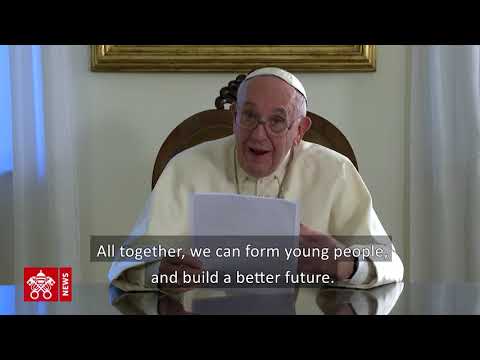
Op youtube zijn verschillende commentaren te vinden op deze speech, waarbij tussen de regels wordt gelezen.
Flashback naar 2004 en 2009 om een trend te laten zien:
Pope calls for a new world order
UN's failure to halt US war on Iraq leads to new initiative
John Hooper in Rome
Fri 2 Jan 2004 01.05 GMT
Shares
209
Pope John Paul II launched one of the most important diplomatic initiatives of his long papacy yesterday when he called for a new international order to replace the one that emerged from the second world war.
Though he did not offer a detailed plan, his words appeared to show he wanted the UN replaced in light of its failure to block the use of force by America in Iraq.
The Pope called last month for the reform of world institutions and deplored any failure to respect international law. But in a sermon during a mass at St Peter's in Rome yesterday, he went much further, referring to the UN as if it were already a part of the past.
"More than ever, we need a new international order that draws on the experience and results achieved in these years by the United Nations," he declared during a service to mark the Roman Catholic Church's World Day of Peace, celebrated on January 1.
He was flanked at the altar by two of his most senior international representatives: the secretary of state, Cardinal Angelo Sodano, and the president of the Pontifical Council for Justice and Peace, Cardinal Renato Martino, who outraged many Americans last month by expressing "pity" and "compassion" for the captured Saddam Hussein.
The congregation included the heads of all the diplomatic missions accredited to the Holy See.
In his homily, the Pope said the new world order he wanted "would be able to provide solutions to the problems of today ... based on the dignity of human beings, an integrated development of society, solidarity between rich and poor nations, and on the sharing of resources and the extraordinary results of scientific and technological progress."
The Pope believes that not enough of these goals are being achieved with the present system of international organisations that emerged in the late 40s, including the UN, the IMF and the World Bank.
But the central issue, seen from the Vatican's point of view, is the growing irrelevance of a painstakingly constructed body of international law which is being ignored by the US administration during its "war on terror".
Cardinal Martino first signalled the Pope's disquiet last month when he presented a document written by the pontiff to mark the World Day of Peace. Without naming the US, the Pope warned: "Peace and international law are closely linked to each other: law favours peace". He also pointedly observed that "democratic governments know well that the use of force against terrorists cannot justify a renunciation of the principles of the rule of law".
The Pope acknowledged that current international law was ill-suited to dealing with rebels or terrorists and called for new treaties and reform of the UN. But yesterday's appeal was for an altogether more sweeping change.
With observer status at the UN and a network of diplomats covering 174 countries, the Holy See is in a strong position to lobby for its goals.
Its concerns over US attitudes are unlikely to be assuaged by the latest statement of policy from President George Bush's secretary of state, Colin Powell. In an article for the New York Times yesterday, Mr Powell said: "President Bush's vision is clear and right: America's formidable power must continue to be deployed on behalf of principles that are simultaneously American, but that are also beyond and greater than ourselves."
Senior members of the Catholic Church of England and Wales endorsed the Pope's comments. "We welcome the words of the Vatican and fully support what the Holy See says in this," said Ollie Wilson, a spokesman for the Catholic media office.
They cast doubt however on whether he had meant to imply that the UN had had its day and should be replaced.
Peter Jennings, press secretary to the Most Reverend Vincent Nichols, Archbishop of Birmingham, said: "The Pope is a great advocate of the UN."
https://www.theguardian.c(...)catholicism.religion
Pope calls for a UN 'with teeth'
Pope Benedict XVI signs his encyclical Caritas in Veritate
It is the Pope's first encyclical on social issues
The Pope has called for reform of the United Nations and financial bodies, giving them the "real teeth" needed to tackle economic and social injustice.
Benedict XVI said the blind pursuit of profit and economic mismanagement had "wreaked havoc" on the global economy.
The market, said the Pope, must not become the place where the strong prevail over the weak.
His encyclical letter said a reformed UN should strive for disarmament, food security and environmental protection.
An encyclical letter is the highest form of papal teaching, says the BBC's David Willey in Rome.
There is urgent need of a true world political authority
Pope Benedict XVI
This letter, Caritas in Veritate, or Charity in Truth, is his third since being made Pope in 2005. It is the first to focus on social issues, and follows two on spiritual matters.
The densely argued 144-page document is the result of a two-year effort by the Pope to bring Catholic social teaching up to date on the ethical responsibilities for the global economic meltdown, says our correspondent.
Its publication comes on the eve of Wednesday's G8 meeting of world leaders at L'Aquila.
"There is a strongly felt need... for a reform of the United Nations Organisation, and likewise of economic institutions and international finance, so that the concept of the family of nations can acquire real teeth... there is urgent need of a true world political authority," the Pope wrote.
The strengthened international body should work "to bring about integral and timely disarmament, food security and peace, to guarantee the protection of the environment and to regulate migration," Benedict said.
Dangers of profit
The letter, addressed to all Catholics "and people of goodwill", reminds them of their moral duties in financial dealings.
"Profit is useful if it serves as a means toward an end," he wrote.
"Once profit becomes the exclusive goal, if it is produced by improper means and without the common good as its ultimate end, it risks destroying wealth and creating poverty."
He warned that globalisation, properly managed, could "open up the unprecedented possibility of large-scale redistribution of wealth on a world-wide scale".
But badly directed, it could "lead to an increase in poverty and inequality, and could even trigger a global crisis".
On Friday Pope Benedict will have his first meeting with President Barack Obama at the Vatican, when the new US leader will have the opportunity to exchange views with the Pope on the moral imperatives facing world leaders in 2009, our correspondent says.
Dus wat zegt de paus in wezen? Om wereldwijde problemen op te lossen is een wereldwijde autoriteit nodig die universele wetten handhaaft, en die organisatie moet de VN zijn (of een hervorming van de VN).
De problemen die de VN moet oplossen zijn onder meer: social justice, economic justice (herverdeling van welvaart), migratie, klimaat.
Ik weet niet in hoeverre jullie de Nederlandse politiek volgen en met name de inbreng van Thierry Baudet over dikastocratie, maar wat hij in wezen aankaart is dat rechters op basis van internationale verdragen nationale wetten ondermijnen. Dat is een illustratie van de realiteit van waar hier voor wordt gepleit: internationale wetten boven nationale wetten voor het 'gemeengoed' (common good).
Dat kan mooi en nobel lijken, ware het niet dat representativiteit en soevereiniteit worden ondermijnd. Terwijl dit juist garanties zijn tegen tyrannie op internationale schaal via verdragen en universele wetten waar de burger niets over te zeggen heeft. En dat is in principe de nieuwe wereldorde: een wereldautoriteit met universele wetten, maar die geen vrijheid garandeert om er niet aan mee te doen.
Op spiritueel vlak: de redding van de mens door de mens voor de mens, door middel van een geforceerde utopie via een menging van kerk en staat die universele wetgeving handhaven voor het gezamenlijke welzijn, waarbij aansluiting bij die eenheid en deelname eraan een conditie is om als iemand met 'goodwill' te worden zien. Als je er niet aan mee wilt doen omdat je je eigen visie en standpunten hebt, ben je een ketter en verdien je het niet om te leven. Gehoorzaamheid aan autoriteiten is een must, zelfs als die voor jou bepalen hoe je je leven moet leiden en wat je moet denken en geloven. Individualisme als vijand van de staat, want er moet sprake zijn van geforceerde liefde via collectivisme.
Ware het niet dat liefde geen liefde is als er geen sprake is van een vrije keuze of wil. Dus deze utopie wordt op zand en brainwashing gebouwd.
Tijdens deze pandemie zien we dat we hier al voor worden geconditioneerd: IEDEREEN moet worden geconfineerd voor het gezamenlijke goed, en als je toch naar buiten gaat word je met de nek aangekeken alsof je een crimineel bent. Dit schept ook een klimaat van buren verklikken.
Als de economie instort, zal dit nieuwe systeem van herverdeling van welvaart definitief kunnen worden ingevoerd. Met als onvermijdelijk resultaat (want de geschiedenis leert het) wijdverspreide armoede en een kleine elite die alles in handen heeft.
[ Bericht 3% gewijzigd door Ali_Kannibali op 31-03-2020 14:21:31 ]
Pope calls for a new world order
UN's failure to halt US war on Iraq leads to new initiative
John Hooper in Rome
Fri 2 Jan 2004 01.05 GMT
Shares
209
Pope John Paul II launched one of the most important diplomatic initiatives of his long papacy yesterday when he called for a new international order to replace the one that emerged from the second world war.
Though he did not offer a detailed plan, his words appeared to show he wanted the UN replaced in light of its failure to block the use of force by America in Iraq.
The Pope called last month for the reform of world institutions and deplored any failure to respect international law. But in a sermon during a mass at St Peter's in Rome yesterday, he went much further, referring to the UN as if it were already a part of the past.
"More than ever, we need a new international order that draws on the experience and results achieved in these years by the United Nations," he declared during a service to mark the Roman Catholic Church's World Day of Peace, celebrated on January 1.
He was flanked at the altar by two of his most senior international representatives: the secretary of state, Cardinal Angelo Sodano, and the president of the Pontifical Council for Justice and Peace, Cardinal Renato Martino, who outraged many Americans last month by expressing "pity" and "compassion" for the captured Saddam Hussein.
The congregation included the heads of all the diplomatic missions accredited to the Holy See.
In his homily, the Pope said the new world order he wanted "would be able to provide solutions to the problems of today ... based on the dignity of human beings, an integrated development of society, solidarity between rich and poor nations, and on the sharing of resources and the extraordinary results of scientific and technological progress."
The Pope believes that not enough of these goals are being achieved with the present system of international organisations that emerged in the late 40s, including the UN, the IMF and the World Bank.
But the central issue, seen from the Vatican's point of view, is the growing irrelevance of a painstakingly constructed body of international law which is being ignored by the US administration during its "war on terror".
Cardinal Martino first signalled the Pope's disquiet last month when he presented a document written by the pontiff to mark the World Day of Peace. Without naming the US, the Pope warned: "Peace and international law are closely linked to each other: law favours peace". He also pointedly observed that "democratic governments know well that the use of force against terrorists cannot justify a renunciation of the principles of the rule of law".
The Pope acknowledged that current international law was ill-suited to dealing with rebels or terrorists and called for new treaties and reform of the UN. But yesterday's appeal was for an altogether more sweeping change.
With observer status at the UN and a network of diplomats covering 174 countries, the Holy See is in a strong position to lobby for its goals.
Its concerns over US attitudes are unlikely to be assuaged by the latest statement of policy from President George Bush's secretary of state, Colin Powell. In an article for the New York Times yesterday, Mr Powell said: "President Bush's vision is clear and right: America's formidable power must continue to be deployed on behalf of principles that are simultaneously American, but that are also beyond and greater than ourselves."
Senior members of the Catholic Church of England and Wales endorsed the Pope's comments. "We welcome the words of the Vatican and fully support what the Holy See says in this," said Ollie Wilson, a spokesman for the Catholic media office.
They cast doubt however on whether he had meant to imply that the UN had had its day and should be replaced.
Peter Jennings, press secretary to the Most Reverend Vincent Nichols, Archbishop of Birmingham, said: "The Pope is a great advocate of the UN."
https://www.theguardian.c(...)catholicism.religion
Pope calls for a UN 'with teeth'
Pope Benedict XVI signs his encyclical Caritas in Veritate
It is the Pope's first encyclical on social issues
The Pope has called for reform of the United Nations and financial bodies, giving them the "real teeth" needed to tackle economic and social injustice.
Benedict XVI said the blind pursuit of profit and economic mismanagement had "wreaked havoc" on the global economy.
The market, said the Pope, must not become the place where the strong prevail over the weak.
His encyclical letter said a reformed UN should strive for disarmament, food security and environmental protection.
An encyclical letter is the highest form of papal teaching, says the BBC's David Willey in Rome.
There is urgent need of a true world political authority
Pope Benedict XVI
This letter, Caritas in Veritate, or Charity in Truth, is his third since being made Pope in 2005. It is the first to focus on social issues, and follows two on spiritual matters.
The densely argued 144-page document is the result of a two-year effort by the Pope to bring Catholic social teaching up to date on the ethical responsibilities for the global economic meltdown, says our correspondent.
Its publication comes on the eve of Wednesday's G8 meeting of world leaders at L'Aquila.
"There is a strongly felt need... for a reform of the United Nations Organisation, and likewise of economic institutions and international finance, so that the concept of the family of nations can acquire real teeth... there is urgent need of a true world political authority," the Pope wrote.
The strengthened international body should work "to bring about integral and timely disarmament, food security and peace, to guarantee the protection of the environment and to regulate migration," Benedict said.
Dangers of profit
The letter, addressed to all Catholics "and people of goodwill", reminds them of their moral duties in financial dealings.
"Profit is useful if it serves as a means toward an end," he wrote.
"Once profit becomes the exclusive goal, if it is produced by improper means and without the common good as its ultimate end, it risks destroying wealth and creating poverty."
He warned that globalisation, properly managed, could "open up the unprecedented possibility of large-scale redistribution of wealth on a world-wide scale".
But badly directed, it could "lead to an increase in poverty and inequality, and could even trigger a global crisis".
On Friday Pope Benedict will have his first meeting with President Barack Obama at the Vatican, when the new US leader will have the opportunity to exchange views with the Pope on the moral imperatives facing world leaders in 2009, our correspondent says.
Dus wat zegt de paus in wezen? Om wereldwijde problemen op te lossen is een wereldwijde autoriteit nodig die universele wetten handhaaft, en die organisatie moet de VN zijn (of een hervorming van de VN).
De problemen die de VN moet oplossen zijn onder meer: social justice, economic justice (herverdeling van welvaart), migratie, klimaat.
Ik weet niet in hoeverre jullie de Nederlandse politiek volgen en met name de inbreng van Thierry Baudet over dikastocratie, maar wat hij in wezen aankaart is dat rechters op basis van internationale verdragen nationale wetten ondermijnen. Dat is een illustratie van de realiteit van waar hier voor wordt gepleit: internationale wetten boven nationale wetten voor het 'gemeengoed' (common good).
Dat kan mooi en nobel lijken, ware het niet dat representativiteit en soevereiniteit worden ondermijnd. Terwijl dit juist garanties zijn tegen tyrannie op internationale schaal via verdragen en universele wetten waar de burger niets over te zeggen heeft. En dat is in principe de nieuwe wereldorde: een wereldautoriteit met universele wetten, maar die geen vrijheid garandeert om er niet aan mee te doen.
Op spiritueel vlak: de redding van de mens door de mens voor de mens, door middel van een geforceerde utopie via een menging van kerk en staat die universele wetgeving handhaven voor het gezamenlijke welzijn, waarbij aansluiting bij die eenheid en deelname eraan een conditie is om als iemand met 'goodwill' te worden zien. Als je er niet aan mee wilt doen omdat je je eigen visie en standpunten hebt, ben je een ketter en verdien je het niet om te leven. Gehoorzaamheid aan autoriteiten is een must, zelfs als die voor jou bepalen hoe je je leven moet leiden en wat je moet denken en geloven. Individualisme als vijand van de staat, want er moet sprake zijn van geforceerde liefde via collectivisme.
Ware het niet dat liefde geen liefde is als er geen sprake is van een vrije keuze of wil. Dus deze utopie wordt op zand en brainwashing gebouwd.
Tijdens deze pandemie zien we dat we hier al voor worden geconditioneerd: IEDEREEN moet worden geconfineerd voor het gezamenlijke goed, en als je toch naar buiten gaat word je met de nek aangekeken alsof je een crimineel bent. Dit schept ook een klimaat van buren verklikken.
Als de economie instort, zal dit nieuwe systeem van herverdeling van welvaart definitief kunnen worden ingevoerd. Met als onvermijdelijk resultaat (want de geschiedenis leert het) wijdverspreide armoede en een kleine elite die alles in handen heeft.
[ Bericht 3% gewijzigd door Ali_Kannibali op 31-03-2020 14:21:31 ]
Dat is precies de redenatie die jij gebruikt. Mensen valideren aan de hand van hoeveel geld ze in hun matras verstopt hebbenquote:
[..]
Dus youtuber verdient geld > niks van wat youtuber zegt kan waar zijn.
Heerlijk dit soort drogredenen.
 Komisch dat het in jouw geval maar een kant op werkt.
Ja, en dat is dus niet relevant voor enige waarheidsbevinding.quote:Weleens opgezocht wat ze voor werk doen en wat ze waard zijn?
Ach laat ook maar, ik weet het antwoord toch al.
Conscience do cost.
Nee, je snapt me niet. Wat ik probeer te zeggen is dat die mensen ook prima zonder youtube hun geld hebben verdiend en verdienen. Dus het feit dat ze youtube video's maken wil niet automatisch zeggen dat de content die ze presenteren alleen is bedoeld om geld mee te verdienen. Dus je moet de content onderzoeken, niet bij voorbaat al stellen 'ze verdienen er geld aan, dus het is niks waard'.quote:
[..]
Dat is precies de redenatie die jij gebruikt. Mensen valideren aan de hand van hoeveel geld ze in hun matras verstopt hebben
Tenzij je gelooft dat ze video's maken omdat dat hun voornaamste bron van inkomsten is. Het kan nuancering aanbrengen.quote:Ja, en dat is dus niet relevant voor enige waarheidsbevinding.
Ook deze miljardair (hij maakt dus geen youtube video's om geld te verdienen) voorspelde jaren geleden nauwkeurig wat er nu plaatsvindt.

Mijn oma was dan ook danig in de war.quote:
[..]
Inderdaad, inherent aan een crisis is dat het daarna weer opkrabbelt. Een crisis is nooit blijvenden ik denk ook dat het rond juli weer normaliseert of daarmee begint. Verder vind ik Leiden ook een kutstad, maar ik ben er niet bang voor.

Vakman pur sang


quote:
[..]
Bedankt voor deze aanvulling op het topic.
Let goed op de verwijzing naar 'mensenrechten'.
Sinds wanneer verdedigt de katholieke kerk de notie van mensenrechten? Dient de kerk niet op de eerste plaats voor Gods wet te staan, logischerwijs?
Het concept 'mensenrechten' zoals dat in de seculiere wereld en in de VN wordt gehanteerd, is voornamelijk gebaseerd op de universele verklaring van de mensenrechten geformuleerd ten tijde van de Franse Revolutie.
De Franse Revolutie was een soort communistische en atheïstische, humanistische revolutie. De verklaring van de mensenrechten werd weergegeven op 2 stenen tafelen, alsof het de nieuwe tien geboden waren.
Mensenrechten als vervanging van Gods. De wet van de nieuwe wereldorde.
De paus organiseert in mei 2020 ook een conferentie waarbij de groten der aarde worden uitgenodigd om zijn nieuwe 'onderwijsplan' te onderschrijven en te implementeren.
Dit onderwijsplan legt de nadruk op een 'nieuw humanisme' en uiteraard ook op de klimaatagenda. De klimaatagenda, net als de migratie-agenda, baseren zich op mensenrechten om te worden gerechtvaardigd, ten koste van de soevereiniteit van naties.
We zien dus dat al deze filosofische stromingen samenkomen in 1 universeel systeem en kerk en staan de handen ineenslaan om dit ook daadwerkelijk te implementeren, ten koste van individuele vrijheden en nationale soevereiniteit.
Op youtube zijn verschillende commentaren te vinden op deze speech, waarbij tussen de regels wordt gelezen.

Tuurlijk, Ali, iedereen wordt Katholiek.
Echt, word volwassen.
Omnibus in omnibus.
Ad Maiorem Dei Gloriam
Ad Maiorem Dei Gloriam
Kenmerkend ook dat types als jij steevast zaken die niet alleen bijbels geïnspireerd zijn, maar ook vanuit ethisch oogpunt gewoon wenselijk, wegzet als iets gruwelijks.
Armoede tegen willen gaan? Onderwijs willen brengen? Landen manen tot vrede? Allemaal gruwelijk en satanisch en onbijbels.
Nee, privébezit en je individualisme, dat is wat beschermd moet worden kennelijk, dat is de hele basis van de bijbel, want er is een gebod dat zegt dat je niet mag stelen.
De rest van de bijbel leg je gewoon naast je neer; al die oproepen tot barmhartigheid, solidariteit, vrede... dat is alleen goed als een individu daar voor kiest; als iemand in functie of een beweging daarvoor pleit, is het satanisch en een aanval op de soevereiniteit.
Doet me denken aan Jesaja:
Wee hun die het kwade goed noemen
en het goede kwaad;
die duisternis voorstellen als licht,
en licht als duisternis;
die bitter voorstellen als zoet
en zoet als bitter.
Er spreekt geen enkele compassie uit je tirades over soevereiniteit en privébezit, eerder een ordinair materialistisch egoïsme opgeleukt me een sausje religiositeit.
Armoede tegen willen gaan? Onderwijs willen brengen? Landen manen tot vrede? Allemaal gruwelijk en satanisch en onbijbels.
Nee, privébezit en je individualisme, dat is wat beschermd moet worden kennelijk, dat is de hele basis van de bijbel, want er is een gebod dat zegt dat je niet mag stelen.
De rest van de bijbel leg je gewoon naast je neer; al die oproepen tot barmhartigheid, solidariteit, vrede... dat is alleen goed als een individu daar voor kiest; als iemand in functie of een beweging daarvoor pleit, is het satanisch en een aanval op de soevereiniteit.
Doet me denken aan Jesaja:
Wee hun die het kwade goed noemen
en het goede kwaad;
die duisternis voorstellen als licht,
en licht als duisternis;
die bitter voorstellen als zoet
en zoet als bitter.
Er spreekt geen enkele compassie uit je tirades over soevereiniteit en privébezit, eerder een ordinair materialistisch egoïsme opgeleukt me een sausje religiositeit.
Omnibus in omnibus.
Ad Maiorem Dei Gloriam
Ad Maiorem Dei Gloriam
Je begrijpt werkelijk helemaal niets van wat ik probeer te zeggen vrees ik. Dat spijt me, ik leg het vast niet goed genoeg uit.quote:
Kenmerkend ook dat types als jij steevast zaken die niet alleen bijbels geïnspireerd zijn, maar ook vanuit ethisch oogpunt gewoon wenselijk, wegzet als iets gruwelijks.
Armoede tegen willen gaan? Onderwijs willen brengen? Landen manen tot vrede? Allemaal gruwelijk en satanisch en onbijbels.
Nee, privébezit en je individualisme, dat is wat beschermd moet worden kennelijk, dat is de hele basis van de bijbel, want er is een gebod dat zegt dat je niet mag stelen.
De rest van de bijbel leg je gewoon naast je neer; al die oproepen tot barmhartigheid, solidariteit, vrede... dat is alleen goed als een individu daar voor kiest; als iemand in functie of een beweging daarvoor pleit, is het satanisch en een aanval op de soevereiniteit.
Doet me denken aan Jesaja:
Wee hun die het kwade goed noemen
en het goede kwaad;
die duisternis voorstellen als licht,
en licht als duisternis;
die bitter voorstellen als zoet
en zoet als bitter.
Er spreekt geen enkele compassie uit je tirades over soevereiniteit en privébezit, eerder een ordinair materialistisch egoïsme opgeleukt me een sausje religiositeit.
De katholieke kerk doet natuurlijk ook allerlei goede dingen. Zoals weeskinderen onder hun hoede nemen enzo. Geld niet investeren in enorme gebouwen en met goud en edelstenen beklede mijters en kronen, maar voor de armen zorgen.
Het is natuurlijk maar net welke bril je opzet.
Klopt als een bus; al eeuwen legt de Katholieke Kerk zich toe op de zorg voor de zwaksten. Goed gezien. Want i.t.t. de protestanten en aanverwanten legt de Katholieke (en Orthodoxe) kerk al vanaf het begin de nadruk op DADEN, niet slechts een mondgeloof. Getuige de woorden van Christus: "Barmhartigheid wil ik, en geen offer" (Matt. 9,13 - Hosea 6,6), en de woorden van de apostel Jakobus indachtig: "Geloof zonder werken is dood" (Jakobus 2,14-26).quote:
[..]
Je begrijpt werkelijk helemaal niets van wat ik probeer te zeggen vrees ik. Dat spijt me, ik leg het vast niet goed genoeg uit.
De katholieke kerk doet natuurlijk ook allerlei goede dingen. Zoals weeskinderen onder hun hoede nemen enzo. Geld niet investeren in enorme gebouwen en met goud en edelstenen beklede mijters en kronen, maar voor de armen zorgen.
Het is natuurlijk maar net welke bril je opzet.
Dat de Katholieke Kerk verder een rijkelijk versierd gebouw is, en dat je daar weer je afgrijzen over uitspreekt, getuigt weer van je complete gebrek aan kennis m.b.t. de Katholieke Leer. Of je het nu afwijst of niet - dat is volstrekt irrelevant, net als je 'idee' dat wij tot beelden en de doden bidden - de Katholieke en Orthodoxe kerken, je weet wel, de oudste christelijke kerken ter wereld, leren al vanaf het begin van hun bestaan dat God zelf in de hostie aanwezig is (is verder geen middeleeuwse pauselijke uitvinding ofzo, gaat al terug tot de 1e eeuwse christelijke martelaar Justinus), en dat het huis waarin God verblijft, de kerk, derhalve niet zomaar een gebouw is maar waarlijk een Tempel Gods (Domus Dei); en het schoonste van het schoonste dient in het teken te staan van die aanwezigheid.
Maar goed, het bekt wat lekkerder om dit te verpakken als 'pronkerig naar buiten laten zien hoe machtig we zijn hurdur...'
Je gebrek aan kennis is niet alleen schrijnend, het begint irritant te worden.
Maar goed, alles om je grote-boze-jezuïeten waan in stand te houden uiteraard.
Omnibus in omnibus.
Ad Maiorem Dei Gloriam
Ad Maiorem Dei Gloriam
Mijn oma ook goed advies over handen wassen had.quote:
[..]
Mijn oma was dan ook danig in de war.
(en hypotheken)
In the new 'reality' we will be living in,nothing will be real and everything will be true-David A.McGowan
Why do some people not credit the origin of the quotes they use under their posts?- Tingo
Why do some people not credit the origin of the quotes they use under their posts?- Tingo
Etto, het vaticaan is de derde grootgrondbezitter ter wereld.quote:
[..]
Klopt als een bus; al eeuwen legt de Katholieke Kerk zich toe op de zorg voor de zwaksten. Goed gezien.
Dat de Katholieke Kerk verder een rijkelijk versierd gebouw is, en dat je daar weer je afgrijzen over uitspreekt, getuigt weer van je complete gebrek aan kennis m.b.t. de Katholieke Leer. Of je het nu afwijst of niet - dat is volstrekt irrelevant, net als je 'idee' dat wij tot beelden en de doden bidden - de Katholieke en Orthodoxe kerken, je weet wel, de oudste christelijke kerken ter wereld, leren al vanaf het begin van hun bestaan dat God zelf in de hostie aanwezig is (is verder geen middeleeuwse pauselijke uitvinding ofzo, gaat al terug tot de 1e eeuwse christelijke martelaar Justinus), en dat het huis waarin God verblijft, de kerk, derhalve niet zomaar een gebouw is maar waarlijk een Tempel Gods (Domus Dei); en het schoonste van het schoonste dient in het teken te staan van die aanwezigheid.
Maar goed, het bekt wat lekkerder om dit te verpakken als 'pronkerig naar buiten laten zien hoe machtig we zijn hurdur...'
Je gebrek aan kennis is niet alleen schrijnend, het begint irritant te worden.
Maar goed, alles om je grote-boze-jezuïeten waan in stand te houden uiteraard.
De waarde van de schatten van het vaticaan is waarschijnlijk niet eens in geld uit te drukken. Laatst nog in Portugal geweest, daar stond een monstrans van goud en edelstenen die omgerekend zo'n miljoen euro waard was. En dat is in 1 kerk, 1 object. Het is een grof schandaal dat een kerk zou kunnen pretenderen dat dit gerechtvaardigd is. En dan kom je mij de les lezen als het recht op privé-eigendommen van normale mensen verdedig, omdat het anders simpelweg slaven zouden zijn.
Natuurlijk is overal wel een of ander theologisch excuus voor. Dat wil niet zeggen dat wat er gedaan wordt ook daadwerkelijk goed of gerechtvaardigd is.
Oppervlakkig gezien lijken die concepten 'solidariteit', 'eenheid' en dergelijke hartstikke mooi. Propaganda stelt alles altijd mooier voor dan het is.
Het enige wat er ontbreekt in deze utopie, is het woord 'vrijheid'.
En jij weet net zo goed als ik dat vrijheid geen waarde is die de katholieke kerk hoog in het vaandel heeft staan.
Oh ja, de 'rijkdom van het Vaticaan':quote:
[..]
Etto, het vaticaan is de derde grootgrondbezitter ter wereld.
De waarde van de schatten van het vaticaan is waarschijnlijk niet eens in geld uit te drukken.
Natuurlijk is overal wel een of ander theologisch excuus voor. Dat wil niet zeggen dat wat er gedaan wordt ook daadwerkelijk goed of gerechtvaardigd is.
Oppervlakkig gezien lijken die concepten 'solidariteit', 'eenheid' en dergelijke hartstikke mooi. Propaganda stelt alles altijd mooier voor dan het is.
Het enige wat er ontbreekt in deze utopie, is het woord 'vrijheid'.
En jij weet net zo goed als ik dat vrijheid geen waarde is die de katholieke kerk hoog in het vaandel heeft staan.
https://d2y1pz2y630308.cl(...)ts/myth%209-9-12.pdf
Doe je eigenlijk überhaupt ooit research of braak je gewoon je bij elkaar geraapte internetsamenzweringsmeuk uit?
Omnibus in omnibus.
Ad Maiorem Dei Gloriam
Ad Maiorem Dei Gloriam
"Theologisch excuus"...quote:
[..]
Etto, het vaticaan is de derde grootgrondbezitter ter wereld.
De waarde van de schatten van het vaticaan is waarschijnlijk niet eens in geld uit te drukken. Laatst nog in Portugal geweest, daar stond een monstrans van goud en edelstenen die omgerekend zo'n miljoen euro waard was. En dat is in 1 kerk, 1 object. Het is een grof schandaal dat een kerk zou kunnen pretenderen dat dit gerechtvaardigd is. En dan kom je mij de les lezen als het recht op privé-eigendommen van normale mensen verdedig, omdat het anders simpelweg slaven zouden zijn.
Natuurlijk is overal wel een of ander theologisch excuus voor. Dat wil niet zeggen dat wat er gedaan wordt ook daadwerkelijk goed of gerechtvaardigd is.
Oppervlakkig gezien lijken die concepten 'solidariteit', 'eenheid' en dergelijke hartstikke mooi. Propaganda stelt alles altijd mooier voor dan het is.
Het enige wat er ontbreekt in deze utopie, is het woord 'vrijheid'.
En jij weet net zo goed als ik dat vrijheid geen waarde is die de katholieke kerk hoog in het vaandel heeft staan.
Precies, zoals de gehele sociale leer van Christus negeren ten faveure van je vrije markt afgoderij.
Omnibus in omnibus.
Ad Maiorem Dei Gloriam
Ad Maiorem Dei Gloriam
Geloof je dit echt?quote:
[..]
Oh ja, de 'rijkdom van het Vaticaan':
https://d2y1pz2y630308.cl(...)ts/myth%209-9-12.pdf
Doe je eigenlijk überhaupt ooit research of braak je gewoon je bij elkaar geraapte internetsamenzweringsmeuk uit?
Ben je echt zo naief?
Zegt iemand die een kerk verdedigt die de 3e grootgrondbezitter ter wereld is.quote:
[..]
"Theologisch excuus"...
Precies, zoals de gehele sociale leer van Christus negeren ten faveure van je vrije markt afgoderij.
Hoeveel is die grond omgerekend waard denk je?
Waarom mag de kerk wel grond bezitten, maar de simpele boerenpummel niet?
Ik geloof niet dat dit jouw plaats is, om zo'n vraag te stellen.quote:
[..]
Geloof je dit echt?
Ben je echt zo naief?
Heb je niet nog een youtube-filmpje waarin de gigantische rijkdom van het Vaticaan wordt getoond?
Naïef... dat van iemand die werkelijk gelooft dat de paus ook nog maar enige zeggingskracht heeft op het globale, politieke terrein, laat staan dat uitgerekend de paus aan het hoofd zou staan van een toekomstig wereldrijk.
Omnibus in omnibus.
Ad Maiorem Dei Gloriam
Ad Maiorem Dei Gloriam
... en wat doen ze met al dat geld, Ali? Allemaal oppotten?quote:
[..]
Zegt iemand die een kerk verdedigt die de 3e grootgrondbezitter ter wereld is.
Hoeveel is die grond omgerekend waard denk je?
Waarom mag de kerk wel grond bezitten, maar de simpele boerenpummel niet?
Verder: van wíe precies is dat geld, Ali? De paus?
Omnibus in omnibus.
Ad Maiorem Dei Gloriam
Ad Maiorem Dei Gloriam
