NWS Nieuws & Achtergronden
Discussieer hier diepgaander over de actualiteiten.



Ooh? Dit is toch gewoon een landingsplaats op zee die mbv scheepsschroeven op zn plaats blijft? De landingsplaats is exact te bepalen. De platforms op t land schuiven ze ook niet op t laatste moment onder de raket.quote:Op zondag 11 maart 2018 14:21 schreef Jonmen het volgende:
[..]
Blijkbaar ligt het schip altijd naast de precieze locatie, en stuurt deze zijn eigen altijd pas tegen het einde onder de raket. Als alle tekenen wijzen op een goede landing.
Dat is deze keer niet gebeurt.
Al een geluk, want de raket ging tegen 340 - 400km/uur naar beneden

Op maandag 9 oktober 2023 13:31 schreef Nova het volgende:[/b]
Oh schatje, wat lief van je om dat te zeggen! Jij bent echt een prins op het witte paard voor mij. Met jou voel ik me zo geliefd en speciaal. Laten we nog lang samen genieten van sprookjesachtige avonturen en elkaar verwennen met veel knuffels en kusjes. O+ naar jou, mijn lieve prins! :*
Oh schatje, wat lief van je om dat te zeggen! Jij bent echt een prins op het witte paard voor mij. Met jou voel ik me zo geliefd en speciaal. Laten we nog lang samen genieten van sprookjesachtige avonturen en elkaar verwennen met veel knuffels en kusjes. O+ naar jou, mijn lieve prins! :*


Ik maar denken dat de roadster een heel eind uit onze baan was gegaan na de foto's. Of weet ik meer dan de hoge bonzen van de ESA?quote:Op woensdag 7 maart 2018 23:33 schreef Nikonlover het volgende:
ESAtwitter:pbdes twitterde op woensdag 07-03-2018 om 10:52:55 Not laughing: @esa chief @janwoerner isn't only European who thinks @SpaceX Falcon Heavy Starman roadster-in-orbit headlines should have read: SpaceX Voluntarily Creates Orbital Debris. reageer retweet
 Not laughing: @
Gebeurd automatisch. Er zit niemand aan een joystick.quote:
Ik denk dat ze wel door hadden dat ie het niet ging redden, en m er daarom op het laatste moment net naast hebben gestuurd

quote:Mars-raket SpaceX begin 2019 klaar voor testvluchten
paceX, het ruimtevaartbedrijf van Elon Musk, verwacht dat het begin volgend jaar zijn Mars-raket kan gaan testen.
Musk laat zondag op de conferentie SXSW in Austin weten dat de eerste raket die mensen naar Mars moet kunnen brengen momenteel gebouwd wordt: "We vorderen gestaag."
De raket moet begin 2019 gereed zijn voor eerste testvluchten. "Ik denk dat we korte vluchten heen en weer ergens in de eerste helft van volgend jaar moeten kunnen uitvoeren."
Tijdens deze eerste vluchten is nog niemand in de raket aanwezig, maar uiteindelijk moet deze raket wel mensen naar Mars brengen. Tijdens de eerste testvluchten vliegt de raket ook nog niet naar Mars.
Eerder voorspelde Musk dat in 2022 voor het eerst een vlucht naar Mars moet plaatsvinden. Op die datum ging de SpaceX-oprichter zondag niet verder in.
Kosten
Hoeveel het gaat kosten om naar Mars te reizen is nog niet bekend, maar volgens Musk moet een vlucht minder gaan kosten dan een vlucht met de Falcon 1, de eerste raket van de Falcon-reeks. Die vlucht kostte tussen de 5 en 6 miljoen dollar.
De raket heeft de codenaam BFR en is vele malen groter dan de Falcon Heavy-raket die in februari succesvol gelanceerd werd en de krachtigste operationele raket ooit is.

Geld maakt meer kapot dan je lief is.
Het zijn sterke ruggen die vrijheid en weelde kunnen dragen
Het zijn sterke ruggen die vrijheid en weelde kunnen dragen
Bij een testvlucht moeten we eerder denken aan zoiets als de Grasshopper. Tenminste, wat ik begrijp uit het filmpje.quote:

Op maandag 9 oktober 2023 13:31 schreef Nova het volgende:[/b]
Oh schatje, wat lief van je om dat te zeggen! Jij bent echt een prins op het witte paard voor mij. Met jou voel ik me zo geliefd en speciaal. Laten we nog lang samen genieten van sprookjesachtige avonturen en elkaar verwennen met veel knuffels en kusjes. O+ naar jou, mijn lieve prins! :*
Oh schatje, wat lief van je om dat te zeggen! Jij bent echt een prins op het witte paard voor mij. Met jou voel ik me zo geliefd en speciaal. Laten we nog lang samen genieten van sprookjesachtige avonturen en elkaar verwennen met veel knuffels en kusjes. O+ naar jou, mijn lieve prins! :*
Afwasser:quote:
Ik zou zo graag voor SpaceX werken. Al is het maar in de kantine..
http://www.spacex.com/careers/position/213361
Bediening:
http://www.spacex.com/careers/position/214518
Barista:
http://www.spacex.com/careers/position/215349
Kok:
http://www.spacex.com/careers/position/214344

Op maandag 9 oktober 2023 13:31 schreef Nova het volgende:[/b]
Oh schatje, wat lief van je om dat te zeggen! Jij bent echt een prins op het witte paard voor mij. Met jou voel ik me zo geliefd en speciaal. Laten we nog lang samen genieten van sprookjesachtige avonturen en elkaar verwennen met veel knuffels en kusjes. O+ naar jou, mijn lieve prins! :*
Oh schatje, wat lief van je om dat te zeggen! Jij bent echt een prins op het witte paard voor mij. Met jou voel ik me zo geliefd en speciaal. Laten we nog lang samen genieten van sprookjesachtige avonturen en elkaar verwennen met veel knuffels en kusjes. O+ naar jou, mijn lieve prins! :*
Op maandag 9 oktober 2023 13:31 schreef Nova het volgende:[/b]
Oh schatje, wat lief van je om dat te zeggen! Jij bent echt een prins op het witte paard voor mij. Met jou voel ik me zo geliefd en speciaal. Laten we nog lang samen genieten van sprookjesachtige avonturen en elkaar verwennen met veel knuffels en kusjes. O+ naar jou, mijn lieve prins! :*
Oh schatje, wat lief van je om dat te zeggen! Jij bent echt een prins op het witte paard voor mij. Met jou voel ik me zo geliefd en speciaal. Laten we nog lang samen genieten van sprookjesachtige avonturen en elkaar verwennen met veel knuffels en kusjes. O+ naar jou, mijn lieve prins! :*
Het volgende uit het artikel is ook onzin. 2019 hoopt Musk te beginnen met testlanceringen/landingen met BFR. Marslancering zal op zijn vroegst 2022 plaatsvinden maar waarschijnlijker 2024.quote:
https://www.hln.be/wetens(...)bij-oorlog~aeda3e98/
Wat een onzin artikel. Big Fucking Rocket
quote:Als alles volgens plan verloopt, zal de BFR voor het eerst in 2019 vertrekken richting Mars.
Geld maakt meer kapot dan je lief is.
Het zijn sterke ruggen die vrijheid en weelde kunnen dragen
Het zijn sterke ruggen die vrijheid en weelde kunnen dragen

Aardig groot apparaat wel hoor:quote:
https://www.hln.be/wetens(...)bij-oorlog~aeda3e98/
Wat een onzin artikel. Big Fucking Rocket

"Light thinks it travels faster than anything. It doesn't. For wherever light travels it finds darkness has got there first and is waiting for it."
Als je ziet hoeveel onzin er overal wordt gepost..quote:
https://www.hln.be/wetens(...)bij-oorlog~aeda3e98/
Wat een onzin artikel. Big Fucking Rocket
Al die mensen die ook nog eens niet inzien waarom het gedaan wordt en waarom de FH uniek was. Er is zoveel onwetendheid.
Ik sprak afgelopen week iemand van ~60j die gewoon niet geloofd dat we (meerdere keren) op de maan zijn geland. Echt schokkend.
Dat het een grote machine is, daar ben ik het wel mee eensquote:Op maandag 12 maart 2018 08:57 schreef Ener-G het volgende:
[..]
Aardig groot apparaat wel hoor:
[ afbeelding ]
Maar om met dit soort termen te gaan gooien gaat mij iets te ver. De ASDS heet ook niet Read The Fucking Manual
Op maandag 9 oktober 2023 13:31 schreef Nova het volgende:[/b]
Oh schatje, wat lief van je om dat te zeggen! Jij bent echt een prins op het witte paard voor mij. Met jou voel ik me zo geliefd en speciaal. Laten we nog lang samen genieten van sprookjesachtige avonturen en elkaar verwennen met veel knuffels en kusjes. O+ naar jou, mijn lieve prins! :*
Oh schatje, wat lief van je om dat te zeggen! Jij bent echt een prins op het witte paard voor mij. Met jou voel ik me zo geliefd en speciaal. Laten we nog lang samen genieten van sprookjesachtige avonturen en elkaar verwennen met veel knuffels en kusjes. O+ naar jou, mijn lieve prins! :*
Dat is omdat ze vernoemd zijn naar de gelijknamige ruimteschepen in boeken van sci fi schrijver Iain M. Banks.quote:
[..]
Dat het een grote machine is, daar ben ik het wel mee eens
"Light thinks it travels faster than anything. It doesn't. For wherever light travels it finds darkness has got there first and is waiting for it."
Door dit soort onzin berichten worden mensen juist onwetender, helaas.quote:
[..]
Als je ziet hoeveel onzin er overal wordt gepost..
Al die mensen die ook nog eens niet inzien waarom het gedaan wordt en waarom de FH uniek was. Er is zoveel onwetendheid.
Ik sprak afgelopen week iemand van ~60j die gewoon niet geloofd dat we (meerdere keren) op de maan zijn geland. Echt schokkend.
Wat de FH betreft, mensen snappen er geen snars van inderdaad. Verder dan "een rijke vent schiet zn auto de ruimte in" gaat het niet
 En dat terwijl de dit een zeer belangrijke stap is in de ruimtevaart. Govert Schilling had dit mooi kunnen verduidelijken bij RTL LN. Hij heeft het goed geprobeerd maar in dat programma willen ze alles zo populair mogelijk
Niet geloven dat de maanlandingen hebben plaatsgevonden? WTF

Op maandag 9 oktober 2023 13:31 schreef Nova het volgende:[/b]
Oh schatje, wat lief van je om dat te zeggen! Jij bent echt een prins op het witte paard voor mij. Met jou voel ik me zo geliefd en speciaal. Laten we nog lang samen genieten van sprookjesachtige avonturen en elkaar verwennen met veel knuffels en kusjes. O+ naar jou, mijn lieve prins! :*
Oh schatje, wat lief van je om dat te zeggen! Jij bent echt een prins op het witte paard voor mij. Met jou voel ik me zo geliefd en speciaal. Laten we nog lang samen genieten van sprookjesachtige avonturen en elkaar verwennen met veel knuffels en kusjes. O+ naar jou, mijn lieve prins! :*

Hou op, hou op....
Ik heb twee collega's van rond de 30 die beide niet geloven dat dit daadwerkelijk heeft plaatsgevonden.
En ze geloven ook niet dat de tesla nu echt in de ruimte is. "Dat kan niet, want de verf is er niet af".
"Blablabla.." en boos op Elon Musk omdat hij er een grap over maakte tijdens de persconferentie.
En dat ze die fout hebben gemaakt tijdens de livefeed van de FH. "Dat is wel erg verdacht".
Owja en de aarde is plat.....
Ik heb twee collega's van rond de 30 die beide niet geloven dat dit daadwerkelijk heeft plaatsgevonden.
En ze geloven ook niet dat de tesla nu echt in de ruimte is. "Dat kan niet, want de verf is er niet af".
"Blablabla.." en boos op Elon Musk omdat hij er een grap over maakte tijdens de persconferentie.
En dat ze die fout hebben gemaakt tijdens de livefeed van de FH. "Dat is wel erg verdacht".
Owja en de aarde is plat.....

Vaste kost in BNWquote:Op maandag 12 maart 2018 11:05 schreef naiipajiiau het volgende:
Hou op, hou op....
Ik heb twee collega's van rond de 30 die beide niet geloven dat dit daadwerkelijk heeft plaatsgevonden.
En ze geloven ook niet dat de tesla nu echt in de ruimte is. "Dat kan niet, want de verf is er niet af".
"Blablabla.." en boos op Elon Musk omdat hij er een grap over maakte tijdens de persconferentie.
En dat ze die fout hebben gemaakt tijdens de livefeed van de FH. "Dat is wel erg verdacht".
Owja en de aarde is plat.....

Egregious professor of Cruel and Unusual Geography
Onikaan ni ov dovah
Onikaan ni ov dovah
Alu hoedje op. Ze lezen zeker ook Niburu?quote:
Hou op, hou op....
Ik heb twee collega's van rond de 30 die beide niet geloven dat dit daadwerkelijk heeft plaatsgevonden.
En ze geloven ook niet dat de tesla nu echt in de ruimte is. "Dat kan niet, want de verf is er niet af".
"Blablabla.." en boos op Elon Musk omdat hij er een grap over maakte tijdens de persconferentie.
En dat ze die fout hebben gemaakt tijdens de livefeed van de FH. "Dat is wel erg verdacht".
Owja en de aarde is plat.....
Op maandag 9 oktober 2023 13:31 schreef Nova het volgende:[/b]
Oh schatje, wat lief van je om dat te zeggen! Jij bent echt een prins op het witte paard voor mij. Met jou voel ik me zo geliefd en speciaal. Laten we nog lang samen genieten van sprookjesachtige avonturen en elkaar verwennen met veel knuffels en kusjes. O+ naar jou, mijn lieve prins! :*
Oh schatje, wat lief van je om dat te zeggen! Jij bent echt een prins op het witte paard voor mij. Met jou voel ik me zo geliefd en speciaal. Laten we nog lang samen genieten van sprookjesachtige avonturen en elkaar verwennen met veel knuffels en kusjes. O+ naar jou, mijn lieve prins! :*
Geen idee. Maar ze geloven in allerlei conspiracy's. En gaan dan vervolgens heel het internet afspeuren om er "onderbouwing" voor te vinden, wat natuurlijk altijd lukt omdat er meer gekkies zijn. Het maakt niet uit wat je wil geloven er is altijd wel een theorie voor te vinden. Maar dat maakt het nog steeds geen waarheid. Het lijkt wel bijna een trend om ineens iets anders te roepen dan wat de rest doet en overal tegen in te gaan. Ik zie het steeds meer in mijn omgeving en ik vraag me af waarom.quote:
[..]
Alu hoedje op. Ze lezen zeker ook Niburu?
Op een familie verjaardag paar maanden terug begon mijn eigen vader er zelfs over "de maan bestaat niet echt maar is een symbool en de aarde is plat". Ok, dat was na een paar bier en misschien niet compleet serieus. Maar ook hij heeft dus collega's die dit serieus geloven. En tijdens elke lunchpauze hele samenvattingen van dubieuze Youtube video's lopen te spuien...
quote:NASA’s IRT publishes report on SpaceX’s CRS-7 failure
On Monday, NASA’s Independent Review Team (IRT) published the first public report on the SpaceX CRS-7 failure. The accident occurred on June 28th, 2015 when a Falcon 9 rocket’s second stage experienced an over-pressurization event during first stage ascent. The incident led to a launch vehicle failure approximately two minutes and nineteen seconds into flight. SpaceX blamed the accident on a manufacturing defect involving a steel strut. However, the IRT report blames a design error on SpaceX’s behalf.
Through NASA’s Commercial Resupply Services (CRS) program, SpaceX is contracted to resupply the International Space Station using its Falcon 9 rocket and Dragon spacecraft.
CRS-7 was the nineteenth flight of the Falcon 9 and the first to have a catastrophic anomaly.
At approximately 14:21 UTC on June 28th, 2015 the Falcon 9 lifted off from Space Launch Complex 40 (SLC-40) at Cape Canaveral Air Force Station. For the first two minutes of flight, everything appeared nominal, and there were no indications of any problems.
Then, at approximately T+2:19 into first stage flight gas was seen coming out of the second stage. Within milliseconds the vehicle begins to disintegrate and telemetry was lost.
However, the Dragon capsule which was mounted on top of the rocket detached during the anomaly and remained intact. It continued to report telemetry until it crashed into the ocean.
Due to Dragon surviving the launch vehicle breakup, additional software coding was added to future Dragons – according to Elon Musk – to allow them to deploy their chutes and potentially survive such an incident.
According to the IRT report published by NASA, immediately after the incident “SpaceX established an Accident Investigation Team (AIT) in accordance with its own, FAA approved contingency response plan, and consistent and compliant with the NASA Contingency Action Plan.”
Additionally, on July 2nd, 2015, “the NASA Associate Administrator for Human Exploration and Operations designated the Launch Services Program (LSP) to be the coordinating Program within NASA to interface with the SpX CRS-7 accident investigation. The LSP would provide the required insight for the three directorate programs that interface with SpaceX for its launch services: the LSP, the Commercial Crew Program and the ISS Program.”
Then, on August 3rd, 2015 the LSP was designated as NASA’s IRT for the investigation. The IRT was given the following key objectives:
◾Independently determine the cause of the failure
◾Ensure the proper corrective measures are taken
◾“Validate the SpaceX AIT efforts”
◾“Inform the Agency’s risk posture in order to support SpaceX’s return-to-flight activities.”
◾Make recommendations to enhance reliability
After spending thousands of hours analyzing the over 3,000 telemetry channels, SpaceX published its initial findings on July 20th, 2015. It noted that the anomaly occurred very quickly with only 0.893 seconds passing between the first sign of an issue and loss of telemetry.
Ultimately, the SpaceX report blamed the failure on a faulty steel strut.
The report stated, “the strut that we believe failed was designed and material certified to handle 10,000 lbs of force, but failed at 2,000 lbs, a five-fold difference. Detailed close-out photos of stage construction show no visible flaws or damage of any kind.”
As a result of the strut failure, “the helium system integrity was breached. This caused a high pressure event inside the second stage within less than one second, and the stage was no longer able to maintain its structural integrity.”
To correct the anomaly, SpaceX promised to no longer use that type of strut for flight applications. Additionally, a full review of Falcon 9’s hardware would be conducted to ensure reliability.
While this report from SpaceX was preliminary, in the years following SpaceX never publicly changed their position. The contents of the IRT report confirm that SpaceX’s AIT analysis concluded that a faulty strut was to blame.
According to the IRT report, the SpaceX AIT found that “a helium filled composite overwrapped pressure vessel (COPV) within the Stage 2 LOx tank had become liberated” due to a strut failing. As a result, the COPV “hit the LOx tank dome causing it to rupture.”
The IRT’s own independent investigation into the accident “came to the conclusion that all but the Stage 2 Fault Tree block could be closed.”
In addition, “the IRT determined that the direct (or proximate) cause of the Falcon 9 launch vehicle failure was the rupture of the Stage 2 LOx tank.” This matched the findings of the AIT report.
Therefore, the next step in the IRT investigation was to confirm that a dislodged COPV was, in fact, the cause of the LOx tank rupture.
To do so, the IRT investigated two alternatives that could have caused the LOx tank to rupture while still matching the telemetry indications.
The first alternative involved RP-1 leaking into the casing of the LOx transfer tube. The transfer tube is used to transport liquid oxygen from the LOx tank to the Merlin MVac engine. To do so, it has to travel through the RP-1 tank.
In this scenario, the leaking RP-1 would warm the liquid oxygen “causing it to spew or geyser.” However, this theory was eventually dismissed.
The second alternative was similar to the first. Only this time, the LOx leaked into the casing of the transfer tube. As a result, thermal energy would be transferred to the RP-1 surrounding the transfer tube potentially causing a failure. In the end, this alternative was ruled out, as testing at NASA’s Marshall Space Flight Center showed that the amount of thermal energy available would be insufficient.
With the two alternatives ruled out and the IRT being able to account for all but nine of the 115 major telemetry indications, they were able to reach a conclusion.
The IRT determined that it was “credible” that a COPV was “liberated” due to a strut failing and thus rupturing the Stage 2 LOx tank. Therefore, the IRT’s assessment of the “direct and immediate causes” of the anomaly aligned with SpaceX AIT’s assessment.
However, the IRT did not agree with SpaceX on the “initiating cause.”
SpaceX AIT blamed a manufacturing defect for the failure. The IRT agreed that a manufacturing defect could have been involved, but noted that there were other potential strut related failures that were “credible” including an installation failure.
Regardless, the IRT had a significant problem with the grade of strut that SpaceX chose. The report stated, “the key technical finding by the IRT with regard to this failure was that it was due to a design error: SpaceX chose to use an industrial grade (as opposed to aerospace grade) 17-4 PH SS (precipitation-hardening stainless steel) cast part in a critical load path under cryogenic conditions and strenuous flight environments.”
It went on to add, “the implementation was done without adequate screening or testing of the industrial grade part, without regard to the manufacturer’s recommendations for a 4:1 factor of safety when using their industrial grade part in an application, and without proper modeling or adequate load testing of the part under predicted flight conditions. This design error is directly related to the Falcon 9 CRS-7 launch failure as a ‘credible’ cause.”
In simpler terms, the steel strut that SpaceX chose was not certified to be used in such conditions. Furthermore, SpaceX did not meet the 4:1 redundancy requirement that the manufacturer had instructed.
Therefore, the IRT recommended that SpaceX applied greater care when certifying commercially sourced parts for flight.
Interestingly, the IRT also discovered another area of concern not directly related to the accident that arose during the investigation.
The report found that the telemetry architecture on the upcoming “Full Thrust” version of the Falcon 9 included a new method of handling packets that increased latency, and thus vital data could have been lost in the event of a similar anomaly.
The IRT report finished by noting that all of the key findings in the report were addressed by SpaceX in time for the successful Jason-3 mission for NASA.
However, that launch utilized a Falcon 9 version 1.1 vehicle. The “Full Thrust” variant is version 1.2, so it remains unclear if the telemetry issue has been resolved.
That being said, in January of this year the Falcon 9 Full Thrust received certification to launch Category 2 NASA missions. Category 2 certification allows Falcon 9 to fly medium value NASA payloads. Such certification would not have been warranted if NASA did not have significant confidence in the Falcon 9 launch vehicle.
Following the CRS-7 investigation, SpaceX returned to flight just six months later with the successful launch of OG2 Mission 2. The now historic launch featured the first ever successful landing of a Falcon 9 first stage.
Falcon 9 went on to perform eight more successful missions before encountering another setback. On September 1st, 2016, a rocket exploded on the SLC-40 launch pad just minutes before a planned static fire test. The anomaly resulted in the loss of the AMOS-6 communications satellite.
Although the AMOS-6 anomaly also involved a COPV, a steel strut was not the cause. Instead, the accident was blamed on solidified oxygen forming in the LOx tank near the COPV.
Following that incident, SpaceX changed its fueling procedures.
The company has since performed 24 successful launches of its Falcon 9 and Falcon Heavy launch vehicles.
Additionally, next month, a Falcon 9 Block V will launch for the first time carrying the Bangabandhu communications satellite. Block V features numerous upgrades including redesigned COPVs in order to increase reliability.
https://www.nasaspaceflig(...)ishes-crs-7-failure/


Op maandag 9 oktober 2023 13:31 schreef Nova het volgende:[/b]
Oh schatje, wat lief van je om dat te zeggen! Jij bent echt een prins op het witte paard voor mij. Met jou voel ik me zo geliefd en speciaal. Laten we nog lang samen genieten van sprookjesachtige avonturen en elkaar verwennen met veel knuffels en kusjes. O+ naar jou, mijn lieve prins! :*
Oh schatje, wat lief van je om dat te zeggen! Jij bent echt een prins op het witte paard voor mij. Met jou voel ik me zo geliefd en speciaal. Laten we nog lang samen genieten van sprookjesachtige avonturen en elkaar verwennen met veel knuffels en kusjes. O+ naar jou, mijn lieve prins! :*
twitter:nextspaceflight twitterde op woensdag 21-03-2018 om 21:25:06 A #Falcon9 core left Hawthorne last night. It was most likely B1047 (the second Block V), but there is also a small chance that it was a refurbished core heading to Vandenberg.https://t.co/REDnCtzSYr reageer retweet
 A
A
Op maandag 9 oktober 2023 13:31 schreef Nova het volgende:[/b]
Oh schatje, wat lief van je om dat te zeggen! Jij bent echt een prins op het witte paard voor mij. Met jou voel ik me zo geliefd en speciaal. Laten we nog lang samen genieten van sprookjesachtige avonturen en elkaar verwennen met veel knuffels en kusjes. O+ naar jou, mijn lieve prins! :*
Oh schatje, wat lief van je om dat te zeggen! Jij bent echt een prins op het witte paard voor mij. Met jou voel ik me zo geliefd en speciaal. Laten we nog lang samen genieten van sprookjesachtige avonturen en elkaar verwennen met veel knuffels en kusjes. O+ naar jou, mijn lieve prins! :*
Ik merk het ook; en er is gewoon erg weinig algemene kennis. Ook de 'er is een Youtube filmpje van' dus is het waar-methode wordt heel vaak toegepast.quote:
[..]
Geen idee. Maar ze geloven in allerlei conspiracy's. En gaan dan vervolgens heel het internet afspeuren om er "onderbouwing" voor te vinden, wat natuurlijk altijd lukt omdat er meer gekkies zijn. Het maakt niet uit wat je wil geloven er is altijd wel een theorie voor te vinden. Maar dat maakt het nog steeds geen waarheid. Het lijkt wel bijna een trend om ineens iets anders te roepen dan wat de rest doet en overal tegen in te gaan. Ik zie het steeds meer in mijn omgeving en ik vraag me af waarom.
Op een familie verjaardag paar maanden terug begon mijn eigen vader er zelfs over "de maan bestaat niet echt maar is een symbool en de aarde is plat". Ok, dat was na een paar bier en misschien niet compleet serieus. Maar ook hij heeft dus collega's die dit serieus geloven. En tijdens elke lunchpauze hele samenvattingen van dubieuze Youtube video's lopen te spuien...
Op verjaardagen wordt echt de grootste onzin verteld
Vrijdag Iridium-5 en maandag CRS-14 
twitter:SpaceX twitterde op woensdag 28-03-2018 om 19:52:55 Static fire test of Falcon 9 complete—targeting April 2 launch from Pad 40 in Florida for Dragon’s fourteenth mission to the @Space_Station. reageer retweet
 Static fire test of Falcon 9 complete—targeting April 2 launch from Pad 40 in Florida for Dragon’s fourteenth mission to the @
Op maandag 9 oktober 2023 13:31 schreef Nova het volgende:[/b]
Oh schatje, wat lief van je om dat te zeggen! Jij bent echt een prins op het witte paard voor mij. Met jou voel ik me zo geliefd en speciaal. Laten we nog lang samen genieten van sprookjesachtige avonturen en elkaar verwennen met veel knuffels en kusjes. O+ naar jou, mijn lieve prins! :*
Oh schatje, wat lief van je om dat te zeggen! Jij bent echt een prins op het witte paard voor mij. Met jou voel ik me zo geliefd en speciaal. Laten we nog lang samen genieten van sprookjesachtige avonturen en elkaar verwennen met veel knuffels en kusjes. O+ naar jou, mijn lieve prins! :*

... behalve als Elon Musk straks z'n geld kwijt is

"If you want to make God laugh, tell him about your plans"
Mijn reisverslagen
Mijn reisverslagen
twitter:SpaceX twitterde op woensdag 28-03-2018 om 21:41:01 Falcon 9 and payload are healthy—the teams at Vandenberg are now targeting Friday, March 30 at 7:13 a.m. PDT for the launch of Iridium-5. reageer retweet
Op maandag 9 oktober 2023 13:31 schreef Nova het volgende:[/b]
Oh schatje, wat lief van je om dat te zeggen! Jij bent echt een prins op het witte paard voor mij. Met jou voel ik me zo geliefd en speciaal. Laten we nog lang samen genieten van sprookjesachtige avonturen en elkaar verwennen met veel knuffels en kusjes. O+ naar jou, mijn lieve prins! :*
Oh schatje, wat lief van je om dat te zeggen! Jij bent echt een prins op het witte paard voor mij. Met jou voel ik me zo geliefd en speciaal. Laten we nog lang samen genieten van sprookjesachtige avonturen en elkaar verwennen met veel knuffels en kusjes. O+ naar jou, mijn lieve prins! :*
quote:SpaceX mag eigen internetsatellieten lanceren
Ruimtebedrijf SpaceX heeft toestemming gekregen om zijn eigen internetsatellieten te lanceren.
De Amerikaanse Federal Communications Commission heeft SpaceX officieel een licentie verleend om met de satellieten een eigen internetnetwerk aan te bieden.
De licentie geeft SpaceX toestemming om een "satellietsysteem bestaande uit 4.425 satellieten verspreid rond de wereld" te starten, aldus een verklaring van de FCC.
Starlink
Het ruimtebedrijf heeft al langer plannen voor de internetsatellieten, die op termijn mensen met het internet moeten verbinden via het zogeheten Starlink-netwerk. De eerste satellieten zouden in 2019 de lucht in gaan, waarna het netwerk in 2024 operationeel moet zijn.
SpaceX hoopt met Starlink omzet te genereren om verder ruimte-onderzoek te bekostigen. De raketbouwer hoopt in 2025 zo'n 40 miljoen klanten te hebben.
Geld maakt meer kapot dan je lief is.
Het zijn sterke ruggen die vrijheid en weelde kunnen dragen
Het zijn sterke ruggen die vrijheid en weelde kunnen dragen

Ik denk dat spaceX toch onafhankelijk van Tesla is in dat opzicht. Het is een buitengewoon succesvolle ruimtevaartorganisatie. Het failiet van Tesla zou nooit negatieve gevolgen voor SpaceX moeten kunnen hebben.quote:
... behalve als Elon Musk straks z'n geld kwijt is
[ afbeelding ]
The End Times are wild
Voor de echt leuke "visionaire" dingen zoals mars reizen heb je visionaire hobbyisten nodig met veel geld zoals Elon Musk, die het gewoon tof vinden en het weinig kan schelen als dat geld nooit wordt terugverdiend.quote:
[..]
Ik denk dat spaceX toch onafhankelijk van Tesla is in dat opzicht. Het is een buitengewoon succesvolle ruimtevaartorganisatie. Het failiet van Tesla zou nooit negatieve gevolgen voor SpaceX moeten kunnen hebben.
Dat aspect vind ik ook zo tof hieraan. De meeste superrijken doen niets leuks met hun geld. Die laten een gigantisch huis bouwen en hebben een garage met 60 ferrari's

SpaceX zal wel blijven bestaan maar het zou jammer zijn als ze straks alleen maar saai satellietjes zouden gaan lanceren omdat daar nu eenmaal het geld wordt verdiend.
"If you want to make God laugh, tell him about your plans"
Mijn reisverslagen
Mijn reisverslagen
Ze hebben sowieso de ruimtevaart fundamenteel verandert door herbruikbare raketten te ontwikkelen. Dat is een competative edge die zo significant is dat zij andere organisaties die dit niet kunnen compleet voorbij gestreefd zijn.quote:
[..]
Voor de echt leuke "visionaire" dingen zoals mars reizen heb je visionaire hobbyisten nodig met veel geld zoals Elon Musk, die het gewoon tof vinden en het weinig kan schelen als dat geld nooit wordt terugverdiend.
Dat aspect vind ik ook zo tof hieraan. De meeste superrijken doen niets leuks met hun geld. Die laten een gigantisch huis bouwen en hebben een garage met 60 ferrari's
SpaceX zal wel blijven bestaan maar het zou jammer zijn als ze straks alleen maar saai satellietjes zouden gaan lanceren omdat daar nu eenmaal het geld wordt verdiend.
The End Times are wild
Ik zou het gaaf vinden wanneer andere miljardairs eens 200 miljard bij elkaar leggen om wat mensen richting Mars te sturen.
The End Times are wild
Ik ben vaak verbaasd door het gebrek aan fantasie van mensen. Veel miljardairs zijn succesvolle ondernemers dus die hebben echt wel visie. Maar vervolgens geven ze dan hun geld uit aan een garage vol met dure auto's, ski-pistes in de woestijn, ze bouwen Versailles na, etc. Maar dat is toch allemaal maar saai en met weinig fantasie. Ik kan dat nooit zo goed rijmen met hun business succes. Musk is duidelijk één van de uitzonderingen.quote:
Ik zou het gaaf vinden wanneer andere miljardairs eens 200 miljard bij elkaar leggen om wat mensen richting Mars te sturen.
"If you want to make God laugh, tell him about your plans"
Mijn reisverslagen
Mijn reisverslagen
Veel van die 'ondernemers' zijn gewoon verwende olieprinsen die het geld in de schoot geworpen is. Logisch dat ze weinig fantasie hebben.quote:
[..]
Ik ben vaak verbaasd door het gebrek aan fantasie van mensen. Veel miljardairs zijn succesvolle ondernemers dus die hebben echt wel visie. Maar vervolgens geven ze dan hun geld uit aan een garage vol met dure auto's, ski-pistes in de woestijn, ze bouwen Versailles na, etc. Maar dat is toch allemaal maar saai en met weinig fantasie. Ik kan dat nooit zo goed rijmen met hun business succes. Musk is duidelijk één van de uitzonderingen.
Dat is voor Gates, Zuckerberg, Musk wel anders toch..
The End Times are wild

We zitten in zomertijd hequote:
Dus bij t plaatsen van jou bericht was het T-6:18 uur.
Op maandag 9 oktober 2023 13:31 schreef Nova het volgende:[/b]
Oh schatje, wat lief van je om dat te zeggen! Jij bent echt een prins op het witte paard voor mij. Met jou voel ik me zo geliefd en speciaal. Laten we nog lang samen genieten van sprookjesachtige avonturen en elkaar verwennen met veel knuffels en kusjes. O+ naar jou, mijn lieve prins! :*
Oh schatje, wat lief van je om dat te zeggen! Jij bent echt een prins op het witte paard voor mij. Met jou voel ik me zo geliefd en speciaal. Laten we nog lang samen genieten van sprookjesachtige avonturen en elkaar verwennen met veel knuffels en kusjes. O+ naar jou, mijn lieve prins! :*
Dat even gefixt...quote:
[..]
Veel van die 'ondernemers' zijn gewoon verwende olieprinsen die het geld in de schoot geworpen is. Logisch dat ze weinig fantasie hebben.
Dat is voor Gates, Zuckerberg, Musk wel anders toch..

Ik zou bijna nog eerder Jeff Bezos in dat rijtje zetten...
En over fantasie gesproken... Jack Ma! (Alibaba, Aliexpress).


Vlak Richard Branson ook niet uit he, op dit vlak.
Ik hou me bezig met het organiseren van reizen naar Argentinie, Chili en Peru voor Tipica Reizen.
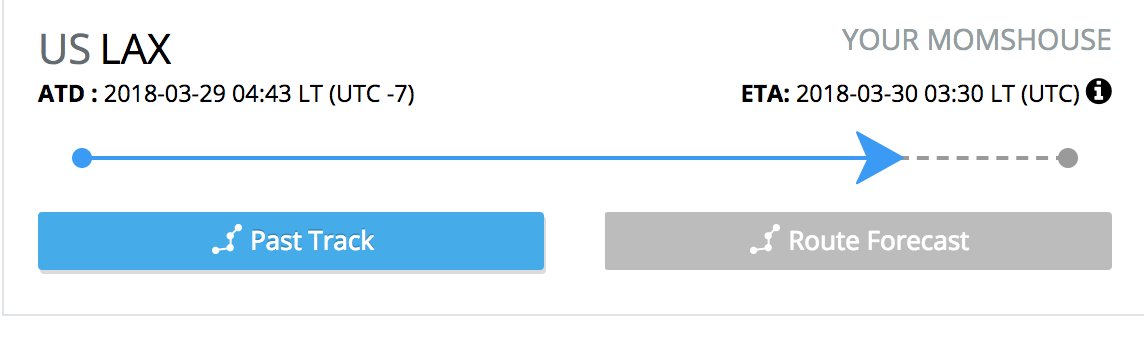
twitter:nextspaceflight twitterde op vrijdag 30-03-2018 om 02:41:35 CONFIRMED: #SpaceX "fairing" recovery vessel Mr. Steven is heading for YOUR MOM'S HOUSE. Yes, you read that right. @elonmusk has some explaining to do.Credit to @thechriswessel for the find. https://t.co/ITDws8Q4l7 reageer retweet
Op maandag 9 oktober 2023 13:31 schreef Nova het volgende:[/b]
Oh schatje, wat lief van je om dat te zeggen! Jij bent echt een prins op het witte paard voor mij. Met jou voel ik me zo geliefd en speciaal. Laten we nog lang samen genieten van sprookjesachtige avonturen en elkaar verwennen met veel knuffels en kusjes. O+ naar jou, mijn lieve prins! :*
Oh schatje, wat lief van je om dat te zeggen! Jij bent echt een prins op het witte paard voor mij. Met jou voel ik me zo geliefd en speciaal. Laten we nog lang samen genieten van sprookjesachtige avonturen en elkaar verwennen met veel knuffels en kusjes. O+ naar jou, mijn lieve prins! :*
T-2 hours
Op maandag 9 oktober 2023 13:31 schreef Nova het volgende:[/b]
Oh schatje, wat lief van je om dat te zeggen! Jij bent echt een prins op het witte paard voor mij. Met jou voel ik me zo geliefd en speciaal. Laten we nog lang samen genieten van sprookjesachtige avonturen en elkaar verwennen met veel knuffels en kusjes. O+ naar jou, mijn lieve prins! :*
Oh schatje, wat lief van je om dat te zeggen! Jij bent echt een prins op het witte paard voor mij. Met jou voel ik me zo geliefd en speciaal. Laten we nog lang samen genieten van sprookjesachtige avonturen en elkaar verwennen met veel knuffels en kusjes. O+ naar jou, mijn lieve prins! :*
quote:[ afbeelding ]twitter:nextspaceflight twitterde op vrijdag 30-03-2018 om 02:41:35 CONFIRMED: #SpaceX "fairing" recovery vessel Mr. Steven is heading for YOUR MOM'S HOUSE. Yes, you read that right. @elonmusk has some explaining to do.Credit to @thechriswessel for the find. https://t.co/ITDws8Q4l7 reageer retweet
Webcast is live btw!
AIVD Kerstpuzzel 2025: 1a, 2, 3a, 5


Ja! Geweldig dat roze licht van de opkomende zon op de Falcon 9 en de mist op de achtergrondquote:
Mooi plaatje hoor
[ afbeelding ]
[ afbeelding ]

Op maandag 9 oktober 2023 13:31 schreef Nova het volgende:[/b]
Oh schatje, wat lief van je om dat te zeggen! Jij bent echt een prins op het witte paard voor mij. Met jou voel ik me zo geliefd en speciaal. Laten we nog lang samen genieten van sprookjesachtige avonturen en elkaar verwennen met veel knuffels en kusjes. O+ naar jou, mijn lieve prins! :*
Oh schatje, wat lief van je om dat te zeggen! Jij bent echt een prins op het witte paard voor mij. Met jou voel ik me zo geliefd en speciaal. Laten we nog lang samen genieten van sprookjesachtige avonturen en elkaar verwennen met veel knuffels en kusjes. O+ naar jou, mijn lieve prins! :*

T-60 seconds 
Op maandag 9 oktober 2023 13:31 schreef Nova het volgende:[/b]
Oh schatje, wat lief van je om dat te zeggen! Jij bent echt een prins op het witte paard voor mij. Met jou voel ik me zo geliefd en speciaal. Laten we nog lang samen genieten van sprookjesachtige avonturen en elkaar verwennen met veel knuffels en kusjes. O+ naar jou, mijn lieve prins! :*
Oh schatje, wat lief van je om dat te zeggen! Jij bent echt een prins op het witte paard voor mij. Met jou voel ik me zo geliefd en speciaal. Laten we nog lang samen genieten van sprookjesachtige avonturen en elkaar verwennen met veel knuffels en kusjes. O+ naar jou, mijn lieve prins! :*
YEAHHHH!!!!!!!!!!!!!!
Op maandag 9 oktober 2023 13:31 schreef Nova het volgende:[/b]
Oh schatje, wat lief van je om dat te zeggen! Jij bent echt een prins op het witte paard voor mij. Met jou voel ik me zo geliefd en speciaal. Laten we nog lang samen genieten van sprookjesachtige avonturen en elkaar verwennen met veel knuffels en kusjes. O+ naar jou, mijn lieve prins! :*
Oh schatje, wat lief van je om dat te zeggen! Jij bent echt een prins op het witte paard voor mij. Met jou voel ik me zo geliefd en speciaal. Laten we nog lang samen genieten van sprookjesachtige avonturen en elkaar verwennen met veel knuffels en kusjes. O+ naar jou, mijn lieve prins! :*
WTF! Waarom geen livebeelden vanaf T+9min Wat heeft NOAA met SpaceX te maken?
Wat heeft NOAA met SpaceX te maken?
Op maandag 9 oktober 2023 13:31 schreef Nova het volgende:[/b]
Oh schatje, wat lief van je om dat te zeggen! Jij bent echt een prins op het witte paard voor mij. Met jou voel ik me zo geliefd en speciaal. Laten we nog lang samen genieten van sprookjesachtige avonturen en elkaar verwennen met veel knuffels en kusjes. O+ naar jou, mijn lieve prins! :*
Oh schatje, wat lief van je om dat te zeggen! Jij bent echt een prins op het witte paard voor mij. Met jou voel ik me zo geliefd en speciaal. Laten we nog lang samen genieten van sprookjesachtige avonturen en elkaar verwennen met veel knuffels en kusjes. O+ naar jou, mijn lieve prins! :*
https://twitter.com/cbs_spacenews/status/979724382221291521quote:
WTF! Waarom geen livebeelden vanaf T+9min
twitter:cbs_spacenews twitterde op vrijdag 30-03-2018 om 16:17:49 F9/Iridium5: NOAA public affairs officer says he's not aware of any NOAA restriction on Falcon 9 rocketcam video reageer retweet
 F9/Iridium5: NOAA public affairs officer says he's not aware of any NOAA restriction on Falcon 9 rocketcam video
Vage shit.quote:
[..]
https://twitter.com/cbs_spacenews/status/979724382221291521
Reactie op deze tweet, klinkt heel aannemelijk:
twitter:F9SecondStage twitterde op vrijdag 30-03-2018 om 16:12:31 The reason for the NOAA restriction on #Iridium5 launch *might* be NOAA19 (a LEO polar orbit weather observation sat). I have not checked the transmission frequencies of it, however. https://t.co/bHjXPgSys2 reageer retweet
 The reason for the NOAA restriction on
Op maandag 9 oktober 2023 13:31 schreef Nova het volgende:[/b]
Oh schatje, wat lief van je om dat te zeggen! Jij bent echt een prins op het witte paard voor mij. Met jou voel ik me zo geliefd en speciaal. Laten we nog lang samen genieten van sprookjesachtige avonturen en elkaar verwennen met veel knuffels en kusjes. O+ naar jou, mijn lieve prins! :*
Oh schatje, wat lief van je om dat te zeggen! Jij bent echt een prins op het witte paard voor mij. Met jou voel ik me zo geliefd en speciaal. Laten we nog lang samen genieten van sprookjesachtige avonturen en elkaar verwennen met veel knuffels en kusjes. O+ naar jou, mijn lieve prins! :*
Om interferentie met een andere satelliet te voorkomen idd, klinkt plausibel.quote:
[..]
Vage shit.
Reactie op deze tweet, klinkt heel aannemelijk:twitter:F9SecondStage twitterde op vrijdag 30-03-2018 om 16:12:31 The reason for the NOAA restriction on #Iridium5 launch *might* be NOAA19 (a LEO polar orbit weather observation sat). I have not checked the transmission frequencies of it, however. https://t.co/bHjXPgSys2 reageer retweet
AIVD Kerstpuzzel 2025: 1a, 2, 3a, 5
En dat WAS de webcast Jammer! Iridium missies zijn altijd gaaf
Jammer! Iridium missies zijn altijd gaaf
Op maandag 9 oktober 2023 13:31 schreef Nova het volgende:[/b]
Oh schatje, wat lief van je om dat te zeggen! Jij bent echt een prins op het witte paard voor mij. Met jou voel ik me zo geliefd en speciaal. Laten we nog lang samen genieten van sprookjesachtige avonturen en elkaar verwennen met veel knuffels en kusjes. O+ naar jou, mijn lieve prins! :*
Oh schatje, wat lief van je om dat te zeggen! Jij bent echt een prins op het witte paard voor mij. Met jou voel ik me zo geliefd en speciaal. Laten we nog lang samen genieten van sprookjesachtige avonturen en elkaar verwennen met veel knuffels en kusjes. O+ naar jou, mijn lieve prins! :*
Mja, dan heeft mission control ook geen beelden gok ik? Hoe weten ze dan of alles goed gaat?quote:
[..]
Om interferentie met een andere satelliet te voorkomen idd, klinkt plausibel.
Op maandag 9 oktober 2023 13:31 schreef Nova het volgende:[/b]
Oh schatje, wat lief van je om dat te zeggen! Jij bent echt een prins op het witte paard voor mij. Met jou voel ik me zo geliefd en speciaal. Laten we nog lang samen genieten van sprookjesachtige avonturen en elkaar verwennen met veel knuffels en kusjes. O+ naar jou, mijn lieve prins! :*
Oh schatje, wat lief van je om dat te zeggen! Jij bent echt een prins op het witte paard voor mij. Met jou voel ik me zo geliefd en speciaal. Laten we nog lang samen genieten van sprookjesachtige avonturen en elkaar verwennen met veel knuffels en kusjes. O+ naar jou, mijn lieve prins! :*
Lol. Laatste keer was inderdaad tof om alle sattelieten achter elkaar te zien deployen. Stream is ook echt gewoon gestoptquote:
En dat WAS de webcast
