NWS Nieuws & Achtergronden
Discussieer hier diepgaander over de actualiteiten.



Dat is geen argument voor een verbod op drugs.quote:Op woensdag 3 april 2013 10:22 schreef waht het volgende:
Normale bedrijven dumpen ook wel eens afval, vaak nog legaal ook.
Free Assange! Hack the Planet
[b]Op dinsdag 6 januari 2009 19:59 schreef Papierversnipperaar het volgende:[/b]
De gevolgen van de argumenten van de anti-rook maffia
[b]Op dinsdag 6 januari 2009 19:59 schreef Papierversnipperaar het volgende:[/b]
De gevolgen van de argumenten van de anti-rook maffia
quote:
quote:For much of the twentieth century, Iran’s strategy for curbing drug addiction looked a lot like Afghanistan’s current one: stopping the flow of narcotics and destroying crops. When, in the early 1970s, it became clear that this method wasn’t working, Iranian authorities adopted policies that focused more on prevention and treatment, with promising results.
But the 1979 revolution changed all that, and the Islamic government it brought to power implemented strict zero-tolerance narcotics laws. The regime, which saw drug use not as a medical or public health issue but as a moral shortcoming, believed that addiction and abuse could be beaten out of the public through punitive measures. Penalties for addicts included fining, imprisonment, and physical punishment; drug dealers and smugglers were often considered to be “at war with God” and executed. By the late 1980s, the government was sending thousands of addicts to prison camps, where they were supposed to detoxify and atone for their sins through forced labor.
These draconian social measures against drug users and dealers were matched with similarly aggressive operations to prevent the flow of opiates across the border from Afghanistan. By the late 1980s, an estimated 50 percent of Afghan opiate production was passing through Iranian territory, and the Iranian markets were flooded with Afghan opium, heroin, and morphine. Starting in the early 1990s, Tehran constructed more than 260 kilometers of static defenses -- including concrete dams that blocked mountain passes, anti-vehicle berms, trenches, minefields, forts, and mountain towers -- at a cost of over $80 million. By the late 1990s, more than 100,000 police officers, army troops, and Revolutionary Guardsmen were committed to antinarcotic operations.
Yet both the social policies and the border fortifications were fruitless. Although the Iranian authorities seized nearly eight times the amount of narcotics in 1999 than they had in 1990, they could not keep up with the expansion of Afghan opium production, which rose in those years from approximately 1,500 metric tons to roughly 4,500. Iran also found that the number of intravenous drug users was growing. Ironically, the prisons and camps where addicts were expected to kick their habits became epicenters of drug use, in which people learned how to inject heroin and shared primitive infection-prone needles.
The rise in malignant drug use brought with it more deaths, more cases of addiction, and, most embarrassingly for Irans leaders, a full-blown HIV/AIDS epidemic. After years of blaming the Wests moral turpitude and decadence for the virus, Irans leadership had to face an outbreak at home, fueled by its own failed antinarcotic policy. By the late 1990s, in some provinces, double-digit percentages of heroin users were falling prey to the disease. In 2005, biological surveillance data from the Kermanshah province showed a 13.5 percent HIV prevalence rate among the adult prison population.
These setbacks prompted a complete turnaround in Irans approach to fighting narcotics. Instead of focusing on punishing addicts and trying to stop the drug supply, Iran decided to try to reduce the harm of narcotics and the demand for them. By 2002, over 50 percent of the countrys drug-control budget was dedicated to preventive public health campaigns, such as advertisement and education. Irans conservative and previously intransigent leadership opened narcotics outpatient treatment centers and abstinence-based residential centers in Tehran and the provinces.
Free Assange! Hack the Planet
[b]Op dinsdag 6 januari 2009 19:59 schreef Papierversnipperaar het volgende:[/b]
De gevolgen van de argumenten van de anti-rook maffia
[b]Op dinsdag 6 januari 2009 19:59 schreef Papierversnipperaar het volgende:[/b]
De gevolgen van de argumenten van de anti-rook maffia

quote:Plan voor 'gemeentewiet' naar minister
Eindhoven heeft een concreet plan voor gereguleerde wietteelt naar minister Ivo Opstelten van Veiligheid en Justitie gestuurd.
De gemeente wil criminelen buitenspel zetten door zelf de aanvoer van softdrugs bij coffeeshops te reguleren. De gemeentes Heerlen en Roermond hebben onlangs ook een plan daarvoor aangenomen.
De teelt van de cannabis moet volgens het Eindhovens plan worden uitbesteed aan een bedrijf dat onder toezicht van de gemeente komt te staan. Op die manier zijn de coffeeshops voor hun voorraad niet meer afhankelijk van het illegale circuit en kan de kwaliteit van de softdrugs gecontroleerd worden.
....nachtrijder...Nachtzwelgje!
quote:'They stole our dreams': blogger reveals cost of reporting Mexico's drug wars
Exclusive: Anonymous author of celebrated Blog del Narco speaks for first time about the risks – and reveals she is a woman
For three years it has chronicled Mexico's drug war with graphic images and shocking stories that few others dare show, drawing millions of readers, acclaim, denunciations – and speculation about its author's identity.
Blog del Narco, an internet sensation dubbed a "front-row seat" to Mexico's agony over drugs, has become a must-read for authorities, drug gangs and ordinary people because it lays bare, day after day, the horrific violence censored by the mainstream media.
The anonymous author has been a source of mystery, with Mexico wondering who he is and his motivation for such risky reporting.
Now in their first major interview since launching the blog, the author has spoken to the Guardian and the Texas Observer – and has revealed that she is, in fact, a young woman.
"I don't think people ever imagined it was a woman doing this," said the blogger, who asked to use pseudonym Lucy to protect her real identity.
"Who am I? I'm in my mid-20s, I live in northern Mexico, I'm a journalist. I'm a woman, I'm single, I have no children. And I love Mexico."
This is the first time Lucy has spoken directly about the motivations for running a blog which could cost her her life. In the early days, her male colleague who manages the technical side engaged in a few short, anonymous email exchanges with reporters, but neither has spoken out since.
The telephone interview was arranged through an anonymous intermediary. The Guardian then took steps to verify that Lucy was in control of the blog.
She said she wanted to show the truth of what was happening to help turn the page. "I'm in love with my culture, with my country, despite all that's going on. Because we're not all bad. We're not all narcos. We're not all corrupt. We're not all murderers. We are well educated, even if many (foreign) people think otherwise."
She and her colleague live in daily fear of retribution, either from the cartels or government forces. She revealed that a young man and woman tortured, disembowelled and hung from a bridge in September 2011 – murders which shocked even atrocity-hardened Mexicans – were collaborators on the blog. "They used to send us photographs. That was very hard, very painful." The threats, she said, have recently become more serious.
Despite those fears, however, Lucy has written a book that gives an inside account of the blog and provides the most gruesome, explicit account yet of the mayhem that the cartel wars have brought to Mexico. Dying for the Truth: Undercover Inside Mexico's Violent Drug War, is now on sale in English and Spanish, and documents a full year of killings from 2010, a pivotal year.
"I did the book to show what was happening," she said. "When I finished, I was able to breathe, because I had worried about being killed before finishing. But the book is there, it's there on paper, a testament to what we have suffered in Mexico in these years of war."
Adam Parfrey, head of the independent Washington-based publisher Feral House, which specialises in taboo topics, said the book would be bound in a police-tape type band as warning of its contents. "It's gruesome and horrible. It goes far beyond anything I've ever dealt with. It's an important element of what's happening in our southern neighbour."
The inside account of Blog del Narco comes at a sensitive time. President Barack Obama is due to visit Mexico in early May for talks with his counterpart, Enrique Peña Nieto, who since taking office last December has tamped down confrontations with the drug lords and the ensuing media attention.
Even so, drug-related violence claimed nearly 3,200 lives in his administration's first three months, according to government figures, and in recent weeks killings have spiked along the border, and even in the tourist city of Cancún. Cartels are increasingly sending agents to live and work in US cities such as Chicago, according to a recent AP investigation.
The legalisation of marijuana in Colorado and Washington has intensified pressure on the US government to review its four-decade-old "war" on marijuana, cocaine and other narcotics, much of it trafficked through Mexico.
After President Felipe Calderón declared his own war on Mexico's drug cartels in 2006, sparking turf battles between groups like Sinaloa, La Línea and the Zetas, and bloody interventions by the police and armed forces, who have been accused of siding with criminals. More than 70,000 people died and 27,000 disappeared by the time he finished his term last year.
Intimidation of journalists – dozens have been murdered, often sadistically – neutered news coverage by newspapers, radio and television stations. Massacres, kidnappings, corruption, even pitched battles in city centres, often went unreported.
Blog del Narco sprang up three years ago to fill the vacuum left by cowed journalistic colleagues who could not even report vital information such as narco roadblocks and kidnappings.
Over time, Blog del Narco acquired multiple sources, including drug gangs, and became indispensable reading, drawing more than 3m hits monthly. It provides bulletins, pictures and video of abductions, shootouts, executions and the discovery of bodies as well as severed human heads, limbs and torsos. One video showed cartel members interrogating a captured rival and then decapitating him.
Critics accuse the blog of being a public relations forum for drug dealers, but Lucy said the material showed reality and helped families identify missing relatives. "If it wasn't for the blog often bodies wouldn't be identified."
Narcos occasionally sent photos of them partying with pop stars, but the blog refused to publish such material, she said. The blog takes advertising from car and mobile-phone makers, among others. Lucy has told no friends about her clandestine activity. "My close family knows. No one else."
The blog had come under repeated cyber-attack – the government was more aggressive than narcos in this regard, Lucy said – but the main concern was being identified and captured, either by narcos or government forces who have been accused of multiple abuses.
"We change where we live every month. We've been in basements. It's very difficult. We hide our equipment in different places. If the authorities get close we run."
A sign left by the young couple disembowelled in 2011 in the state of Tamaulipas said the bloggers were next. Lucy had not met the couple but received material from them via email. A few days later, another contributor was killed. A keyboard, mouse and sign mentioning the blog were strewn over the corpse. "It's very painful. But they believed this work was necessary."
Lucy said it was too soon to judge Peña Nieto's administration but that she had already noted one change. In contrast to Calderón-era officials, who cowed journalists with threats and bribes, the new government appeared to want to do it through repressive laws, she said. The government denies wanting to stifle the media.
"We have thought about quitting the blog thousands of times. But we haven't, because we have to get the message out. They have stolen our tranquility, our dreams, our peace." Lucy said she was tired of living in fear but had no plans to give up the blog. It has spawned other anonymous blogs carrying similar material.
The revelation she was female would surprise many, said Lucy. "It's a strong blow to Mexican machismo and the idea women are weaker, more delicate. There is an expectation for women to always look pretty. But we're much more than that."
She tried to relax, she said, with music, coffee and cigarettes. She missed having a normal life. "My only boyfriend is the blog. A whole phase of my life – boyfriends, going to parties, hanging out with friends – I've missed it. Getting married, having babies – there's not been time to think of any of that."
Lucy hoped the book, which focuses on 2010 and 2011, will stand as a historical record. In addition to stomach-turning photographs, it includes a glossary of terms such as encintado – the binding of a victim with duct tape – and encobijado – wrapping a murdered person in a blanket or sheet. It will initially be on sale only in the US but the publisher, Feral House, hopes Mexican booksellers will stock it.
Lucy said she had recently take a paying job but would continue the blog.
"My plans for the future? To live. That's my hope for the short, medium and long term."
Free Assange! Hack the Planet
[b]Op dinsdag 6 januari 2009 19:59 schreef Papierversnipperaar het volgende:[/b]
De gevolgen van de argumenten van de anti-rook maffia
[b]Op dinsdag 6 januari 2009 19:59 schreef Papierversnipperaar het volgende:[/b]
De gevolgen van de argumenten van de anti-rook maffia
quote:First ‘magic mushroom’ trial for depression treatment hits stumbling block
The world’s first clinical trial designed to explore using a hallucinogen from magic mushrooms to treat people with depression has stalled because of British and European rules on the use of illegal drugs in research.
David Nutt, president of the British Neuroscience Association and professor of neuropsychopharmacology at Imperial College London, said he had been granted an ethical green light and funding for the trial, but regulations were blocking it.
“We live in a world of insanity in terms of regulating drugs,” he told a neuroscience conference in London on Sunday.
He has previously conducted small experiments on healthy volunteers and found that psilocybin, the psychedelic ingredient in magic mushrooms, has the potential to alleviate severe forms of depression in people who don’t respond to other treatments.
Following these promising early results he was awarded a £550,000 (about $849,000 Canadian) grant from the UK’s Medical Research Council to conduct a full clinical trial in patients.
But psilocybin is illegal in Britain, and under the United Nations 1971 Convention on Psychotropic Substances it is classified as a Schedule 1 drug – one that has a high potential for abuse and no recognised medical use.
This, Nutt explained, means scientists need a special licence to use magic mushrooms for trials in Britain, and the manufacture of a synthetic form of psilocybin for use in patients is tightly controlled by European Union regulations.
Together, this has meant he has so far been unable to find a company able to make and supply the drug for his trial, he said.
“Finding companies who could manufacture the drug and who are prepared to go through the regulatory hoops to get the licence, which can take up to a year and triple the price, is proving very difficult,” he said.
Nutt said regulatory authorities have a “primitive, old-fashioned attitude that Schedule 1 drugs could never have therapeutic potential”, despite the fact that his research and the work done by other teams suggests such drugs may help treat some patients with psychiatric disorders.
Psilocybin – or “magic” – mushrooms grow naturally around the world and have been widely used since ancient times for religious rites and also for recreation.
Researchers in the United States have seen positive results in trials using MDMA, a pure form of the party drug ecstasy, in treating post-traumatic stress disorder.
“What we are trying to do is to tap into the reservoir of under-researched illegal drugs to see if we can find new and beneficial uses for them in people whose lives are often severely affected by illnesses such as depression,” Nutt said.
The proposed trial would involve 60 patients with depression who have failed two previous treatments.
During two or three controlled sessions with a therapist, half would be given a synthetic form of psilocybin, and the other 30 a placebo. They would have guided talking therapy to explore negative thinking and issues troubling them, and doctors would follow them up for at least a year.
Nutt secured ethical approval for the trial in March.
In previous research, Nutt found that when healthy volunteers were injected with psilocybin, the drug switched off a part of the brain called the anterior cingulate cortex, which is known to be overactive in people with depression.
“Even in normal people, the more that part of the brain was switched off under the influence of the drug, the better they felt two weeks later. So there was a relationship between that transient switching off of the brain circuit and their subsequent mood,”, he said. “This is the basis on which we want to run the trial.”
Free Assange! Hack the Planet
[b]Op dinsdag 6 januari 2009 19:59 schreef Papierversnipperaar het volgende:[/b]
De gevolgen van de argumenten van de anti-rook maffia
[b]Op dinsdag 6 januari 2009 19:59 schreef Papierversnipperaar het volgende:[/b]
De gevolgen van de argumenten van de anti-rook maffia
quote:
quote:Much of the movement in public opinion toward marijuana use has been driven not necessarily by the arguments drug reformers have made for years -- that it is safer than alcohol, that we waste too much money on incarceration, that drug use is a victimless crime -- but by simple generational change, said Robert Blendon, a professor of health policy and political analysis at Harvard University.
"Younger generations are much more supportive of having choices, they've had much more experience with it, and also in general on many social issues, people are getting more libertarian, more open to less restriction," he said.
When Blendon studied public opinion on the drug war in the mid-1990s, the results were clear: although the American public believed the drug war was failing, they still thought of using drugs as morally wrong and worthy of punishment.
It was a time when Nancy Reagan's maxim -- just say no to drugs -- was still treated as gospel. But two decades later, Blendon said, there are simply too many people who have tried marijuana themselves to believe in that.
According to the Pew survey, 48 percent of Americans say they have smoked weed themselves, up 10 percent from a decade ago. Fifty percent of Americans, meanwhile, say smoking marijuana is not a moral issue, compared to 32 percent who believe that it is. That's a mirror image of the 50 percent moral opposition and 35 percent indifference Pew found just seven years ago.
The shift has come fast, Pew found. In just the past three years, pro-legalization sentiment has spiked 10 percent. And a relatively new phenomenon has emerged: it's not just liberals or libertarians speaking out. Increasingly, it is the names most identified with conservatism.
Free Assange! Hack the Planet
[b]Op dinsdag 6 januari 2009 19:59 schreef Papierversnipperaar het volgende:[/b]
De gevolgen van de argumenten van de anti-rook maffia
[b]Op dinsdag 6 januari 2009 19:59 schreef Papierversnipperaar het volgende:[/b]
De gevolgen van de argumenten van de anti-rook maffia


Wordt een beetje tijd ook, nooit begrepenquote:
T zit er wel een beetje aan te komen denk ik
quote:WIETKWEKER IN JE HUIS - 11 APRIL 2013
Veel huiseigenaren zijn door de crisis gedwongen om hun onverkoopbare woning te verhuren. Makelaars en verhuurbemiddelaars storten zich massaal op deze groeimarkt. Het grote aanbod van huurwoningen trekt ook criminelen aan die zich voordoen als betrouwbare huurders. Maar eenmaal binnen bouwen ze de woning om tot een wietkwekerij.
Als de politie zo’n plantage oprolt, blijkt hoe groot de schade aan het huis is. Die loopt al gauw in de tienduizenden euro’s. De criminelen zijn vaak gevlogen en de eigenaar draait op voor de kosten.
Hoe komen cannabiskwekers zo makkelijk aan een huurwoning? In de aflevering ‘Wietkweker in je huis’ – aanstaande donderdag 11 april om 21.10 uur bij de VARA op Nederland 2 - onderzoekt ZEMBLA de dubieuze praktijken van de verhuurmakelaars.
Jaarlijks rollen speciale hennepteams van de politie 5.500 hennepplantages op. Dat zijn er zo’n vijftien per dag. De plantages leveren veel schade en gevaren op. Zo zorgen ze voor bijna dertig procent van alle woningbranden. En door het illegaal aftappen van de elektriciteit lopen de energiemaatschappijen de inkomsten van een miljard kWh mis, op jaarbasis zo’n 180 miljoen euro.
Research: Hans van Dijk.
Samenstelling en regie: Jos Slats.
Eindredactie: Manon Blaas.
ZEMBLA: ‘Wietkweker in je huis’, aanstaande donderdag 11 april om 21.10 uur bij de VARA op Nederland 2.
....nachtrijder...Nachtzwelgje!

quote:'Aanpak wietteelt faalt'
Nederland • Geplaatst door Redactie op 11-04-2013 @ 20:00
De aanpak van de georganiseerde wietteelt faalt. Dat blijkt uit een verslag van de Taskforce Aanpak Georganiseerde Hennepteelt, zo meldt Zembla. Door capaciteitsproblemen bij de politie en justitie blijven zaken liggen en worden drugsbendes niet of nauwelijks aangepakt.
De taskforce, die sinds 2008 bestaat, heeft als doelstelling de grootschalige teelt van marihuana in Nederland terug te dringen. Uit een verslag dat in januari is opgesteld blijkt dat de aanpak niet werkt.
"Het klassieke doorrechercheren door de politie en justitie na het aantreffen van een kwekerij om op die manier de organisatie erachter aan te pakken, blijkt in de praktijk niet of onvoldoende te werken", staat volgens het onderzoeksprogramma in het vertrouwelijke rapport.
Hoewel de verkoop van softdrugs wordt gedoogd, is het verbouwen van wiet niet toegestaan. De politie schat dat Nederland zo'n veertigduizend wiettelers telt. Per jaar worden zo'n vijfduizend plantages opgerold.
Bron: Novum
....nachtrijder...Nachtzwelgje!
quote:'Straatdealers ronselen schoolkinderen'
Straatdealers ronselen steeds vaker Maastrichtse schoolkinderen om drugs te verkopen.
In het programma L1 Laat zegt burgemeester Onno Hoes dat de kinderen op scholen al worden benaderd om als drugsrunner te gaan werken. Om te voorkomen dat de jongeren in het criminele circuit terecht komen, moeten ze een goed toekomstperspectief krijgen volgens de Maastrichtse burgemeester.
Ook moet er een toekomst geboden worden aan kinderen die al actief zijn als dealer.
....nachtrijder...Nachtzwelgje!
quote:Drugskartels Mexico willen Europa veroveren
Mexicaanse drugskartels proberen een sleutelpositie in te nemen op de Europese markt. Dat maakte de politiedienst Europol vrijdag bekend. Grote kartels als Los Zetas zijn bovendien betrokken bij mensenhandel en ze smokkelen wapens van Europa naar Zuid-Amerika.
De afgelopen decennia zijn Mexicaanse drugskartels een centrale rol gaan spelen in de internationale georganiseerde misdaad. De groepen zijn extreem gewelddadig. Toch zijn er in Europa tot nu toe slechts enkele geweldsincidenten geweest waarbij de kartels betrokken waren. Een daarvan was een moordpoging, meldt Europol.
De politieorganisatie wil voorkomen 'dat het niveau van bruut geweld dat we in Mexico zien zich ook voordoet in Europa', aldus Europol-directeur Rob Wainwright. 'We zullen ervoor zorgen dat de Mexicaanse kartels geen voet aan de grond kunnen krijgen in Europa.'
Free Assange! Hack the Planet
[b]Op dinsdag 6 januari 2009 19:59 schreef Papierversnipperaar het volgende:[/b]
De gevolgen van de argumenten van de anti-rook maffia
[b]Op dinsdag 6 januari 2009 19:59 schreef Papierversnipperaar het volgende:[/b]
De gevolgen van de argumenten van de anti-rook maffia
quote:Respect State Marijuana Laws Act Introduced In Congress
NEW YORK -- Republicans and Democrats in Congress are coming together in defense of states' rights -- and marijuana.
Rep. Dana Rohrbacher (R-Calif.) introduced a bipartisan bill on Friday to protect marijuana users and businesses from federal prosecution when they are following state laws. The Respect State Marijuana Laws Act would shield both medical and recreational pot users.
"This bipartisan bill represents a common-sense approach that establishes federal government respect for all states’ marijuana laws. It does so by keeping the federal government out of the business of criminalizing marijuana activities in states that don’t want it to be criminal," said Rohrbacher, in a statement.
Despite promising not to go after medical marijuana dispensaries, the Obama administration has raided hundreds of them. Federal officials are still trying to make up their minds, moreover, about how to respond to recently passed referendums in Colorado and Washington state that legalized marijuana outright.
Rohrbacher's bill should take away any doubt: It would say that residents of states that take steps to reform drug laws on their own shouldn't be subject to federal harassment.
A Pew Poll released last week showed that a broad majority of Americans, even when they don't agree with legalizing marijuana, believe the federal government should not step in to punish users in states that do. Sixty percent of Americans said the federal government should not meddle in states that legalize pot.
"Marijuana prohibition is on its last legs because most Americans no longer support it," said Steve Fox, national political director for the Marijuana Policy Project. "This legislation presents a perfect opportunity for members to embrace the notion that states should be able to devise systems for regulating marijuana without their citizens having to worry about breaking federal law."
The bill is cosponsored by Reps. Justin Amash (R-Mich.), Don Young (R-Alaska), Earl Blumenauer (D-Ore.), Steve Cohen (D-Tenn.) and Jared Polis (D-Colo.). Rohrbacher, whose state has a large medical marijuana program, has previously introduced legislation seeking to reclassify marijuana at the federal level as a drug that does have medical uses.
The bipartisan makeup of the bill's cosponsors reflects increasing support among Republicans for ending or shifting the country's war on drugs. In the past two months, for example, Sen. Rand Paul (R-Ky.) has called for lessening marijuana penalties and evangelical media titan Pat Robertson has announced his support for outright legalization.
Free Assange! Hack the Planet
[b]Op dinsdag 6 januari 2009 19:59 schreef Papierversnipperaar het volgende:[/b]
De gevolgen van de argumenten van de anti-rook maffia
[b]Op dinsdag 6 januari 2009 19:59 schreef Papierversnipperaar het volgende:[/b]
De gevolgen van de argumenten van de anti-rook maffia
quote:Afghanistan: high expectations of record opium crop
UN report reveals rapid growth of poppy farming as western troops get ready to withdraw, which reflects badly on Britain
Twelve years after the fall of the Taliban, Afghanistan is heading for a near-record opium crop as instability pushes up the amount of land planted with illegal but lucrative poppies, according to a bleak UN report.
The rapid growth of poppy farming as western troops head home reflects particularly badly on Britain, which was designated "lead nation" for counter-narcotics work over a decade ago.
"Poppy cultivation is not only expected to expand in areas where it already existed in 2012 … but also in new areas or areas where poppy cultivation was stopped," the Afghanistan Opium Winter Risk Assessment found.
The growth in opium cultivation reflects both spreading instability and concerns about the future. Farmers are more likely to plant the deadly crop in areas of high violence or where they have not received any agricultural aid, the report said.
Opium traders are often happy to provide seeds, fertilisers and even advance payments to encourage crops, leaving farmers who do not have western or government agricultural help very vulnerable to their inducements.
At the same time the more powerful figures in the drugs trade, from traffickers to corrupt government officials, who take over half the profit from each kilo of opium, have shrinking opportunities to earn money from Nato or international aid contracts – and may be preparing a war chest for upcoming presidential and parliamentary elections.
"Opium cultivation is up for the third successive year, and production is heading towards record levels," said Jean-Luc Lemahieu, Afghanistan head of the UN Office on Drugs and Crime. "People are hedging against an insecure future both politically and economically."
Just 14 of Afghanistan's 34 provinces are now "poppy free", down from 20 in 2010. In three provinces, the spring sowing was the first time this decade that farmers had risked an attempt at growing opium.
The only figures showing a fall in cultivation, for western Herat province, may actually be due to a statistics blip. The UN was forced to use external data last year instead of the satellite images that are usually the basis of poppy growing calculations, and local officials protested heavily that the opium crop there had been overestimated.
If this year's poppy fields are harvested without disruption, the country would likely regain its status as producer of 90% of the world's opium. Afghanistan's share of the deadly market slipped to around 75% after bad weather and a blight slashed production over the past two years.
But the decline in opium production also drove up prices, to a record $300 a kilogramme. Prices have now slipped by over $100 but are still far above historic levels, helping tempt more farmers to turn land over to poppy.
It seems unlikely that the poor harvests of the last year will be repeated; there have been no reports of blight and the exceptionally bitter winter of 2011-12 was followed this year by a milder one, creating expectations of a large crop.
The increase has come despite a marked improvement in Afghanistan's specialised counter-narcotics units, Lemahieu said. Fear of eradication has become a far more significant reason for farmers to stick to legal crops than in the past, the report found.
But overall the government and aid community has not prioritised efforts to cut back a crop and trade that feeds global markets for heroin, Lemahieu said, despite its corrosive effect on security, corruption and trust in Kabul.
Typical of the official neglect are the 22 "national priority programmes" drawn up by Kabul to focus aid money and diplomatic efforts on its key development concerns including justice and education. Counter-narcotics was not one of them, nor has it been put at the heart of the other programmes.
"We need to have counter-narcotics dealt with seriously by the entire government as well as the aid community," Lemahieu said. "One of the big missing links here is providing for the communities themselves."
Eradication programmes that do not provide farmers with benefits such as healthcare and education, and support growing other crops will just push the Taliban or other insurgent groups that do tolerate or encourage poppy production, he added.
Free Assange! Hack the Planet
[b]Op dinsdag 6 januari 2009 19:59 schreef Papierversnipperaar het volgende:[/b]
De gevolgen van de argumenten van de anti-rook maffia
[b]Op dinsdag 6 januari 2009 19:59 schreef Papierversnipperaar het volgende:[/b]
De gevolgen van de argumenten van de anti-rook maffia
Het artikel gaat verder.quote:Organised crime worth $90bn year in East Asia
UN report says drug trafficking accounts for more than third of illegal transnational trade every year.
Organised crime gangs dealing in fake goods, drugs, human trafficking, and the illicit wildlife trade earn nearly $90bn annually in East Asia and the Pacific, a UN report reveals.
In a report released on Tuesday, the UN Office on Drugs and Crime (UNODC) said drug trafficking accounted for more than a third of the illegal transnational trade.
The report, named "Transnational Organised Crime in East Asia and the Pacific: A Threat Assessment", says that as much as $16.3bn worth of heroin and $15bn of methamphetamine are traded annually in the region.
"These transnational criminal activities are a global concern now," Jeremy Douglas, a regional representative of the UN agency, said in a statement.
"Illicit profits from crimes in East Asia and the Pacific can destabilise societies around the globe," Douglas said.
He said that the profits could be used to buy properties and companies, and used for bribery.
The UN representative urged "a co-ordinated response" to address the problem.
Sandeep Chawla, the UNODC deputy executive director, said the report opened the window on "the mechanics of illicit trade: the how, where, when, who and why of selected contraband markets affecting this region".
"It looks at how criminal enterprises have developed alongside legitimate commerce and taken advantage of distribution and logistics chains," he said at the launch of the first comprehensive study on transnational organised crime threats in region in Sydney.
quote:"It is a fight that we cannot lose," Broussard said.

Free Assange! Hack the Planet
[b]Op dinsdag 6 januari 2009 19:59 schreef Papierversnipperaar het volgende:[/b]
De gevolgen van de argumenten van de anti-rook maffia
[b]Op dinsdag 6 januari 2009 19:59 schreef Papierversnipperaar het volgende:[/b]
De gevolgen van de argumenten van de anti-rook maffia
Het artikel gaat verder.quote:Update: Heftige maatregelen in lokale 'war on drugs'
WOERDEN - De gemeente Woerden gaat samen met het Openbaar Ministerie en de lokale politie harddrugsgebruikers registreren. Hier gaat een preventieve werking vanuit, volgens de betrokkenen. Ook kan er hulpverlening aangeboden worden en door een betere registratie hoopt de politie een verband tussen criminaliteit en harddrugsgebruik te kunnen leggen.
Het zogenaamde project Achilles gaat zich richten op de klanten van drugsdealers. Er zullen dossiers worden aangemaakt van klanten rond drugsdealers en deze kunnen worden ingezet in een eventuele strafzaak tegen de dealer. Minderjarige harddrugsgebruikers en ouders met minderjarige kinderen kunnen een bezoek van Bureau Jeugdzorg verwachten. Inmiddels heeft de gemeente 360 brieven gestuurd naar mensen die zich op een bestellijst (lijst telefoonnummers in het bezit van groep drugsdealers, veel van deze nummers worden ook wekelijks bestookt met sms'jes).
Een gemeentewoordvoerder licht de plannen toe aan de redactie:
"Het accent in dit drugsbeleid tussen gemeente, politie en Openbaar Ministerie verlegt zich van de drugsdealer naar de drugsgebruiker. Zonder gebruikers geen dealers en vice versa. Harddrugs zijn illegaal en het is strafbaar om te gebruiken."
De eerste acties hebben al plaats gevonden in Woerden. Van een zogenaamde 'bestellijst' van een drugsdealer zijn alle telefoonnummers nagetrokken en hebben deze mensen (en bedrijven) een brief gehad. "Dat is een heftige maatregel maar ook een hele effectieve", vervolgt de woordvoerder. "Op de 360 brieven die zijn verstuurd, kregen we al 60 reacties. Natuurlijk van mensen die verontwaardigd waren op deze lijst voor te komen, maar ook van ouders en bedrijven. Dat bedrijf gaat het nu bespreekbaar maken op de werkvloer."
Uit de brief die is verstuurd naar 360 adressen:
"Tijdens een politieonderzoek is een op uw naam geregistreerd telefoonnummer in een drugsbestellijn van een drugsdealer aangetroffen. Wij hebben geconstateerd dat er meerdere malen contact is geweest met de drugsdealer."
Op het einde van de brief: "Mocht u van mening zijn deze brief onterecht te hebben ontvangen, verzoeken wij u een afspraak te maken met de politie om een verklaring af te leggen."
In een convenant dat eind najaar is gesloten tussen deze drie partijen is afgesproken hoe er met deze gegevens om zal worden gegaan. "Het primaire doel is bewustwording en preventie, niet het criminaliseren van de gebruiker. Maar die kans bestaat natuurlijk altijd. Harddrugs zijn illegaal."
Uit het persbericht van de gemeente:
Drugsbestrijding staat landelijk en lokaal op de agenda van de overheid. Waar de landelijke overheid zich vooral richt op de georganiseerde criminaliteit en preventieve voorlichting, biedt project Achilles in Woerden een werkwijze voor lokaal beleid. Achilles richt zich met name op de drugsgebruiker en spreekt deze direct aan.
Comment:
quote:ms1973
Beste mensen, ook ik ben zwaar gedupeerd door deze doorgeschoten actie, waarover ik uiteraard zeer ontstemd ben.
Ik beken, ik heb in een ver verleden wel eens zon bestellijn gebeld. En ook ik ontvang nog regelmatig de sms'jes met de nieuwe bestelnummers. Ik heb wel eens geprobeerd om daar vanaf te komen door een bericht terug te zenden met het verzoek mijn nummer te verwijderen. Dat lukt helaas niet aangezien mijn telefoonnummer kennelijk bij meerdere dealers bekend is en de nummers van (potentiële) klanten onderling worden uitgewisseld. En nee, een verandering van nummer is vanwege zakelijke motieven niet wenselijk.
De inhoud van de brief die is ontvangen impliceert dat ik tot op heden drugs zou gebruiken. DIT IS NIET WAAR! Het vervelende is nu dat ik door mensen in mijn directe omgeving hier op word aangesproken en dit mijn verder prettige leven onder grote druk zet.
Zojuist heb ik vernomen dat de brief eveneens naar een bedrijfsadres is verzonden. De houder van het telefoonnummer is daarmee eveneens in grote problemen gekomen en kan mogelijk ontslag tegemoet zien. Dat kan naar mijn mening toch niet de bedoeling zijn van deze maatregel? En daar is dan kennelijk een half jaar over nagedacht... Elke idioot kan bedenken wat de vergaande gevolgen voor de ontvanger van de brief kunnen zijn!
Free Assange! Hack the Planet
[b]Op dinsdag 6 januari 2009 19:59 schreef Papierversnipperaar het volgende:[/b]
De gevolgen van de argumenten van de anti-rook maffia
[b]Op dinsdag 6 januari 2009 19:59 schreef Papierversnipperaar het volgende:[/b]
De gevolgen van de argumenten van de anti-rook maffia

ACHTERLIJK!
En dat mag zomaar? Het is prima om bedrijven en - artsen op de hoogte te stellen van het gedrag in het priveleven van iemand? DIT is nou een voorbeeld van actieve privacyschending. Gaat wel ff wat verder dan cameraatjes bij het station...
En dat mag zomaar? Het is prima om bedrijven en - artsen op de hoogte te stellen van het gedrag in het priveleven van iemand? DIT is nou een voorbeeld van actieve privacyschending. Gaat wel ff wat verder dan cameraatjes bij het station...
The only limit is your own imagination
Ik ben niet gelovig aangelegd en maak daarin geen onderscheid tussen dominees, imams, scharenslieps, autohandelaren, politici en massamedia
Waarom er geen vliegtuig in het WTC vloog
Ik ben niet gelovig aangelegd en maak daarin geen onderscheid tussen dominees, imams, scharenslieps, autohandelaren, politici en massamedia
Waarom er geen vliegtuig in het WTC vloog

Het mag/kan zo lang niemand werk maakt van een rechtszaak, en wie gaat het opnemen voor harddrugverslaafden?quote:Op woensdag 17 april 2013 16:01 schreef El_Matador het volgende:
ACHTERLIJK!
En dat mag zomaar? Het is prima om bedrijven en - artsen op de hoogte te stellen van het gedrag in het priveleven van iemand? DIT is nou een voorbeeld van actieve privacyschending. Gaat wel ff wat verder dan cameraatjes bij het station...
The problem is not the occupation, but how people deal with it.

Dus je mag op een feest foto's maken en maandags "even de bank bellen"; zeg weet u dat uw hoofd hypotheken op zaterdag met 3 pillen op zichzelf stond te vermaken? En dat is allemaal prima?quote:Op woensdag 17 april 2013 16:04 schreef waht het volgende:
[..]
Het mag/kan zo lang niemand werk maakt van een rechtszaak, en wie gaat het opnemen voor harddrugverslaafden?
Drugshandel is geen criminele daad. Alleen omdat overheden bepaalde scheidslijnen in genotsmiddelen hebben aangebracht, maken ze het crimineel.
The only limit is your own imagination
Ik ben niet gelovig aangelegd en maak daarin geen onderscheid tussen dominees, imams, scharenslieps, autohandelaren, politici en massamedia
Waarom er geen vliegtuig in het WTC vloog
Ik ben niet gelovig aangelegd en maak daarin geen onderscheid tussen dominees, imams, scharenslieps, autohandelaren, politici en massamedia
Waarom er geen vliegtuig in het WTC vloog
Of het prima is vraag ik me af, dat het effect kan hebben weet ik zeker.quote:Op woensdag 17 april 2013 16:10 schreef El_Matador het volgende:
[..]
Dus je mag op een feest foto's maken en maandags "even de bank bellen"; zeg weet u dat uw hoofd hypotheken op zaterdag met 3 pillen op zichzelf stond te vermaken? En dat is allemaal prima?
Drugshandel is geen criminele daad. Alleen omdat overheden bepaalde scheidslijnen in genotsmiddelen hebben aangebracht, maken ze het crimineel.

The problem is not the occupation, but how people deal with it.
Effect op een verminderde acceptatie van drugsgebruik in je vrije tijd ja. Ontslagen van werknemers die gewoon goed werk verrichten en daarnaast op zaterdag lekker uit hun dak gaan.quote:
[..]
Of het prima is vraag ik me af, dat het effect kan hebben weet ik zeker.
Dat terwijl de inzet precies het omgekeerde zou moeten zijn.

Overal in de wereld is men bezig drugs minder hard aan te pakken. Maar Nederland kiest precies de andere weg.
The only limit is your own imagination
Ik ben niet gelovig aangelegd en maak daarin geen onderscheid tussen dominees, imams, scharenslieps, autohandelaren, politici en massamedia
Waarom er geen vliegtuig in het WTC vloog
Ik ben niet gelovig aangelegd en maak daarin geen onderscheid tussen dominees, imams, scharenslieps, autohandelaren, politici en massamedia
Waarom er geen vliegtuig in het WTC vloog
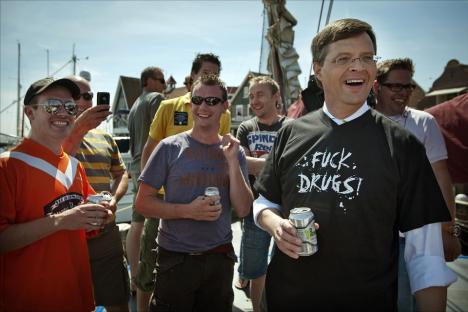
Hier, foto van een junk.quote:
[..]
Of het prima is vraag ik me af, dat het effect kan hebben weet ik zeker.
Free Assange! Hack the Planet
[b]Op dinsdag 6 januari 2009 19:59 schreef Papierversnipperaar het volgende:[/b]
De gevolgen van de argumenten van de anti-rook maffia
[b]Op dinsdag 6 januari 2009 19:59 schreef Papierversnipperaar het volgende:[/b]
De gevolgen van de argumenten van de anti-rook maffia
We convergeren naar elkaar zo lijkt het.quote:
[..]
Effect op een verminderde acceptatie van drugsgebruik in je vrije tijd ja. Ontslagen van werknemers die gewoon goed werk verrichten en daarnaast op zaterdag lekker uit hun dak gaan.
Dat terwijl de inzet precies het omgekeerde zou moeten zijn.
Overal in de wereld is men bezig drugs minder hard aan te pakken. Maar Nederland kiest precies de andere weg.

The problem is not the occupation, but how people deal with it.

Ook qua armoede.quote:
[..]
We convergeren naar elkaar zo lijkt het.
The only limit is your own imagination
Ik ben niet gelovig aangelegd en maak daarin geen onderscheid tussen dominees, imams, scharenslieps, autohandelaren, politici en massamedia
Waarom er geen vliegtuig in het WTC vloog
Ik ben niet gelovig aangelegd en maak daarin geen onderscheid tussen dominees, imams, scharenslieps, autohandelaren, politici en massamedia
Waarom er geen vliegtuig in het WTC vloog
En nog een grofgebekte ook. Heeft die man dan helemáál geen normen en waarden?quote:Op woensdag 17 april 2013 16:24 schreef Papierversnipperaar het volgende:
[..]
Hier, foto van een junk.
[ afbeelding ]
Wees gehoorzaam. Alleen samen krijgen we de vrijheid eronder.
Waar in het nieuwsbericht gaat het over verslaafden?quote:
[..]
Het mag/kan zo lang niemand werk maakt van een rechtszaak, en wie gaat het opnemen voor harddrugverslaafden?
Volledig eensch!quote:
[..]
Dus je mag op een feest foto's maken en maandags "even de bank bellen"; zeg weet u dat uw hoofd hypotheken op zaterdag met 3 pillen op zichzelf stond te vermaken? En dat is allemaal prima?
Drugshandel is geen criminele daad. Alleen omdat overheden bepaalde scheidslijnen in genotsmiddelen hebben aangebracht, maken ze het crimineel.
twitter:
 Happy 4/20
Free Assange! Hack the Planet
[b]Op dinsdag 6 januari 2009 19:59 schreef Papierversnipperaar het volgende:[/b]
De gevolgen van de argumenten van de anti-rook maffia
[b]Op dinsdag 6 januari 2009 19:59 schreef Papierversnipperaar het volgende:[/b]
De gevolgen van de argumenten van de anti-rook maffia
Nee, echt!?!? 
quote:Obama Makes Major Moves To End The War On Drugs!
ANNAPOLIS, Md. (AP) — President Barack Obama’s new strategy for fighting the nation’s drug problem will include a greater emphasis on using public health tools to battle addiction and diverting non-violent drug offenders into treatment instead of prisons, under reforms scheduled to be outlined by the nation’s drug czar Wednesday.
Gil Kerlikowske, director of the National Drug Control Policy, is scheduled to release Obama’s 2013 blueprint for drug policy at the Johns Hopkins School of Medicine in Baltimore.
Millions of people in the United States will become eligible in less than a year for treatment for substance abuse under the new health care overhaul.
Read more: http://globalgrind.com/ne(...)etails#ixzz2ROXKii8t
quote:The strategy also includes a greater emphasis on criminal justice reforms that include drug courts and probation programs aimed at reducing incarceration rates. It also will include community-based policing programs designed to break the cycle of drug use, crime and incarceration while steering law enforcement resources to more serious offenses, according to details of the strategy released by Kerlikowskes office.
Read more: http://globalgrind.com/ne(...)etails#ixzz2ROXWQP00
Free Assange! Hack the Planet
[b]Op dinsdag 6 januari 2009 19:59 schreef Papierversnipperaar het volgende:[/b]
De gevolgen van de argumenten van de anti-rook maffia
[b]Op dinsdag 6 januari 2009 19:59 schreef Papierversnipperaar het volgende:[/b]
De gevolgen van de argumenten van de anti-rook maffia

kan iemand mij uitleggen waarom coca cola, wat werkelijk waar de grootste troep is die je maar in je lichaam kan hebben en bovendien je gebit ruïneert, in de USA wel toegestaan is maar een simpel pilletje waar je happy van wordt niet
quote:Prison governors hit out at war on drugs
Prison governors have joined the ever-growing list of professional associations and celebrities calling for a rethink of the war on drugs, in a further sign of a sea-change in attitudes.
The Prison Governors Association (PGA) has backed the Time to Count the Costs initiative – a campaign calling for international drug law reforms backed by figures like Richard Branson.
"The blanket prohibition on Class A drugs allows criminals to control both the supply and quality of these drugs to addicts who turn to crime to fund their addiction," Eoin McLennan-Murray of the PGA said.
"The Prison Governors' Association believe that a substantial segment of the prison population have been convicted of low level acquisitive crimes simply to fund that addiction.
"The current war on drugs is successful in creating further victims of acquisitive crime; increasing cost to the taxpayer to accommodate a higher prison population and allowing criminals to control and profit from the sale and distribution of Class A drugs."
Count the Cost is backed by Human Rights Watch, the Howard League for Penal Reform and the former president of Brazil.
A recent appeal by rap music mogul Russell Simmons saw a range of celebrities join the campaign, including Susan Sarandon, Justin Bieber, Harry Belafonte, Cameron Diaz, Jim Carrey, Will Smith, Ron Howard and Mark Wahlberg.
Free Assange! Hack the Planet
[b]Op dinsdag 6 januari 2009 19:59 schreef Papierversnipperaar het volgende:[/b]
De gevolgen van de argumenten van de anti-rook maffia
[b]Op dinsdag 6 januari 2009 19:59 schreef Papierversnipperaar het volgende:[/b]
De gevolgen van de argumenten van de anti-rook maffia
Omstreden zanger Mexico gedood
Een bekende zanger in Mexico, Chuy Quintanilla, is doodgeschoten. Zijn lichaam met twee kogelwonden werd gevonden op een landweg bij het Amerikaanse stadje Mission in Texas, net over de grens met Mexico. Het lag naast een grote Tahoe-terreinwagen, die populair is bij leden van de drugskartels.
Quintanila was een van de sterren in het noorden van Mexico gespecialiseerd in de narcocorrido, de drugsballade waarin de heldendaden van criminelen worden bezongen.
Op de hoes van een van zijn cd´s liet hij zich afbeelden met een AK-47 machinegeweer.
El Hummer
In 2008 veroorzaakte Quintanilla een nationale rel met zijn lied El Hummer, dat ging over een van de meest gezochte misdadigers in Mexico en de Verenigde Staten. De hoofdpersoon van dat lied werd verdacht van de moord op de beroemde Mexicaanse zanger Valentín Elizalde.
Veel van de zangers van drugsballades werken in opdracht van kartels en zijn daardoor het mikpunt van concurrerende bendes. De afgelopen jaren zijn meer dan tien zangers vermoord. In januari dit jaar werden alle zes leden van een band ontvoerd en doodgeschoten.
http://nos.nl/artikel/500115-omstreden-zanger-mexico-gedood.html
Een bekende zanger in Mexico, Chuy Quintanilla, is doodgeschoten. Zijn lichaam met twee kogelwonden werd gevonden op een landweg bij het Amerikaanse stadje Mission in Texas, net over de grens met Mexico. Het lag naast een grote Tahoe-terreinwagen, die populair is bij leden van de drugskartels.
Quintanila was een van de sterren in het noorden van Mexico gespecialiseerd in de narcocorrido, de drugsballade waarin de heldendaden van criminelen worden bezongen.
Op de hoes van een van zijn cd´s liet hij zich afbeelden met een AK-47 machinegeweer.
El Hummer
In 2008 veroorzaakte Quintanilla een nationale rel met zijn lied El Hummer, dat ging over een van de meest gezochte misdadigers in Mexico en de Verenigde Staten. De hoofdpersoon van dat lied werd verdacht van de moord op de beroemde Mexicaanse zanger Valentín Elizalde.
Veel van de zangers van drugsballades werken in opdracht van kartels en zijn daardoor het mikpunt van concurrerende bendes. De afgelopen jaren zijn meer dan tien zangers vermoord. In januari dit jaar werden alle zes leden van een band ontvoerd en doodgeschoten.
http://nos.nl/artikel/500115-omstreden-zanger-mexico-gedood.html

Hoge Italiaanse gangster opgepakt in Colombia.
[ Bericht 3% gewijzigd door #ANONIEM op 26-04-2013 23:48:58 ]
http://www.telegraaf.nl/b(...)baas_opgepakt__.htmlquote:Voortvluchtige drugsbaas in Colombia opgepakt
ROME - De voortvluchtige Italiaanse drugsbaas Domenico Trimboli is in de Colombiaanse stad Medellín aangehouden. Dat heeft het Italiaanse persbureau ANSA vrijdag gemeld. Trimboli is in Italië tot 12 jaar gevangenisstraf veroordeeld. Hij was een van de meest gezochte leden van de 'Ndrangheta, de georganiseerde misdaad in de Zuid-Italiaanse regio Calabrië.
Bij de opsporing hebben de Colombianen samengewerkt met de Italiaanse politie en de internationale politie-organisatie Interpol.
De 59-jarige Trimboli was in Colombia zeer actief in de drugssmokkel. Hij zou verantwoordelijk zijn voor de smokkel van enorme hoeveelheden drugs uit Latijns-Amerika naar Europa. Trimboli moet niet alleen een celstraf uitzitten, hij is ook veroordeeld tot 3 jaar huisarrest en een boete van 40.000 euro.
[ Bericht 3% gewijzigd door #ANONIEM op 26-04-2013 23:48:58 ]

Free epub of the Dutch book by Egbert Tellegen: 'Het Utopisme van de Drugsbestrijding' from publisher Mets &... http://t.co/EIIMl4RfuX
quote:Minstens tien doden bij schietpartijen in Mexico
Bij gevechten tussen vermoedelijke leden van een drugskartel en leden van een burgerwacht zijn zondag in het westen van Mexico minstens tien mensen om het leven gekomen. Zeven gewonden liggen met schotwonden in het ziekenhuis.
Dat melden de krant La Reforma en het lokale nieuwsagentschap Quadratin op basis van politiebronnen.
Gewapende mannen vielen 's ochtends in Tepalcatepec en Buenavista Tomatlán, in de deelstaat Michoacán, leden van de burgerwacht aan.
Eenheden van deze zelfbenoemde gemeentepolitie namen in februari de controle over deze plaatsen over. Naar eigen zeggen beschermen ze de inwoners tegen de drugkartels, maar er zijn ook aanwijzingen dat ze zelf banden onderhouden met de onderwereld.
Free Assange! Hack the Planet
[b]Op dinsdag 6 januari 2009 19:59 schreef Papierversnipperaar het volgende:[/b]
De gevolgen van de argumenten van de anti-rook maffia
[b]Op dinsdag 6 januari 2009 19:59 schreef Papierversnipperaar het volgende:[/b]
De gevolgen van de argumenten van de anti-rook maffia
quote:Steeds meer doden in drugsstrijd Afghanistan
De strijd tegen de papaverteelt in Afghanistan eist steeds meer levens. In 40 dagen tijd zijn 131 doden gevallen onder veiligheidstroepen en burgermedewerkers die hielpen bij de vernietiging van de papavervelden.
Dat heeft de Afghaanse viceminister voor Drugsbestrijding Mohammad Ibrahim Azhar dinsdag gezegd. Het dodental is ongeveer twee keer zo hoog als in dezelfde periode vorig jaar.
Uit opiumpapaver wordt opium gewonnen. Afghanistan is de grootste producent. Voor de Afghaanse boeren is het gewas erg lucratief en ze verzetten zich dan ook tegen de vernietiging van papavervelden. Ook de Taliban verdienen aan de papaverteelt.
Free Assange! Hack the Planet
[b]Op dinsdag 6 januari 2009 19:59 schreef Papierversnipperaar het volgende:[/b]
De gevolgen van de argumenten van de anti-rook maffia
[b]Op dinsdag 6 januari 2009 19:59 schreef Papierversnipperaar het volgende:[/b]
De gevolgen van de argumenten van de anti-rook maffia
The Wall Street Journal:
quote:Have We Lost the War on Drugs?
After more than four decades of a failed experiment, the human cost has become too high. It is time to consider the decriminalization of drug use and the drug market.
quote:—Mr. Becker is a professor of economics and sociology at the University of Chicago. He won the Nobel Prize in economics in 1992. Mr. Murphy is a professor of economics at the University of Chicago Booth School of Business. Both are senior fellows of the Hoover Institution at Stanford University.
A version of this article appeared January 5, 2013, on page C1 in the U.S. edition of The Wall Street Journal, with the headline: HaveWeThe War Lost On Drugs?.
Free Assange! Hack the Planet
[b]Op dinsdag 6 januari 2009 19:59 schreef Papierversnipperaar het volgende:[/b]
De gevolgen van de argumenten van de anti-rook maffia
[b]Op dinsdag 6 januari 2009 19:59 schreef Papierversnipperaar het volgende:[/b]
De gevolgen van de argumenten van de anti-rook maffia
quote:Waarom de Zetas sneller groeien
Dossier - Mexico
woensdag 01 mei 2013 12:48
Van alle drugskartels in Mexico zijn Los Zetas momenteel het meest succesvol en het meest gewelddadig. In Mexico vallen jaarlijks meer doden door geweld dan in Syrië of Afghanistan. Uit een recente studie van onderzoekers van Universiteit van Harvard blijkt dat deze groep zijn activiteiten veel sneller uitbreidt dan de concurrentie. Ze komen ook naar Europa. Waardoor komt die groei? Hieronder de oorzaken op een rijtje.
Door @Wim van de Pol
Het territorium van Mexicaanse kartels in Mexico was ooit ruwweg verdeeld. Het grootste kartel was het Sinaloa, uit de gelijknamige staat in het noordwesten van het land. Het Tijuana-kartel en het kartel in Ciudad Juárez langs de grens met de Verneigde Staten werden door Sinaloa goeddeels uitgeschakeld. Langs de oostkust regeerde het Golf-kartel. De Zetas ontstonden in 1999 toen de leider van die groep een gewapende arm oprichtte. Die bestond aanvankelijk uit een dertigtal goed getrainde ex-militairen, veel van hen uit de special forces, met name uit de Grupo Aeromóvil de Fuerzas Especiales (GAFES) die speciaal was opgericht om de drugshandel te bestrijden.
Vernietigen
In 2010 begonnen de Zeta's voor zichzelf. Dat leidde tot territoriumstrijd, eerst vooral in het oostelijk deel van het land met het Golf-kartel. De studie van Harvard meet in welke gemeenten Los Zetas actief waren. Dat is belangrijk omdat de strijd tussen de drugskartels een territoriumstrijd is omdat de doorvoerroutes van drugs moeten worden gecontroleerd. Als enige groep opereren de Zetas nu in alle deelstaten van Mexico.
Uit de studie komt een verklaring naar voren. De Zetas zijn veruit de meest gewelddadige groep. De Zetas sluiten geen bondgenootschappen, zoeken geen tactische overwinningen, ze vernietigen hun vijanden. Onthoofdingen, in stukken hakken, opéénstapelen van lichamen op publieke plaatsen zijn vooral door de Zetas geïntroduceerd en op uiterst cynische wijze geperfectioneerd. In gemeentes waar de Zetas de baas zijn vallen veel doden.
Overigens worden deze technieken ook toegepast door de concurrentie. Afgehakte hoofden rondstrooien op de dansvloer in een drukke discotheek werd voor het eerst door het kartel van La Familia Michoacana uitgevoerd in 2006.
Militaire deskundigheid
De Zetas hadden lak aan bestaande verdeling van het territorium. Hun operaties kenmerken zich door militaire deskundigheid, precisie en efficiëntie, ook een voordeel ten opzichte van andere kartels. Ze zijn getraind, leiden recruten op en leren ze handig gebruik te maken van de meest moderne vuurwapens en communicatiemiddelen. Andere kartels hebben ook paramilitaire groepen opgericht, maar zonder succes. Ook het intimideren van het publiek via internet en spandoeken is een tactiek uit de koker van de Zetas.
Ondanks dat 14 oprichters inmiddels zijn gesneuveld en de invloed van militairen vermindert breidt hun gebied zich uit. Een andere belangrijke factor in het succes is de tactiek van afpersing. Zetas nemen niet zelf de drugshandel in een gebied over. Ze laten de drugshandelaren hun werk doen, ze romen alleen hun winst af. Dat gaat sneller en kost minder strijd.
In de internationale (regionale) cocaïnehandel hebben de Zetas Guatemala vrijwel geheel in handen, althans de gebieden waar de cocaïne op weg naar het noorden doorheen wordt vervoerd. Ook in andere Midden-Amerikaanse landen dwingen ze lokale onderwereldgroepen tot "samenwerking". Langs de noordgrens domineren ze bepaalde corridors: drukke grensovergangen naar de Verenigde Staten. In Colombia doen de Zetas in de aanschaf van cocaïne vooral zaken met Los Urabeños. Hun concurrenten van het Sinaloa-kartel kopen momenteel vooral van zakenpartners van guerilla-beweging FARC.
Via de Urabeños, die veel zaken met Europese zakenpartners doen, komt de invloed van Los Zetas langzaam maar zeker ook naar Europa.
Zie ook Dossier Mexico.
Het artikel gaat verder.quote:Bust of "over-the-hill" Aspen drug gang pits local cops against feds
ASPEN — When Montgomery Chitty was arrested during the bust of a senior-citizen cocaine ring in 2011, there were more titters about an "over-the-hill" drug gang operating in this celebrity-studded, laissez-faire resort town than there was outrage over the smuggling of hundreds of kilos of cocaine.
From the luxury Gucci and Fendi shops in the heart of the town to the murky interior of the iconically funky Woody Creek Tavern up the valley, the fact that there are big lots of drugs being bought, sold and consumed where the world comes to party isn't much of an eyebrow-raiser.
But Chitty's prosecution and conviction have raised angst of another sort.
In a town that prides itself on having no cops devoted to busting drug dealers and that views drunken driving as a bigger threat to public safety than cocaine, Chitty has become emblematic of a long-standing quandary.
Aspen is locked in a war over drugs because the town isn't part of the war on drugs.
The U.S. Drug Enforcement Agency doesn't trust the Pitkin County Sheriff's Office and, to a lesser extent, the Aspen Police Department, so the DEA keeps investigations and busts as secret from those agencies as it does from drug dealers. The feds' excuse is that local law enforcement officials are not to be trusted: They are too chummy with dealers, and Chitty is a prime example of those too-close ties.
When Chitty's quickly dubbed "over-the-hill" gang was busted after a 15-month investigation that included wiretaps and surveillance cameras, it was as much a surprise to Aspen law enforcement as it was to those arrested — by design.
"Our extensive and prolonged investigation showed relationships between persons who had active arrest warrants and members of the Pitkin County Sheriff's Office," said DEA agent Jim Schrant.
Local officers counter that it is hard to be in a town the size of Aspen and not be acquainted with just about everyone, including those who, it turns out, sell drugs. That doesn't mean officers are turning a blind eye to drug problems.
But the local departments have policies in place that eschew undercover drug investigations, that don't condone the use of drug users as undercover informants and that put the focus of local law enforcers' jobs on public safety.
In that context, armed drug agents operating in secret in Aspen are viewed as a menace.
"Community safety can be jeopardized by these people," Pitkin County Commissioner Michael Owsley said about federal drug agents.
That became a very open controversy in 2005 when federal agents stormed two downtown bars and eateries during a busy happy hour. In a locally unpopular show of force and weapons, the agents arrested kitchen workers who were dealing drugs.
Local law officers knew nothing about the operation until calls started coming in from the public that armed men were on the downtown mall.
Fast-forward to 2011 and the arrest of the golden-years gang. Ten Aspen and Los Angeles-area residents — mostly in their 60s and 70s — were arrested for dealing about 200 kilos of cocaine over an eight-year period.
Chitty, 61, ended up being the only one who went to trial and the only one who received a lengthy sentence.
Free Assange! Hack the Planet
[b]Op dinsdag 6 januari 2009 19:59 schreef Papierversnipperaar het volgende:[/b]
De gevolgen van de argumenten van de anti-rook maffia
[b]Op dinsdag 6 januari 2009 19:59 schreef Papierversnipperaar het volgende:[/b]
De gevolgen van de argumenten van de anti-rook maffia
quote:Cocaine flows through Sahara as al-Qaida cashes in on lawlessness
Young Malians risk their lives to earn big money transporting drugs across desert
As the daily power cut struck Timbuktu, the town and surrounding desert were plunged into a sandy, grey darkness. Mohamed – a 31-year-old native of the town dressed in rich, deep blue cloth that engulfed his head in the traditional Tuareg style – seemed to shrink further into the shadows. He tipped ash into a saucer as he talked and smoked, telling his story for the first time.
"I didn't know cigarette trafficking was illegal," he said, exhaling into the black. "I smoke, everyone here smokes, so it didn't seem serious. But when I started transporting cocaine … I'm a Muslim, I knew it was wrong."
In 2009 Mohamed, who spoke to the Guardian on condition of anonymity, joined a team that drove packages of cocaine across the Sahara. He and his boss – who introduced him to the illicit trade in cigarettes as a young apprentice – were lured into the business by the apparent wealth of Moroccan and Algerian narco-traffickers whom they encountered in desert towns.
"When we transported cigarettes, I would be paid around 100,000 CFA francs [about £130] for each trip. With cocaine, I earned 1 million," Mohamed explained. "We would drive through the desert in convoys, and each car would earn roughly 18m CFA – the driver, security man and I would all be paid a fee, and my boss would keep the rest."
It is impossible to estimate how many young Malians are, like Mohamed, drawn into drug trafficking by the prospect of earning big money in short periods. In a region where youth unemployment and poverty are high, the prospect of travelling for days at a time through one of the most inhospitable terrains on earth offers little deterrent.
"It was hard, but there was no other way I could earn that kind of money," said Mohamed. "Our routes were never fixed, but we would drive 24 hours a day, without stopping, until we got there. We would eat tinned food, and prepare tea in the car. The most important thing was to get there as quickly as possible."
The UN estimates about 18 tonnes of cocaine, with an estimated street value of $1.25bn (£800m), crosses West Africa every year – nearly 50% of all non-US-bound cocaine. Most of it originates in Columbia, Peru and Bolivia, and travels to west Africa on private jets, fishing boats and freighters along the notorious "Highway 10" — the shortest route between the continents along the 10th parallel of latitude.
Now the role of al-Qaida-linked Islamists – who controlled northern Mali from early 2012 until they were ousted by French and African troops this year – is fuelling fears for the potential of the drug trade to destabilise the region.
"There is hard evidence of the link between al-Qaida and cocaine trafficking in the Sahara," said Dr Kwesi Aning, director of academic affairs and research at the Kofi Annan international peacekeeping training centre in Ghana. "In the beginning, the trade was mainly dominated by Tuaregs and middlemen who guided traffickers to water and fuel dumps in the desert. But after al-Qaida got involved around 10 years ago, we saw a massive increase in the quantities of cocaine involved. They had the networks, and they had the logistical know-how."
Experts say the lack of law enforcement in the Sahara has allowed both Islamism and the cocaine trade to flourish, with vast, inhospitable, mountainous desert borders all but impossible to police. Many in Mali also accuse successive regimes of the now ousted president Amadou Toumani Touré of being deeply complicit in the trade.
The region's lawlessness was blamed for the 2009 "Air Cocaine" incident, when a Boeing 727 believed to have been carrying up to 10 tonnes of cocaine was found burnt-out in the Malian desert. In 2010, a Malian police commissioner was convicted in connection with attempts to build an airstrip in the desert for future landings. And in the same year, the UK Serious Organised Crime Agency reported that a plane from Venezuela had landed in Mali, and that its cargo was driven by 4x4 vehicles to Timbuktu before authorities lost track of the convoy.
"You have to bear in mind that we are talking about the middle of nowhere," said Pierre Lapaque, representative of the United Nations office on drugs and crime (UNODC) regional office for west and central Africa. "It's a huge piece of sand where you can easily cross borders without knowing it. It is a serious challenge for law enforcement.
"On top of that, these are countries where law enforcement officers are poorly trained, poorly equipped and corrupt, and were logistics don't work. Put that together, and it's a nice opportunity for criminals," he added.
The Nigerian former president Olusegun Obasanjo, commissioner for the recently formed West Africa Commission on Drugs, said: "These criminal groups have the money to buy influence, which makes it difficult to apprehend them. It is affecting the normal operations of civil, military and paramilitary officials. [Drug traffickers] are even paying for political campaigns."
Mohamed said traffickers were highly organised and had well-established means of making their presence even harder to detect. "We waited to collect the drugs at a place between the mountains in the desert called 'al-Hanq' he explained. "The drugs were transported there by camels which travelled across the desert without a guide. The camels were trained by being starved and taken through the same route repeatedly, and fed when they arrive at al-Hanq, until they learned to do the journey alone.
"We would continue in convoys of 4x4s, but we had ways of hiding," Mohamed added. "A reconnaissance vehicle would always go ahead, with no drugs on board, and alert us to any obstacles. We would put grease on the car and stick sand on it as a camouflage, that way it's impossible to see from a distance in the desert."
Lapaque said: "We have heard about camels being trained to carry drugs. These are criminal groups which are well organised, and you have to understand that they have a business approach. They are weighing the potential risks against profits, which are really huge."
Mohamed said he had learned the risks first hand, and has now left the business after his convoy was attacked by heavily armed bandits. "We had stopped to repair a problem with the car, when a car mounted with weapons opened fire on us," he said. "I ran three hundred metres on foot until the shooting stopped, but three of my colleagues and all the attackers were killed. Two vehicles were burnt completely. It scared me so much, I told my boss I didn't want to be involved any more."
Mohamed said his boss is now a senior figure in the drug trade, with a mansion in the Nigerien capital, Niamey. In Timbuktu, the presence of drug chiefs is an open secret, he says, although many were forced to flee during the war.
"Everyone knows who in Timbuktu is doing drug trafficking, even the government," Mohamed said. "When senior officials [in the last government] came to Timbuktu, the drug traffickers were the ones who provided them with 36 brand new 4x4s."
Free Assange! Hack the Planet
[b]Op dinsdag 6 januari 2009 19:59 schreef Papierversnipperaar het volgende:[/b]
De gevolgen van de argumenten van de anti-rook maffia
[b]Op dinsdag 6 januari 2009 19:59 schreef Papierversnipperaar het volgende:[/b]
De gevolgen van de argumenten van de anti-rook maffia
quote:Barack Obama calls for 'new realities' and improved US-Mexico relations
President follows talks with counterpart Peña Nieto with speech that includes prediction of successful immigration reform
President Barack Obama called for a positive re-evaluation of the US-Mexico relationship on Friday, in an emphatically upbeat speech in Mexico City. Obama expressed strong confidence that immigration reform in the US would become a reality before the end of the year.
"It is time to put old mind sets aside and time to recognize new realities," Obama said, in a speech to hundreds of Mexican students interspersed with political leaders. The relationship, he said, should not be defined by threats but by shared prosperity.
This message of mutual respect, partnership and economic potential has dominated Obama's two-day visit to Mexico, which began on Thursday with a meeting with the country's new president, Enrique Peña Nieto.
In the press conference that followed, the emphasis on the economy dovetailed with an effort to defuse underlying tensions over America's role in Mexico's drug wars, by stressing that US collaboration would be respectful of the new government's promise to prioritize reducing violence rather than going after the cartels.
Obama's speech, which was delivered in the impressive setting of the National Anthropology Museum, was filled with eulogies to Mexican cultural and historical figures, from the painter Frida Kahlo to the Independence hero Miguel Hidalgo. Periodic phrases delivered in Spanish – such as "Es un placer estar entre amigos," or "It is a pleasure to be among friends" – earned cheers.
But the speech also contained much that seemed designed to convince the president's domestic audience that Mexico's economic potential should allay fears generated by the bipartisan initiative on immigration reform that is currently making its way through Congress. Obama said he was "absolutely convinced" that reform could be passed this year.
While the president called on Mexicans to put aside their traditional vision of the US as either disrespectful of national sovereignty or isolationist, he put most stress on the need for the US to go beyond the perceptions created by headlines about violence and concerns about border security.
"Mexico is a nation that is in the process of remaking itself," Obama said, before praising everything from pro-competition legislative reforms to trade figures and the fact that most Mexicans now identify themselves as middle class. "The long-term solution to the challenge of illegal immigration is a growing, prosperous Mexico that creates more jobs and opportunity right here."
The Mexican government has studiously avoided commenting in any depth on the possibility of an immigration reform, but Obama's message still fitted easily with President Peña Nieto's own efforts to persuade Mexicans that, as the government slogan goes, "This is Mexico's Moment". This also involves redirecting attention away from the continuing violence of the drug wars that are killing around 1,000 people every month.
Obama did briefly touch on security issues, although this was primarily to promise that he is working hard to curb American demand for illegal drugs and weapons trafficking that he recognized is fuelling the killing.
Following the speech, Obama met representatives of the business community in private before flying on to Costa Rica. After meeting with the Costa Rican president, Laura Chinchilla, he is due to join leaders from Belize, El Salvador, Guatemala, Honduras, Nicaragua and Panama at a gathering of the Central American Integration System.
Obama is reportedly preparing to be rather tougher on the Central Americans than the Mexicans, calling for enhanced security cooperation as well as improvements in human rights and democratic reforms.
Free Assange! Hack the Planet
[b]Op dinsdag 6 januari 2009 19:59 schreef Papierversnipperaar het volgende:[/b]
De gevolgen van de argumenten van de anti-rook maffia
[b]Op dinsdag 6 januari 2009 19:59 schreef Papierversnipperaar het volgende:[/b]
De gevolgen van de argumenten van de anti-rook maffia
quote:Latin America growth key for war on drugs - Obama
President Barack Obama has said the war on drugs will not be effectively won unless the economies of Latin American countries are strengthened.
Mr Obama was speaking in Costa Rica, where he is due to attend a summit of Central American leaders.
They are expected to discuss ways of tackling increasing violence generated by drug cartels operating in the area.
Most of the cocaine produced in South America is smuggled through the region before it reaches the US.
At a joint news conference with Costa Rican President Laura Chinchilla on Friday, Mr Obama said criminal organisations prosper in economically vulnerable countries:
"The stronger the economies and the institutions for individuals seeking legitimate careers, the less powerful those narco-trafficking organisations are going to be," Mr Obama said.
The Costa Rican president called for a review of the current approach to the drugs problem in the region.
"Costa Rica doesn't have an army and cannot allow to come to a situation of war with the drugs cartels," she said.
'Common enemy'
Mr Obama began a three-day tour of the region in Mexico on Thursday, and arrived in the Costa Rican capital, San Jose, on Friday.
He will take part in a summit of the Central American Integration System (SICA), which includes Dominican Republic and all seven Central American countries - Belize, Costa Rica, El Salvador, Guatemala, Honduras, Nicaragua and Panama.
Central America has become increasingly engulfed in the violence generated by the illegal drugs trade.
Local gangs are being employed by the Mexican cartels to bring the drug from South America.
These organisations are also involved in human trafficking, arms smuggling and other forms of crime.
The US has security co-operation agreements with several countries in Central America and Mexico, which it intends to renew.
The summit will also discuss trade and economic co-operation.
Costa Rica and other countries are expected to request favourable conditions to buy gas from the US. Guatemala is expected to raise the issue of immigration.
Free Assange! Hack the Planet
[b]Op dinsdag 6 januari 2009 19:59 schreef Papierversnipperaar het volgende:[/b]
De gevolgen van de argumenten van de anti-rook maffia
[b]Op dinsdag 6 januari 2009 19:59 schreef Papierversnipperaar het volgende:[/b]
De gevolgen van de argumenten van de anti-rook maffia
quote:Marijuana smokers march in their thousands in Mexico City - video
Thousands march through the streets of Mexico City on Saturday for the 13th annual global marijuana march. The recreational use of marijuana is already legal in Mexico, with users able to carry 5g without fear of arrest. Although, unprecedented growth in local and international demand for illegal drugs is contributing to escalating violence, as gangs battle over their share of Mexico's billion-dolllar illicit drugs industry
Free Assange! Hack the Planet
[b]Op dinsdag 6 januari 2009 19:59 schreef Papierversnipperaar het volgende:[/b]
De gevolgen van de argumenten van de anti-rook maffia
[b]Op dinsdag 6 januari 2009 19:59 schreef Papierversnipperaar het volgende:[/b]
De gevolgen van de argumenten van de anti-rook maffia
Was hier in Bogotá ook. Mijn dealer waar ik 's avonds mijn wiet haalde vertelde het me.quote:
Hier is 20 gram persoonlijk bezit getolereerd en in de club gisteren was openlijk drugsgebruik ook geen probleem. Heerlijk.

Heel de wereld lijkt op weg naar acceptatie, alleen Nederland verkiest de omgekeerde weg lijkt het...
The only limit is your own imagination
Ik ben niet gelovig aangelegd en maak daarin geen onderscheid tussen dominees, imams, scharenslieps, autohandelaren, politici en massamedia
Waarom er geen vliegtuig in het WTC vloog
Ik ben niet gelovig aangelegd en maak daarin geen onderscheid tussen dominees, imams, scharenslieps, autohandelaren, politici en massamedia
Waarom er geen vliegtuig in het WTC vloog
Free Assange! Hack the Planet
[b]Op dinsdag 6 januari 2009 19:59 schreef Papierversnipperaar het volgende:[/b]
De gevolgen van de argumenten van de anti-rook maffia
[b]Op dinsdag 6 januari 2009 19:59 schreef Papierversnipperaar het volgende:[/b]
De gevolgen van de argumenten van de anti-rook maffia
quote:Legal highs: international drugs gangs 'expanding into growing market'
Head of US overseas drug enforcement bureau says officials lack tools needed to keep up with rapidly expanding market
International criminal gangs are rapidly expanding into the burgeoning market for newly minted legal highs, while law enforcement agencies lack the tools needed to keep up, the head of the US's overseas drug enforcement has warned.
Governments have struggled to keep up with the rapidly growing market for new psychoactive substances, as banning a new drug can require a complex legislative process - and many of these drugs remain legal in some countries, said Brian Nichols, assistant secretary at the US Bureau of International Narcotics and Law Enforcement Affairs.
"These types of drugs are what transnational criminal networks are increasingly moving towards. Traditional drugs like marijuana are not as much in favour – they are bulky and hard to transport. Heroin and cocaine are very important but drug addiction is moving to the illicit use of pharmaceuticals and new substances like GBH," he told the Guardian
"This is the growing threat. The use of traditional drugs is declining in the UK and the US, cocaine use is dropping, but prescription drug abuse is growing and new substance abuse is growing. "
Websites offering new psychoactive substances, marketed as "bath salts" or "plant foods", are proliferating, thanks in part to the failure of law enforcement agencies to keep up with the range of new chemicals. Dealers remain a step ahead of the law by slightly altering the formula for known molecules such as MDMA (ecstasy), ketamine or LSD, to create new drugs. They can be far more dangerous than traditional drugs, because they have not been widely tested on the street and because the difference between a dose that supplies a high and one that results in fatality can be extremely small.
What was once a cottage industry has rapidly evolved, with labs and factories in China, Europe and the US manufacturing the chemicals on an industrial basis, churning out hundreds of tonnes of the compounds and selling them over the internet. It is this massive expansion of the trade that has attracted the attention of international drugs gangs, who use their expertise in trafficking traditional drugs such as heroin and cocaine to move into a new and lucrative market, said Nichols.
"There was a period of time in the US when you had new substances each week. Now you have by some counts well over 200 psychoactives [that] have been identified. It's my belief there are many more out there. We do not have people testing everything they come across," Nichols warned.
As with some other areas of international crime, such as wildlife trafficking, for which Nichols is also responsible, the rise of the internet has been a central factor.
"Cybercrime means people can order up crime online. It is a greater globalisation [of crime] than we have ever seen before," said Nichols.
But many of the buyers do not realise how dangerous the substances they are taking can be. "Some of these party drugs are an incredible high at the right dosage, but if you take [a fractional amount more] then you have an incredible toxin," Nichols said.
Nichols wants other countries to follow the lead of the US by bringing in legislation to fast-track the banning of new drugs. In the US, a process known as the scheduling of analogues allows drugs that are similar in effect or chemical make-up to existing illegal drugs to be banned without a lengthy process.
He also called for much more international co-operation in tracking and identifying new drugs and trying to prevent their distribution.
"One of the efforts we are pioneering in the UK and other partners in the G8 is encouraging the World Health Organisation to dedicate increased resources to identifying and scheduling of new psychoactive substances [and] create a more robust regime." He said there would also be an emphasis on demand reduction and treatment as well as preventing the sale and use of such drugs, and that help would be made available to countries lacking expertise in these areas.
Free Assange! Hack the Planet
[b]Op dinsdag 6 januari 2009 19:59 schreef Papierversnipperaar het volgende:[/b]
De gevolgen van de argumenten van de anti-rook maffia
[b]Op dinsdag 6 januari 2009 19:59 schreef Papierversnipperaar het volgende:[/b]
De gevolgen van de argumenten van de anti-rook maffia
Laten we gewoon bij voorbaat alle middelen verbieden waar je lol aan zou kunnen hebben, dus het is verboden tenzij toestemming van de regering. Toestemming kan worden verkregen wanneer het product door een naamloze vennootschap wordt gemaakt en/of het de arbeidsproductiviteit van de gebruiker verhoogt.quote:
Wees gehoorzaam. Alleen samen krijgen we de vrijheid eronder.
Hier gaat het wel naartoe.quote:
[..]
Laten we gewoon bij voorbaat alle middelen verbieden waar je lol aan zou kunnen hebben, dus het is verboden tenzij toestemming van de regering. Toestemming kan worden verkregen wanneer het product door een naamloze vennootschap wordt gemaakt en/of het de arbeidsproductiviteit van de gebruiker verhoogt.
As the officer took her away, she recalled that she asked,
"Why do you push us around?"
And she remembered him saying,
"I don't know, but the law's the law, and you're under arrest."
"Why do you push us around?"
And she remembered him saying,
"I don't know, but the law's the law, and you're under arrest."
En ondertussen word de voedselmarkt kapot gereguleerd zodat straks al ons eten verboden is tenzij...quote:
[..]
Laten we gewoon bij voorbaat alle middelen verbieden waar je lol aan zou kunnen hebben, dus het is verboden tenzij toestemming van de regering. Toestemming kan worden verkregen wanneer het product door een naamloze vennootschap wordt gemaakt en/of het de arbeidsproductiviteit van de gebruiker verhoogt.
Ik zie een patroon.
Free Assange! Hack the Planet
[b]Op dinsdag 6 januari 2009 19:59 schreef Papierversnipperaar het volgende:[/b]
De gevolgen van de argumenten van de anti-rook maffia
[b]Op dinsdag 6 januari 2009 19:59 schreef Papierversnipperaar het volgende:[/b]
De gevolgen van de argumenten van de anti-rook maffia
Yep, het idee van 'het mag tenzij verboden' had als voordeel dat er tijd overheen ging en er zich dan toch vanzelf een noodzaak tot het geven van (valse) argumenten voor een verbod opdrong. Als wetgevers limitatief gaan opsommen wat wel mag dan worden die pas echt gevaarlijk.quote:
[..]
En ondertussen word de voedselmarkt kapot gereguleerd zodat straks al ons eten verboden is tenzij...
Ik zie een patroon.
Wees gehoorzaam. Alleen samen krijgen we de vrijheid eronder.
