W&T Wetenschap & Technologie
Een plek om te discussiëren over wetenschappelijke onderwerpen, wetenschappelijke problemen, technologische projecten en grootse uitvindingen.



Zwaartekracht zegt niet alles. Titan heeft een nog lagere zwaartekracht dan de Maan en toch is de atmosfeer 1,5× zo dicht als op aarde.quote:Op maandag 29 augustus 2011 17:34 schreef Kirov het volgende:
Heeft de Maan niet gewoon te weinig zwaartekracht om een atmosfeer vast te houden?
De Maan staat echter weer dichterbij de Zon, wat zou kunnen betekenen dat de Zon de atmosfeer zou kunnen verdampen. De maan heeft ook geen magnetisch veld die de straling afbuigt. Daarbij staat de aarde zo dichtbij dat diens zwaartekracht de atmosfeer opslurpt, denk ik.
An atlas of the Milky Way
by Staff Writers
Bonn, Germany (SPX) Aug 31, 2011
NASA fears leaving space station unmanned
by Jean-Louis Santini
Washington (AFP) Aug 30, 2011
[ Bericht 1% gewijzigd door -CRASH- op 31-08-2011 21:10:15 ]
by Staff Writers
Bonn, Germany (SPX) Aug 31, 2011
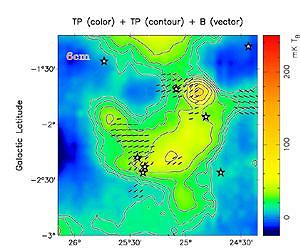
------------------------------------------------------------------------------------------------------------------------------------------------------------------quote:It may not be much use to hitchhikers through the galaxy, but it is extremely valuable to astronomers: the new radio atlas of the Milky Way. After almost ten years of work, researchers at the Max Planck Society and the Chinese Academy of Sciences have completed their investigation into the polarised radio emission in the galactic plane. The atlas is based on observations undertaken with the 25-metre radio telescope in the Chinese city of Urumqi and shows an area of 2,200 square degrees of the sky.
The radio survey covers the northern band of the Milky Way between ten and 230 degrees galactic longitude and between minus five and plus five degrees galactic latitude. The comprehensive survey shows the polarised radio emission of our galaxy at five gigahertz (corresponding to a wavelength of six centimetres) and thus at the highest frequency every recorded by terrestrial instruments.
The interstellar medium of the Milky Way comprises magnetic fields, electrons, atomic gas and other components which affect the polarisation plane of the radio emission.
The Partner Group of the Max Planck Institute for Radio Astronomy, which was set up at the National Astronomical Observatory (NAO) in Beijing, investigated the properties of regions of large-scale diffuse emission and mapped the structure of large objects which cannot be observed by larger radio telescopes. These include densely ionised clouds - the HII regions - and the remnants of exploded stars.
The aim of the project was to map the large-scale magnetic field of the Milky Way. The German and Chinese researchers found a handful of peculiar clumps with very strong, regular magnetic fields (Faraday screens) and two new supernova remnants each measuring around one degree.
These are the first sources of this type to be discovered with a Chinese radio telescope; astronomers are currently only aware of 270 such objects in the Milky Way. The researchers were also able to classify two incorrectly identified supernova remnants as thermal radio sources.
The new atlas needed more than 4,500 hours of observations to compile, and its angular resolution is similar to that of the 21-cm wavelength survey of the Milky Way obtained at the 100-metre radio telescope at Effelsberg. The comparative analysis of these two large-scale sky surveys at similar angular resolution leads to a better understanding of the processes occurring in the interstellar medium.
The establishment of the Partner Group in China dates back to a resolution of the Max Planck Society on November 9, 2000. The proposal involved collaboration in the exploration of magnetic fields in galaxies with special emphasis being placed on the investigation of the magnetic field of our Milky Way.
The most important contribution made by the Max Planck Institute for Radio Astronomy in Bonn relates to the construction of a receiver for radio emission at six-centimetre wavelength including polarisation, which is being used at the 25-metre Nanshan radio telescope in Urumqi.
The advantage of this radio telescope is its location at an altitude of 2,000 metres, where the better weather conditions are advantageous when observing radio emission at higher frequencies.
"Reciprocal visits to the institutes involved have formed a whole series of personal contacts," says Richard Wielebinski, emeritus Director at the Max Planck Institute for Radio Astronomy. "As far as the German researchers are concerned, we have established a good collaboration with our Chinese colleagues. Things which began with the Partner Group will be continued on a personal level."
"In the course of our work on this project, a total of five doctorates have been completed in our research group," says Jin-Lin Han, the Head of the Partner Group in Beijing. "Our collaboration has significantly boosted the development of radio astronomy in China. The way the objective of the Partner Group has been achieved is excellent."
NASA fears leaving space station unmanned
by Jean-Louis Santini
Washington (AFP) Aug 30, 2011
[ Bericht 1% gewijzigd door -CRASH- op 31-08-2011 21:10:15 ]
<a href="http://www.vwkweb.nl/" rel="nofollow" target="_blank">[b]Vereniging voor weerkunde en klimatologie[/b]</a>
<a href="http://www.estofex.org/" rel="nofollow" target="_blank">[b]ESTOFEX[/b]</a>
<a href="http://www.estofex.org/" rel="nofollow" target="_blank">[b]ESTOFEX[/b]</a>
01-09-2011
Stokoude ster gevonden die eigenlijk niet kan bestaan
© afp
Wetenschappers hebben een zeer primitieve ster gevonden die er volgens al lang gangbare theorieën niet hoorde te zijn, zo staat in de jongste uitgave van het wetenschappelijke vakblad Nature.
Met de Europese VLT-telescoop in Chili is in het sterrenbeeld Leeuw in het halo van onze Melkweg een ster gevonden die twintig procent minder massa heeft dan onze Zon en die bijna enkel uit waterstof en helium bestaat. Het ding bevat de kleinste hoeveelheid zwaardere elementen ooit die de astronomen "metalen" noemen.
Volgens Elisabetta Caffau van de Universiteit van Heidelberg zegt een al lang gangbare thorie dat zo'n sterren in de gevonden zone niet kunnen bestaan. Kosmologen gaan ervan uit dat kort na de Big Bang enkel de lichtste elementen zoals waterstof en helium zijn ontstaan, met enkele sporen lithium. De andere elementen zijn later ontstaan in de kern van sterren en uitgezwermd toen die ontploften. Elke nieuwe generatie sterren verrijkte zich met elementen van de vorige.
De ster in kwestie zou aldus meer dan 13 miljard jaar oud moeten zijn en bijgevolg één van de oudste ooit gevonden. (belga/gb)
(allesoversterrenkunde)
Stokoude ster gevonden die eigenlijk niet kan bestaan

© afp
Wetenschappers hebben een zeer primitieve ster gevonden die er volgens al lang gangbare theorieën niet hoorde te zijn, zo staat in de jongste uitgave van het wetenschappelijke vakblad Nature.
Met de Europese VLT-telescoop in Chili is in het sterrenbeeld Leeuw in het halo van onze Melkweg een ster gevonden die twintig procent minder massa heeft dan onze Zon en die bijna enkel uit waterstof en helium bestaat. Het ding bevat de kleinste hoeveelheid zwaardere elementen ooit die de astronomen "metalen" noemen.
Volgens Elisabetta Caffau van de Universiteit van Heidelberg zegt een al lang gangbare thorie dat zo'n sterren in de gevonden zone niet kunnen bestaan. Kosmologen gaan ervan uit dat kort na de Big Bang enkel de lichtste elementen zoals waterstof en helium zijn ontstaan, met enkele sporen lithium. De andere elementen zijn later ontstaan in de kern van sterren en uitgezwermd toen die ontploften. Elke nieuwe generatie sterren verrijkte zich met elementen van de vorige.
De ster in kwestie zou aldus meer dan 13 miljard jaar oud moeten zijn en bijgevolg één van de oudste ooit gevonden. (belga/gb)
(allesoversterrenkunde)
Death Makes Angels of us all
And gives us wings where we had shoulders
Smooth as raven' s claws...
And gives us wings where we had shoulders
Smooth as raven' s claws...
Ik heb ooit zo'n DVD-box van Carl Sagan gekocht. Ik had toen er nooit van gehoord en dacht eigenlijk dat die box recenter materiaal bevat. Toen ik de DVD's voor het eerst bekeek, dacht ik dat ik een miskoop had begaan. Ik zag alleen maar beelden van slechtere kwaliteit en alleen maar die Carl die dingen aan het uitleggen was.quote:
Met nieuwe kennis en nieuwe beelden komen ook nieuwe filmpjes die e.e.a. uitleggen
met als contrast een filmpje uit Sagan's tijd


Pas geleden ben ik die box weer wezen kijken. Ik moet zeggen dat ik het toch wel een interessante serie vind. Knap gemaakt ook voor die tijd (1980).

quote:
[..]
Ik heb ooit zo'n DVD-box van Carl Sagan gekocht. Ik had toen er nooit van gehoord en dacht eigenlijk dat die box recenter materiaal bevat. Toen ik de DVD's voor het eerst bekeek, dacht ik dat ik een miskoop had begaan. Ik zag alleen maar beelden van slechtere kwaliteit en alleen maar die Carl die dingen aan het uitleggen was.
Pas geleden ben ik die box weer wezen kijken. Ik moet zeggen dat ik het toch wel een interessante serie vind. Knap gemaakt ook voor die tijd (1980).

De Carl Sagan Tribute filmpjes
Een geweldig filmpje van Carl Sagan
Death Makes Angels of us all
And gives us wings where we had shoulders
Smooth as raven' s claws...
And gives us wings where we had shoulders
Smooth as raven' s claws...

Zou zoiets nou echt mogelijk zijn, of worden in de toekomst..
Die Chinezen timmeren trouwens ook flink aan de weg
Http://www.visionair.nl/wetenschap/zonnestelsel/krijgt-aarde-tweede-maan/
Hallo allemaal, ik ben Maron, ben niet echt hoogopgeleid, maar mijn echte interesses liggen toch eigenlijk wel bij de zaken waar ik vroeger niets over wilde leren..(en ik volg dit topic wel eens) ik ben gisteravond voor het eerst naar een sterrekijkavond geweest, en heb door de grootste telescoop van Nederland mogen lurken naar een sterrencluster..
  geweldig..
Ik was eigenlijk altijd al wel geïnteresseerd in astronomie, maar het kwam er nooit van om me er in te verdiepen.. ben blij dat ik nu eindelijk eens de stap heb gezet om het eens in het 'echie' te gaan bekijken..(ik kan het btw iedereen aanraden)
Het cinedome met realistische bewegende sterrenhemel, 'onze' melkweg, en daarna uitzomend naar nog meer oneindigheid, een 'stukje' van enkele honderden/duizenden sterrenstelsels mogen aanschouwen..ik ben verkocht..dit is zeer verslavend, en ik wil MEER..
We klagen wel eens, maar in wat een geweldige tijd leven wij toch eigenlijk..al die techniek, internet, en kennis..
Ik ga voorlopig lekker met jullie meelurken, en hoop hier ook het éen en ander op te kunnen steken..
Keep up the good work
Die Chinezen timmeren trouwens ook flink aan de weg
Http://www.visionair.nl/wetenschap/zonnestelsel/krijgt-aarde-tweede-maan/
Hallo allemaal, ik ben Maron, ben niet echt hoogopgeleid, maar mijn echte interesses liggen toch eigenlijk wel bij de zaken waar ik vroeger niets over wilde leren..(en ik volg dit topic wel eens) ik ben gisteravond voor het eerst
naar een sterrekijkavond geweest, en heb door de grootste telescoop van Nederland mogen lurken naar een sterrencluster.. geweldig..Ik was eigenlijk altijd al wel geïnteresseerd in astronomie, maar het kwam er nooit van om me er in te verdiepen.. ben blij dat ik nu eindelijk eens de stap heb gezet om het eens in het 'echie' te gaan bekijken..(ik kan het btw iedereen aanraden)
Het cinedome met realistische bewegende sterrenhemel, 'onze' melkweg, en daarna uitzomend naar nog meer oneindigheid, een 'stukje' van enkele honderden/duizenden sterrenstelsels mogen aanschouwen..ik ben verkocht..dit is zeer verslavend, en ik wil MEER..
We klagen wel eens, maar in wat een geweldige tijd leven wij toch eigenlijk..al die techniek, internet, en kennis..
Ik ga voorlopig lekker met jullie meelurken, en hoop hier ook het éen en ander op te kunnen steken..
Keep up the good work
Ik heb nog niet mogen lurken door de grootste telescoop, staat wel op het verlanglijstjequote:
Zou zoiets nou echt mogelijk zijn, of worden in de toekomst..
Die Chinezen timmeren trouwens ook flink aan de weg
Http://www.visionair.nl/wetenschap/zonnestelsel/krijgt-aarde-tweede-maan/
Hallo allemaal, ik ben Maron, ben niet echt hoogopgeleid, maar mijn echte interesses liggen toch eigenlijk wel bij de zaken waar ik vroeger niets over wilde leren..(en ik volg dit topic wel eens) ik ben gisteravond voor het eerst
Ik was eigenlijk altijd al wel geïnteresseerd in astronomie, maar het kwam er nooit van om me er in te verdiepen.. ben blij dat ik nu eindelijk eens de stap heb gezet om het eens in het 'echie' te gaan bekijken..(ik kan het btw iedereen aanraden)
Het cinedome met realistische bewegende sterrenhemel, 'onze' melkweg, en daarna uitzomend naar nog meer oneindigheid, een 'stukje' van enkele honderden/duizenden sterrenstelsels mogen aanschouwen..ik ben verkocht..dit is zeer verslavend, en ik wil MEER..
We klagen wel eens, maar in wat een geweldige tijd leven wij toch eigenlijk..al die techniek, internet, en kennis..
Ik ga voorlopig lekker met jullie meelurken, en hoop hier ook het éen en ander op te kunnen steken..
Keep up the good work
Death Makes Angels of us all
And gives us wings where we had shoulders
Smooth as raven' s claws...
And gives us wings where we had shoulders
Smooth as raven' s claws...
02-09-2011
Hoeveelheid ruimteafval bereikt kritiek punt
© afp
Astronauten van in het internationaal ruimtstation ISS konden in juni maar nipt een botsing met ruimteafval vermijden en volgens een nieuw rapport zal de situatie er niet op beteren. De Amerikaanse National Research Council waarschuwt dat de hoeveelheid puin dat rond de Aarde zweeft een alarmerend peil heeft bereikt. Het roept de NASA op snel een oplossing te vinden voor het probleem en vraagt de VS de hulp in te roepen van andere landen om mee naar oplossingen te zoeken.
© ap
"We gaan steeds meer en steeds vaker botsingen krijgen", zegt een voormalige NASA-wetenschapper die meeschreef aan het rapport. "Het zijn niet alleen astronauten die een risico lopen. Ook satellieten die miljoenen dollars hebben gekost kunnen onbruikbaar worden als ze in botsing komen met rondzwevend puin, hoe klein ook. Dat zorgt dan weer voor een vicieuze cirkel, want hoe meer botsingen er gebeuren, hoe meer puin er gecreëerd wordt. (hlnsydney/sps)
(HLN)
Hoeveelheid ruimteafval bereikt kritiek punt

© afp
Astronauten van in het internationaal ruimtstation ISS konden in juni maar nipt een botsing met ruimteafval vermijden en volgens een nieuw rapport zal de situatie er niet op beteren. De Amerikaanse National Research Council waarschuwt dat de hoeveelheid puin dat rond de Aarde zweeft een alarmerend peil heeft bereikt. Het roept de NASA op snel een oplossing te vinden voor het probleem en vraagt de VS de hulp in te roepen van andere landen om mee naar oplossingen te zoeken.

© ap
"We gaan steeds meer en steeds vaker botsingen krijgen", zegt een voormalige NASA-wetenschapper die meeschreef aan het rapport. "Het zijn niet alleen astronauten die een risico lopen. Ook satellieten die miljoenen dollars hebben gekost kunnen onbruikbaar worden als ze in botsing komen met rondzwevend puin, hoe klein ook. Dat zorgt dan weer voor een vicieuze cirkel, want hoe meer botsingen er gebeuren, hoe meer puin er gecreëerd wordt. (hlnsydney/sps)
(HLN)
Death Makes Angels of us all
And gives us wings where we had shoulders
Smooth as raven' s claws...
And gives us wings where we had shoulders
Smooth as raven' s claws...
Niemand legt het uit als Sagan!quote:
[..]
Ik heb ooit zo'n DVD-box van Carl Sagan gekocht. Ik had toen er nooit van gehoord en dacht eigenlijk dat die box recenter materiaal bevat. Toen ik de DVD's voor het eerst bekeek, dacht ik dat ik een miskoop had begaan. Ik zag alleen maar beelden van slechtere kwaliteit en alleen maar die Carl die dingen aan het uitleggen was.
Pas geleden ben ik die box weer wezen kijken. Ik moet zeggen dat ik het toch wel een interessante serie vind. Knap gemaakt ook voor die tijd (1980).
De wetenschap geeft toe dat ze nog steeds niet een spreekbuis hebben gevonden die mensen naar de wetenschap toetrekt als Carl Sagan. People try ... maar zulk charisma zit doorgaans niet in "nerds", zoals velen hun zien.

Calm down, please!
07-09-2011
Sporen astronauten te zien op helderste foto's ooit van maan
© reuters
Een ruimtetuig van de NASA heeft de helderste foto's van het maanoppervlak ooit genomen. Op de foto's zijn onder meer de sporen van de maanbuggy's én zelfs de voetstappen te zien van de astronauten die veertig jaar geleden op de maan wandelden.
© reuters
De Lunar Reconnaissance Orbiter (LRO) slaagde erin scherpe foto's te nemen van de landingsplaats van de Apollo-missies 12, 14 en 17 die eind jaren '60, begin jaren '70 werden uitgevoerd. Dat lukte door de LRO in een elliptische baan rond de maan te sturen, waarbij het laagst gelegen punt van die baan over de door de zon belichte kant van de maan hangt. Op een afstand van ongeveer 21 kilometer kon de camera op die manier haarscherpe foto's nemen.
"Deze beelden doen ons terugdenken aan onze fantastische Apollo-geschiedenis", zegt Jim Green van NASA, "maar ze sporen ons ook aan om verder te gaan met de ontdekking van ons zonnestelsel." Het budget van het Amerikaanse ruimteagentschap is door de economische crisis in de VS fel ondertussen fel verminderd. (hlnsydney/sps)
(HLN)
Sporen astronauten te zien op helderste foto's ooit van maan

© reuters
Een ruimtetuig van de NASA heeft de helderste foto's van het maanoppervlak ooit genomen. Op de foto's zijn onder meer de sporen van de maanbuggy's én zelfs de voetstappen te zien van de astronauten die veertig jaar geleden op de maan wandelden.

© reuters
De Lunar Reconnaissance Orbiter (LRO) slaagde erin scherpe foto's te nemen van de landingsplaats van de Apollo-missies 12, 14 en 17 die eind jaren '60, begin jaren '70 werden uitgevoerd. Dat lukte door de LRO in een elliptische baan rond de maan te sturen, waarbij het laagst gelegen punt van die baan over de door de zon belichte kant van de maan hangt. Op een afstand van ongeveer 21 kilometer kon de camera op die manier haarscherpe foto's nemen.
"Deze beelden doen ons terugdenken aan onze fantastische Apollo-geschiedenis", zegt Jim Green van NASA, "maar ze sporen ons ook aan om verder te gaan met de ontdekking van ons zonnestelsel." Het budget van het Amerikaanse ruimteagentschap is door de economische crisis in de VS fel ondertussen fel verminderd. (hlnsydney/sps)

(HLN)
Death Makes Angels of us all
And gives us wings where we had shoulders
Smooth as raven' s claws...
And gives us wings where we had shoulders
Smooth as raven' s claws...
06-09-2011
Melkweg bevat mogelijk duizenden 'tikkende tijdbommen'
In het Melkwegstelsel komen duizenden 'tikkende tijdbommen' voor: snel roterende witte dwergsterren die als supernova zullen exploderen wanneer hun draaisnelheid in de loop van lange tijd geleidelijk afneemt. Die conclusie trekken Rosanne Di Stefano (Harvard-Smithsonian Center for Astrophysics), Joke Claeys (Universiteit Utrecht) en Rasmus Voss (Radboud Universiteit Nijmegen) in een recent artikel in The Astrophysical Journal .
De drie sterrenkundigen hebben berekend op welke manier de draaisnelheid van witte dwergen van invloed is op hun stabiliteit. Witte dwergen zijn de compacte overblijfselen van zonachtige sterren. Als ze meer dan veertig procent zwaarder worden dan de zon, door materie-overdracht van een begeleidende ster, zijn ze niet langer bestand tegen de zwaartekracht en komen ze aan hun eind in een catastrofale supernova-explosie van het type Ia.
In sommige gevallen kan een witte dwerg echter toch zwaarder zijn, namelijk wanneer hij snel om zijn eigen as draait. Als gevolg van de middelpuntvliedende kracht is de kritische massa waaraoven de witte dwerg explodeert dan hoger dan 1,4 zonsmassa's. Zo'n snelle rotatie kan ontstaan door dezelfde materie-overdracht die ook verantwoordelijk is voor de massatoename van de witte dwerg.
Wanneer die materie-overdracht tot stilstand komt, door welke reden dan ook, zal de rotatiesnelheid van de witte dwerg echter heel langzaam weer afnemen, onder andere door het uitzenden van zwaartekrachtsgolven. Uiteindelijk is de rotatiesnelheid dan zo laag dat de ster alsnog explodeert.
Volgens Di Stefano, Claeys en Voss kan dat echter vele tientallen of honderden miljoenen jaren duren. Tegen die tijd zijn alle sporen van materie-overdracht van de begeleider al verdwenen. Op die manier verklaren de drie astronomen dat er in het licht van supernova-explosies van type Ia vrijwel nooit aanwijzingen worden gevonden voor het bestaan van een begeleider.
(allesoversterrenkunde)
Melkweg bevat mogelijk duizenden 'tikkende tijdbommen'

In het Melkwegstelsel komen duizenden 'tikkende tijdbommen' voor: snel roterende witte dwergsterren die als supernova zullen exploderen wanneer hun draaisnelheid in de loop van lange tijd geleidelijk afneemt. Die conclusie trekken Rosanne Di Stefano (Harvard-Smithsonian Center for Astrophysics), Joke Claeys (Universiteit Utrecht) en Rasmus Voss (Radboud Universiteit Nijmegen) in een recent artikel in The Astrophysical Journal .
De drie sterrenkundigen hebben berekend op welke manier de draaisnelheid van witte dwergen van invloed is op hun stabiliteit. Witte dwergen zijn de compacte overblijfselen van zonachtige sterren. Als ze meer dan veertig procent zwaarder worden dan de zon, door materie-overdracht van een begeleidende ster, zijn ze niet langer bestand tegen de zwaartekracht en komen ze aan hun eind in een catastrofale supernova-explosie van het type Ia.
In sommige gevallen kan een witte dwerg echter toch zwaarder zijn, namelijk wanneer hij snel om zijn eigen as draait. Als gevolg van de middelpuntvliedende kracht is de kritische massa waaraoven de witte dwerg explodeert dan hoger dan 1,4 zonsmassa's. Zo'n snelle rotatie kan ontstaan door dezelfde materie-overdracht die ook verantwoordelijk is voor de massatoename van de witte dwerg.
Wanneer die materie-overdracht tot stilstand komt, door welke reden dan ook, zal de rotatiesnelheid van de witte dwerg echter heel langzaam weer afnemen, onder andere door het uitzenden van zwaartekrachtsgolven. Uiteindelijk is de rotatiesnelheid dan zo laag dat de ster alsnog explodeert.
Volgens Di Stefano, Claeys en Voss kan dat echter vele tientallen of honderden miljoenen jaren duren. Tegen die tijd zijn alle sporen van materie-overdracht van de begeleider al verdwenen. Op die manier verklaren de drie astronomen dat er in het licht van supernova-explosies van type Ia vrijwel nooit aanwijzingen worden gevonden voor het bestaan van een begeleider.
(allesoversterrenkunde)
Death Makes Angels of us all
And gives us wings where we had shoulders
Smooth as raven' s claws...
And gives us wings where we had shoulders
Smooth as raven' s claws...
NASA launches twin spacecraft to study Moon's core
by Staff Writers
Washington DC (AFP) Sep 10, 2011
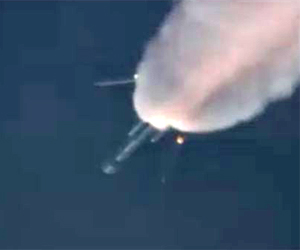
quote:NASA on Saturday launched a $500 million pair of washing-machine-sized satellites on a mission to map the Moon's inner core for the first time.
The twin spacecraft took off from Cape Canaveral Air Force Station in Florida on a three-month journey to the Moon at 9:08 am (1308 GMT) aboard a Delta II rocket.
"Liftoff of the Delta II with GRAIL, on a journey to the center of the moon," NASA commentator George Diller said upon blast-off of the GRAIL mission, which stands for Gravity Recovery and Interior Laboratory
High upper level winds delayed the first launch attempt on Thursday, and also briefly set back Saturday's launch.
The duo will travel to the Moon for more than three months, arriving into a polar lunar orbit one after the other around New Year's Day.
With one spacecraft trailing the other, the plan is for the two to use gravity tools to map the terrain beneath, revealing the contents of the inner core of the Moon, about which little is known.
The mission should also shed light on the unexplored far side of the Moon, and perhaps tell scientists whether there was once a second Moon that fused with ours.
"GRAIL will be the first mission to determine the internal structure of the Moon," program scientist Bobby Fogel told reporters this week.
"We have used gravity science before to try to gain some insight as to what is going on inside the Moon, however these have been very primitive attempts.
"If those previous attempts could be likened to a magnifying glass, GRAIL by contrast would be a high-powered microscope."
Scientists believe that the Moon was formed when a planet-sized object crashed into the Earth, throwing off a load of material that eventually became what we now recognize as our planet's airless, desolate satellite.
How it heated up over time, creating a magma ocean that later crystallized, remains a mystery, despite 109 past missions to study the Moon since 1959, and the fact that 12 humans have walked on its surface.
A recent hypothesis that there may have been two Moons that slowly merged into each other can also be tested with this mission, said principal investigator Maria Zuber.
"If we want to reconstruct the evolution of the Moon over time, we certainly need to reconstruct the temperature structure of the Moon right now," she said.
Little is known for certain about what lies inside the Moon. The widely held belief that there is a small solid iron core surrounded by a liquid iron core is unproven, said Zuber.
"It is actually quite possible that deep inside the Moon the core could be titanium oxide, which is a material that would have fallen out or would have crystallized out of the magma ocean and sunk to the deep interior of the Moon," she said.
Once the GRAIL twins enter the orbit of the Moon, they will line up with each other and "essentially chase each other around in a polar orbit as the Moon rotates slowly underneath them," said Zuber.
They will hover about 34 miles (55 kilometers) above the lunar surface, with the distance between them ranging from 37 to 140 miles (60 to 225 kilometers), collecting measurements of the terrain beneath.
The duo will accomplish the mission's primary aim of understanding the Moon's inner character by performing a series of low-altitude gravity field measurements using what is known as a Ka-band ranging instrument.
The mission itself is relatively short in duration, just 90 days once the two spacecraft reach orbit.
About 40 days after their work is done, the pair will plunge into the lunar surface, NASA said. Scientific analysis of their data is expected to continue for a year.
The project is part of NASA's Discovery program, which has launched 10 spacecraft since 1992 to study the solar system.
Last month, NASA launched its billion-dollar solar-powered spacecraft Juno on a five-year journey to Jupiter aiming to discover what makes up the solar system's biggest planet.
After GRAIL, the US space agency plans to launch its Mars Science Laboratory in November on a nearly two-year journey to the red planet.
<a href="http://www.vwkweb.nl/" rel="nofollow" target="_blank">[b]Vereniging voor weerkunde en klimatologie[/b]</a>
<a href="http://www.estofex.org/" rel="nofollow" target="_blank">[b]ESTOFEX[/b]</a>
<a href="http://www.estofex.org/" rel="nofollow" target="_blank">[b]ESTOFEX[/b]</a>
11-09-2011
Zijn we vijf miljard jaar geleden getroffen door een ander heelal?
Een mysterieuze invloed laat het heelal steeds sneller uitzetten. Ook, is na grondige statistische analyse gebleken, blijkt die uitzetting in sommige richtingen sneller te verlopen dan in andere richtingen. Van het mooie, symmetrische heelal dat kosmologische theorieën ons voorspiegelen, blijft nu onze waarnemingstechnieken steeds beter worden, steeds minder over. Wat is hiervan de verklaring?
Het heelal heeft volgens de nieuwste theorieën wel wat weg van een dessertglas. Na de snelle uitzetting in het prille begin nam de uitzetting weer af, om nu weer te versnellen.
De geschiedenis van het heelal, in een notendop
Eerst was er niets, en toen iets. Over wat er de allereerste fracties van seconden gebeurde, verschillen de meningen nog enorm. De mainstream denkt dat het heelal extreem snel uitzette en dat het vacuüm explodeerde in materie en energie: inflatie. Beter bekend is wat er daarna gebeurde. Het heelal zette snel uit en daarbij nam de temperatuur af. Er vormde zich iets meer materie dan antimaterie. Dit restje materie overleefde de onvermijdelijke annihilatie van materie en antimaterie. De rest is nu kosmische achtergrondstraling, sterk verdund door de enorme uitzetting van het heelal. Vierhonderdduizend jaar na de Big Bang werd de energiedichtheid laag genoeg om de vorming van atomen mogelijk te maken. Het heelal was vanaf die tijd doorzichtig; voor die tijd vingen de vrije elektronen voortdurend lichtdeeltjes op en verstrooiden ze.
Toen, om nog onbekende reden, vormden zich reusachtige zwarte gaten die een draaikolk van gas om zich heen verzamelden – de eerste melkwegstelsels. Daarin vormden zich de eerste sterren. Het heelal is dan 100 miljoen jaar oud. De oudste stelsels waren dwergstelsels met misschien een honderdste van de massa van ons melkwegstelsel. De zwaartekracht remde de uitzetting van het heelal steeds meer af. Gedurende bijna acht miljard jaren bleef dit in grote lijnen zo doorgaan.
Donkere energie sloeg vijf miljard jaar geleden toe
Toen, vijf miljard jaar geleden, iets voor de tijd dat zich de aarde en de rest van het zonnestelsel vormde, gebeurde er iets heel vreemds. Het heelal begon om onbekende reden weer versneld uit te zetten. Het gevolg is onder meer dat de stervorming stokt. Ons melkwegstelsel is aan het afsterven, omdat er steeds minder gas uit de snel ijler wordende intergalactische ruimte binnenstroomt voor nieuwe stervorming. Bij gebrek aan een betere term noemen kosmologen dit verschijnsel donkere energie. Men is er nog niet uit of het wordt veroorzaakt doordat de constante lambda in Einsteins vergelijking niet nul is, of omdat er een ijl energieveld, quintessence, actief is[1]. Het pleit lijkt richting quintessence of een andere niet-uniforme oorzaak te verschuiven, omdat er onregelmatigheden zijn aangetroffen. De uitzetting gaat namelijk in sommige richtingen sneller dan in andere. Samengevat: we hebben dus iets te maken dat asymmetrisch is in de ruimte en in de tijd. Op de een of andere manier lijken we ons bijna (maar niet helemaal) in het midden van een zich snel uitzettende plek te bevinden.
Dergelijke plekken zijn er meer. Waarnemingen aan de kosmische achtergrondstraling wijzen uit dat er zeer grote ‘hetere’ en ‘koelere’ plekken zijn, verspreid over het heelal. Deze plekken zijn door sommige kosmologen gekoppeld aan een controversieel idee: andere heelallen hebben toen ze zich uitzetten mogelijk het onze geraakt. Wat als dit met ons deel van het heelal gebeurd is? De snelle uitzetting heeft ook positieve kanten. Nu de gastoevoer sterk is verminderd, worden er ook veel minder zware sterren gevormd, die exploderen als supernova en een dodelijke gammaflits afgeven. Zou het leven zich kunnen hebben ontwikkelen doordat het melkwegstelsel zich in haar nadagen bevindt?
Bronnen
1. Paul Steinhardt, A quintessential introduction to dark energy, Royal Society, 2003
(Visionair.nl)
Zijn we vijf miljard jaar geleden getroffen door een ander heelal?
Een mysterieuze invloed laat het heelal steeds sneller uitzetten. Ook, is na grondige statistische analyse gebleken, blijkt die uitzetting in sommige richtingen sneller te verlopen dan in andere richtingen. Van het mooie, symmetrische heelal dat kosmologische theorieën ons voorspiegelen, blijft nu onze waarnemingstechnieken steeds beter worden, steeds minder over. Wat is hiervan de verklaring?
Het heelal heeft volgens de nieuwste theorieën wel wat weg van een dessertglas. Na de snelle uitzetting in het prille begin nam de uitzetting weer af, om nu weer te versnellen.
De geschiedenis van het heelal, in een notendop
Eerst was er niets, en toen iets. Over wat er de allereerste fracties van seconden gebeurde, verschillen de meningen nog enorm. De mainstream denkt dat het heelal extreem snel uitzette en dat het vacuüm explodeerde in materie en energie: inflatie. Beter bekend is wat er daarna gebeurde. Het heelal zette snel uit en daarbij nam de temperatuur af. Er vormde zich iets meer materie dan antimaterie. Dit restje materie overleefde de onvermijdelijke annihilatie van materie en antimaterie. De rest is nu kosmische achtergrondstraling, sterk verdund door de enorme uitzetting van het heelal. Vierhonderdduizend jaar na de Big Bang werd de energiedichtheid laag genoeg om de vorming van atomen mogelijk te maken. Het heelal was vanaf die tijd doorzichtig; voor die tijd vingen de vrije elektronen voortdurend lichtdeeltjes op en verstrooiden ze.
Toen, om nog onbekende reden, vormden zich reusachtige zwarte gaten die een draaikolk van gas om zich heen verzamelden – de eerste melkwegstelsels. Daarin vormden zich de eerste sterren. Het heelal is dan 100 miljoen jaar oud. De oudste stelsels waren dwergstelsels met misschien een honderdste van de massa van ons melkwegstelsel. De zwaartekracht remde de uitzetting van het heelal steeds meer af. Gedurende bijna acht miljard jaren bleef dit in grote lijnen zo doorgaan.
Donkere energie sloeg vijf miljard jaar geleden toe
Toen, vijf miljard jaar geleden, iets voor de tijd dat zich de aarde en de rest van het zonnestelsel vormde, gebeurde er iets heel vreemds. Het heelal begon om onbekende reden weer versneld uit te zetten. Het gevolg is onder meer dat de stervorming stokt. Ons melkwegstelsel is aan het afsterven, omdat er steeds minder gas uit de snel ijler wordende intergalactische ruimte binnenstroomt voor nieuwe stervorming. Bij gebrek aan een betere term noemen kosmologen dit verschijnsel donkere energie. Men is er nog niet uit of het wordt veroorzaakt doordat de constante lambda in Einsteins vergelijking niet nul is, of omdat er een ijl energieveld, quintessence, actief is[1]. Het pleit lijkt richting quintessence of een andere niet-uniforme oorzaak te verschuiven, omdat er onregelmatigheden zijn aangetroffen. De uitzetting gaat namelijk in sommige richtingen sneller dan in andere. Samengevat: we hebben dus iets te maken dat asymmetrisch is in de ruimte en in de tijd. Op de een of andere manier lijken we ons bijna (maar niet helemaal) in het midden van een zich snel uitzettende plek te bevinden.
Dergelijke plekken zijn er meer. Waarnemingen aan de kosmische achtergrondstraling wijzen uit dat er zeer grote ‘hetere’ en ‘koelere’ plekken zijn, verspreid over het heelal. Deze plekken zijn door sommige kosmologen gekoppeld aan een controversieel idee: andere heelallen hebben toen ze zich uitzetten mogelijk het onze geraakt. Wat als dit met ons deel van het heelal gebeurd is? De snelle uitzetting heeft ook positieve kanten. Nu de gastoevoer sterk is verminderd, worden er ook veel minder zware sterren gevormd, die exploderen als supernova en een dodelijke gammaflits afgeven. Zou het leven zich kunnen hebben ontwikkelen doordat het melkwegstelsel zich in haar nadagen bevindt?
Bronnen
1. Paul Steinhardt, A quintessential introduction to dark energy, Royal Society, 2003
(Visionair.nl)
Death Makes Angels of us all
And gives us wings where we had shoulders
Smooth as raven' s claws...
And gives us wings where we had shoulders
Smooth as raven' s claws...


Jupiterquote:Op dinsdag 13 september 2011 01:18 schreef kristyle het volgende:
Is er deze nacht een zeer heldere planeet te zien boven België/Nederland?
Of misschien het ISS?

<a href="http://www.vwkweb.nl/" rel="nofollow" target="_blank">[b]Vereniging voor weerkunde en klimatologie[/b]</a>
<a href="http://www.estofex.org/" rel="nofollow" target="_blank">[b]ESTOFEX[/b]</a>
<a href="http://www.estofex.org/" rel="nofollow" target="_blank">[b]ESTOFEX[/b]</a>
<a href="http://www.vwkweb.nl/" rel="nofollow" target="_blank">[b]Vereniging voor weerkunde en klimatologie[/b]</a>
<a href="http://www.estofex.org/" rel="nofollow" target="_blank">[b]ESTOFEX[/b]</a>
<a href="http://www.estofex.org/" rel="nofollow" target="_blank">[b]ESTOFEX[/b]</a>
quote:André Kuipers op 20 december de ruimte in

Death Makes Angels of us all
And gives us wings where we had shoulders
Smooth as raven' s claws...
And gives us wings where we had shoulders
Smooth as raven' s claws...
14-08-2011
Fermi-ruimtetelescoop bevestigt overschot van antimaterie in kosmische straling
De kosmische straling - energierijke elektrisch geladen deeltjes uit het heelal - bevat een overschot aan positronen, de positief geladen antideeltjes van elektronen. Die opzienbarende ontdekking, in 2008 gedaan door de Russische PAMELA-satelliet, is nu op een ingenieuze wijze bevestigd door de Amerikaanse Fermi Gamma-ray Space Telescope. De herkomst van de positronen is echter nog steeds onopgehelderd.
De Fermi-ruimtetelescoop is ontworpen voor het detecteren van elektromagnetische gammastraling, en niet voor het identificeren van elektrisch geladen deeltjes. De Large Area Telescope van Fermi registreert wel energierijke kosmische straling, maar kan daarbij geen onderscheid maken tussen negatief geladen elektronen en positief geladen positronen. Daarvoor zou de telescoop uitgerust moeten worden met een krachtige magneet, die deeltjes met verschillende lading in verschillende richtingen afbuigt.
Onderzoekers van het Kavli Institute for Particle Astrophysics and Cosmology kwamen echter op het idee om gebruik te maken van het magnetisch veld van de aarde. Ook het aardmagnetisch veld buigt elektronen en positronen in de kosmische straling in iets verschillende richtingen af. Daardoor zijn er - gezien vanuit Fermi - bepaalde gebieden aan de hemel, aan weerszijden van de aarde, waar ófwel alleen positronen waarneembaar zijn, ófwel alleen elektronen. Door waarnemingen in die twee gebieden te verrichten, kon Fermi de relatieve verhouding tussen elektronen en positronen meten.
De bevestiging van de PAMELA-resultaten is van groot belang, omdat die metingen niet door iedereen werden geloofd. De oorzaak van het positronen-overschot is echter nog steeds niet opgehelderd. Er zijn twee mogelijkheden: de antideeltjes zouden geproduceerd kunnen zijn in de directe omgeving van energierijke pulsars, of ze zouden kunnen zijn ontstaan bij de annihilatie van donkere-materiedeeltjes. Beide mogelijke verklaringen stuiten echter op theoretische moeilijkheden, vooral omdat de Fermi-metingen laten zien dat het positronen-overschot ook op zeer hoge energieën bestaat.
De Fermi-resultaten worden binnenkort gepubliceerd in Physical Review Letters .
(allesoversterrenkunde)
Fermi-ruimtetelescoop bevestigt overschot van antimaterie in kosmische straling

De kosmische straling - energierijke elektrisch geladen deeltjes uit het heelal - bevat een overschot aan positronen, de positief geladen antideeltjes van elektronen. Die opzienbarende ontdekking, in 2008 gedaan door de Russische PAMELA-satelliet, is nu op een ingenieuze wijze bevestigd door de Amerikaanse Fermi Gamma-ray Space Telescope. De herkomst van de positronen is echter nog steeds onopgehelderd.
De Fermi-ruimtetelescoop is ontworpen voor het detecteren van elektromagnetische gammastraling, en niet voor het identificeren van elektrisch geladen deeltjes. De Large Area Telescope van Fermi registreert wel energierijke kosmische straling, maar kan daarbij geen onderscheid maken tussen negatief geladen elektronen en positief geladen positronen. Daarvoor zou de telescoop uitgerust moeten worden met een krachtige magneet, die deeltjes met verschillende lading in verschillende richtingen afbuigt.
Onderzoekers van het Kavli Institute for Particle Astrophysics and Cosmology kwamen echter op het idee om gebruik te maken van het magnetisch veld van de aarde. Ook het aardmagnetisch veld buigt elektronen en positronen in de kosmische straling in iets verschillende richtingen af. Daardoor zijn er - gezien vanuit Fermi - bepaalde gebieden aan de hemel, aan weerszijden van de aarde, waar ófwel alleen positronen waarneembaar zijn, ófwel alleen elektronen. Door waarnemingen in die twee gebieden te verrichten, kon Fermi de relatieve verhouding tussen elektronen en positronen meten.
De bevestiging van de PAMELA-resultaten is van groot belang, omdat die metingen niet door iedereen werden geloofd. De oorzaak van het positronen-overschot is echter nog steeds niet opgehelderd. Er zijn twee mogelijkheden: de antideeltjes zouden geproduceerd kunnen zijn in de directe omgeving van energierijke pulsars, of ze zouden kunnen zijn ontstaan bij de annihilatie van donkere-materiedeeltjes. Beide mogelijke verklaringen stuiten echter op theoretische moeilijkheden, vooral omdat de Fermi-metingen laten zien dat het positronen-overschot ook op zeer hoge energieën bestaat.
De Fermi-resultaten worden binnenkort gepubliceerd in Physical Review Letters .
(allesoversterrenkunde)
Death Makes Angels of us all
And gives us wings where we had shoulders
Smooth as raven' s claws...
And gives us wings where we had shoulders
Smooth as raven' s claws...
14-09-2011
Spiraalstructuur Melkweg door botsing ontstaan
Computersimulaties door Amerikaanse astronomen laten zien dat de spiraalstructuur van ons Melkwegstelsel voor een belangrijk deel is veroorzaakt door een botsing met het (oorspronkelijk niet zo kleine) Sagittarius-dwergstelsel (Nature, 15 september).
Het Sagittarius-dwergstelsel is een moeilijk waarneembaar satellietstelsel van de Melkweg, dat pas in 1994 werd ontdekt. Uit de baan die het volgt blijkt dat het de afgelopen twee miljard jaar twee keer dwars door de melkwegschijf heen is gegaan en dat over tien miljoen jaar opnieuw zal doen.
Het dwergstelsel heeft daar een hoge prijs voor betaald. Het is het grootste deel van zijn sterren en (donkere) materie kwijtgeraakt, en is geen schim meer van wat het ooit is geweest.
Maar de botsingen hebben ook het Melkwegstelsel niet onberoerd gelaten, zo laten de computersimulaties zien. Zowel de centrale balk, de spiraalstructuur als de welving in de buitenste delen van melkwegschijf kunnen door deze ontmoetingen zijn veroorzaakt.
Eerdere pogingen om de structuur van ons sterrenstelsel te verklaren gingen er nog van uit dat er geen invloeden van buitenaf in het spel zijn geweest.
© Eddy Echternach (www.astronieuws.nl)
(allesoversterrenkunde)
Spiraalstructuur Melkweg door botsing ontstaan

Computersimulaties door Amerikaanse astronomen laten zien dat de spiraalstructuur van ons Melkwegstelsel voor een belangrijk deel is veroorzaakt door een botsing met het (oorspronkelijk niet zo kleine) Sagittarius-dwergstelsel (Nature, 15 september).
Het Sagittarius-dwergstelsel is een moeilijk waarneembaar satellietstelsel van de Melkweg, dat pas in 1994 werd ontdekt. Uit de baan die het volgt blijkt dat het de afgelopen twee miljard jaar twee keer dwars door de melkwegschijf heen is gegaan en dat over tien miljoen jaar opnieuw zal doen.
Het dwergstelsel heeft daar een hoge prijs voor betaald. Het is het grootste deel van zijn sterren en (donkere) materie kwijtgeraakt, en is geen schim meer van wat het ooit is geweest.
Maar de botsingen hebben ook het Melkwegstelsel niet onberoerd gelaten, zo laten de computersimulaties zien. Zowel de centrale balk, de spiraalstructuur als de welving in de buitenste delen van melkwegschijf kunnen door deze ontmoetingen zijn veroorzaakt.
Eerdere pogingen om de structuur van ons sterrenstelsel te verklaren gingen er nog van uit dat er geen invloeden van buitenaf in het spel zijn geweest.
© Eddy Echternach (www.astronieuws.nl)
(allesoversterrenkunde)
Death Makes Angels of us all
And gives us wings where we had shoulders
Smooth as raven' s claws...
And gives us wings where we had shoulders
Smooth as raven' s claws...


http://www.nasa.gov/mission_pages/kepler/news/kepler-16b.htmlquote:NASA’s Kepler Mission Discovers a World Orbiting Two Stars
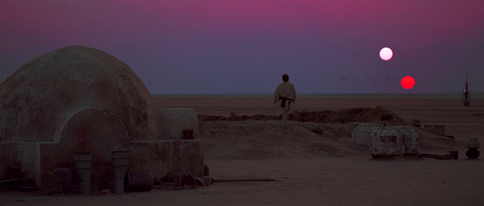
NASA's Kepler mission has turned fiction into fact. A world with a double sunset that was first imagined in Star Wars over 30 years ago in a galaxy far, far away has become scientific reality. NASA's Kepler mission has made the first unambiguous detection of a circumbinary planet -- a planet orbiting, not one, but two stars -- 200 light-years from Earth.
The planet is cold and gaseous unlike Star Wars' Tatooine and is not thought to harbor life, but its discovery demonstrates the diversity of planets in our solar system.
Unequivocal evidence for the existence of a circumbinary planet has been limited, until now. Hints of their existence have been presented, but clear confirmation has been elusive. Kepler detected the planet through what is known as a planetary transit -- an event where the brightness of a star dims as a result of a planet crossing in front of it.
"This discovery provides confirmation of a new class of planetary systems that could harbor life. Given that most stars in our galaxy are part of a binary system, this means that the opportunities for life are much broader than if planets form only around single stars," said Kepler principal investigator William Borucki. "This milestone discovery confirms a theory that scientists have had for decades but could not be proven until now."
A research team, led by Laurance Doyle of the SETI Institute, used data from the Kepler space telescope, which measures dips in the brightness of more than 150,000 stars, to search for transiting planets. Kepler is the first NASA mission capable of finding Earth-size planets in or near the "habitable zone," the region in a planetary system where liquid water can exist on the surface of the orbiting planet. This finding provides significant insight into the world of planetary formation.
"Theorists have been debating for years about whether giant planets could form around close binary star systems- some said yes, others said no," said theoretical astrophysicist Alan Boss of the Carnegie Institution of Washington. "Kepler has now answered this question with a resounding 'YES'!"
This discovery confirms that Kepler-16b is an inhospitable, cold world about the size of Saturn, and thought to be made up of about half rock and half gas. The parent stars are both smaller than our sun; one is 69 percent and the other only 20 percent the mass of the sun. Kepler-16b orbits around both stars every 229 days, similar to Venus’ 225-day orbit, but lies outside the system's habitable zone, where liquid water could exist on the surface, because the stars are cooler than our sun.
"Working in film, we are often tasked with creating something never before seen," said visual effects supervisor John Knoll of Industrial Light & Magic. "However, more often than not, scientific discoveries prove to be more spectacular than anything we dare imagine. There is no doubt these discoveries influence and inspire storytellers. Their very existence serves as cause to dream bigger, to open our mind to new possibilities beyond what we think we 'know'."
For more information about the Kepler-16 discovery, visit:
http://kepler.nasa.gov/Mission/discoveries/kepler16b/
For more information about NASA’s Kepler Mission, visit:
http://www.nasa.gov/kepler
For more information about NASA’s Ames Research Center, visit:
http://www.nasa.gov/ames
Net zoals op Tatooine

Op dinsdag 23 augustus 2011 23:18 schreef problematiQue het volgende:
Mensen die zomaar claimen dat A beter is dan B moet je gewoon negeren. Internetruis.
Mensen die zomaar claimen dat A beter is dan B moet je gewoon negeren. Internetruis.


Centraal Exo-Planeten Topicquote:
[ afbeelding ]
[..]
http://www.nasa.gov/mission_pages/kepler/news/kepler-16b.html
Net zoals op Tatooine
[ afbeelding ]
Death Makes Angels of us all
And gives us wings where we had shoulders
Smooth as raven' s claws...
And gives us wings where we had shoulders
Smooth as raven' s claws...

