NWS Nieuws & Achtergronden
Discussieer hier diepgaander over de actualiteiten.



Vraag en aanbod. Het is Irak, geen Zwitserland. Er is corruptie.quote:Op zaterdag 3 januari 2015 20:37 schreef Slayage het volgende:
[..]hand in hand kameraaaden hand in hand


uhuquote:Op zaterdag 3 januari 2015 20:40 schreef Peunage het volgende:
[..]
Vraag en aanbod. Het is Irak, geen Zwitserland. Er is corruptie.
Ik heb Hem niet uit vrees voor de hel noch uit liefde voor het paradijs gediend, want dan zou ik als de slechte huurling zijn geweest; ik heb hem veeleer gediend in liefde tot Hem en in verlangen naar Hem.
-Rabia Al-Basri
-Rabia Al-Basri
Iraq's holy city of Karbala becomes a haven from sectarian fighting
quote:When millions of Shiite Muslim pilgrims descended last month on the shrine with twin gold domes in this holy city, many Iraqis expected sectarian fighting to erupt.
Instead, the largely peaceful gathering of more than 17 million Shiites provided a place of refuge from violence, with some pilgrims speaking hopefully of an end to this nation's sectarian clashes.
The road from Baghdad to Karbala, 50 miles to the south, was busy late last week, with army checkpoints crowded and the roadsides littered with stands catering to pilgrims. Many had traveled across the country — some on foot — the week before to mark Arbaeen, the end of the 40-day mourning period for Imam Hussein, the 7th century Shiite martyr slain and buried at Karbala.
The bearded image of the imam, a key figure in the historic split between Shiite and Sunni Muslims, is everywhere in Baghdad these days: on signs, flags, billboards and banners posted in residential neighborhoods, outside businesses, police stations, even the morgue.
Those flags also flew last week from roadside stands along the highway south. Nearby buildings pocked with bullet holes were a reminder that a few years ago this area was known as the "Triangle of Death," the scene of fierce battles between the U.S. military and insurgents.
In the Euphrates Valley farming town of Jurf Nasr, 40 miles south of Baghdad, more images of Imam Hussein appeared, as well as billboards honoring hometown heroes killed battling the Islamic State insurgent group. Baghdad has remained relatively peaceful in recent weeks, but here in the belt of towns surrounding the capital, Iraqi forces and Shiite militias are still fighting the Sunni extremists who seized large sections of Iraq during the summer.
Jurf Nasr was once a Sunni town known as Jurf Sakhr, or "rocky bank," a haven for militants. But for the Ashura holiday during the fall, with Islamic State threatening to slaughter Shiite pilgrims as they passed through town toward Karbala, Iraqi security forces and Shiite militias launched a two-day assault that chased Sunni families away and left the town a battered and burned outpost. The government renamed the town Jurf Nasr, "the bank of victory."
On the far side of the Baghdad Belt, Karbala is thriving. There's a new mall, high-rise hotels and signs advertising expensive developments. The shrine is expanding, as is the one in the nearby Shiite holy city of Najaf.
Scores of pilgrims and residents filled the courtyard between the gold domes last week, the women wearing the required head scarves and ankle length gowns, or abayas. Many families slipped off their shoes to sit together on massive rugs, picnicking on falafel and sticky coconut sweets from nearby stands as their children played.
Nahedh Shaheed, 38, said he and his Shiite family were forced to flee to Karbala nine years ago from Baghdad's mixed sect neighborhood of Dora after his brother was shot and killed. They still own a house in the capital, but the area is now mostly Sunni and he is afraid to return.
"We feel safe here," he said as he shared butterscotch candy with his five children in the shadow of the shrine.
Shaheed, who works at the Interior Ministry, said the government can take credit for protecting the millions who flocked to Karbala during December. "We consider it a strike against the enemies," he said, referring to Islamic State.
He doesn't want to see Iraq divided by sectarianism, splitting off into independent states of Shiites, Sunni Arabs and Kurds. He sees Karbala not as a Shiite city but as a refuge for the persecuted.
"I wish religious minorities would come to Karbala — it's safer. We can show the world that Daesh is not the face of Islam," he said, referring to Islamic State by an Arabic acronym. "This place is like psychological relief for people. When they leave, they feel more secure."
Many of those displaced by Islamic State have poured into Karbala, including religious and ethnic minorities from northern Iraq.
Seated on the rug nearby was one of the displaced: Mohammed Khalil, 48, whose Shiite Turkmen family of 10 was forced to flee the northern town of Tal Afar in June after Islamic State invaded. He said their home was later seized by Sunni neighbors.
He knows at least 10 Turkmen neighbors killed by Islamic State as they made their way south. More than 30 members of his tribe disappeared, he said, including a day-old baby and a 91-year-old man.
A former employee of the Health Ministry, Khalil has not been paid in months. But in Karbala, he said, his family found an apartment and support from the Shiite community.
"The people helped us more than the government," he said, "Our government is weak. We don't have hope that the government can get us back into our homes."
Seated near him was Hussein Zaid, 38, of Baghdad, who had volunteered during the summer with the Shiite brigades that routed Islamic State in Jurf Nasr. His captain was among the dead memorialized in roadside billboards.
There have been reports in recent days of Shiite fighters deserting the front lines because of economic hardship, but Zaid said he and others were decommissioned after the victory in Jurf Nasr and are prepared to return if needed. "If they ask us, I will fight again," he said as he sat fingering a set of prayer beads.
Zaid said he doesn't support sectarianism, that he fought to rid Jurf Nasr of Sunni extremists, not all Sunnis.
Just then, a group of Shiite men passed, chanting and praying. Behind them, the sun was setting, reflected on the golden domes. The shrine would remain open until midnight without incident.
Zaid said he has faith that the peace maintained here will triumph over sectarianism in the long run.
"I am hopeful. A lot of countries are investing in Iraq, and there is peace in Baghdad and the south," he said, "We don't want different states inside Iraq. We want one Iraq."
wat is de percentage van niet shia in karbala?
Ik heb Hem niet uit vrees voor de hel noch uit liefde voor het paradijs gediend, want dan zou ik als de slechte huurling zijn geweest; ik heb hem veeleer gediend in liefde tot Hem en in verlangen naar Hem.
-Rabia Al-Basri
-Rabia Al-Basri
Geen idee, er zitten daar nu heel veel vluchtelingen (soennieten, christenen, etc.).quote:
wat is de percentage van niet shia in karbala?
In Karbala en Najaf wonen alleen maar Sjiieten. Je hebt nu wel Sunni,Christelijke en Turkmeense vluchtelingen.quote:
wat is de percentage van niet shia in karbala?
Vond deze juist minder geforceerd overkomen dan die Kobani-video. Hij doet overkomen te weten hoe het dagelijks leven in het Kalifaat zich afspeelt. Terwijl hij in werkelijkheid natuurlijk in een cel/gesloten ruimte zit weg te rotten.quote:Op zondag 4 januari 2015 02:49 schreef vigen98 het volgende:
Sorry maar hij maakt zich zoooo belachelijk ondanks dat ik weet dat het gedwongen is maar dat nep lachje ook en super slecht acteer werk.. Wie maak je nog wijs....
Hij heeft inderdaad geen keuze lijkt me. Hij weet dat z'n maatje waarmee hij werd ontvoerd gruwelijk onthoofd is. Toch denk ik dat weinig mensen hun ontvoerders in het gezicht zouden spuwen in zo'n situatie.

Ik heb Hem niet uit vrees voor de hel noch uit liefde voor het paradijs gediend, want dan zou ik als de slechte huurling zijn geweest; ik heb hem veeleer gediend in liefde tot Hem en in verlangen naar Hem.
-Rabia Al-Basri
-Rabia Al-Basri
Tijdje inactief geweest, maar de patriottistische huis-Koerd is weer terug. Zoals gewoonlijk weer de oude zolderkamer fokkers actief zie ik en zelfs aan de zelfde kant 
Nationalistische Turken
Nationalistische Koerden
EN
IPA Heb even het vorige draadje doorgelezen, maar gozer jij bent alles behalve objectief. Moet ik mij toch even aansluiten bij Stimrol; je lijkt inderdaad op een gozer die zich inleest op het internet en zich even voordoet als de alwetende over Koerden, assimilatie en ''eergevoel'' van de Koerden. De paar Koerden die jij ooit gesproken hebt zijn statistisch, of anders, geen bewijs materiaal voor de onzin die jij hier als feiten staat te verkondigen.
Is dit een persoonlijke aanval? Jazeker! De Koerden even zwart maken als mensen die hun taal en tradities zijn vergeten.... Dat is zoiets als elke Nederlander veroordelen voor alle Joden die zijn uitgeleverd tijdens WO II. Kortom idioot Mensen zijn bezig met overleven en de mondjes van kinderen voeden. Vanuit de comfort uit Nederland is het makkelijk praten over ''bruine arm'' en ''ik verloochen ze''.
Verder nog wat interessants gebeurd laatste tijden?
Nationalistische Turken
Nationalistische Koerden
EN
IPA
Heb even het vorige draadje doorgelezen, maar gozer jij bent alles behalve objectief. Moet ik mij toch even aansluiten bij Stimrol; je lijkt inderdaad op een gozer die zich inleest op het internet en zich even voordoet als de alwetende over Koerden, assimilatie en ''eergevoel'' van de Koerden. De paar Koerden die jij ooit gesproken hebt zijn statistisch, of anders, geen bewijs materiaal voor de onzin die jij hier als feiten staat te verkondigen. Is dit een persoonlijke aanval? Jazeker! De Koerden even zwart maken als mensen die hun taal en tradities zijn vergeten.... Dat is zoiets als elke Nederlander veroordelen voor alle Joden die zijn uitgeleverd tijdens WO II. Kortom idioot
Mensen zijn bezig met overleven en de mondjes van kinderen voeden. Vanuit de comfort uit Nederland is het makkelijk praten over ''bruine arm'' en ''ik verloochen ze''. Verder nog wat interessants gebeurd laatste tijden?

Aan het werk....zouden meer misschien moeten doen?quote:
Op woensdag 26 oktober 2022 07:33 schreef Lospedrosa:
“Kan gebeuren in een live uitzending dat je je een beetje laat meeslepen er bleert dat je kinderen maar moet verbranden.”
“Kan gebeuren in een live uitzending dat je je een beetje laat meeslepen er bleert dat je kinderen maar moet verbranden.”
En jij dan?quote:
[..]
Aan het werk....zouden meer misschien moeten doen?
"But the age of chivalry is gone; that of sophisters, economists, and calculators has succeeded, and the glory of Europe is extinguished forever."- Edmund Burke
twitter:PetoLucem twitterde op maandag 05-01-2015 om 20:32:22 NEW MAP: Military situation in Al #Anbar and #Baghdad Governorates. #Iraq #ISF #IslamicState http://t.co/Qnp9OKusXi reageer retweet
 NEW MAP: Military situation in Al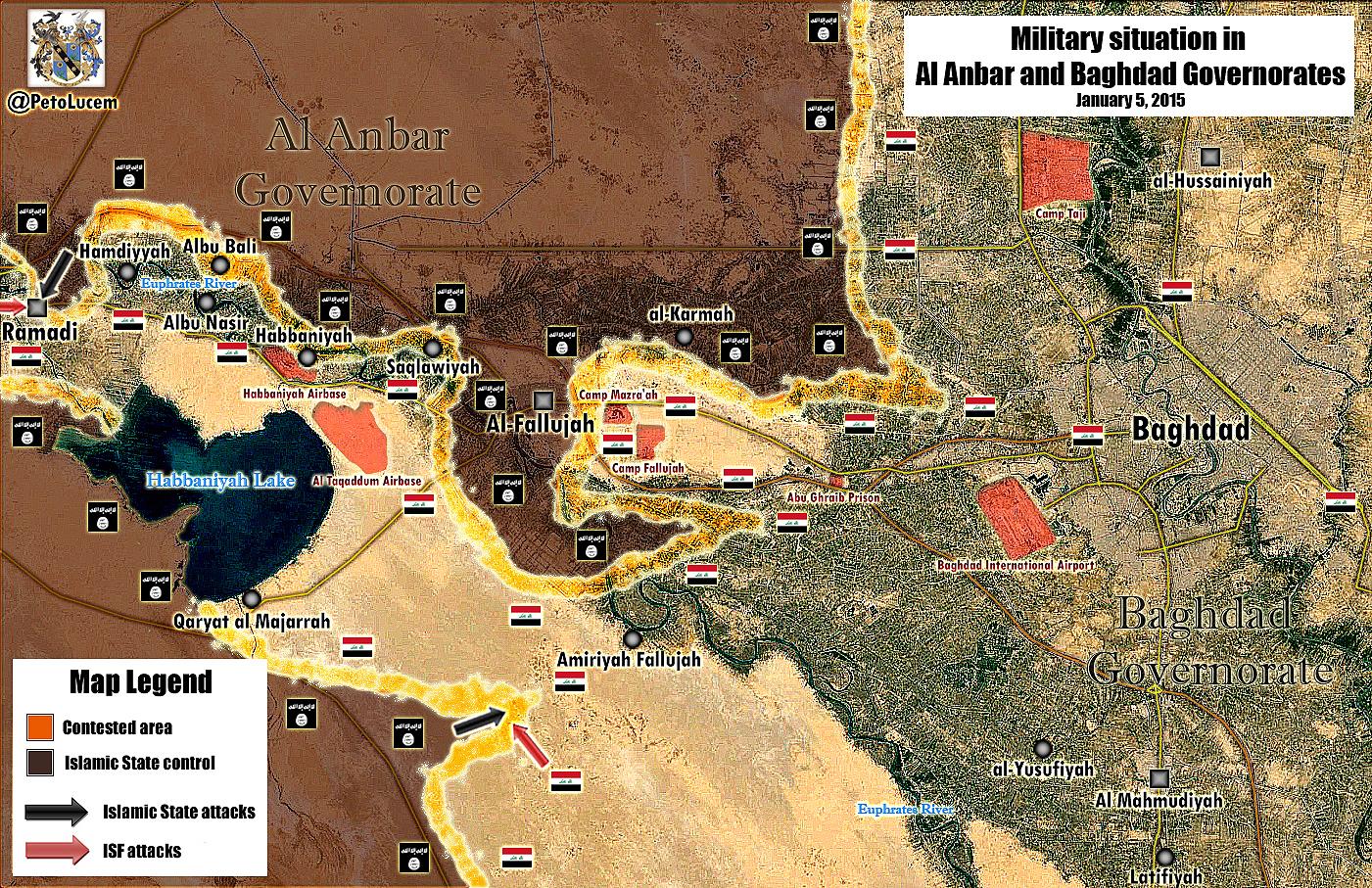
Say what?
twitter:EjmAlrai twitterde op dinsdag 06-01-2015 om 09:41:19 320 U.S. troops @ Al Asad air base/Iraq r now coming under mortar & rocket fire from nearby IS fighters http://t.co/c7EgqRm6cn v @Anaminona reageer retweet
 320 U.S. troops @ Al Asad air base/Iraq r now coming under mortar & rocket fire from nearby IS fighters
Say what?

quote:
De PKK mag het smerige werk weer opknappen.

Ik heb Hem niet uit vrees voor de hel noch uit liefde voor het paradijs gediend, want dan zou ik als de slechte huurling zijn geweest; ik heb hem veeleer gediend in liefde tot Hem en in verlangen naar Hem.
-Rabia Al-Basri
-Rabia Al-Basri


De Koerden en de Duitsers lijken elkaar gevonden te hebben. 
quote:Duitsland gaat meer wapens aan Koerden leveren
Duitsland gaat meer wapens leveren aan de Koerden voor hun strijd tegen Islamitische Staat (IS) in Irak. Het ministerie van Defensie bekijkt welke en hoeveel wapens er naar de Koerden gaan.
Dat schrijft het Duitse tijdschrift Der Spiegel zaterdag op basis van bronnen.
De Koerden hebben vorig jaar herfst geweren, pantserdoorborende raketten en granaten van de Duitsers gekregen. De Koerden hebben nu zelf gevraagd of er meer wapens en munitie kunnen worden geleverd. De regering bevestigde in antwoorden op vragen van Bondsdagleden dat er een aanvraag is gedaan.
Volgens Der Spiegel is minister Ursula von der Leyen van Defensie vastberaden de hulp te leveren. De Koerden zouden vooral behoefte hebben aan meer geweren en munitie voor de Duitse wapens die al geleverd zijn.
Door: ANP
Say what?

Ik snap het niet. Waarom wordt er aan de Koerden wel geschonken en het Iraakse leger niet?quote:
De Koerden en de Duitsers lijken elkaar gevonden te hebben.
[..]
Omdat het in hun belang is.quote:
[..]
Ik snap het niet. Waarom wordt er aan de Koerden wel geschonken en het Iraakse leger niet?
Het grappige van dit soort barzani fanboys is dat zij het hardst aan het lachen waren toen het Iraakse leger wegrende voor isis en dat zij isis wel even een kop kleiner zouden maken. Ze riepen ook het hardst voor het aftreden van maliki omdat hij faalde. Wat ook zo was, daar geef ik ze gelijk in.quote:
En nu als iemand kritiek op barzani heeft of het falen van barzani aanstipt dan maken ze je gelijk uit voor PKK sympathisant.
Gaat niet zo goed met de Peshmergaatjes. Weer een stuk of 30 in de pan gehakt.
http://www.dailysabah.com(...)rga-in-northern-iraq
http://www.dailysabah.com(...)rga-in-northern-iraq

Andersom hakken zij veel meer salafistjes in de pan en winnen terrein, dus gaat nog prima.
Say what?
Tja, de Koerden mogen even tijd rekken totdat de Amerikanen klaar zijn met het stapelen van oorlogsmateriaal in Koeweit. Dan veegt het Westen in de naam van vrijheid en democratie weer even de zandbak schoon.quote:
Gaat niet zo goed met de Peshmergaatjes. Weer een stuk of 30 in de pan gehakt.
http://www.dailysabah.com(...)rga-in-northern-iraq


Want er komt een invasie?quote:
[..]
Tja, de Koerden mogen even tijd rekken totdat de Amerikanen klaar zijn met het stapelen van oorlogsmateriaal in Koeweit. Dan veegt het Westen in de naam van vrijheid en democratie weer even de zandbak schoon.
Gaat niet gebeuren.quote:
[..]
Tja, de Koerden mogen even tijd rekken totdat de Amerikanen klaar zijn met het stapelen van oorlogsmateriaal in Koeweit. Dan veegt het Westen in de naam van vrijheid en democratie weer even de zandbak schoon.
Say what?

Dat is niets vergeleken met de duizenden ISIS strijders die al in het graf liggen.quote:
Gaat niet zo goed met de Peshmergaatjes. Weer een stuk of 30 in de pan gehakt.
http://www.dailysabah.com(...)rga-in-northern-iraq
Ура для россии
Die winst op IS is ook maar betrekkelijk, de extremisten graven zich in en wachten rustig af tot de Westerse aanvallen minder worden of de vijand zich uitput, ze hebben het makkelijk wat dat betreft, ook al lijden ze grote verliezen, met de huidige stand van zaken komen ze toch wel weer terug naar boven drijven.
Uit soennitische gebieden gaat ISIS sowieso niet verdreven worden, niemand heeft daar zin in.quote:
Die winst op IS is ook maar betrekkelijk, de extremisten graven zich in en wachten rustig af tot de Westerse aanvallen minder worden of de vijand zich uitput, ze hebben het makkelijk wat dat betreft, ook al lijden ze grote verliezen, met de huidige stand van zaken komen ze toch wel weer terug naar boven drijven.
Say what?
