BNW Brave New World
Samenzwering, verborgen agenda's en geheime geschiedenis. De zoektocht naar de wereld die achter de façade van alledag ligt.



Nee, deze strijd om het zaad gaat niet over seks:
http://tegenlicht.vpro.nl(...)ijd-om-het-zaad.html
http://tegenlicht.vpro.nl(...)ijd-om-het-zaad.html

Dit.quote:Op vrijdag 5 juli 2013 19:41 schreef ems. het volgende:
Maar....maar.... de hooivorken zijn al van de schuur gehaald
Maargoed, wederom een interessant voorbeeld van de paranoia en angst van de simpele man. Er is weer eens niets aan de hand


In amerika krijg je dit soort taferelen van die zaadjes waar die monsanta dood leuk mee aan het rotzooien is.

The ONE is all.
-
And the ALL are ONE.
-
-
And the ALL are ONE.
-

Jezus, lezen mensen de hele reeks niet of zo?
Broccoli is helemaal niet gepatenteerd, het is een stuk genuanceerder dan dat.
Broccoli is helemaal niet gepatenteerd, het is een stuk genuanceerder dan dat.

Jij denkt dat broccoli al miljoenen jaren bestaat?quote:
Hoe kan je iets patenteren dat uit de natuur komt, en al miljoenen jaren bestaat?
Egregious professor of Cruel and Unusual Geography
Onikaan ni ov dovah
Onikaan ni ov dovah
Gokje, dat is uit dat onderzoek met de kanker gevoelige ratten?quote:
In amerika krijg je dit soort taferelen van die zaadjes waar die monsanta dood leuk mee aan het rotzooien is.
[ afbeelding ]
Egregious professor of Cruel and Unusual Geography
Onikaan ni ov dovah
Onikaan ni ov dovah


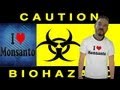

Wat een onzin. Je kan geen octrooi krijgen op een biologisch proces. Ook niet op broccoli. Monsanto heeft broccoli genetisch gemodificeerd om een langere steel te krijgen zodat het minder gevoelig is voor parasieten en andere plantenziektes. Het octrooi geldt dan ook alleen voor de werkwijze waarmee de broccoli is gemodificeerd en de specifieke vorm van broccoli die daarmee is verkregen. De broccoli in de supermarkt heeft daar weinig mee te maken.
Overigens betekent het nog weinig dat het EPO een octrooi verleent. Nationale lidstaten (zoals Nederland) kunnen in rechtszaken een octrooi vernietigen, als de geldigheid wordt bestreden. Ervaring leert ook dat een zéér groot aantal octrooien dat door het europees octrooibureau wordt verleend in een rechtszaak wordt vernietigd.
Voor de geïnteresseerden in juridisch jibberish:
"Hence, in more general terms, the conclusion to be drawn is that a process for the production of plants which is based on the sexual crossing of whole genomes and on the subsequent selection of plants, in which human intervention, including the provision of a technical means, serves to enable or assist the performance of the process steps, remains excluded from patentability as being essentially biological within the meaning of Article 53(b) EPC.
However, if a process of sexual crossing and selection includes within it an additional step of a technical nature, which step by itself introduces a trait into the genome or modifies a trait in the genome of the plant produced, so that the introduction or modification of that trait is not the result of the mixing of the genes of the plants chosen for sexual crossing, then that process leaves the realm of the plant breeding, which the legislator wanted to exclude from patentability. Therefore, such a process is not excluded from patentability under Article 53(b) EPC but qualifies as a potentially patentable teaching.
The above applies only where such additional step is performed within the steps of sexually crossing and selection, independently from their number of repetitions. Otherwise the exclusion of sexual crossing and selection processes from patentability under Article 53(b) EPC could be circumvented simply by adding steps which do not properly pertain to the crossing and selection process, being either upstream steps dealing with the interpretation of the plant(s) to be crossed or downstream steps dealing with the further treatment of the plant resulting from such crossing and selection process. Any such additional technical steps which are performed either before or after the process of crossing and selection should therefore be ignored when determining whether or not the process is excluded from patentability under Article 53(b) EPC. For the previous or subsequent steps per se patent protection is available. This is the case, for example, for genetic engineering techniques applied to plants which techniques differ profoundly from conventional breeding techniques as they work primarily through the purposeful insertion and/or modification of one or more genes in a plant (cf T 356/93 supra). However, in such cases the claims should not, explicitly or implicitly, include the sexual crossing and selection process."
[ Bericht 35% gewijzigd door Gush op 20-02-2014 11:10:55 ]
Overigens betekent het nog weinig dat het EPO een octrooi verleent. Nationale lidstaten (zoals Nederland) kunnen in rechtszaken een octrooi vernietigen, als de geldigheid wordt bestreden. Ervaring leert ook dat een zéér groot aantal octrooien dat door het europees octrooibureau wordt verleend in een rechtszaak wordt vernietigd.
Voor de geïnteresseerden in juridisch jibberish:
"Hence, in more general terms, the conclusion to be drawn is that a process for the production of plants which is based on the sexual crossing of whole genomes and on the subsequent selection of plants, in which human intervention, including the provision of a technical means, serves to enable or assist the performance of the process steps, remains excluded from patentability as being essentially biological within the meaning of Article 53(b) EPC.
However, if a process of sexual crossing and selection includes within it an additional step of a technical nature, which step by itself introduces a trait into the genome or modifies a trait in the genome of the plant produced, so that the introduction or modification of that trait is not the result of the mixing of the genes of the plants chosen for sexual crossing, then that process leaves the realm of the plant breeding, which the legislator wanted to exclude from patentability. Therefore, such a process is not excluded from patentability under Article 53(b) EPC but qualifies as a potentially patentable teaching.
The above applies only where such additional step is performed within the steps of sexually crossing and selection, independently from their number of repetitions. Otherwise the exclusion of sexual crossing and selection processes from patentability under Article 53(b) EPC could be circumvented simply by adding steps which do not properly pertain to the crossing and selection process, being either upstream steps dealing with the interpretation of the plant(s) to be crossed or downstream steps dealing with the further treatment of the plant resulting from such crossing and selection process. Any such additional technical steps which are performed either before or after the process of crossing and selection should therefore be ignored when determining whether or not the process is excluded from patentability under Article 53(b) EPC. For the previous or subsequent steps per se patent protection is available. This is the case, for example, for genetic engineering techniques applied to plants which techniques differ profoundly from conventional breeding techniques as they work primarily through the purposeful insertion and/or modification of one or more genes in a plant (cf T 356/93 supra). However, in such cases the claims should not, explicitly or implicitly, include the sexual crossing and selection process."
[ Bericht 35% gewijzigd door Gush op 20-02-2014 11:10:55 ]
Omdat het een biologisch process is zonder een 'technische' toevoeging/verbetering. Artikel 53 van het europees octrooiverdrag (en in NL de Rijksoctrooiwet), sluit dergelijke processen uit van octrooieerbaarheid.quote:
[..]
Graag gedaan.
Waarom zou er op planten die bijvoorbeeld door hybridisatie tot stand gekomen zijn geen patent aangevraagd mogen worden?
Exceptions to patentability
European patents shall not be granted in respect of:
(a) inventions the publication or exploitation of which would be contrary to "ordre public" or morality, provided that the exploitation shall not be deemed to be so contrary merely because it is prohibited by law or regulation in some or all of the Contracting States;
(b) plant or animal varieties or essentially biological processes for the production of plants or animals; this provision does not apply to microbiological processes or the products thereof.
Christine Lagarde van het IMF maant Kiev om hervormingen door te voeren. Dat betekent dat het land waardevol bezit moet verpatsen aan Westerse private partijen, anders kan het de toegezegde lening van 17 miljard dollar vergeten. Feitelijk is het IMF Oekraine aan het afpersen, een bekende praktijk voor dit instituut: het IMF is het incassobureau van de Centrale Banken.
In het Oosten van Oekraïne zitten enorme voorraden schaliegas in de grond, waar Europese en Amerikaanse energiebedrijven zeer geïnteresseerd in zijn. De locale bevolking wil de fracking niet. Zij vrezen voor de destructie van hun grond en hun watervoorziening. Het Oekraïense leger is er nu op af gestuurd om de schaliegasbelangen van de Westerse multinationals veilig te stellen. In West-Oekraïne is ook het een en ander te privatiseren. Hier ligt veel vruchtbare landbouwgrond waar landbouwbedrijven als Monsanto likkebaardend naar kijken.
http://langleveeuropa.nl/(...)van-europa-in-bezit/
In het Oosten van Oekraïne zitten enorme voorraden schaliegas in de grond, waar Europese en Amerikaanse energiebedrijven zeer geïnteresseerd in zijn. De locale bevolking wil de fracking niet. Zij vrezen voor de destructie van hun grond en hun watervoorziening. Het Oekraïense leger is er nu op af gestuurd om de schaliegasbelangen van de Westerse multinationals veilig te stellen. In West-Oekraïne is ook het een en ander te privatiseren. Hier ligt veel vruchtbare landbouwgrond waar landbouwbedrijven als Monsanto likkebaardend naar kijken.
http://langleveeuropa.nl/(...)van-europa-in-bezit/

David Friedberg, a former Google executive, sold his tech startup to Monsanto. Now, he defends genetically modified crops against criticisms he says don't 'have much root in fact.'
Jason Henry for The Wall Street Journal
http://online.wsj.com/art(...)-defender-1409777311
Jason Henry for The Wall Street Journal
http://online.wsj.com/art(...)-defender-1409777311
Het blijkt wel dat onbekend - onbemind maakt; hier (ook weel met een stukje humor) maar wel een kern van waarheid?
Fine, fuck you then!
The whole problem with the world is that fools and fanatics are always so certain of themselves, but wiser people so full of doubts.
The whole problem with the world is that fools and fanatics are always so certain of themselves, but wiser people so full of doubts.
Monsanto op plek 8 van beste en meest innovatieve bedrijven ter wereld
http://www.telegraaf.nl/d(...)_om_te_werken__.html
De beste bedrijven op een rij:
1. Google
2. SAS Institute
3. NetApp
4. W.L. Gore & Associates
5. Belcorp
6. Microsoft
7. Marriott
8. Monsanto
9. Cisco
10. American Express
11. Scotiabank
12. SC Johnson
13. Autodesk
14. Telefonica
15. National Instruments
16. Fedex Corporation
17. Atento
18. EMC
[ Bericht 1% gewijzigd door homme7 op 28-10-2014 15:30:03 ]
http://www.telegraaf.nl/d(...)_om_te_werken__.html
De beste bedrijven op een rij:
1. Google
2. SAS Institute
3. NetApp
4. W.L. Gore & Associates
5. Belcorp
6. Microsoft
7. Marriott
8. Monsanto
9. Cisco
10. American Express
11. Scotiabank
12. SC Johnson
13. Autodesk
14. Telefonica
15. National Instruments
16. Fedex Corporation
17. Atento
18. EMC
[ Bericht 1% gewijzigd door homme7 op 28-10-2014 15:30:03 ]
maar als Monasanto een broccoli genereert die 2 keer produktiever is en ongevoelig voor schimmels en insecten en dus niet bespoten hoeft te worden dan zijn de oude rassen waardeloos geworden dat gebeurde ook met mais en dergquote:
Wat een onzin. Je kan geen octrooi krijgen op een biologisch proces. Ook niet op broccoli. Monsanto heeft broccoli genetisch gemodificeerd om een langere steel te krijgen zodat het minder gevoelig is voor parasieten en andere plantenziektes. Het octrooi geldt dan ook alleen voor de werkwijze waarmee de broccoli is gemodificeerd en de specifieke vorm van broccoli die daarmee is verkregen. De broccoli in de supermarkt heeft daar weinig mee te maken.
Overigens betekent het nog weinig dat het EPO een octrooi verleent. Nationale lidstaten (zoals Nederland) kunnen in rechtszaken een octrooi vernietigen, als de geldigheid wordt bestreden. Ervaring leert ook dat een zéér groot aantal octrooien dat door het europees octrooibureau wordt verleend in een rechtszaak wordt vernietigd.
Voor de geïnteresseerden in juridisch jibberish:
"Hence, in more general terms, the conclusion to be drawn is that a process for the production of plants which is based on the sexual crossing of whole genomes and on the subsequent selection of plants, in which human intervention, including the provision of a technical means, serves to enable or assist the performance of the process steps, remains excluded from patentability as being essentially biological within the meaning of Article 53(b) EPC.
However, if a process of sexual crossing and selection includes within it an additional step of a technical nature, which step by itself introduces a trait into the genome or modifies a trait in the genome of the plant produced, so that the introduction or modification of that trait is not the result of the mixing of the genes of the plants chosen for sexual crossing, then that process leaves the realm of the plant breeding, which the legislator wanted to exclude from patentability. Therefore, such a process is not excluded from patentability under Article 53(b) EPC but qualifies as a potentially patentable teaching.
The above applies only where such additional step is performed within the steps of sexually crossing and selection, independently from their number of repetitions. Otherwise the exclusion of sexual crossing and selection processes from patentability under Article 53(b) EPC could be circumvented simply by adding steps which do not properly pertain to the crossing and selection process, being either upstream steps dealing with the interpretation of the plant(s) to be crossed or downstream steps dealing with the further treatment of the plant resulting from such crossing and selection process. Any such additional technical steps which are performed either before or after the process of crossing and selection should therefore be ignored when determining whether or not the process is excluded from patentability under Article 53(b) EPC. For the previous or subsequent steps per se patent protection is available. This is the case, for example, for genetic engineering techniques applied to plants which techniques differ profoundly from conventional breeding techniques as they work primarily through the purposeful insertion and/or modification of one or more genes in a plant (cf T 356/93 supra). However, in such cases the claims should not, explicitly or implicitly, include the sexual crossing and selection process."
http://action.sumofus.org/a/monsanto-roundup-banned/3/3/?sub=fb
Goed nieuws nederland banned super-toxic pesticide Roundup
Goed nieuws nederland banned super-toxic pesticide Roundup
I am the hope of the universe. I am the answer to all living things that cry out for help.I am the protector of the innocent. I am the Light in the darkness. I am truth. Ally to good! Nightmare to you!

De rol van de EU wordt steeds lichtelijk overdreven. GMO's zijn nog steeds verboden in de EU. De enigszins omstreden plantenregistratieverordening (die noch GMO's, noch patentering behelst), is in de Timmermans-lijst definitief ingetrokken.
Octrooiering van plantaardig materiaal ten slotte, is binnen het huidig octrooirecht in principe niet mogelijk. Rassen worden beschermd door kwekersrecht, dat slaat op veredeling. De laatste jaren blijkt wel dat steeds meer dat bedrijven via de rechter een octrooi op een eigenschap (of gen) van een ras kunnen verkrijgen. Hierdoor kunnen kenmerken van een plantaardig product gemonopoliseerd worden.
Dat is in strijd met de geest van de bio-octrooirichtlijn (98/44/EC) en leidt tot versmalling van de macht in de zadenmarkt ten faveure van biomultinationals. Een herziening van die richtlijn is dus nodig, en het feit dat de EU dat vooralsnog nalaat is imo het enige waar je de EU in dezen op zou kunnen aanvallen.
Octrooiering van plantaardig materiaal ten slotte, is binnen het huidig octrooirecht in principe niet mogelijk. Rassen worden beschermd door kwekersrecht, dat slaat op veredeling. De laatste jaren blijkt wel dat steeds meer dat bedrijven via de rechter een octrooi op een eigenschap (of gen) van een ras kunnen verkrijgen. Hierdoor kunnen kenmerken van een plantaardig product gemonopoliseerd worden.
Dat is in strijd met de geest van de bio-octrooirichtlijn (98/44/EC) en leidt tot versmalling van de macht in de zadenmarkt ten faveure van biomultinationals. Een herziening van die richtlijn is dus nodig, en het feit dat de EU dat vooralsnog nalaat is imo het enige waar je de EU in dezen op zou kunnen aanvallen.
Bill Maher haalt fel uit naar Monsanto: “Meedogenloos, slechtste bedrijf ter wereld”
In een interview met MauiNow.com feliciteerde Bill Maher actievoerders op het eiland Maui met de overwinning tegen biotech-reus Monsanto. Het landbouwbedrijf was van plan op het eiland genetisch gemodificeerde gewassen te verbouwen, maar daar hebben de bewoners een stokje voor gestoken.
Op 4 november stemden de bewoners tegen proeven met ggo’s (genetisch gemodificeerde organismen) op het eiland. “Dat is fantastisch,” reageerde Maher. “Ik ben jaloers. Enkele jaren geleden probeerden we ook zoiets in Californië. Toen ging het om het labelen van ggo’s. Geeft ons de informatie en label de producten, zodat we zelf een keuze kunnen maken.”
“Een bedrijf als Monsanto, dat een leger aan lobbyisten heeft, overtuigde de mensen ervan dat ze meer zouden gaan betalen in de supermarkt,” zei Maher. “Dat was achterbaks en oneerlijk, maar het werkte en mensen stemden tegen.”
“Maar net als met medicinale cannabis en het homohuwelijk duurt het even voordat mensen gewend zijn aan het idee,” ging hij verder. “Ze zullen hieraan wennen en wij zullen slagen.”
“Monsanto is in mijn ogen het slechtste bedrijf ter wereld,” zei de presentator van ‘Real Time’. “Dat zegt wel iets in een wereld waarin ExxonMobil, farmaceutische bedrijven, defensiebedrijven en allerlei andere handelaren in dood en verderf actief zijn.”
“Monsanto is meedogenloos. Het zijn de Scientologisten in de bedrijfswereld. Ik maak me ernstig zorgen over Monsanto,” besloot hij.
http://www.ninefornews.nl(...)-bedrijf-ter-wereld/
In een interview met MauiNow.com feliciteerde Bill Maher actievoerders op het eiland Maui met de overwinning tegen biotech-reus Monsanto. Het landbouwbedrijf was van plan op het eiland genetisch gemodificeerde gewassen te verbouwen, maar daar hebben de bewoners een stokje voor gestoken.
Op 4 november stemden de bewoners tegen proeven met ggo’s (genetisch gemodificeerde organismen) op het eiland. “Dat is fantastisch,” reageerde Maher. “Ik ben jaloers. Enkele jaren geleden probeerden we ook zoiets in Californië. Toen ging het om het labelen van ggo’s. Geeft ons de informatie en label de producten, zodat we zelf een keuze kunnen maken.”
“Een bedrijf als Monsanto, dat een leger aan lobbyisten heeft, overtuigde de mensen ervan dat ze meer zouden gaan betalen in de supermarkt,” zei Maher. “Dat was achterbaks en oneerlijk, maar het werkte en mensen stemden tegen.”
“Maar net als met medicinale cannabis en het homohuwelijk duurt het even voordat mensen gewend zijn aan het idee,” ging hij verder. “Ze zullen hieraan wennen en wij zullen slagen.”
“Monsanto is in mijn ogen het slechtste bedrijf ter wereld,” zei de presentator van ‘Real Time’. “Dat zegt wel iets in een wereld waarin ExxonMobil, farmaceutische bedrijven, defensiebedrijven en allerlei andere handelaren in dood en verderf actief zijn.”
“Monsanto is meedogenloos. Het zijn de Scientologisten in de bedrijfswereld. Ik maak me ernstig zorgen over Monsanto,” besloot hij.
http://www.ninefornews.nl(...)-bedrijf-ter-wereld/
EU-parlement akkoord met compromis genplanten
De teelt van genetische aangepaste gewassen kan makkelijker worden tegengehouden.
Landen van de Europese Unie kunnen voortaan zelf bepalen een gewas wegens politieke of morele bezwaren te verbieden of beperken, zelfs als het gewas op Europees niveau is goedgekeurd.
Nu mag een verbod alleen worden opgesteld als wetenschappelijk onderzoek heeft aangetoond dat de genplant schadelijk is voor het milieu.
Dinsdag stemde het Europees Parlement in met een eerder bereikt compromis met de EU-lidstaten, na jaren onderhandelen. De regeling gaat in de lente van kracht zodra de lidstaten hebben ingestemd. Dat wordt gezien als een formaliteit.
Op dit moment is het genetisch gemodificeerde gewas MON810, een maissoort, het enige gengewas dat in de EU is toegestaan. In 2013 verbood het EU-hof de genaardappel Amflora, terwijl de Europese Commissie in eerste instantie had ingestemd met de teelt en de handel van de genplant in de EU.
http://www.nu.nl/ondernem(...)omis-genplanten.html
De teelt van genetische aangepaste gewassen kan makkelijker worden tegengehouden.
Landen van de Europese Unie kunnen voortaan zelf bepalen een gewas wegens politieke of morele bezwaren te verbieden of beperken, zelfs als het gewas op Europees niveau is goedgekeurd.
Nu mag een verbod alleen worden opgesteld als wetenschappelijk onderzoek heeft aangetoond dat de genplant schadelijk is voor het milieu.
Dinsdag stemde het Europees Parlement in met een eerder bereikt compromis met de EU-lidstaten, na jaren onderhandelen. De regeling gaat in de lente van kracht zodra de lidstaten hebben ingestemd. Dat wordt gezien als een formaliteit.
Op dit moment is het genetisch gemodificeerde gewas MON810, een maissoort, het enige gengewas dat in de EU is toegestaan. In 2013 verbood het EU-hof de genaardappel Amflora, terwijl de Europese Commissie in eerste instantie had ingestemd met de teelt en de handel van de genplant in de EU.
http://www.nu.nl/ondernem(...)omis-genplanten.html
Ik ben toch benieuwd wat hierover in TIPP staat, je weet wel, het Euro-Amerikaans 'vrijhandels'verdrag, waarvan de onderhandelingen achter gesloten deuren plaatsvindt. Ik ben bang, mocht het zover komen, dat dit soort comprimissen met éen veeg van tafel geswiped gaan worden.
Waarom horen we zo erbarmelijk weinig over de inhoud van TIPP en in welk stadium de onderhandelingen inmiddels zijn? Ik vrees dat het aardverschuivende gevolgen gaat hebben voor de invloed op Europa van horrogiganten als Monsanto.
Waarom horen we zo erbarmelijk weinig over de inhoud van TIPP en in welk stadium de onderhandelingen inmiddels zijn? Ik vrees dat het aardverschuivende gevolgen gaat hebben voor de invloed op Europa van horrogiganten als Monsanto.
Roundup is helemaal niet super-toxisch. Minder acuut toxisch dan tafelzout of caffeine voor mensen, ook geen duidelijk aanwijsbare langdurige effecten.quote:
http://action.sumofus.org/a/monsanto-roundup-banned/3/3/?sub=fb
Goed nieuws nederland banned super-toxic pesticide Roundup

Bad science in the paper 'Long term toxicity of a Roundup herbicide and a Roundup-tolerant GM maize'
Drink roundup, leef langer

[ Bericht 9% gewijzigd door SpecialK op 14-01-2015 08:21:22 ]
Health In Harmony is een non-profitorganisatie die regenwoudgemeenschappen helpt met gezondheidszorg en duurzame inkomens in ruil voor bosbescherming, en zo tegelijk klimaatverandering en armoede aanpakt. - https://www.healthinharmony.org/
