SPL Forum-, Topic- en Userspellen
Van tikkertje tot raad je plaatje en nog veel verder...



 Op
Op 

Wat waren (qua bevolkingsaantal) de 3 grootste landen die ontstonden met de opheffing van de Sovjet Unie?
Winnaar Wielerprono 2014, 2015
 Op
Op 

Stand # 2095quote:
1 De_Hertog
2 Yankee
3 Da_Sandman
1 Flitspaal
1 slaveloos
1 Pepersaus
1 tomtomaat
Winnaar Wielerprono 2014, 2015
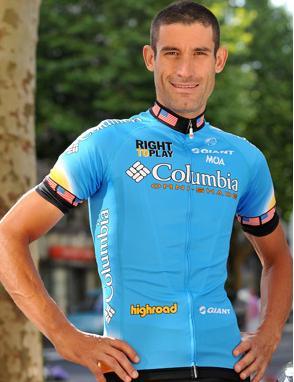
Wie?
Ben weg, antwoord in spoiler
SPOILEROm spoilers te kunnen lezen moet je zijn ingelogd. Je moet je daarvoor eerst gratis Registreren. Ook kun je spoilers niet lezen als je een ban hebt.

Ik zie een rood kruis met daarachter de tekst hincapiecolumbia.sized.jpg maar jij ziet vast het plaatje.
Stand # 2095
1 De_Hertog
2 Yankee
3 Da_Sandman
1 Flitspaal
1 slaveloos
1 Pepersaus
1 tomtomaat
1 Quxyz_
Stand # 2095
1 De_Hertog
2 Yankee
3 Da_Sandman
1 Flitspaal
1 slaveloos
1 Pepersaus
1 tomtomaat
1 Quxyz_
Donder op man, ik pak gewoon mijn klomp
Ik zie ook geen plaatje 
Op zaterdag 28 juni 2014 @ 18:18 schreef Marie30 het volgende: Zo lief. :) Kusje :*
Op donderdag 14 juli 2016 @ 23:45 schreef GGMM het volgende: Het is altijd bijzonder gezellig als banaantje er is. :)
Op donderdag 14 juli 2016 @ 23:45 schreef GGMM het volgende: Het is altijd bijzonder gezellig als banaantje er is. :)
 is het verschijnsel dat in bepaalde gebieden nabij de polen en in het hooggebergte de ondergrond nooit helemaal ontdooit. In de geologie wordt voor de definitie gehanteerd dat de grond meer dan twee opeenvolgende jaren bevroren moet blijven.
Wat is
?
gr gr
jeujquote:
Stand # 2095
1 De_Hertog
3 Yankee
3 Da_Sandman
1 Flitspaal
1 slaveloos
1 Pepersaus
1 tomtomaat
1 Quxyz_
gr gr
scherp van jequote:
Stand # 2095
1 De_Hertog
3 Yankee
3 Da_Sandman
1 Flitspaal
1 slaveloos
1 Pepersaus
1 tomtomaat
2 Quxyz_
.

Ik had alles in de trant van PowNews, GeenStijl, PowNed en Rutger Castricum goed gerekend.quote:
Stand # 2095
1 De_Hertog
3 Yankee
3 Da_Sandman
2 Flitspaal
1 slaveloos
1 Pepersaus
1 tomtomaat
2 Quxyz_
gr gr


In 1713, one year after the last great plague epidemic,  VI, Holy Roman Emperor, pledged to build a church for his namesake patron saint, who was revered as a healer for plague sufferers. An architectural competition was announced, in which Johann Bernhard Fischer von Erlach prevailed over, among others, Ferdinando Galli-Bibiena and Johann Lukas von Hildebrandt. Construction began in 1716 under the supervision of Anton Erhard Martinelli. After J. B. Fischer's death in 1723, his son, Joseph Emanuel Fischer von Erlach, completed the construction in 1737 using partially altered plans. The church originally possessed a direct line of sight to the
  and was also, until 1918, the imperial patron parish church.
As a creator of historic architecture, J. B. Fischer united the most diverse of elements. The façade in the center, which leads to the porch, corresponds to a Greek temple portico. The neighboring two columns, crafted by Lorenzo Mattielli, found a model in Trajan's Column in Rome. Next to those, two tower pavilions extend out and show the influence of the Roman baroque (Bernini and Borromini). Above the entrance, a dome rises up above a high drum, which the younger J. E. Fischer shortened and partly altered.
VI, Holy Roman Emperor, pledged to build a church for his namesake patron saint, who was revered as a healer for plague sufferers. An architectural competition was announced, in which Johann Bernhard Fischer von Erlach prevailed over, among others, Ferdinando Galli-Bibiena and Johann Lukas von Hildebrandt. Construction began in 1716 under the supervision of Anton Erhard Martinelli. After J. B. Fischer's death in 1723, his son, Joseph Emanuel Fischer von Erlach, completed the construction in 1737 using partially altered plans. The church originally possessed a direct line of sight to the and was also, until 1918, the imperial patron parish church.As a creator of historic architecture, J. B. Fischer united the most diverse of elements. The façade in the center, which leads to the porch, corresponds to a Greek temple portico. The neighboring two columns, crafted by Lorenzo Mattielli, found a model in Trajan's Column in Rome. Next to those, two tower pavilions extend out and show the influence of the Roman baroque (Bernini and Borromini). Above the entrance, a dome rises up above a high drum, which the younger J. E. Fischer shortened and partly altered.

Andere vraag was Karlskirche in Wenenquote:
Stand # 2095
1 De_Hertog
4 Yankee
3 Da_Sandman
2 Flitspaal
1 slaveloos
1 Pepersaus
1 tomtomaat
2 Quxyz_
Stand # 2095quote:
1 De_Hertog
4 Yankee
3 Da_Sandman
3 Flitspaal
1 slaveloos
1 Pepersaus
1 tomtomaat
2 Quxyz_
.
TBTP vond ik voorlopig nog te opvallendquote:
 .
.Stand # 2095
1 De_Hertog
4 Yankee
3 Da_Sandman
3 Flitspaal
1 slaveloos
1 Pepersaus
2 tomtomaat
2 Quxyz_
Hij is vooral bekend geworden doordat hij op 28 mei 1987 met een Cessna 172P op een brug in de buurt van het Rode Plein in Moskou landde. Hij was toen 19 jaar oud.
Wie?
Wie?
Stand # 2095quote:
1 De_Hertog
5 Yankee
3 Da_Sandman
3 Flitspaal
1 slaveloos
1 Pepersaus
2 tomtomaat
2 Quxyz_


| Forum Opties | |
|---|---|
| Forumhop: | |
| Hop naar: | |